












|
Getting your Trinity Audio player ready...
|
By: Carl Schwartzbaum
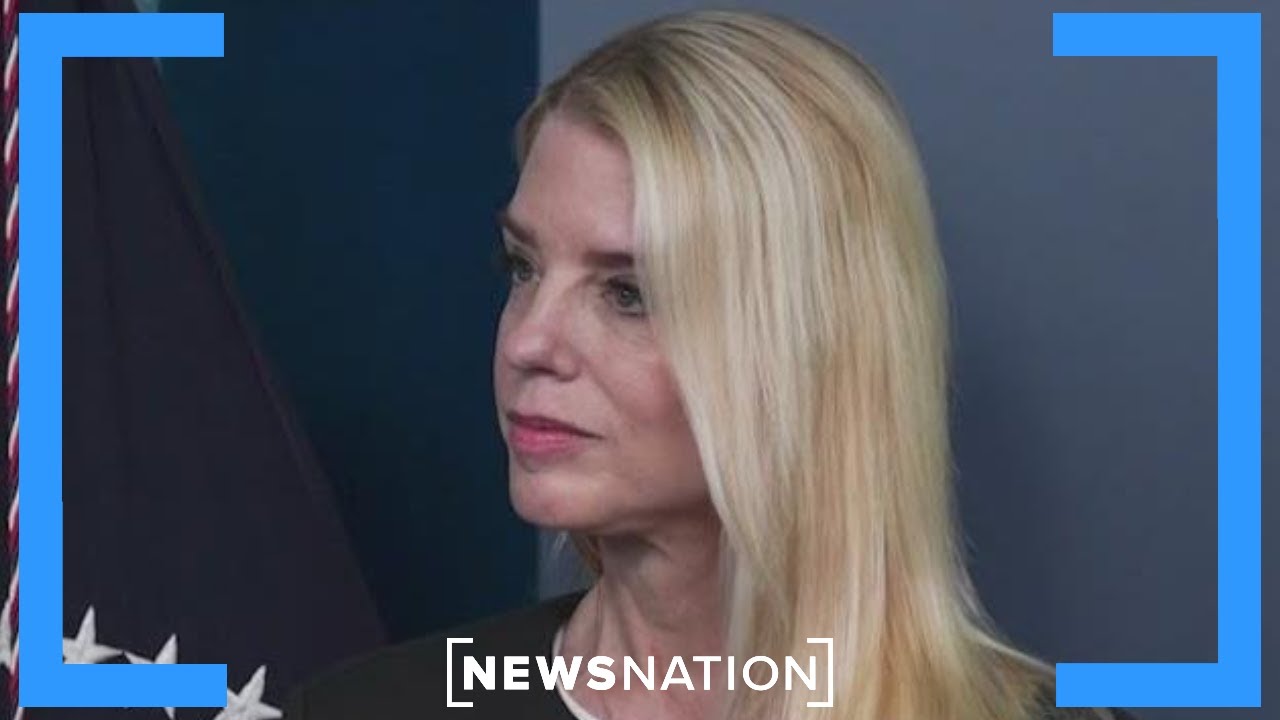
In a striking reflection of the increasingly volatile political climate in the United States, Attorney General Pam Bondi has quietly relocated from her Washington, D.C., residence to secure housing on a military installation in the capital region after federal authorities identified a growing series of threats against her safety. The move, reported in detail by The New York Times on Tuesday, underscores both the intensifying security risks faced by senior government officials and the profound polarization shaping contemporary American political life.
Bondi’s relocation places her among a growing list of high-ranking officials in the current administration who have taken refuge behind the guarded perimeters of military bases in or near the nation’s capital. While such arrangements are not entirely unprecedented, historians and former government officials say the scale of the trend appears unusual, reflecting what many analysts describe as one of the most tense domestic political environments in decades.
According to the information provided in The New York Times report, Bondi vacated an apartment in Washington within the past month after federal law enforcement agencies alerted her staff to an escalating pattern of threats directed toward the nation’s chief law enforcement officer.
The warnings reportedly stemmed from multiple sources. Among the most concerning were threats connected to drug trafficking organizations angered by aggressive federal prosecutions. Investigators also flagged growing hostility tied to Bondi’s controversial handling of legal matters involving the late financier and convicted sex offender Jeffrey Epstein, a case that continues to generate intense scrutiny and political debate.
A senior government official familiar with the matter told The New York Times that the threats intensified following a dramatic geopolitical development earlier this year: the capture and prosecution of Nicolás Maduro, who was detained in January and now faces charges in the United States.
Bondi’s central role in overseeing Justice Department proceedings against Maduro reportedly placed her squarely in the crosshairs of both criminal organizations and ideological adversaries.
Bondi is not the only senior official who has sought refuge in secure military housing. Several other prominent figures in the administration have similarly relocated to bases in the Washington region in response to security threats.
Among them are Stephen Miller, a key architect of the administration’s immigration policies; Marco Rubio; Pete Hegseth; and Kristi Noem.
Two senior Pentagon officials—Army Secretary Daniel P. Driscoll and Navy Secretary John Phelan—have also reportedly taken up residence on military installations.
Many of these officials now reside in housing located on bases such as Fort McNair or other secure military facilities near the capital, areas protected by layers of armed security, restricted access points, and surveillance infrastructure.
For officials facing credible threats from foreign adversaries, criminal networks, or political extremists, the fortified environment of military installations offers a level of protection difficult to replicate in civilian neighborhoods.
The relocation of so many senior officials reflects a sobering reality: holding high office in the United States has become increasingly dangerous. According to analysts cited by The New York Times, political leaders now face threats not only from foreign intelligence services and criminal enterprises but also from domestic extremists emboldened by ideological polarization.
Security experts note that social media has dramatically intensified this challenge. The rapid spread of personal information online—sometimes through “doxxing,” the public release of private addresses or personal details—can expose officials and their families to harassment or worse.
This climate has prompted federal agencies to adopt increasingly robust protective measures. Relocation to military bases is among the most dramatic of these steps, effectively placing civilian leaders within the protective umbrella normally reserved for military personnel.
While the recent wave of relocations has drawn attention, the practice itself has historical precedent. In past administrations, certain senior officials have temporarily resided in military housing for reasons of security or logistical convenience.
For example, former Secretary of State Mike Pompeo and former Defense Secretary James Mattis both utilized military housing during their service in government. Similarly, Robert M. Gates, who served under Presidents George W. Bush and Barack Obama, lived in Navy housing for much of his tenure.
Nevertheless, historians interviewed by The New York Times say the current administration’s reliance on military accommodations appears broader than in previous eras.
The arrangement has also prompted questions about the financial and logistical details surrounding the housing. It remains unclear whether officials are paying rent for these residences and, if so, how those payments are calculated.
When asked about similar arrangements in the past, aides to Kristi Noem told The New York Times that she paid “fair-market rent” for her accommodations on a military base. However, comprehensive information about the financial terms of the current housing arrangements has not been publicly disclosed.
Critics have suggested that the use of taxpayer-funded military housing for political appointees could raise ethical or logistical questions. Supporters, meanwhile, argue that providing secure housing is a practical necessity given the extraordinary threats facing public officials.
The situation also raises broader questions about the relationship between civilian government leadership and the military. In the United States, the principle of civilian control over the armed forces has long been considered a cornerstone of democratic governance.
Military bases have traditionally served operational and logistical purposes rather than functioning as residential enclaves for political leaders. The increasing presence of civilian officials on these installations, some analysts argue, reflects the growing overlap between national security concerns and domestic political life.
According to observers cited by The New York Times, the shift may signal a new reality in which the federal government relies more heavily on military infrastructure to protect its leaders.
For many observers, Bondi’s move carries symbolic as well as practical significance. When top officials feel compelled to live behind guarded gates rather than among the public they serve, critics say it reflects a deeper fracture within the political culture. The phenomenon highlights the erosion of trust between government leaders and segments of the population.
Yet supporters of the relocation argue that the decision is both prudent and necessary. Public officials cannot effectively perform their duties, they contend, if credible threats against their lives force them into constant personal danger.
For Bondi, the relocation represents a stark reminder of the burdens accompanying one of the most powerful positions in American government. As attorney general, she oversees the Justice Department’s vast responsibilities, including national security prosecutions, organized crime investigations, and politically sensitive legal cases.
Each of these roles can generate enemies. And in a polarized political environment, even routine legal decisions can ignite intense public reaction.
According to The New York Times report, Bondi’s spokesperson declined to comment on the relocation beyond requesting that the specific location of the military base not be disclosed for security reasons. That silence reflects the gravity of the security concerns surrounding the move.
Ultimately, Bondi’s relocation illustrates the increasingly complex intersection of politics, security, and public service in modern America. In previous generations, senior officials typically lived in private homes scattered across Washington’s neighborhoods.
Today, many find themselves residing inside heavily guarded installations more commonly associated with military command centers than civilian life. Whether this development proves temporary or becomes a permanent feature of the American political landscape remains uncertain. But one conclusion appears unavoidable.
In a time of heightened threats—from organized crime, geopolitical adversaries, and domestic extremists—the physical distance between the nation’s leaders and the public they govern is growing wider. And as the fortified gates of Washington’s military bases quietly close behind them, the challenges facing American democracy remain as complex—and as urgent—as ever.