












|
Getting your Trinity Audio player ready...
|
By: Tzirel Rosenblatt
In the fraught and volatile arena of global security, few decisions carry consequences as profound as those involving nuclear proliferation. In recent days, President Donald Trump has forcefully articulated the rationale behind his administration’s military strikes against Iran, asserting that Tehran stood on the precipice of acquiring nuclear weapons and posed an imminent threat to both Israel and the United States. Yet, as a detailed analysis by The New York Times reveals, the situation beneath these declarations is far more complex—and potentially far more perilous.
At the center of this unfolding drama lies a decision of extraordinary magnitude: whether to authorize a daring and unprecedented military operation aimed not merely at damaging Iran’s nuclear infrastructure, but at physically seizing or destroying its nuclear material. Such a mission, if undertaken, would represent one of the most audacious undertakings in modern American military history, surpassing even the complexity and risk associated with the operation that led to the death of Osama bin Laden.
President Trump’s public statements have been unequivocal. He has repeatedly warned that Iran’s nuclear ambitions were nearing fruition and that the regime intended to deploy such weapons with alarming speed. These assertions have served as the cornerstone of his justification for recent military action, framing the conflict as a necessary preemptive measure.
However, reporting by The New York Times indicates that the intelligence landscape prior to the outbreak of hostilities painted a more nuanced picture. Senior officials within the United States Intelligence Community reportedly assessed that, while Iran’s nuclear program remained a concern, there was no immediate indication that the country was on the verge of producing a nuclear weapon.
This divergence between public rhetoric and intelligence assessments underscores a broader dilemma confronting policymakers: how to balance the urgency of perceived threats with the uncertainties inherent in incomplete or evolving intelligence.
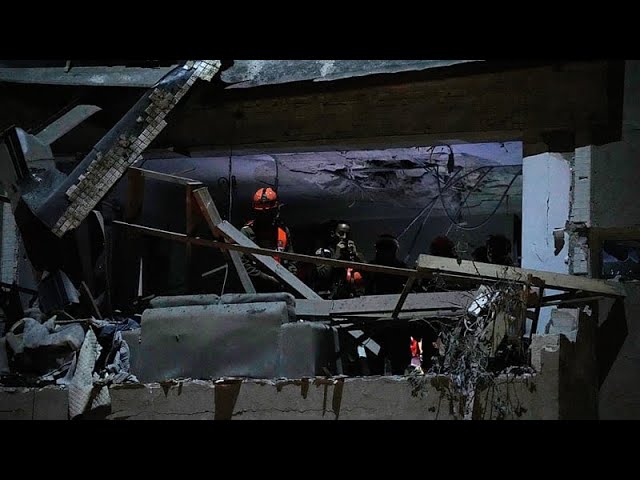
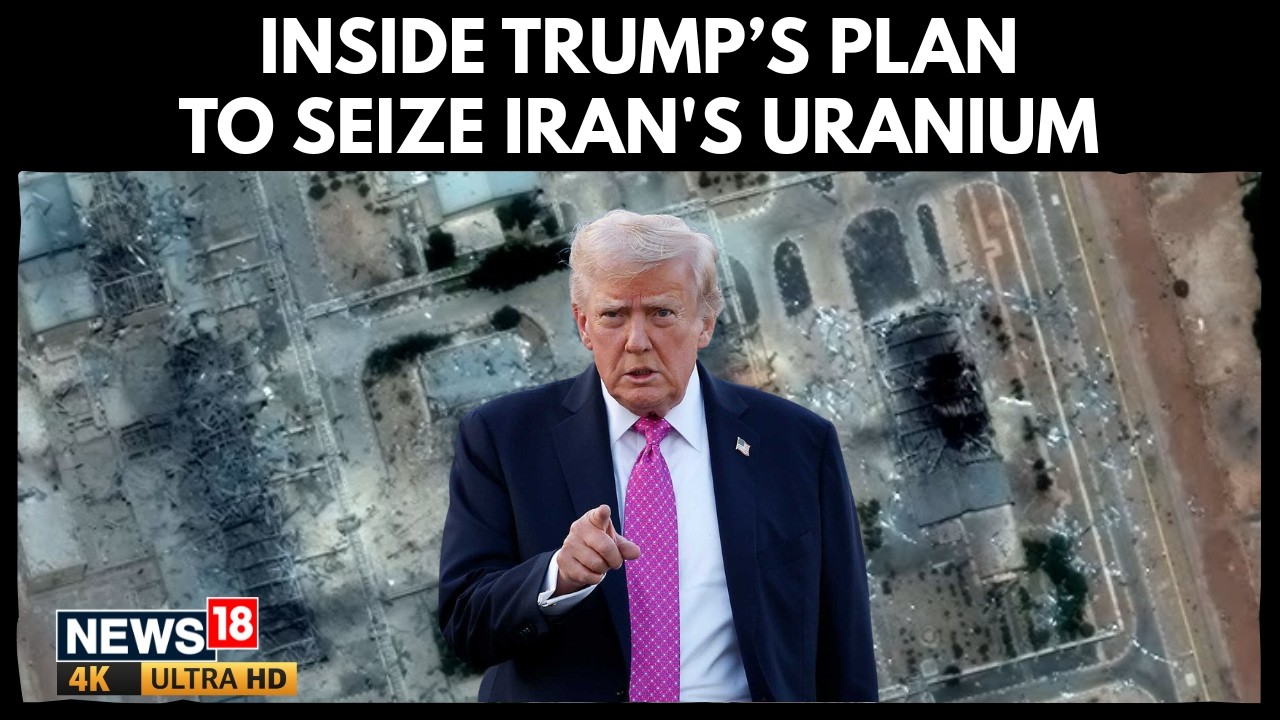
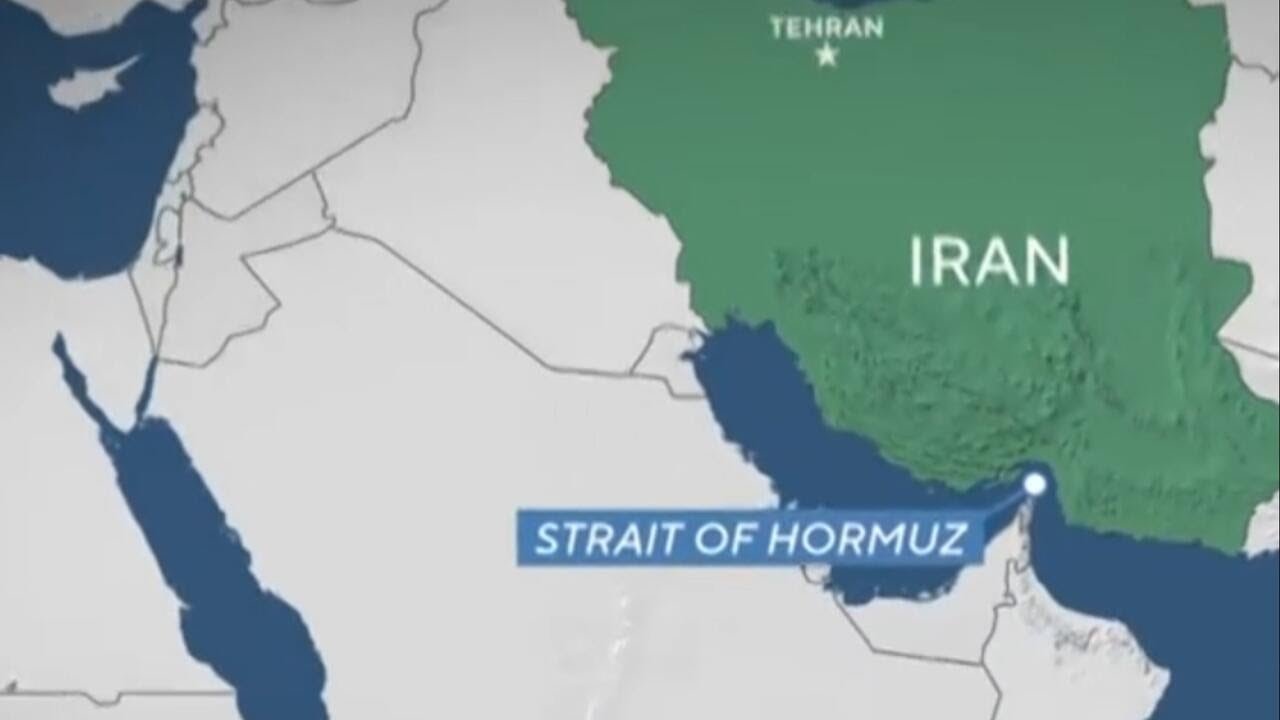
The operational complexities of a potential ground mission are staggering. Much of Iran’s nuclear material is believed to be stored in deeply fortified underground facilities, particularly in regions such as Isfahan. Additional sites, including Fordow and Natanz, have sustained damage during recent bombardments, further complicating efforts to locate and secure nuclear assets.
According to The New York Times report, intelligence agencies do not possess a complete map of where all nuclear fuel is currently housed. Some materials may have been relocated to tunnel complexes, including one referred to as “Pickaxe Mountain,” a name that has become emblematic of the opaque and labyrinthine nature of Iran’s nuclear infrastructure.
The presence of such facilities introduces a host of operational risks. Striking or mishandling storage containers could release toxic and radioactive gases, posing immediate danger to both military personnel and civilian populations. Even more concerning is the possibility—however remote—of triggering a nuclear chain reaction if materials are brought into unsafe proximity.
Despite these formidable challenges, President Trump has signaled a willingness to consider a ground operation. “I’m really not afraid of anything,” he told reporters, reflecting a posture of resolve that has characterized much of his approach to foreign policy.
Secretary of State Marco Rubio has provided additional clarity, indicating that any effort to neutralize Iran’s nuclear material would likely require the deployment of special forces tasked with physically retrieving or securing the fuel. Such a mission would demand not only technical expertise but also exceptional precision and coordination.
As detailed by The New York Times, United States special operations units have trained extensively for scenarios involving the capture or neutralization of nuclear materials. However, the Iranian case presents unique challenges, including the scale of the operation and the deliberate use of decoys designed to confuse and mislead.
Experts believe that thousands of containers—some genuine, others deliberately false—may be dispersed across multiple sites, creating a complex and hazardous environment for any ground force.
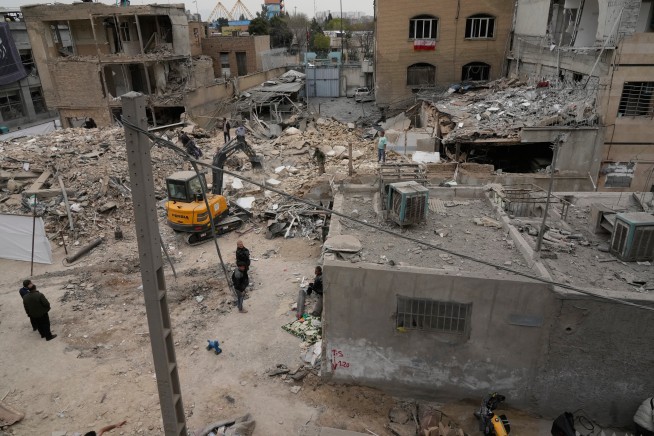
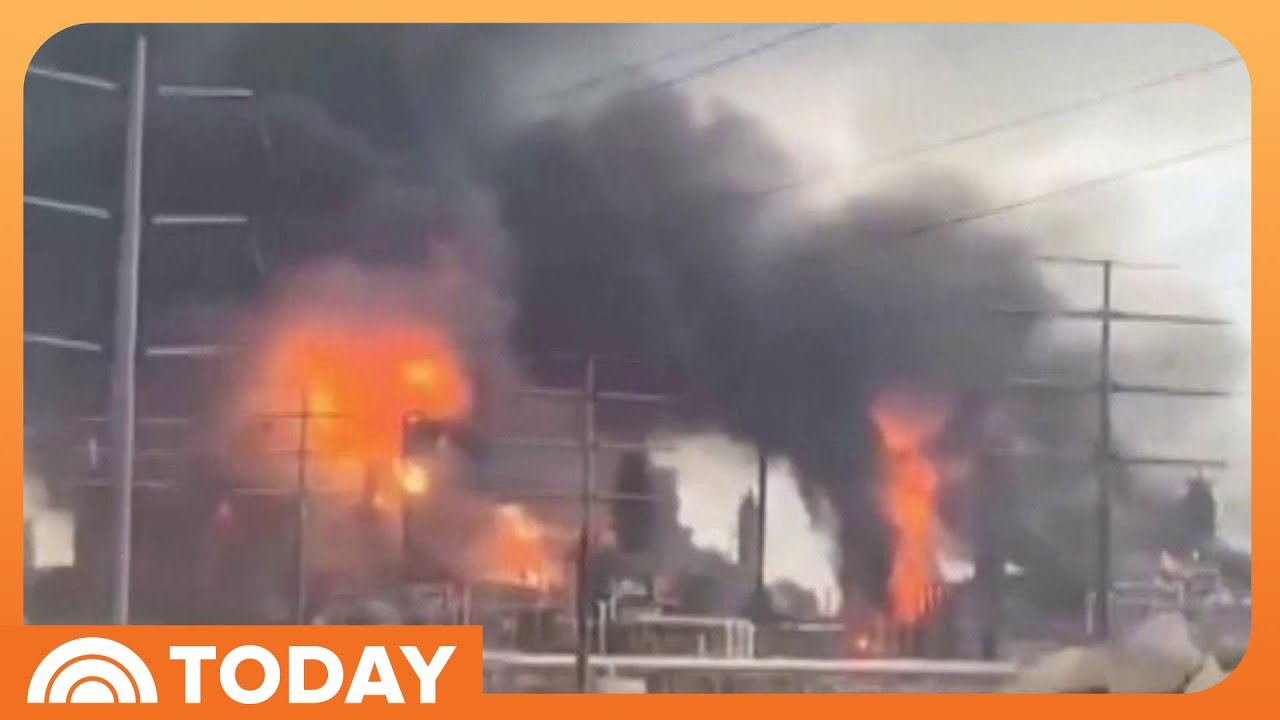
The dynamics of the conflict have evolved significantly in recent weeks. Following 18 days of sustained bombardment that reportedly degraded much of Iran’s missile capabilities, the regime’s nuclear material has taken on heightened strategic importance.
In the assessment of analysts cited by The New York Times, these materials now represent a critical component of Iran’s remaining deterrence. This shift has implications not only for military planning but also for diplomatic considerations, as the stakes associated with any action have increased substantially.
The possibility that Iran may view its nuclear assets as a last line of defense raises the risk of escalation, particularly if those assets are directly targeted.
Even as military options are being explored, diplomatic avenues have not been entirely foreclosed. Recent proposals from Iran suggest a willingness to engage in negotiations over the future of its nuclear program.
Iran’s Foreign Minister, Abbas Araghchi, reportedly offered to dilute all nuclear material to levels suitable for civilian use under international supervision. Such a proposal, if implemented, could have provided a framework for de-escalation and monitoring.
However, the United States negotiating team, led by Jared Kushner and Steve Witkoff, rejected the proposal. According to The New York Times report, American officials insisted on a more stringent outcome, demanding that Iran retain no stockpiles of nuclear fuel whatsoever.
This impasse highlights the difficulty of reconciling differing strategic objectives. While the United States seeks complete denuclearization, Iran appears to favor a compromise that preserves certain elements of its program.
The decision now facing President Trump is one of profound consequence. Authorizing a ground operation to seize or destroy Iran’s nuclear material would entail significant risks, including potential casualties, environmental hazards, and the possibility of broader regional conflict.
At the same time, failing to act could allow Iran to retain capabilities that the administration views as unacceptable.
As The New York Times has emphasized, the choice is not merely between action and inaction, but between competing sets of risks, each with its own potential ramifications.
The prospect of a mission to physically secure nuclear material is not without precedent, but the scale and complexity of the Iranian case would place it in a category of its own. Previous operations, including those targeting terrorist leaders or limited facilities, have not involved the same combination of technical challenges and strategic stakes.
Should such a mission be undertaken, it would likely redefine the parameters of military engagement in the nuclear domain, setting precedents for future conflicts.
As events continue to unfold, the world watches closely, aware that the decisions made in the coming days could have far-reaching consequences. The interplay between military capability, intelligence assessments, and diplomatic strategy has created a moment of exceptional gravity.
The analysis provided by The New York Times underscores the complexity of the situation, revealing a landscape in which certainty is elusive and every option carries significant risk.
In this context, the question is not simply whether the United States will act, but how it will navigate the intricate web of challenges that define this crisis. Whether through force or negotiation, the path chosen will shape not only the immediate outcome but also the broader trajectory of international security in an era defined by uncertainty and high stakes.



1 Comment
AD
April 9, 2026Why would anybody believe anything the NY Times writes about anything?