













|
Getting your Trinity Audio player ready...
|
By: Fern Rosenblatt
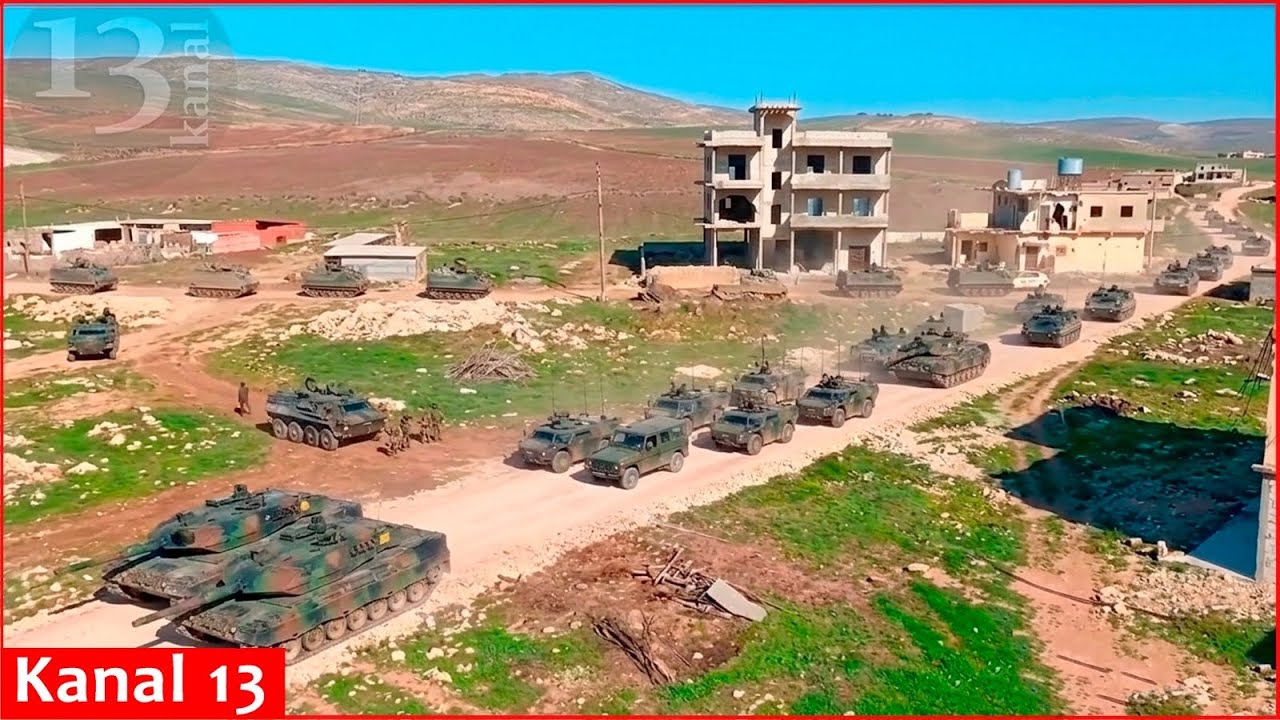
In a significant escalation along Israel’s northern frontier, Israel Defense Forces units have crossed into southern Lebanon to assume what officials describe as “forward offensive” positions, marking a new phase in Operation “Roaring Lion.” The move, announced Tuesday morning by the IDF Spokesperson’s Unit and reported extensively by Israel National News, is aimed at creating what military officials call an additional layer of security for residents of northern Israel in the wake of sustained rocket and drone attacks by Hezbollah.
According to the IDF statement cited by a report at Israel National News, Israeli forces are now operating at multiple points in southern Lebanese territory near the border area. The deployment is characterized as part of an enhanced forward defense posture designed to prevent infiltration attempts and to neutralize immediate threats posed by Hezbollah’s cross-border fire.
“In parallel to IDF activity as part of Operation ‘Roaring Lion,’ IDF soldiers are operating in southern Lebanon and are positioned at several points near the border area as part of an enhanced forward defense posture,” the military announced. The statement underscored that the purpose of the maneuver is to create “an additional layer of security for residents of northern Israel,” particularly communities in the Galilee that have endured repeated rocket alarms and sporadic projectile fire in recent days.
The incursion follows a volley of 15 rockets fired by Hezbollah toward the Golan Heights, along with five additional rockets launched at the Upper Galilee. Two unmanned aerial vehicles were also dispatched toward the Western Galilee, both of which were intercepted by Israeli air defenses. Israel National News reported that while the majority of the projectiles were intercepted or fell in open areas, the attacks heightened tensions and reinforced concerns about Hezbollah’s expanding role in the broader regional confrontation.
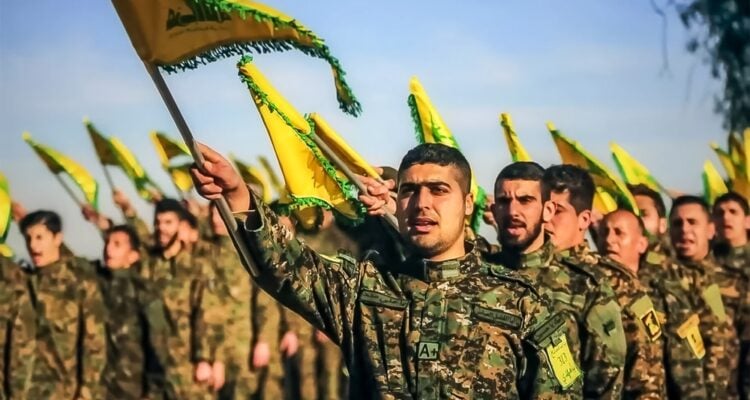
Israeli officials assert that Hezbollah’s renewed aggression is undertaken “on behalf of the Iranian regime,” a formulation that situates the Lebanese organization within the wider conflict between Israel and Iran. The IDF emphasized in its statement, as carried by Israel National News, that Hezbollah will bear the consequences of its decision to attack Israeli territory.
“The Hezbollah terrorist organization chose to attack Israel on behalf of the Iranian regime, and it will bear the consequences of its actions,” the military said. “The IDF will not allow harm to Israeli civilians, and will continue to act to defend the State of Israel and its citizens.”
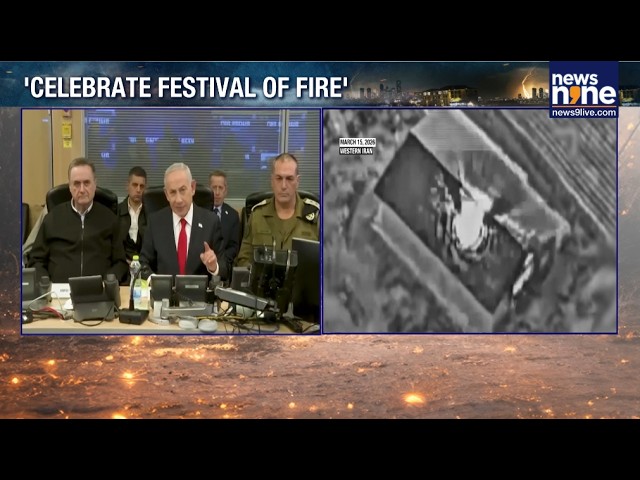
The decision to authorize Israeli troops to advance into Lebanese territory was confirmed by Defense Minister Israel Katz. Katz stated that he and Prime Minister Benjamin Netanyahu had given the green light for the IDF to take control of additional strategic positions inside Lebanon. The stated objective is to prevent direct fire from targeting Israeli border communities and to secure vantage points from which to defend the northern frontier more effectively.
“Prime Minister Benjamin Netanyahu and I have authorized the Israel Defense Forces to advance and take control of additional strategic positions in Lebanon in order to prevent attacks on Israeli border communities,” Katz said. He added that Hezbollah is already paying a heavy price for its actions and will continue to do so if the attacks persist.
The language of “forward offensive” positions signals a shift in Israel’s operational approach. Rather than relying exclusively on defensive measures within its own territory—such as Iron Dome interceptions and counterbattery fire—Israel is now seeking to push its defensive perimeter northward. By occupying key terrain near the border, Israeli forces aim to disrupt Hezbollah’s capacity to stage rocket launches or infiltration attempts from close proximity to Israeli towns.
Military analysts note that southern Lebanon’s topography has long complicated border security. Villages and wooded areas near the frontier have, in past conflicts, served as launch sites and staging grounds for Hezbollah fighters. Establishing forward positions allows Israeli troops to monitor and, if necessary, interdict hostile activity before it reaches Israeli soil.
Israel National News has reported that the IDF is simultaneously conducting targeted strikes against Hezbollah infrastructure. These strikes are described as precise efforts to dismantle rocket launchers, storage depots, and command nodes linked to the organization’s operations. The combined ground and air activity suggests a coordinated effort to degrade Hezbollah’s capabilities while minimizing prolonged engagement.
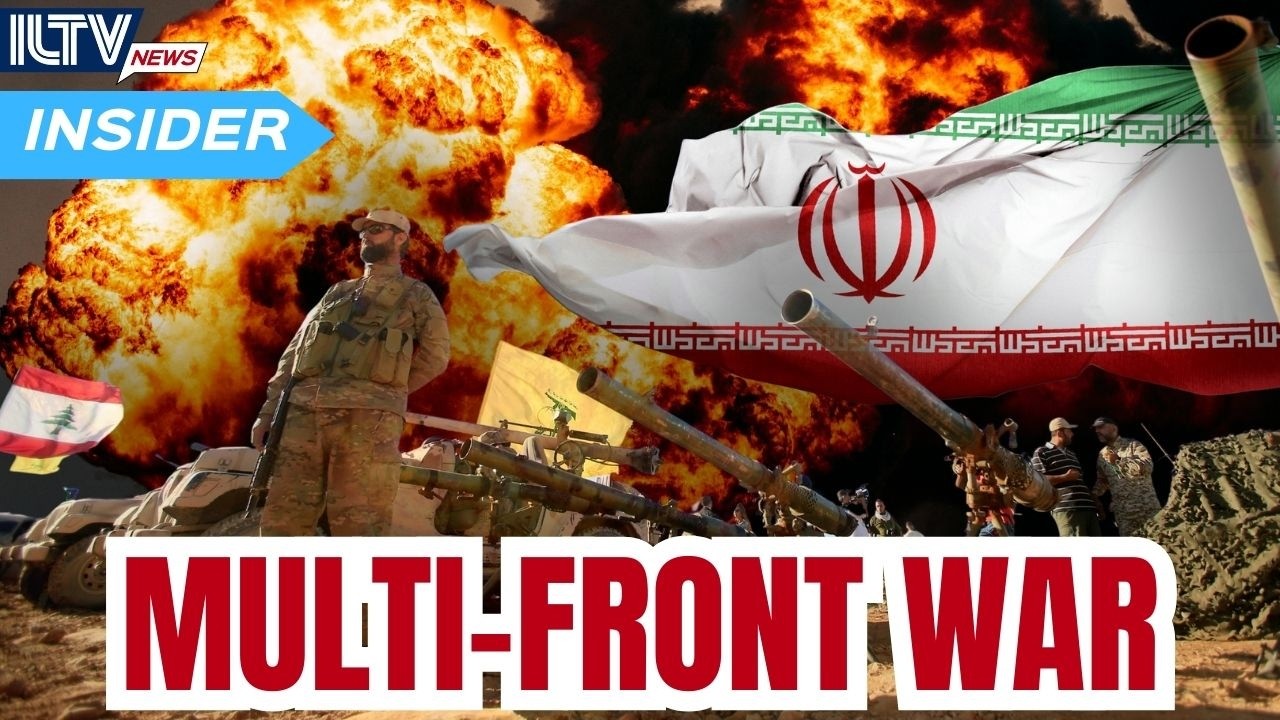
The invocation of Operation “Roaring Lion” situates the Lebanon incursion within a broader campaign that has encompassed Israeli operations against Iranian targets as well as Iranian-backed proxies across the region. By linking Hezbollah’s actions to Tehran, Israeli officials reinforce the narrative that the northern front is part of a multi-theater confrontation rather than an isolated skirmish.
For residents of northern Israel, the developments carry immediate implications. Communities in the Upper Galilee and along the Golan Heights have endured intermittent rocket fire, sirens, and the psychological strain of uncertainty. Local leaders have repeatedly called for stronger deterrence measures to restore a sense of security.
Katz’s pledge that the government promised—and will deliver—security for the communities of the Galilee reflects a political imperative as much as a military one. The memory of past conflicts with Hezbollah, including the 2006 Second Lebanon War, looms large in the national consciousness. That war exposed vulnerabilities in Israel’s northern defenses and resulted in significant displacement of civilians. The current leadership appears determined to avoid a repetition of those circumstances.
Israel National News has highlighted the IDF’s assertion that it will not allow harm to Israeli civilians. This framing underscores the doctrine of preemption that has characterized Israeli security policy for decades: threats are to be confronted proactively, even beyond the country’s borders, when deemed necessary.
At the same time, the move into southern Lebanon carries inherent risks. Ground deployments can invite retaliatory fire and increase the likelihood of direct clashes with Hezbollah fighters. The Lebanese organization, heavily armed and battle-hardened from years of involvement in Syria, possesses a substantial arsenal of rockets and anti-tank missiles.
Nevertheless, Israeli officials appear confident that limited, strategically positioned deployments can achieve tactical objectives without precipitating full-scale war. By taking control of “additional strategic areas,” as Katz described, the IDF seeks to establish deterrence and disrupt Hezbollah’s operational tempo.
The interception of the two UAVs over the Western Galilee illustrates another dimension of the threat. Hezbollah’s growing use of drones has added complexity to Israel’s defensive calculations. UAVs can serve both reconnaissance and attack roles, challenging traditional air defense systems. The successful interceptions demonstrate the IDF’s layered defense architecture, but they also underscore the evolving nature of the battlefield.
Israel National News has consistently reported on the interplay between Hezbollah’s rocket fire and Israeli countermeasures, portraying the current developments as a calculated effort to stabilize the northern front amid broader regional tensions. The IDF’s public statements emphasize precision and proportionality, aiming to convey that operations are focused on removing threats rather than expanding territory.
For Lebanon, the incursion introduces additional strain. The country’s political and economic fragility complicates its ability to manage or restrain Hezbollah’s actions. While the Lebanese government has often distanced itself from the group’s military operations, the reality on the ground blurs the distinction between state and non-state actors.
As Israeli forces entrench in forward positions, the coming days will test whether Hezbollah escalates further or recalibrates in response to the new posture. The Israel National News report suggested that the IDF’s message is unequivocal: aggression will be met with decisive action, and border communities will not be left exposed.
In the broader strategic calculus, the advance into southern Lebanon represents an effort to reassert deterrence at a moment of heightened regional volatility. Whether the maneuver succeeds in restoring quiet to the Galilee or ushers in a new phase of confrontation remains to be seen. What is certain is that Israel has signaled its readiness to push its defensive lines beyond its borders in pursuit of security for its northern citizens.