

















|
Getting your Trinity Audio player ready...
|
By: Abe Wertenheim
As the United States enters one of its busiest travel seasons, a deepening crisis at the heart of the nation’s aviation infrastructure is beginning to reverberate across airports, airlines, and households alike. A prolonged shutdown of the Department of Homeland Security (DHS), driven by a political impasse in Congress, has left more than 100,000 federal workers without pay, strained critical airport operations, and triggered urgent warnings from the leaders of America’s largest airlines.
In an unusually unified and forceful appeal, chief executives from major carriers—including American Airlines, United Airlines, Delta Air Lines, Southwest Airlines, JetBlue Airways, and Alaska Air—have issued a stark warning: the current situation is not merely inconvenient; it is unsustainable. Their message to lawmakers is unequivocal—resolve the funding stalemate immediately or risk compounding disruptions across an already burdened aviation system.
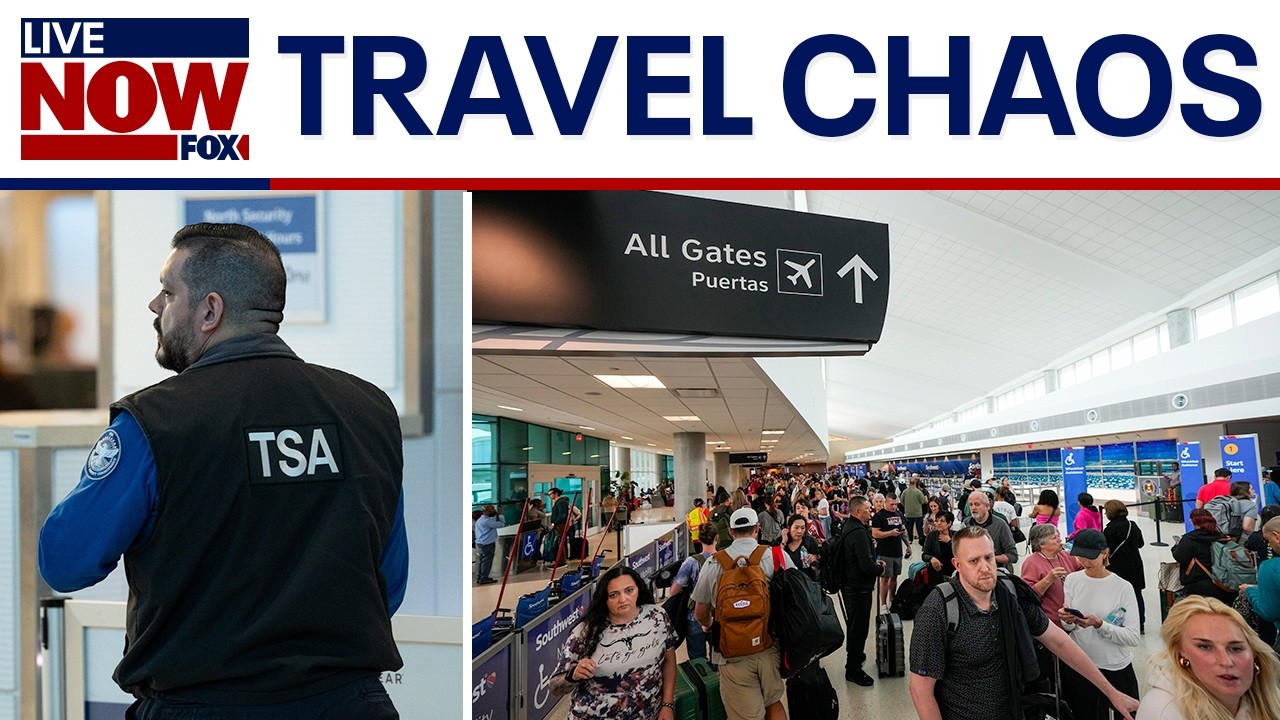
The shutdown’s most immediate and visible consequences have manifested at airport security checkpoints, where Transportation Security Administration (TSA) officers—working without pay—are tasked with maintaining safety and efficiency under increasingly difficult conditions.
According to the airline executives’ letter to Congress, the strain is palpable. Travelers are encountering wait times that stretch far beyond acceptable norms, with reports of lines lasting two, three, or even four hours at major hubs. These delays are not isolated incidents but rather symptomatic of a system operating under significant duress.
The aviation sector, which functions as a tightly interconnected network, is particularly vulnerable to such disruptions. Delays at security checkpoints ripple outward, affecting boarding schedules, flight departures, and ultimately the entire travel experience. Airlines, in an effort to mitigate the fallout, have been forced to adopt extraordinary measures—holding flights for delayed passengers, rebooking travelers, and adjusting schedules in real time.
Yet these efforts, while commendable, can only go so far. As one airline executive noted in the letter, “Americans are tired of long lines at airports, travel delays and flight cancellations caused by shutdown after shutdown.” The sentiment reflects a growing frustration among both industry leaders and the traveling public.
Beyond the operational challenges lies a more profound and deeply human dimension: the financial hardship faced by federal workers who continue to perform essential duties without compensation.
TSA officers, U.S. Customs and Border Protection personnel, and air traffic controllers form the backbone of the nation’s aviation security and safety framework. Their roles are not optional; they are indispensable. Yet, as the shutdown persists, these individuals are being asked to fulfill their responsibilities under increasingly precarious circumstances.
The airline CEOs’ letter underscores the gravity of the situation. “TSA officers just received $0 paychecks. That is simply unacceptable,” they wrote. “It’s difficult, if not impossible, to put food on the table, put gas in the car and pay rent when you are not getting paid.”
The starkness of this reality cannot be overstated. For many federal employees, the absence of a paycheck is not merely an inconvenience—it is a crisis that affects every aspect of daily life. Rent, utilities, groceries, and transportation costs continue unabated, even as income ceases.
This dynamic has raised concerns not only about the well-being of workers but also about the long-term stability of the workforce. Prolonged financial strain could lead to increased attrition, reduced morale, and diminished capacity at a time when demand is surging.
Compounding the crisis is the timing of the shutdown. The spring travel season, traditionally one of the busiest periods for the aviation industry, is expected to reach unprecedented levels this year. Airlines anticipate approximately 171 million passengers taking to the skies—a record-breaking figure that underscores both the resilience of travel demand and the importance of a fully functional aviation system.
Under normal circumstances, such demand would be a cause for optimism. It would signal economic vitality, increased mobility, and a return to pre-pandemic travel patterns. However, in the current context, it represents a formidable challenge.
With security checkpoints understaffed and workers under financial strain, the system’s ability to handle this surge is in question. Long lines, missed flights, and cascading delays threaten to undermine the travel experience for millions of Americans.
Airlines have attempted to adapt, implementing contingency measures to minimize disruption. Yet these efforts are inherently reactive, addressing symptoms rather than the underlying cause. As the CEOs emphasized, “It’s past time for the government to make sure that TSA officers, U.S. Customs clearance officers at airports and air traffic controllers are paid for the job they do.”
The ramifications of the DHS shutdown extend beyond the confines of airports. The aviation industry is a critical component of the broader economy, facilitating commerce, tourism, and connectivity. Disruptions within this sector can have cascading effects on businesses, supply chains, and regional economies.
Delayed flights can lead to missed business opportunities, disrupted logistics, and diminished productivity. For tourism-dependent regions, the impact can be particularly acute, as potential visitors reconsider travel plans in the face of uncertainty and inconvenience.
Moreover, the shutdown raises questions about national security. TSA officers and Customs personnel play a vital role in safeguarding the country’s borders and transportation systems. Operating these functions under conditions of financial strain and reduced morale introduces risks that extend beyond operational efficiency.
The airline executives’ letter represents more than a statement of concern; it is a call to action. By addressing Congress directly, the industry’s leaders are seeking to elevate the issue beyond partisan politics and emphasize its urgency.
“Americans—who live in your districts and home states—are tired,” the letter states, appealing to lawmakers’ responsibilities to their constituents. The message is clear: the consequences of inaction are being felt not only in Washington but across the nation.
The demand for immediate funding of the Department of Homeland Security reflects a broader consensus within the aviation sector that the current situation cannot continue. The costs—both human and economic—are simply too great.
At the heart of the crisis lies a familiar yet deeply consequential dynamic: political gridlock. The inability of lawmakers to reach an agreement on funding has resulted in a shutdown that affects critical services and essential workers.
For many Americans, the situation is emblematic of a broader frustration with governance. The repeated occurrence of shutdowns, each with its own set of disruptions, has eroded confidence in the ability of political institutions to function effectively.
The aviation industry’s intervention highlights the tangible consequences of this dysfunction. It is no longer an abstract debate over budgets and appropriations; it is a lived experience for travelers, workers, and businesses alike.
Resolving the crisis will require more than temporary measures. It demands a commitment to stability and foresight in the funding of essential government functions. For the aviation sector, predictability is paramount. Airlines plan schedules, allocate resources, and coordinate operations months in advance. Sudden disruptions undermine these efforts and create inefficiencies that ripple throughout the system.
In the immediate term, the priority is clear: restore funding to the Department of Homeland Security and ensure that federal workers are compensated for their labor. This step, while necessary, is only the beginning.
In the longer term, policymakers may need to consider structural reforms that reduce the likelihood of future shutdowns. Such reforms could include mechanisms for automatic funding of critical agencies or bipartisan agreements that prioritize essential services.
The current crisis represents a critical juncture for the United States’ aviation system. It is a test of resilience, not only for the industry but also for the institutions that support it.
As airports grapple with long lines and delayed flights, and as workers navigate the challenges of unpaid labor, the urgency of the situation becomes increasingly apparent. The warnings issued by airline executives are not speculative; they are grounded in the realities unfolding across the nation’s transportation network.
At its core, the issue is one of responsibility. Ensuring the smooth operation of the aviation system—and the well-being of those who sustain it—is a fundamental obligation of governance. The longer the shutdown persists, the greater the cost.
In the words of the industry’s leaders, the time for action is now. The stakes are high, and the consequences of delay are measured not only in minutes at security checkpoints but in the livelihoods of workers and the confidence of a nation on the move.