












|
Getting your Trinity Audio player ready...
|
In the wake of the escalating conflict between the United States, Israel, and the Islamic Republic of Iran, a troubling narrative has begun circulating in political circles and media commentary in Washington. According to this claim, Israel somehow maneuvered or pressured the United States—specifically the administration of President Donald Trump—into launching a military campaign against Iran. Such assertions are not merely misleading; they are demonstrably false. They distort both the historical record and the strategic realities that led to the confrontation with Tehran.
The truth is far simpler and far more compelling: the United States entered the conflict because Iran’s nuclear ambitions, missile development, and decades-long campaign of terror had reached a point that American leaders deemed intolerable. Israel did not coerce Washington into action. Rather, Israel and the United States confronted a common enemy whose behavior had threatened global stability for generations.
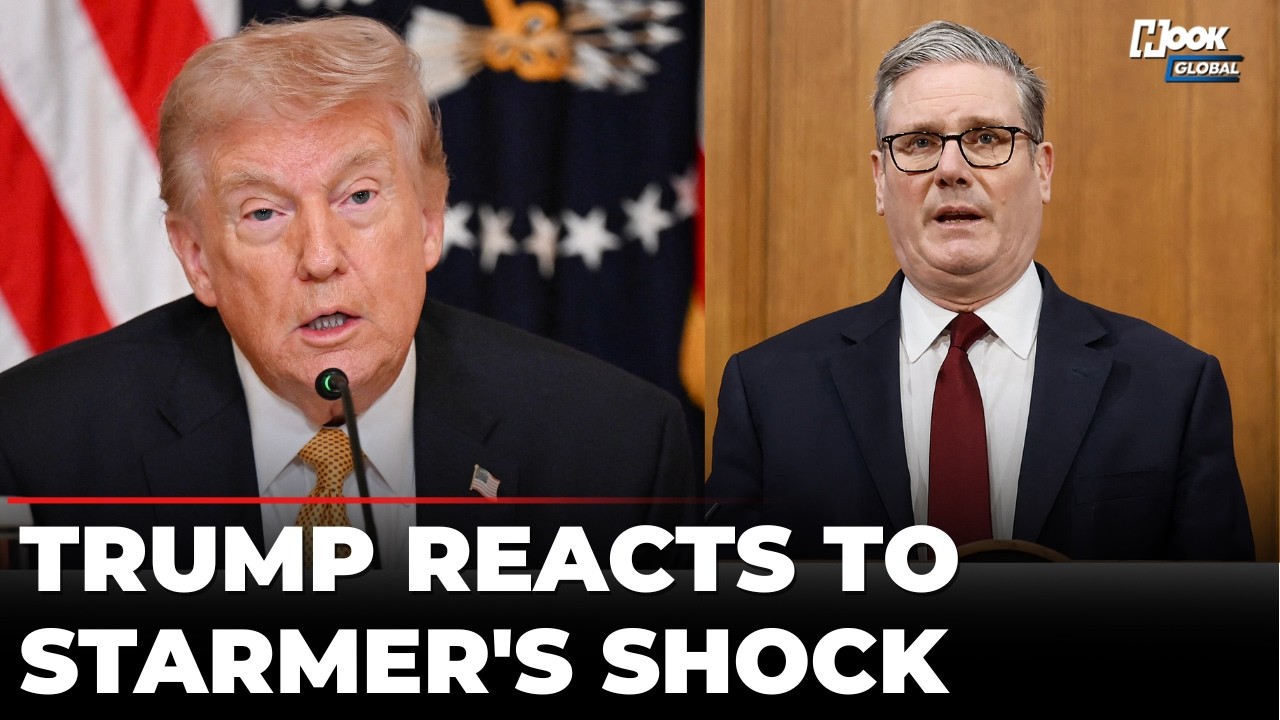
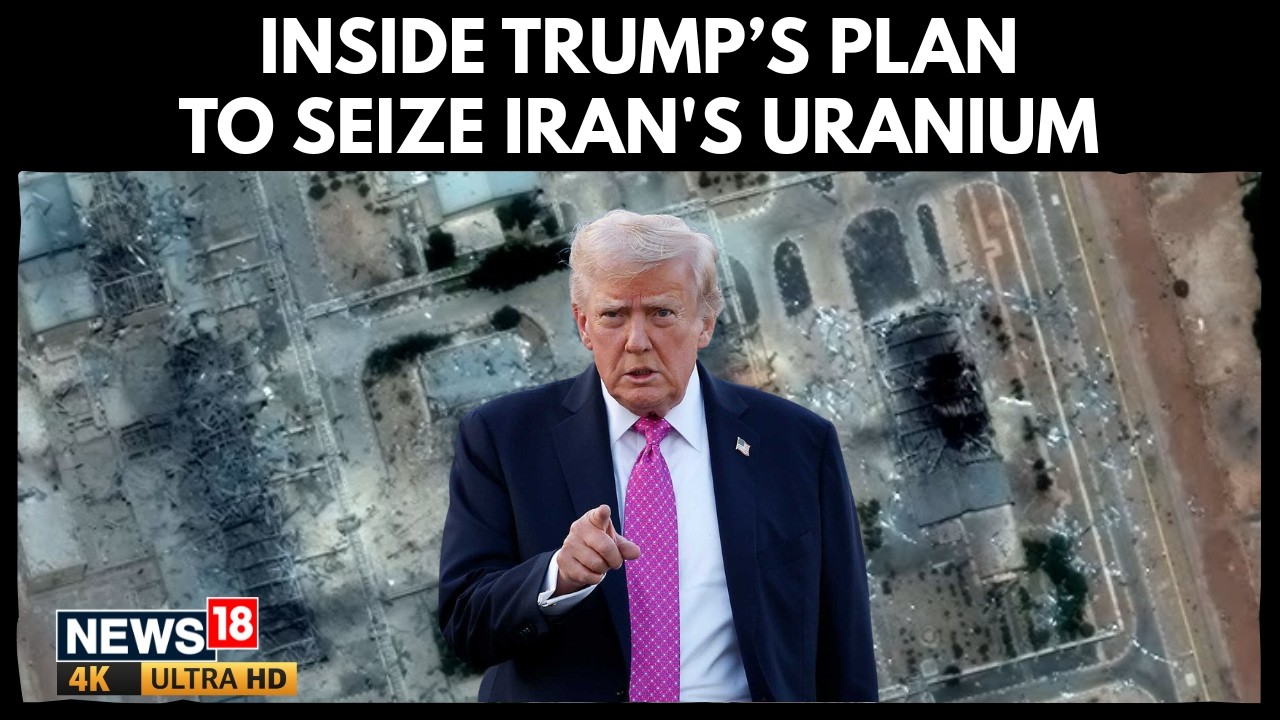
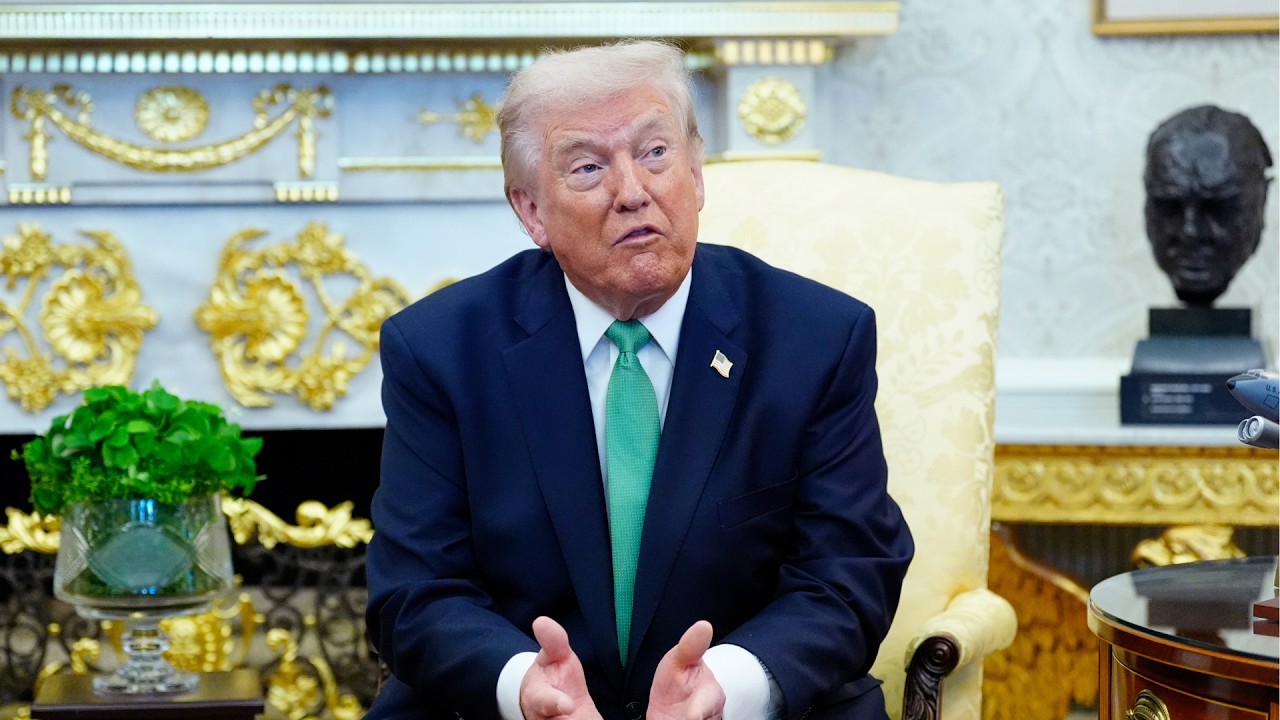
President Trump himself made this point unequivocally. When asked directly whether Israel had pulled the United States into the war, he dismissed the notion outright. According to Trump, if any country had forced the issue, it was the United States responding to the unmistakable danger posed by the Iranian regime. Negotiations with Tehran, he said bluntly, had reached an impasse. In his words, American officials had been negotiating with “lunatics,” and intelligence assessments suggested that Iran was preparing to strike first.
Secretary of State Marco Rubio reinforced that position in unmistakable terms. When a misleadingly edited video clip circulated suggesting otherwise, Rubio responded forcefully, clarifying that the decision to strike Iranian targets had been made by the United States after concluding that diplomacy had failed and that the threat posed by Iran had become untenable. The word Rubio chose—untenable—captures the essence of the moment. The Iranian regime’s nuclear ambitions, missile arsenal, and proxy terror networks had created a situation that responsible governments simply could not ignore.
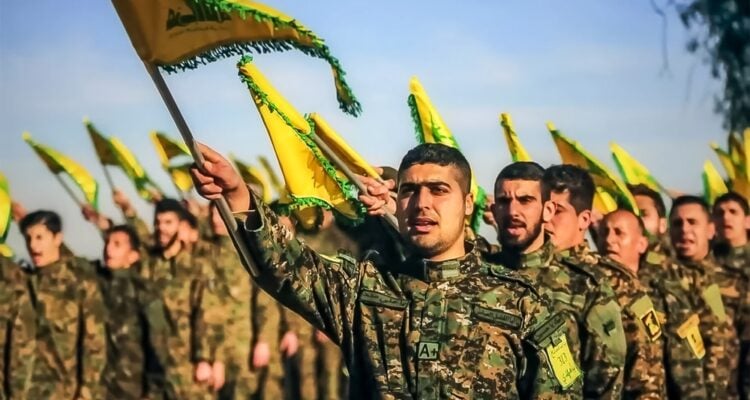
For years, Iran has pursued the infrastructure necessary to produce nuclear weapons while simultaneously developing increasingly sophisticated ballistic missile systems. These missiles are not hypothetical deterrents; they have already been launched against civilian populations in Israel and against American positions across the Middle East. Meanwhile, Iran’s leadership has constructed a sprawling network of proxy militias and terrorist organizations stretching from Lebanon to Gaza, Iraq, Syria, and Yemen. These groups function as extensions of Tehran’s revolutionary ideology, carrying out attacks designed to destabilize the region and weaken American influence.
No Israeli government could ignore such threats. The danger posed by Iran is not a matter of partisan politics in Israel; it is a matter of national survival. Iran’s leadership has repeatedly declared its intention to eliminate the Jewish state. It has invested billions of dollars in weapons systems and terrorist groups designed explicitly to make good on those threats.
Yet the notion that Israel manipulated the United States into confronting this menace ignores the fundamental reality that Iran’s aggression has been directed not only at Israel but at America and its allies as well.
The Islamic Republic has been in conflict with the United States since its revolutionary regime seized power in 1979. That revolution was followed by the hostage crisis in which American diplomats were held captive for 444 days, an event that marked the beginning of a decades-long campaign of hostility toward the United States. In the years that followed, Iranian-backed groups were responsible for some of the most devastating attacks on American personnel abroad.