























|
Getting your Trinity Audio player ready...
|
By: Carl Schwartzbaum
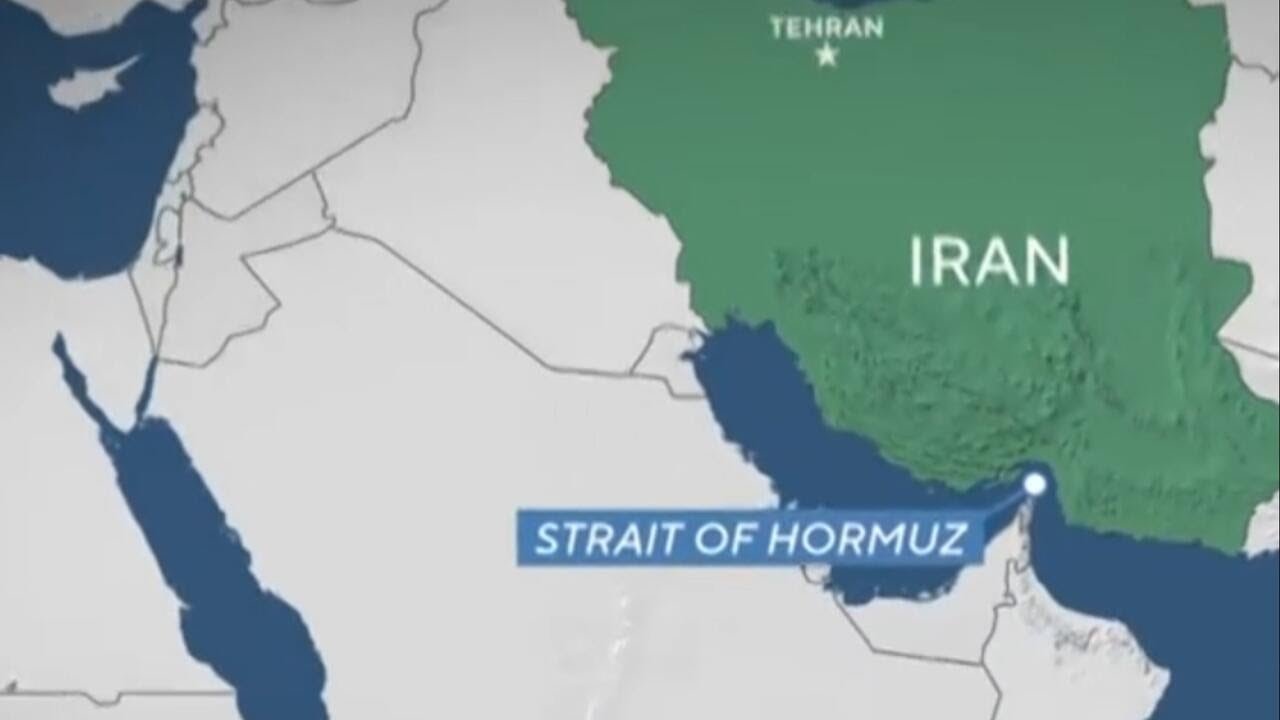
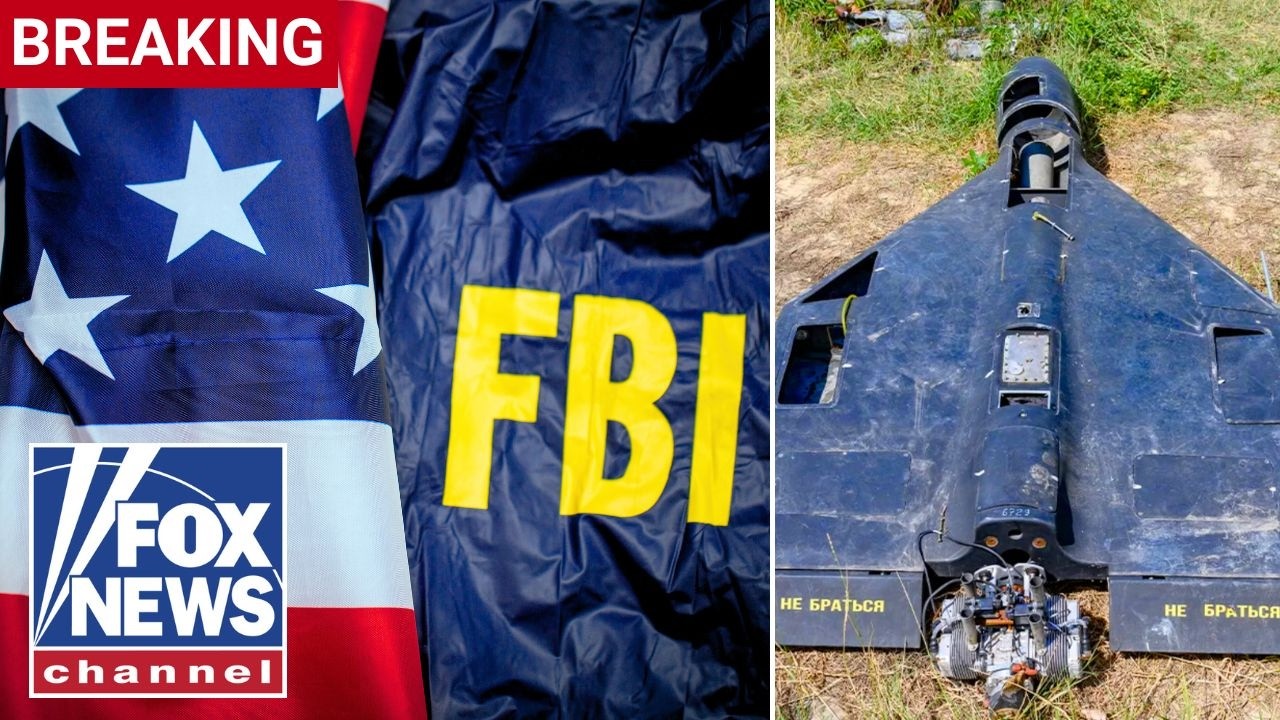
As tensions between the United States and Iran intensify amid a rapidly expanding conflict in the Middle East, American law enforcement agencies are grappling with the possibility that the confrontation could extend far beyond the battlefield. A recently disclosed intelligence alert has heightened concern that Iran may attempt to retaliate against U.S. military operations by launching drone attacks against targets along the American West Coast, potentially from vessels operating off the California shoreline.
The warning, issued by the Federal Bureau of Investigation and reviewed by ABC News, was distributed to law enforcement agencies across California in recent days. While the alert did not identify specific targets or timelines, its contents underscore the growing anxiety among federal and local authorities about the evolving capabilities of drone warfare and the potential vulnerability of the U.S. homeland.
According to the document cited by ABC News in a report on Wednesday, intelligence obtained earlier this year suggested that Iranian planners had at least explored the possibility of staging a surprise attack using unmanned aerial vehicles (UAVs) launched from a vessel positioned offshore.
“We recently acquired information that as of early February 2026, Iran allegedly aspired to conduct a surprise attack using unmanned aerial vehicles from an unidentified vessel off the coast of the United State Homeland, specifically against unspecified targets in California,” the FBI bulletin stated, according to the ABC News report.
The alert emphasized that the intelligence was preliminary and incomplete. “We have no additional information on the timing, method, target, or perpetrators of this alleged attack,” the notice continued.
Nevertheless, officials say even an uncorroborated threat of this nature warrants serious attention given the unprecedented strategic environment created by the ongoing war.
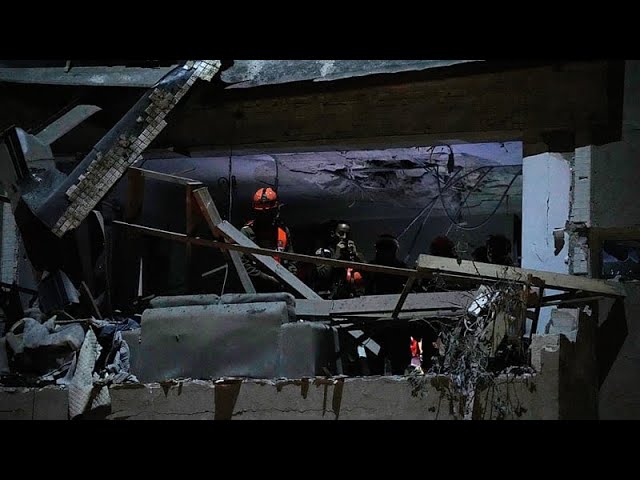
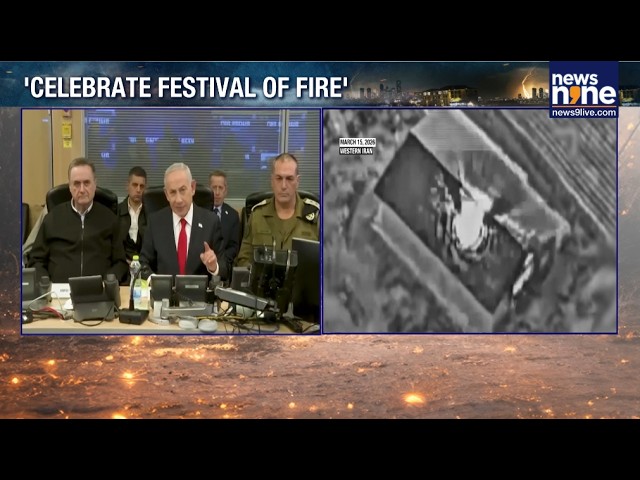
The FBI’s warning emerged just as the United States, in coordination with Israel, launched a sweeping military campaign against the Islamic Republic of Iran. The strikes targeted Iranian military infrastructure, including missile facilities and command centers, in what has become one of the most consequential confrontations between Washington and Tehran in decades.
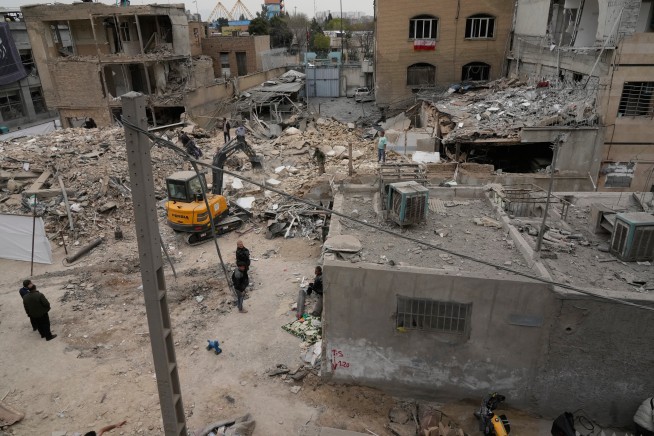
In response, Iran has launched a series of retaliatory drone and missile attacks across the Middle East, targeting both Israeli territory and locations associated with American military interests.
As ABC News has reported, these retaliatory strikes have demonstrated Iran’s increasing reliance on drone technology as a cornerstone of its asymmetric warfare strategy. Iranian drones—often relatively inexpensive yet capable of carrying explosives over long distances—have been deployed by Tehran and its regional proxies for years.
The possibility that such tactics could be used against the United States itself has long been a concern within intelligence circles. However, the idea of drones being launched from the Pacific Ocean toward American territory represents a particularly alarming scenario.
Despite the seriousness of the FBI alert, law enforcement officials caution that the intelligence remains speculative and lacks detailed corroboration.
A senior law enforcement official familiar with the matter told ABC News that the warning was issued out of an abundance of caution rather than in response to a confirmed operational plan. The official also suggested that the ongoing 12-day bombardment of Iranian military assets by U.S. and Israeli forces may have significantly degraded Tehran’s capacity to execute such an attack.
Nevertheless, intelligence agencies continue to monitor the situation closely.
A spokeswoman for the FBI’s Los Angeles field office declined to comment on the specifics of the alert when contacted by ABC News, while the White House also did not immediately respond to requests for clarification regarding the potential threat. Even without concrete evidence of an imminent attack, California law enforcement agencies have begun implementing precautionary measures.
Officials within Governor Gavin Newsom’s administration confirmed that state emergency management authorities are coordinating closely with federal and local agencies. “The Governor’s Office of Emergency Services is actively working with state, local and federal security officials to protect our communities,” a spokesperson told ABC News.
Similarly, the Los Angeles County Sheriff’s Department announced that it has elevated its security posture in response to global developments. “In light of current global events,” the department stated, it is maintaining an “elevated level of readiness.”
According to a statement provided to ABC News, authorities have increased patrols around locations that could potentially be considered symbolic or vulnerable targets. “Out of an abundance of caution, and in recognition of current religious observances, the Department has continued increased patrols around places of worship, cultural institutions, and other prominent locations throughout the County,” the department said.
Officials added that deployment plans have been reviewed and additional resources have been prepared should circumstances require a more robust response.
The FBI alert reflects a broader transformation in modern warfare: the rapid proliferation of unmanned aerial systems.
Drones have become a favored tool among both state and non-state actors because they are relatively inexpensive, difficult to detect, and capable of carrying significant payloads. According to analysts cited by ABC News, Iran has spent years developing an extensive drone program that now includes long-range models capable of striking targets hundreds of miles away. The Islamic Revolutionary Guard Corps has also transferred drone technology to allied groups across the Middle East, including Hezbollah and various terrorist organizations.
These developments have raised alarms among U.S. intelligence agencies concerned about the possibility that such systems could eventually be used against the American homeland.
Iran is not the only actor drawing scrutiny. In recent months, federal authorities have also been monitoring reports suggesting that Mexican drug cartels may be experimenting with drone-based attacks. A September 2025 intelligence bulletin reviewed by ABC News described an unverified report indicating that cartel leaders had authorized the potential use of explosive-carrying drones against U.S. personnel along the southern border.
“An uncorroborated report suggested that unidentified Mexican cartel leaders had authorized attacks using UAS carrying explosives against U.S. law enforcement and U.S. military personnel along the U.S.-Mexico border,” the bulletin stated.
Although analysts consider such an attack unlikely—given that cartels generally avoid actions that would provoke a large-scale U.S. response—the report nevertheless highlights how rapidly drone technology has spread beyond traditional military actors.
Security experts say the FBI’s decision to share the intelligence warning with state and local agencies reflects a broader effort to prepare for a new era of threats. John Cohen, an ABC News contributor and former acting undersecretary for intelligence at the Department of Homeland Security, emphasized that early information-sharing is crucial in countering emerging dangers.
“The FBI is smart for putting this warning out so that state and locals can be better able to prepare and respond to these types of threats,” Cohen told ABC News. He noted that Iran’s global network of alliances could complicate efforts to anticipate or prevent potential attacks. “We know Iran has an extensive presence in Mexico and South America,” Cohen said. “They have relationships, they have the drones, and now they have the incentive to conduct attacks.”
In Cohen’s view, the growing accessibility of drone technology has fundamentally altered the strategic landscape. “Information like this is critically important for law enforcement,” he said.
One of the most troubling aspects of the intelligence warning is the suggestion that attack equipment could be pre-positioned in advance, either on land or aboard maritime vessels. Intelligence officials have long warned that hostile actors might attempt to stage weapons or surveillance systems within proximity of the United States before launching an operation.
The concept is not entirely hypothetical. In recent years, law enforcement agencies have intercepted multiple attempts to smuggle sophisticated drone technology and related equipment across international borders. Although the FBI bulletin cited by ABC News did not identify any confirmed vessels carrying drones near California, analysts say the vastness of the Pacific Ocean makes maritime monitoring an immense challenge.
For now, authorities stress that there is no confirmed plot to attack California and no evidence that such an operation is imminent. Nevertheless, the alert serves as a reminder of the complex and evolving nature of modern security threats.
As geopolitical conflicts increasingly spill across borders and technologies once reserved for advanced militaries become widely available, law enforcement agencies must adapt quickly. The FBI’s decision to issue the warning reflects an understanding that preparation and vigilance remain the most effective defenses against emerging dangers.
As ABC News has emphasized in its coverage of the alert, the warning is less about predicting a specific attack than about ensuring that agencies remain prepared for scenarios that would once have seemed implausible.
In an era when a small drone launched from an anonymous vessel could potentially threaten major cities, such caution may prove not merely prudent—but essential.