














|
Getting your Trinity Audio player ready...
|
By: Fern Sidman
As Israel’s war against Iran intensifies, a second major battlefield is rapidly taking shape along its northern border. Senior Israeli military officials are now openly discussing the possibility of a broader ground invasion into Lebanon, signaling that the confrontation with Hezbollah could soon evolve into a full-scale campaign if rocket attacks against Israeli communities persist.
According to developments reported by World Israel News on Thursday, the Israeli Defense Forces (IDF) are carefully evaluating the strategic implications of expanding ground operations in southern Lebanon, even as the country continues to fight a complex and multifront war that includes ongoing strikes against Iranian military targets.
While no immediate decision has been made to launch a large-scale invasion, Israel’s political and military leadership have made clear that the option remains firmly on the table.
The growing tension reflects the increasingly volatile dynamics of the northern theater, where Hezbollah’s escalating rocket fire has placed Israeli cities under renewed threat and forced the military to reconsider the scope of its response.
IDF Chief of Staff Lt.-Gen. Eyal Zamir delivered one of the clearest signals yet about Israel’s shifting strategic priorities when he announced that Lebanon has effectively become a “co-equal primary front” alongside Iran in the current conflict.
The statement underscores how rapidly the northern border has transformed from a secondary concern into a central battlefield. For months, Israeli defense planners had focused primarily on confronting Iran’s nuclear program and military infrastructure. However, Hezbollah’s intensified attacks have forced Israel to devote increasing resources to defending its northern communities.
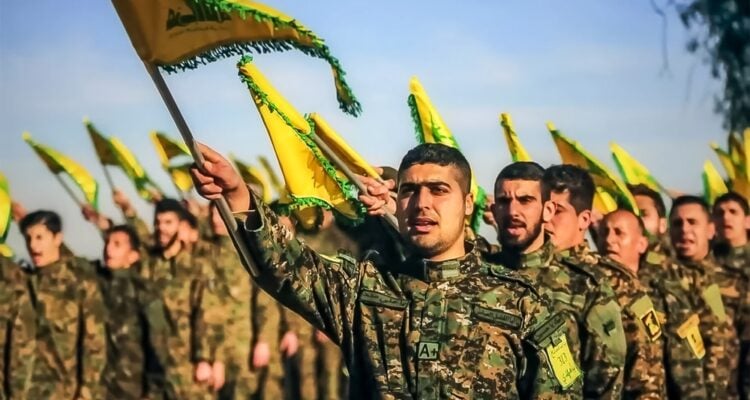
Zamir’s remarks suggest that the Israeli military now views the Hezbollah threat as inseparable from the broader confrontation with Tehran. Hezbollah, after all, is widely considered Iran’s most powerful proxy force, possessing a vast arsenal of rockets, missiles, and drones supplied by the Islamic Republic.
Despite the heightened rhetoric, senior Israeli military officials have indicated that a full-scale ground invasion of Lebanon is not imminent. Multiple IDF sources told reporters that the military currently prefers to avoid launching a large invasion while the war with Iran remains active.
According to reports cited by World Israel News, Israeli commanders believe opening a massive second ground campaign could stretch military resources and complicate ongoing operations against Iranian targets. Nevertheless, the possibility of an expanded ground offensive remains under serious consideration.
Military planners are reportedly studying various scenarios for a later stage of the conflict, particularly if Hezbollah continues to escalate its attacks.
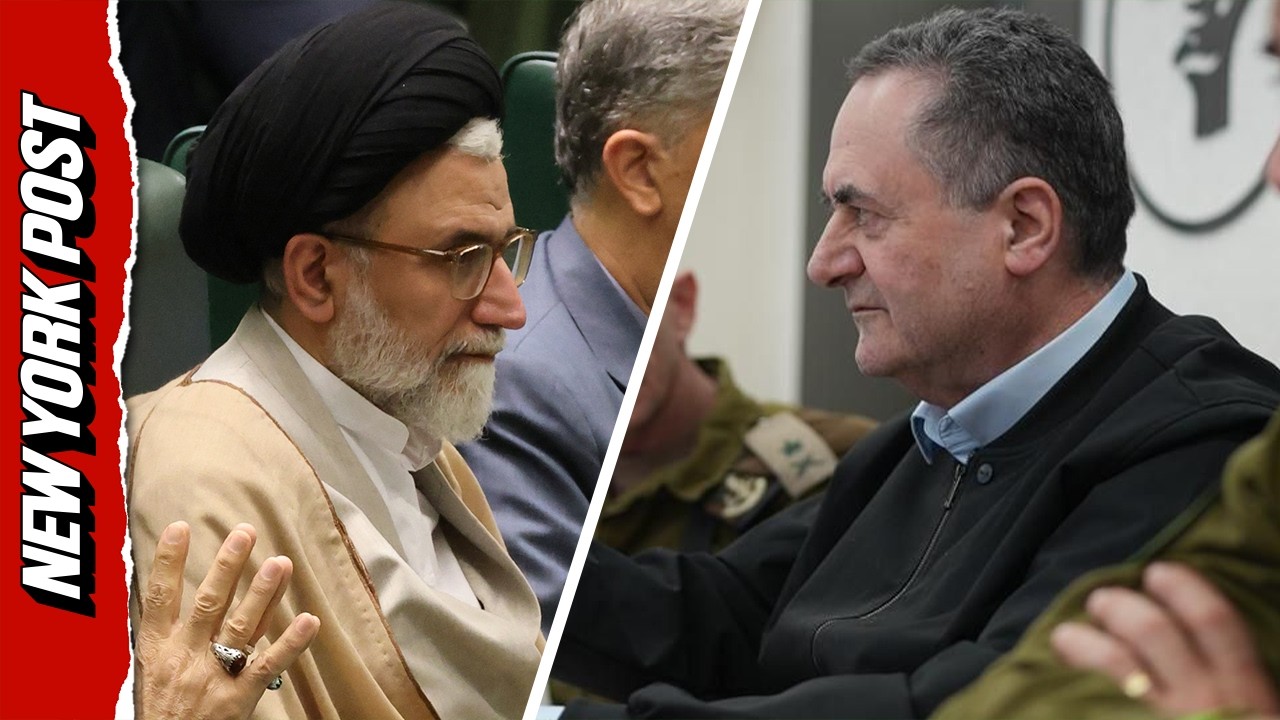
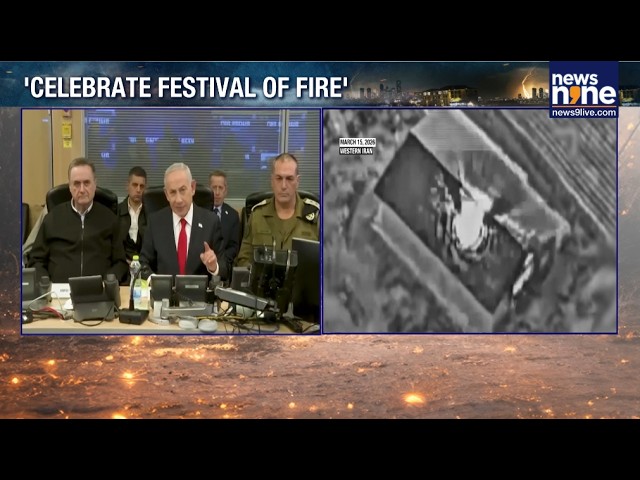
Even as military officials expressed caution, Israel’s political leadership struck a more forceful tone. Defense Minister Israel Katz issued a direct warning to Lebanon’s government, declaring that Israel could expand its operations if Hezbollah rocket fire continues.
Katz said he conveyed a message to Lebanese President Joseph Aoun on behalf of Israeli Prime Minister Benjamin Netanyahu, making it clear that Israel would not tolerate ongoing attacks on its territory. According to the World Israel News report, Katz warned that if the Lebanese military fails to restrain Hezbollah, Israel could launch a wider invasion into Lebanon to neutralize the threat.
The warning reflects Israel’s long-standing position that the Lebanese government bears responsibility for Hezbollah’s activities within its borders.
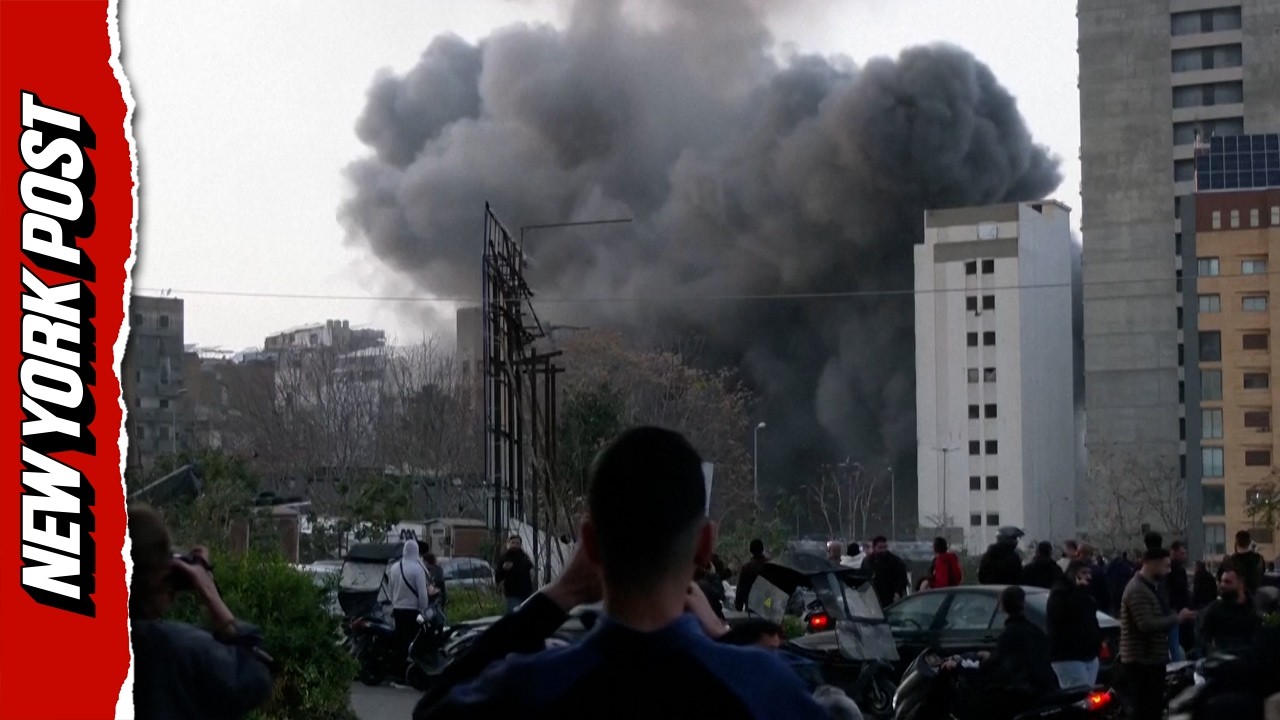
The latest escalation came after Hezbollah launched more than 200 rockets overnight Wednesday, marking one of the largest barrages since the current conflict began. The pace of fire was roughly double the rate seen earlier in the war, according to Israeli military officials.
Despite the scale of the attack, Israeli defenses performed effectively. The IDF reported that intelligence operations and preemptive strikes disrupted roughly two-thirds of the planned launches before they could occur. Israeli air-defense systems—including the Iron Dome and David’s Sling—also intercepted nearly all drone threats directed toward northern Israel, including Iranian drones launched from afar.
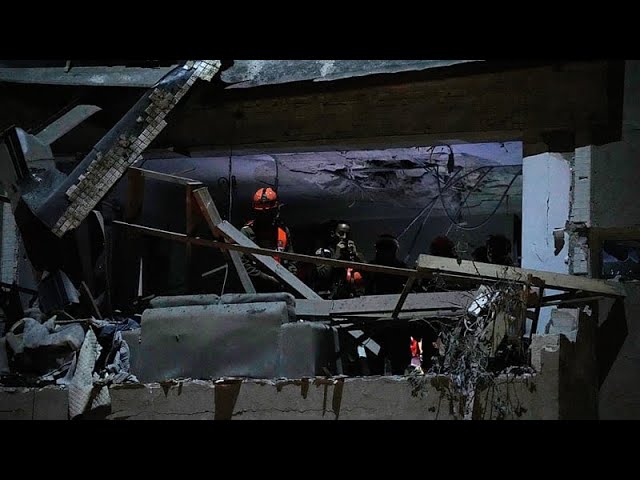
Still, some rockets penetrated Israel’s defensive systems, causing damage to infrastructure and injuries among civilians.
In response to the barrage, Israeli forces launched a wave of retaliatory strikes targeting Hezbollah launch sites. World Israel News reported that Israeli aircraft and artillery units destroyed approximately half of the rocket launchers used in the attack, although many had already fired before being neutralized. The Israeli military also reported that Hezbollah has moved many of its remaining launch systems north of the Litani River, placing them deeper inside Lebanese territory and making them more difficult to target.
This shift complicates Israel’s ability to neutralize the launchers using airpower alone. It is one of the reasons Israeli planners are considering the possibility of a deeper ground operation.
Despite Israel’s successes in degrading Hezbollah’s infrastructure, the militant organization still retains formidable capabilities. Reports cited by World Israel News indicate that Hezbollah currently possesses more than 1,000 long-range missiles capable of striking deep inside Israel. In addition, the group is believed to hold tens of thousands of shorter-range rockets, many of which can target northern Israeli communities.
The sheer size of Hezbollah’s arsenal presents a strategic dilemma for Israeli leaders. Even with sophisticated missile-defense systems, sustained rocket barrages could place enormous strain on Israel’s defenses and civilian population.
Although a full invasion has not been launched, Israeli forces have already moved into parts of southern Lebanon. According to military officials cited by World Israel News, four Israeli divisions are currently operating in the region, including the 36th and 91st Divisions, which have advanced deeper into Lebanese territory. These operations mark the first significant Israeli incursion into Lebanon since the signing of the November 2024 ceasefire agreement.
The current offensive began after Hezbollah intensified its attacks on Israeli towns using rockets and suicide drones.
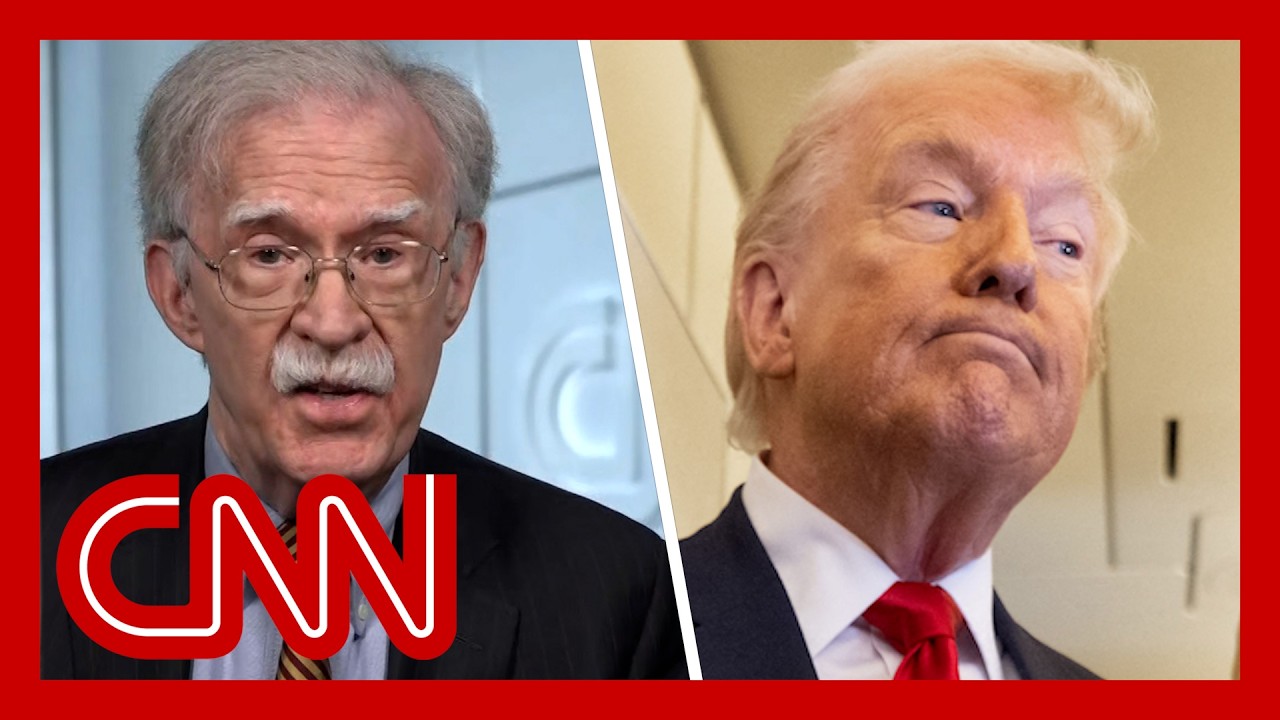
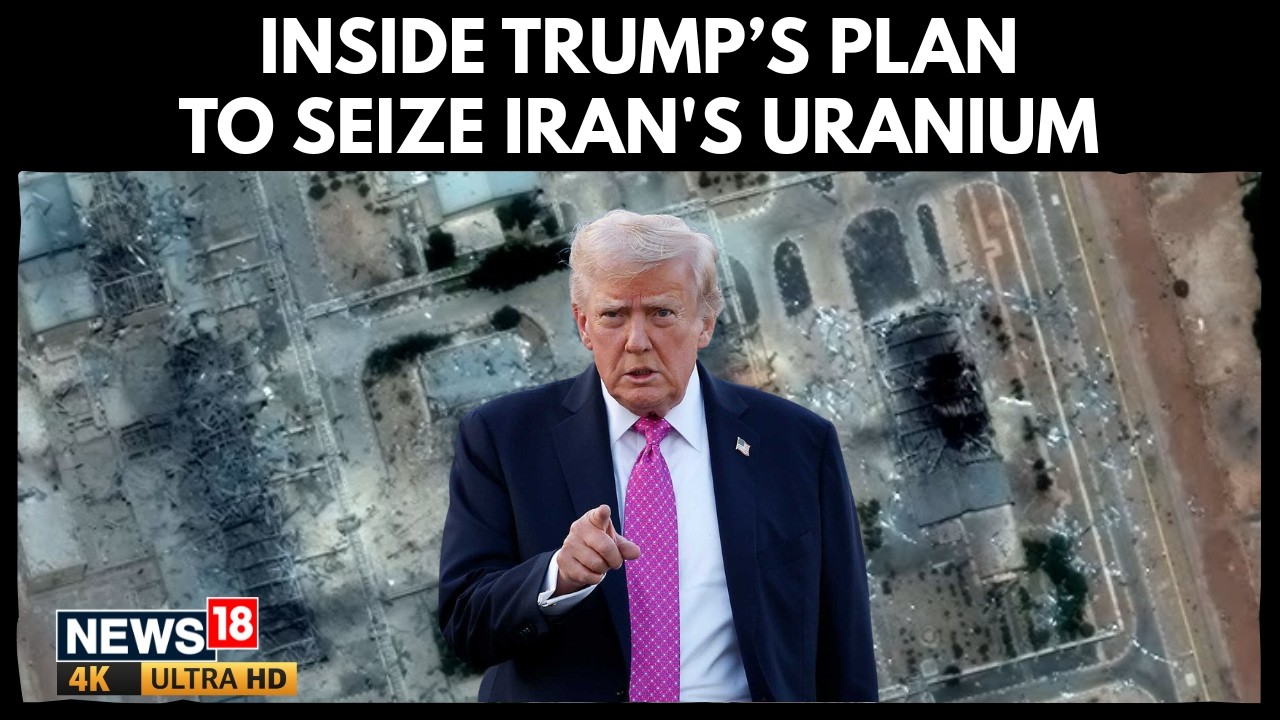
The geopolitical stakes of the conflict were underscored by statements from President Trump, who reportedly gave Israel his approval to carry out ground operations in southern Lebanon. According to reports cited by World Israel News, Trump signaled his support for the campaign during consultations with Israeli officials. Last week, Israeli forces began advancing along multiple fronts inside Lebanon.
Trump later reinforced his position during remarks to reporters. “Hezbollah must be removed from Lebanon,” the president said. “We love Lebanon, we love the Lebanese people. But Hezbollah has brought disaster for many years.” His comments reflect the U.S. administration’s view that Hezbollah’s continued military presence undermines Lebanon’s sovereignty and threatens regional stability.
The current escalation also highlights the collapse of the fragile ceasefire agreement reached in November 2024. Under the terms of that deal, Hezbollah was required to withdraw all armed forces from southern Lebanon and allow the Lebanese military to take control of territory south of the Litani River. The agreement also required Hezbollah to begin a process of disarmament.
However, Israeli officials have repeatedly accused Hezbollah of violating the ceasefire by maintaining armed positions and launching attacks against Israeli targets. According to the World Israel News report, the Trump administration had previously pressured Beirut to establish a concrete timeline for implementing the agreement. Washington even set a December 31 deadline last year for the Lebanese government to assert full control over the region.
Hezbollah has consistently rejected calls for disarmament. The Iranian-backed Shi’ite militia has vowed to resist what it describes as U.S.-backed attempts to weaken its military capabilities. As a result, the ceasefire agreement has effectively unraveled.
For Israel, the continued presence of heavily armed Hezbollah fighters along its northern border represents a serious strategic threat.
The unfolding confrontation illustrates the complexity of Israel’s current military campaign. The country is simultaneously confronting Iran, the primary strategic adversary, Hezbollah in Lebanon, Tehran’s most powerful proxy, and other Iranian-aligned forces operating across the region.
As World Israel News has reported, Israeli officials increasingly view these conflicts as interconnected elements of a broader struggle against Iran’s regional influence.
For now, Israel appears to be pursuing a strategy that combines limited ground incursions, airstrikes, and diplomatic pressure. However, the possibility of a much larger invasion of Lebanon remains a looming possibility.
Much will depend on whether Hezbollah continues to escalate its attacks—and whether the Lebanese government proves capable of restraining the terrorist group. As Israeli leaders weigh their next move, the northern front has emerged as one of the most dangerous flashpoints in an already volatile regional war.
And as the World Israel News report emphasized, the decisions made in the coming days could shape not only the future of Israel’s security but the stability of the entire Middle East.