











|
Getting your Trinity Audio player ready...
|
By: Yisroel David
In what senior officials describe as one of the most consequential military operations of the modern era, the United States has launched a sweeping campaign against Iran’s military infrastructure under the banner of Operation Epic Fury. The operation, directed by President Donald Trump, represents a decisive attempt to dismantle the Islamic Republic’s missile capabilities, neutralize its naval forces, cripple its terrorist proxy network, and permanently deny Tehran any pathway to nuclear weapons.
Since the campaign began, American officials across the national security establishment have repeatedly emphasized the clarity and consistency of its objectives. From the president himself to senior military commanders and cabinet officials, the message has remained strikingly uniform: the operation seeks not merely to punish Iran, but to fundamentally degrade its ability to threaten American interests and destabilize the broader Middle East.

The unfolding campaign reflects the culmination of years of escalating tensions between Washington and Tehran. Yet for supporters of the administration’s strategy, Operation Epic Fury represents more than a military response—it is a strategic doctrine rooted in deterrence, decisive action, and the belief that the Iranian regime’s capacity for aggression must be curtailed permanently.
From the outset, President Trump framed the operation in stark terms. In a March 2 address outlining the mission’s objectives, he articulated a strategy aimed at dismantling the pillars of Iran’s military power. “Our objectives are clear,” Trump said. “First, we’re destroying Iran’s missile capabilities and their capacity to produce brand new ones. Second, we’re annihilating their navy. Third, we’re ensuring that the world’s number one sponsor of terror can never obtain a nuclear weapon. And finally, we’re ensuring that the Iranian regime cannot continue to arm, fund, and direct terrorist armies outside of their borders.”
For the administration, those four objectives form the core of Operation Epic Fury’s strategic framework. Rather than focusing solely on symbolic retaliation or limited deterrence, the campaign aims to dismantle the infrastructure that enables Iran’s regional influence.
Vice President JD Vance echoed the president’s emphasis on preventing nuclear proliferation, describing it as the overriding objective of the campaign. “Whatever happens with the regime in one form or another is incidental to the President’s primary objective,” Vance said. “That objective is making sure the Iranian terrorist regime does not build a nuclear bomb.”

At the heart of Operation Epic Fury lies a sweeping effort to neutralize Iran’s extensive ballistic missile program. Over the past two decades, Tehran has invested heavily in developing one of the largest missile arsenals in the Middle East, including short- and medium-range systems capable of striking American bases and allied nations throughout the region.
Secretary of State Marco Rubio emphasized that eliminating this threat is central to the campaign. “The United States is conducting an operation to eliminate the threat of Iran’s short-range ballistic missiles and the threat posed by their navy,” Rubio said early in the campaign. “That is the clear objective of this mission.”
The missile program has long been a central component of Iran’s military strategy. Unlike conventional air forces that require decades of development, ballistic missiles provide Tehran with a comparatively affordable means of projecting power across the region.
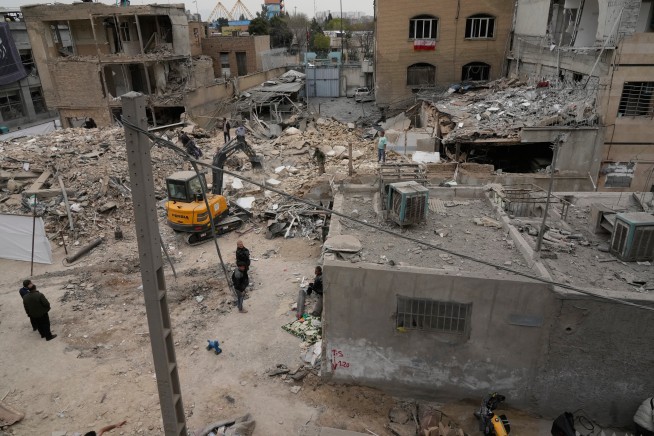
By targeting missile launchers, storage facilities, and manufacturing sites, the U.S. military aims not only to reduce Iran’s current capabilities but also to cripple its ability to rebuild them in the future.
Under Secretary of War for Policy Elbridge Colby described the effort as a comprehensive attempt to dismantle the regime’s ability to project military power. “The objectives of the military campaign are focused on addressing the ability of the Islamic Republic to project military power,” Colby said. “And that’s primarily the missile forces of the Islamic Republic, which had been growing substantially and posed a very serious threat.”
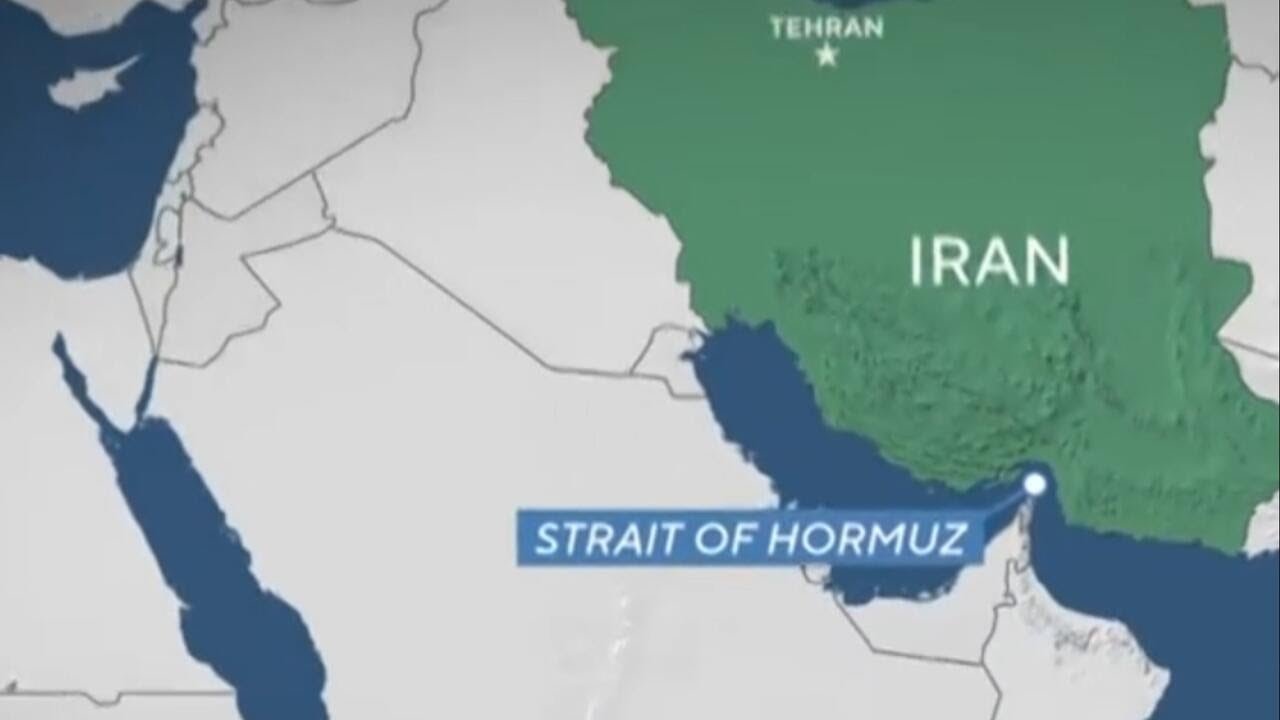
Another central component of Operation Epic Fury involves the destruction of Iran’s naval capabilities. While Iran’s navy may not rival the fleets of major powers, it has long relied on asymmetric tactics—including fast attack boats, naval mines, and missile-equipped vessels—to threaten shipping in the Persian Gulf. These tactics pose a particular danger to the Strait of Hormuz, through which a significant portion of the world’s oil supply passes.

Secretary of War Pete Hegseth outlined the administration’s determination to eliminate that threat. “The mission is laser-focused,” Hegseth said. “Obliterate Iran’s missiles and drones and facilities that produce them, annihilate its navy and critical security infrastructure, and sever their pathway to nuclear weapons.”
By dismantling Iran’s naval assets, American commanders aim to prevent Tehran from disrupting maritime trade or threatening U.S. forces stationed in the region.
According to Brad Cooper, the scale of Operation Epic Fury is unlike anything previously undertaken against the Iranian military. “Our military in the Middle East is undertaking an unprecedented operation to eliminate Iran’s ability to threaten Americans,” Cooper said.
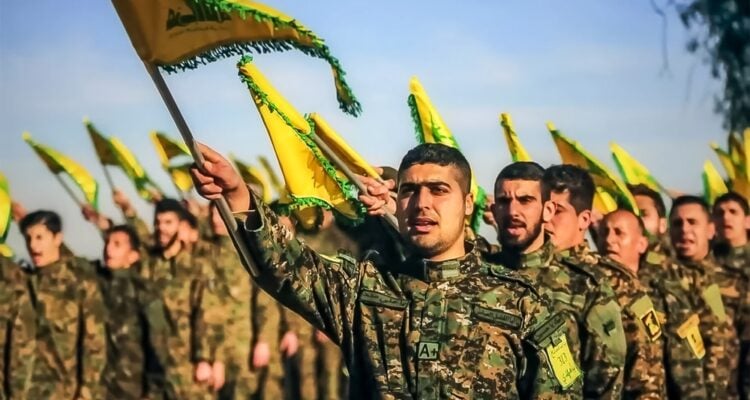
For nearly half a century, Iran has been accused by successive U.S. administrations of sponsoring militant groups across the Middle East, including Hezbollah, Hamas, and various militia networks operating in Iraq and Syria. American officials say dismantling Iran’s missile and naval capabilities will dramatically weaken the regime’s ability to support these proxy forces.
One of the most notable features of Operation Epic Fury has been the consistency of its messaging. Officials across the administration—from the Pentagon to the White House—have repeatedly emphasized the same strategic goals.
White House Press Secretary Karoline Leavitt summarized the operation’s objectives during multiple briefings. “At the beginning of Operation Epic Fury, President Trump laid out clear objectives,” Leavitt said. “Destroy the regime’s ballistic missiles, annihilate their navy, sever their terrorist proxy network, and ensure Iran can never obtain a nuclear weapon.”
Leavitt later indicated that the campaign was progressing toward those objectives. “We are well on our way to achieving those objectives,” she said, citing major strikes against Iranian military infrastructure.
Chairman of the Joint Chiefs of Staff Dan Caine described the campaign as a coordinated effort across multiple branches of the U.S. military. “The operation was launched with clear military objectives designed to dismantle Iran’s ability to project power outside its borders,” Caine said.
Those objectives include eliminating ballistic missile systems capable of threatening American forces, destroying Iran’s naval forces and maritime strike capabilities and preventing Tehran from rebuilding its military infrastructure. The joint force, Caine noted, remains focused on executing these objectives with precision and sustained pressure.
Beyond the immediate military objectives, Operation Epic Fury carries profound implications for the geopolitical balance of the Middle East. Iran has long positioned itself as a regional power through a combination of missile deterrence, proxy militias, and ideological influence. By targeting the physical infrastructure behind that strategy, the United States aims to alter the strategic calculus not only in Tehran but across the broader region.
Secretary Rubio emphasized that the operation is ultimately about protecting both American interests and global stability. “It is important to remind the American people why the greatest military in the history of the world is engaged in this operation,” Rubio said. “It is to destroy the ability of this regime to launch missiles, destroy the factories that make these missiles, and destroy their navy.”
As Operation Epic Fury continues to unfold, its long-term impact remains uncertain. Military campaigns of this scale inevitably carry significant risks, including the potential for escalation and unintended consequences.
Yet supporters of the administration’s approach argue that decisive action was necessary after decades of mounting tensions with Tehran.
For President Trump, the campaign represents a defining moment in his foreign policy legacy—one rooted in the conviction that deterrence must sometimes be enforced through overwhelming force.
Whether Operation Epic Fury ultimately reshapes the Middle East or merely marks another chapter in the region’s long history of conflict, one point remains unmistakably clear: the United States has embarked on a campaign designed not merely to confront Iran’s military power, but to dismantle it at its core.