















|
Getting your Trinity Audio player ready...
|
By: Fern Sidman
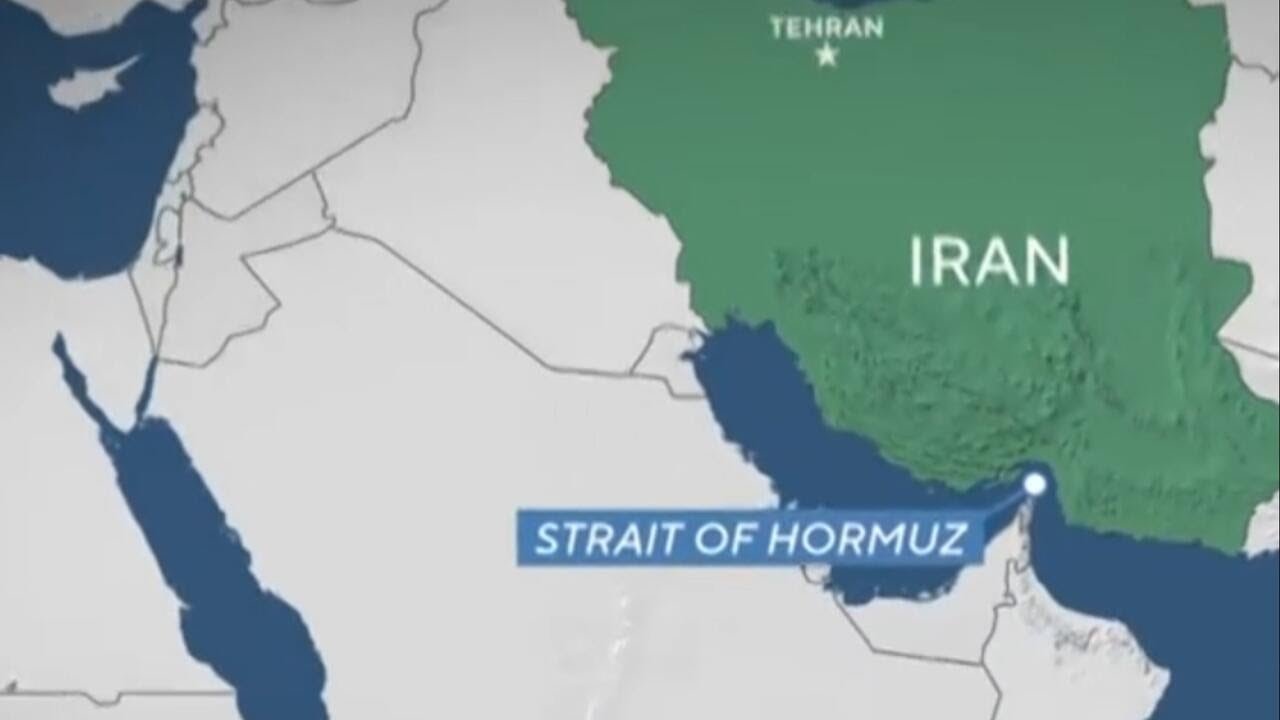
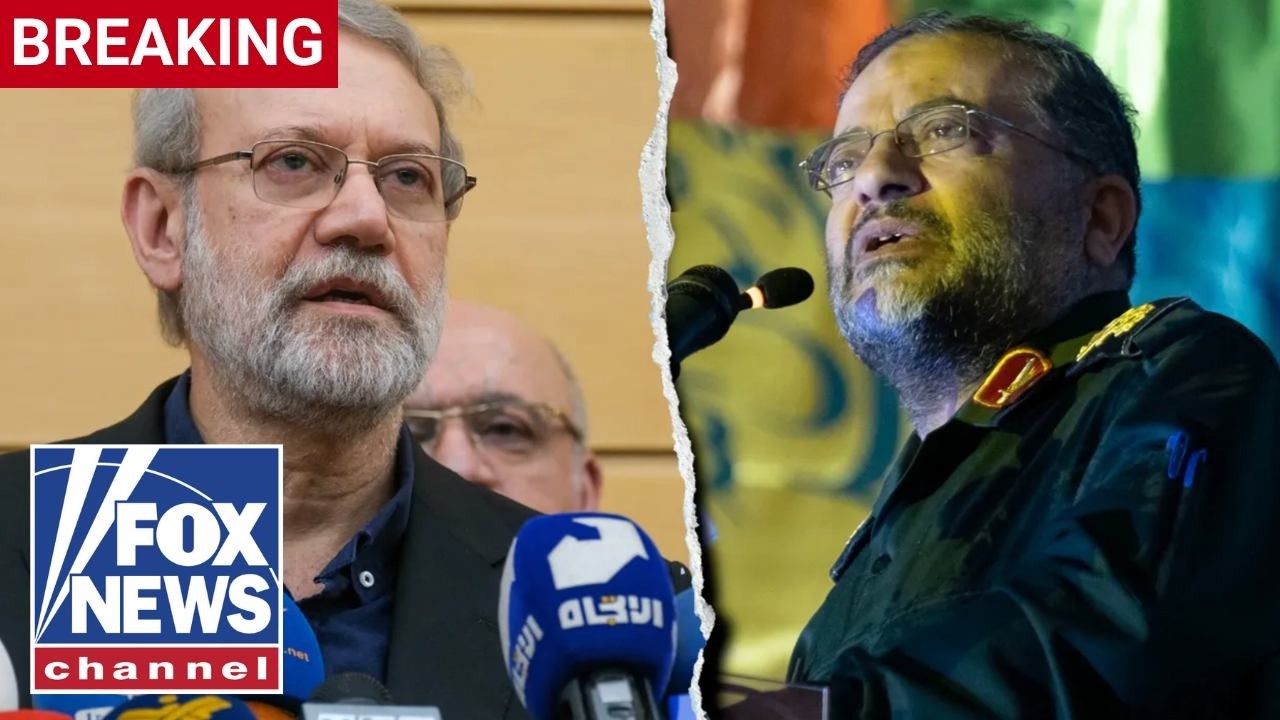
In a dramatic and highly coordinated series of strikes deep within the Iranian capital, new details have emerged surrounding the targeted killing of senior Iranian figures—including Ali Larijani and key commanders of the Basij militia—marking a significant escalation in the shadow conflict between Israel and Iran. The revelations paint a picture of a meticulously planned, intelligence-driven operation aimed at dismantling critical pillars of Iran’s internal security apparatus.
According to a report on Tuesday at Israel National News, the operation unfolded under the cover of darkness, beginning with a breakthrough in intelligence gathered by the Israeli Military Intelligence Directorate. Late-night surveillance and intercepted communications indicated that Ali Larijani—a prominent and influential Iranian political figure—was present in a residential apartment located in the center of Tehran.
The report details how the intelligence was not acted upon hastily but instead underwent rapid and rigorous verification. Israeli intelligence officials reportedly cross-checked multiple sources to confirm Larijani’s precise location. Only after this confirmation was secured did military planners authorize a targeted strike.
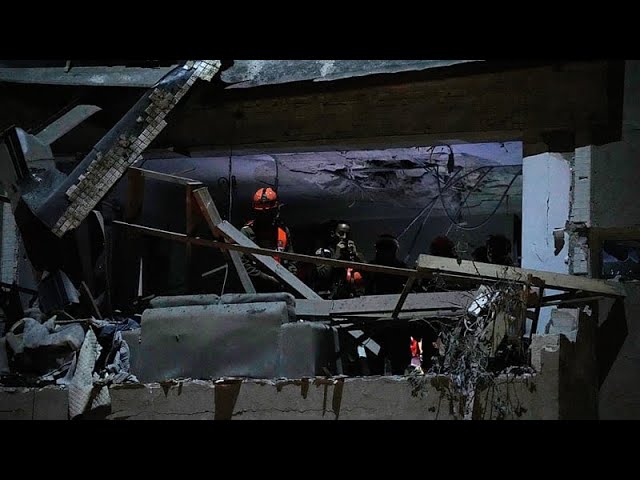
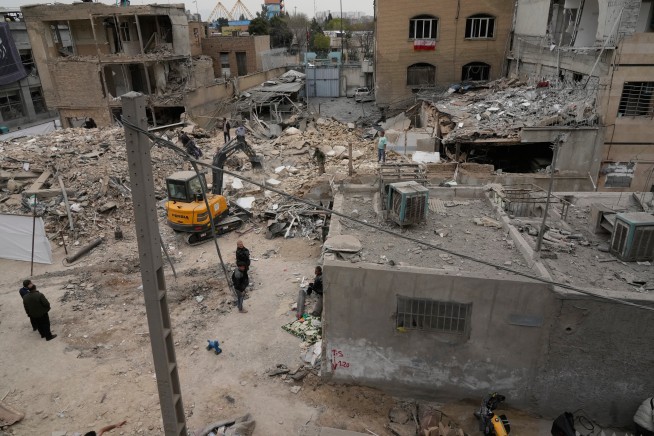
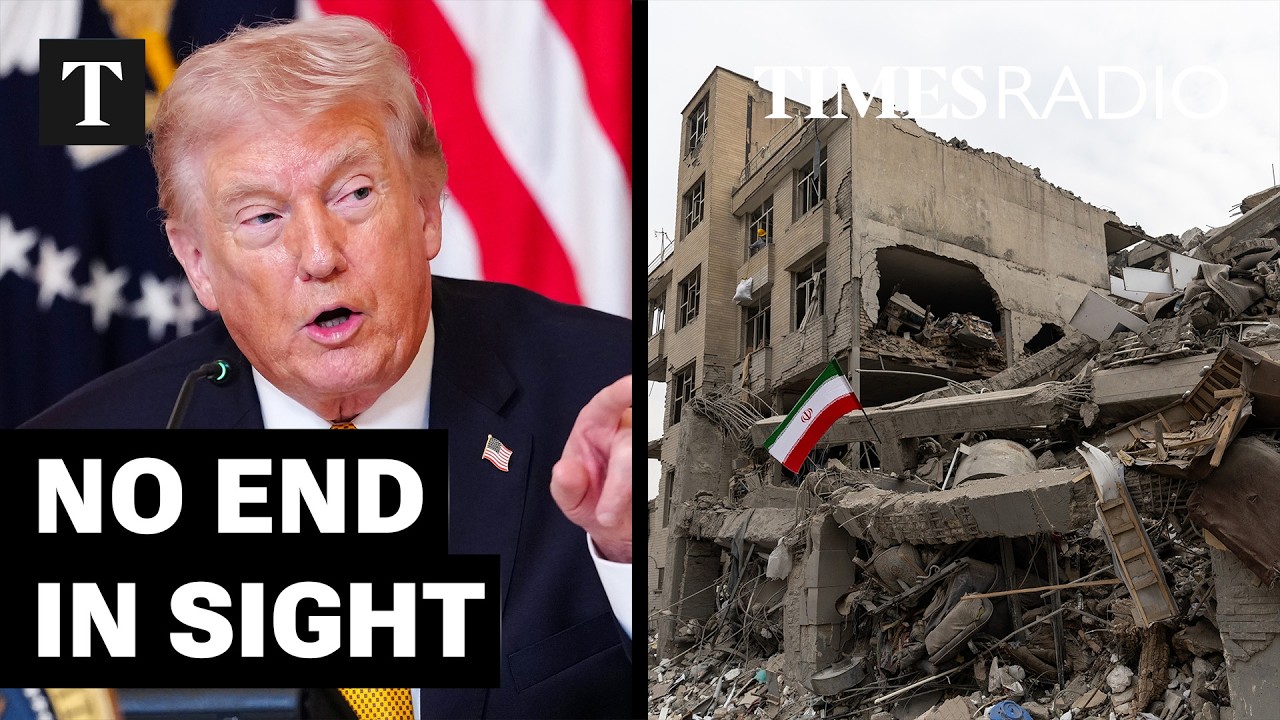
What followed was an overwhelming display of precision firepower. Approximately 20 munitions were deployed against the apartment building, resulting in its complete destruction. The strike, according to the Israel National News report, left no ambiguity: Larijani was killed instantly as the structure collapsed.
The scale and intensity of the attack suggest not only a determination to eliminate the target but also a calculated effort to ensure total operational success. Analysts cited by Israel National News emphasize that such extensive use of force in a densely populated urban environment underscores the perceived strategic importance of Larijani within Iran’s governing system.
Almost simultaneously, a second operation was launched in another district of central Tehran. There, senior leadership of the Basij—a paramilitary force affiliated with the Islamic Revolutionary Guard Corps (IRGC)—had gathered for a high-level meeting.
The Basij has long been regarded as one of the Iranian regime’s most important instruments of internal control, frequently deployed to suppress dissent and enforce state authority. According to the Israel National News report, Israeli intelligence identified that the Basij commander, his deputy, and at least ten senior officials had assembled in a temporary structure—a tent discreetly positioned between residential buildings.
The purpose of the meeting, as reported by Israel National News, was to coordinate ongoing and future operations aimed at maintaining internal order. This intelligence elevated the target’s significance, transforming it into a high-priority objective.
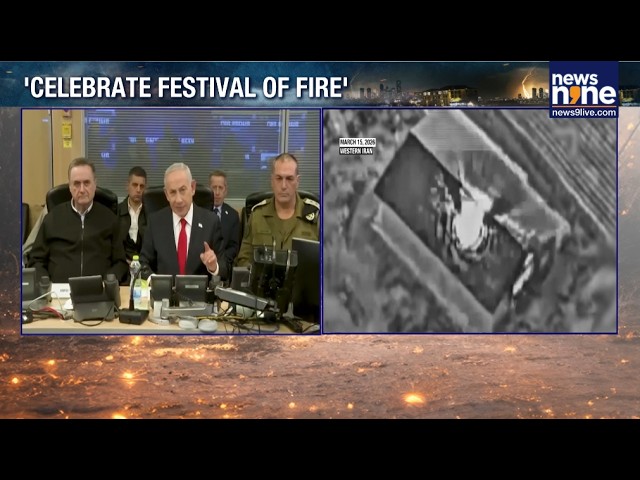
Moments before the missiles were launched, a critical decision-making process took place at the highest levels of Israel’s military leadership. A “dramatic consultation,” as described by Israel National News, occurred between the head of the Israeli Military Intelligence Directorate and the commander of the Israeli Air Force.
This consultation served as a final verification stage to ensure the accuracy of the intelligence and confirm that the individuals present were indeed senior leaders of the Basij. The stakes were extremely high, as any error could have resulted in unintended consequences.
Once confirmation was secured, the order was issued to proceed. The directive was clear: eliminate all senior figures present at the site.
The subsequent missile strike obliterated the meeting location, killing the Basij commander, his deputy, and the assembled officials. Israel National News reported that the operation effectively dismantled a significant portion of the organization’s leadership in a single, coordinated blow.
These operations were not isolated incidents but rather components of a broader and more ambitious campaign by the Israel Defense Forces (IDF). As emphasized repeatedly in coverage by Israel National News, the strikes are part of a comprehensive strategy aimed at weakening Iran’s governing and security infrastructure.
This campaign reportedly includes systematic attacks on command centers, logistical networks, and enforcement mechanisms used by the Iranian regime. Particular attention has been given to disrupting the Basij’s ability to establish roadblocks and control urban areas—tactics often used to maintain internal order.
By targeting both political figures and paramilitary leadership, Israel appears to be pursuing a dual objective: undermining Iran’s decision-making capabilities while simultaneously weakening its internal enforcement structures.
The implications of these developments are far-reaching. The elimination of figures such as Larijani and senior Basij commanders represents a major disruption to Iran’s internal hierarchy. At the same time, it raises concerns about potential escalation in an already volatile region.
Experts cited by Israel National News suggest that such high-profile operations within Tehran itself demonstrate an unprecedented level of intelligence penetration and operational reach. This could provoke a strong response from Iran, whether through regional proxies or direct action.
At the same time, the events highlight the growing importance of intelligence in modern warfare. The ability to locate, verify, and strike high-value targets within a major city reflects a sophisticated integration of surveillance, data analysis, and precision military capabilities.
While the longstanding conflict between Israel and Iran has often been characterized by covert actions and indirect confrontations, the events described by Israel National News may signal a turning point.
The scale, coordination, and boldness of the strikes suggest a shift toward more direct and decisive actions aimed at reshaping the strategic balance. Whether this represents the beginning of a sustained campaign or a singular escalation remains uncertain.
What is clear, however, is that the events in Tehran have altered the strategic landscape. As noted in the Israel National News report, the operation demonstrates that even the most central and heavily guarded locations are not beyond reach.
As the dust settles over the destroyed sites in Tehran, the consequences of these strikes are likely to extend far beyond the city itself. In a region already marked by tension, the boundary between covert conflict and open confrontation appears increasingly fragile.