











|
Getting your Trinity Audio player ready...
|
European Nations and Japan Join Forces to Keep Strait of Hormuz Open as Energy Prices Soar
By: Ariella Haviv
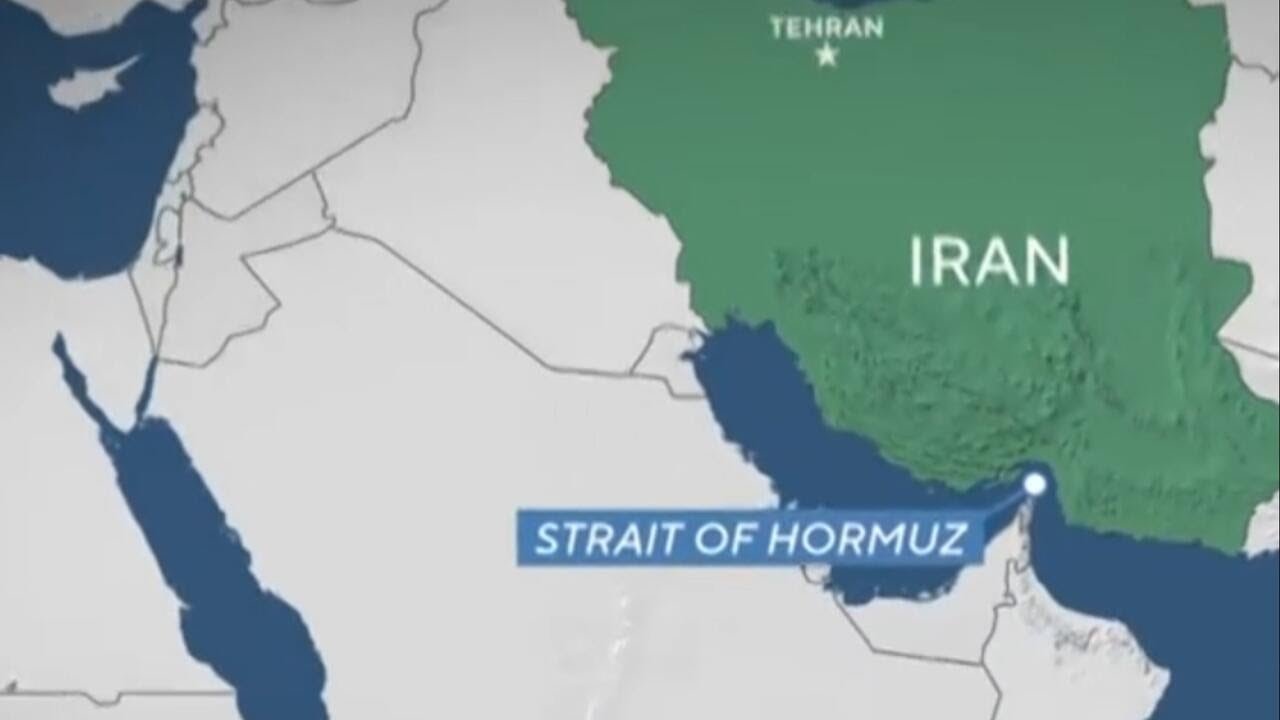
In a moment that may come to define the geopolitical and economic trajectory of the coming decade, a coalition of leading industrial powers has moved decisively to safeguard one of the world’s most critical maritime arteries. Leaders from Europe and Japan, acting with rare unanimity and urgency, announced a coordinated effort to secure the Strait of Hormuz—a narrow yet indispensable passage through which a significant portion of the world’s energy supply flows.
The initiative, as reported by TIME Magazine on Thursday, reflects mounting alarm over the cascading consequences of the ongoing conflict involving Iran. With global energy markets already destabilized and the specter of further escalation looming, the stakes could scarcely be higher.
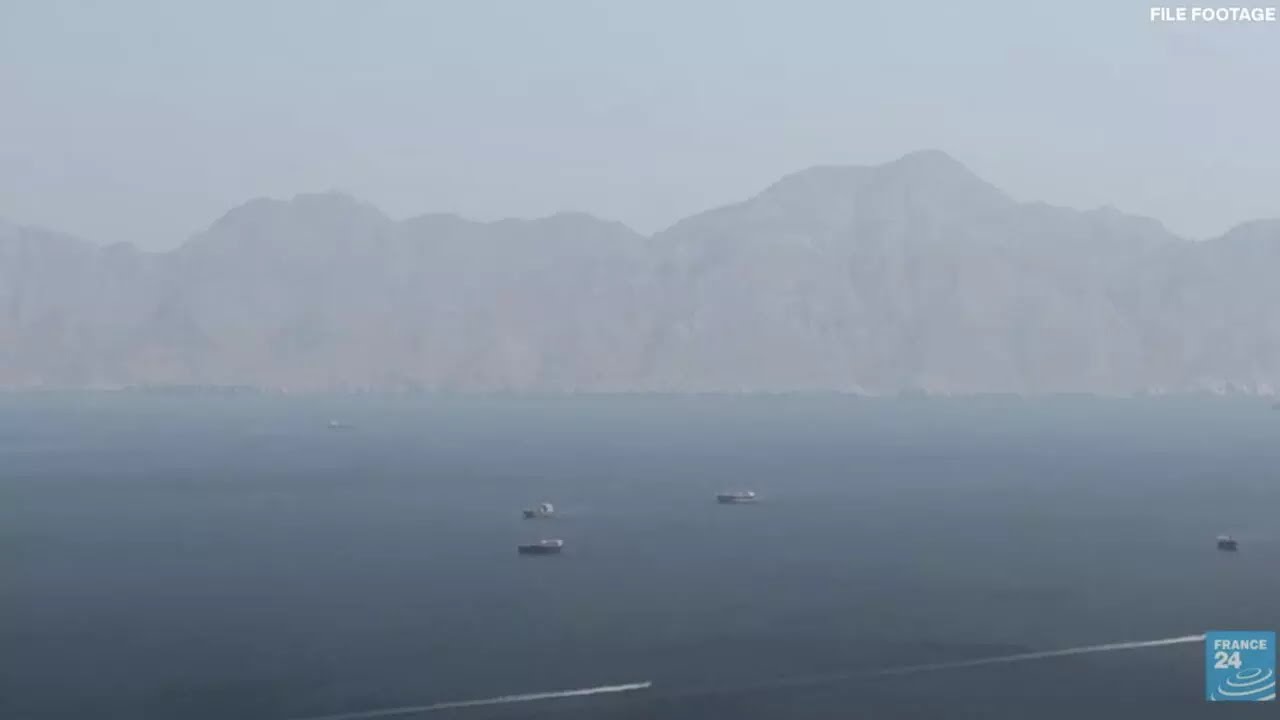
The Strait of Hormuz has long been regarded as one of the most strategically vital chokepoints in the global economy. Connecting the Persian Gulf to the open ocean, it facilitates the transit of roughly one-fifth of the world’s oil supply, along with vast quantities of liquefied natural gas. Any disruption to this narrow waterway reverberates instantly across international markets.
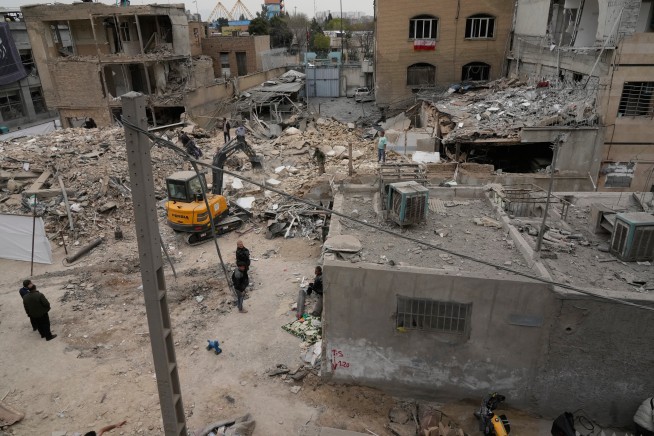
Recent events have transformed theoretical concerns into immediate realities. As noted in repeated coverage by TIME Magazine, Iran’s attacks on commercial vessels and energy infrastructure have significantly heightened the risk profile of maritime operations in the region. Insurance premiums have surged, shipping routes have been reconsidered, and energy prices have reacted with volatility.
European natural gas prices alone have risen by approximately 60 percent since the onset of the conflict, a staggering increase that underscores the vulnerability of global energy systems to geopolitical shocks.
In response to these developments, leaders from the United Kingdom, France, Germany, Italy, the Netherlands, and Japan issued a joint statement expressing their readiness to contribute to efforts aimed at ensuring the safe passage of vessels through the Strait of Hormuz.
Their declaration, highlighted prominently in reporting by TIME Magazine, emphasized the universal importance of maritime security and freedom of navigation. These principles, they argued, are not merely regional concerns but foundational elements of the global economic order.
The leaders condemned Iran’s actions in the strongest terms, citing attacks on both commercial shipping and critical energy infrastructure. They called for an immediate cessation of such activities and invoked United Nations Security Council Resolution 2817 as a legal and moral framework for international intervention.
The urgency of the coalition’s response is further amplified by the dramatic shifts occurring within global energy markets. The recent escalation in hostilities has triggered sharp increases in both oil and gas prices, reflecting fears of supply disruptions and long-term instability.
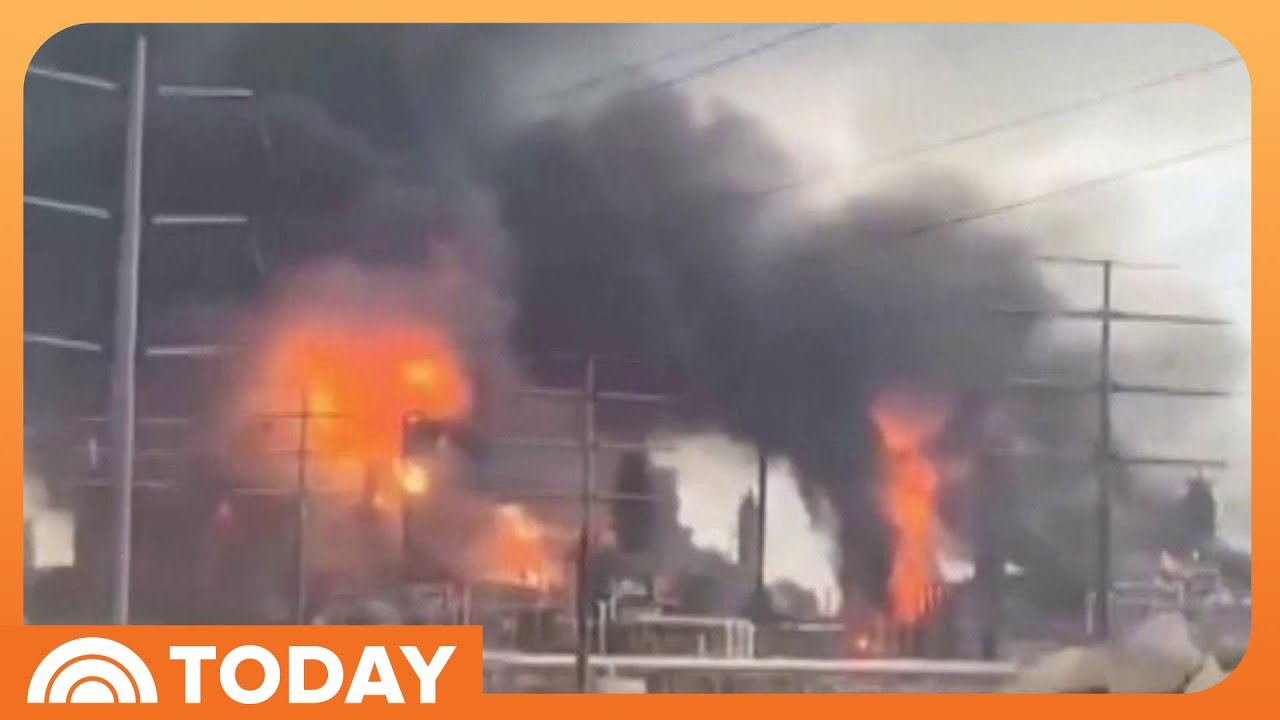
According to TIME Magazine, the situation reached a critical point following Iran’s retaliatory strike on Qatar’s liquefied natural gas facilities. The attack targeted Ras Laffan Industrial City, a cornerstone of global energy supply and a key hub for liquefied natural gas exports.
The damage inflicted on the facility has been described by officials as extensive, raising concerns about the persistence of supply chains that underpin heating, electricity generation, and industrial processes across multiple continents. Europe, in particular, faces significant exposure, given its reliance on imported natural gas.
The targeting of energy infrastructure marks a dangerous escalation in the conflict, expanding its scope beyond military objectives to encompass economic and civilian systems. Such actions not only disrupt supply but also heighten the risk of a broader regional conflagration.
President Trump, speaking in the wake of the attack, condemned Iran’s actions and issued a stark warning regarding potential consequences. He indicated that further targeting of critical energy infrastructure could provoke a forceful response, signaling the possibility of a significant escalation.
As TIME Magazine has observed, the interplay between military operations and economic pressure creates a volatile environment in which miscalculations could have far-reaching consequences.
In addition to military and diplomatic initiatives, the coalition of European and Japanese leaders has also taken steps to stabilize energy markets through coordinated economic measures. Central among these is the decision by the International Energy Agency to authorize a collective release of strategic petroleum reserves.
This move, widely reported by TIME Magazine, is intended to mitigate the immediate impact of supply disruptions and to signal to markets that governments are prepared to act decisively to maintain stability.
Furthermore, the coalition has pledged to work with energy-producing nations to increase output, thereby offsetting potential shortages. These efforts reflect a recognition that the current crisis is not solely a security issue but also an economic one, requiring a multifaceted response.
The coalition’s strategy extends beyond immediate security and economic concerns to include support for nations most affected by the crisis. Through collaboration with the United Nations and international financial institutions, the leaders have committed to providing assistance aimed at alleviating the broader consequences of the conflict.
Such measures are essential in addressing the ripple effects of energy price increases, which can disproportionately impact vulnerable populations and exacerbate existing inequalities.
Within Europe, the crisis has prompted intense deliberations regarding both immediate responses and long-term strategy. In Brussels, European Union leaders convened to discuss a range of options, including measures to protect shipping and stabilize energy supplies.
The European Council called for a moratorium on strikes against energy and water infrastructure, emphasizing the need for restraint and de-escalation. At the same time, it highlighted the importance of enhancing defensive capabilities, particularly in the areas of counter-drone and air defense systems.
Ukraine’s willingness to share expertise in these areas has been welcomed, illustrating the interconnected nature of contemporary security challenges. As TIME Magazine has noted, such collaboration underscores the growing importance of technological capabilities in modern conflict.
Despite the seriousness of the situation, European leaders have been careful to avoid direct military involvement in the conflict. Kaja Kallas, the European Commission’s high representative for foreign affairs, made clear that there is little appetite among member states for entering the war.
This cautious approach reflects both political realities and strategic considerations. While there is a strong desire to uphold international norms and protect economic interests, there is also a recognition of the risks associated with deeper military engagement.
Beyond the immediate crisis, the situation has also sparked a broader conversation about Europe’s energy future. António Costa, president of the European Council, has framed the current events as a catalyst for accelerating the transition toward greater energy independence.
“The best way to have a predictable and reliable horizon on our energy is to increase the home-grown production of energy,” he stated, emphasizing the importance of reducing reliance on external suppliers.
This perspective, echoed in analysis by TIME Magazine, suggests that the crisis may ultimately drive structural changes in energy policy, with long-term implications for both Europe and the global energy landscape.
The coordinated effort to secure the Strait of Hormuz represents a pivotal moment in the intersection of geopolitics, economics, and security. It reflects a growing recognition among global leaders that the stability of critical infrastructure is essential not only for regional security but for the functioning of the international system as a whole.
As detailed in ongoing coverage by TIME Magazine, the crisis has exposed the fragility of interconnected systems and the speed with which localized conflicts can escalate into global challenges.
Whether the measures undertaken by Europe, Japan, and their partners will succeed in stabilizing the situation remains uncertain. What is clear, however, is that the stakes are extraordinarily high, and the decisions made in the coming days and weeks will shape the trajectory of the crisis—and the broader contours of global stability—for years to come.