























|
Getting your Trinity Audio player ready...
|
By: Fern Sidman
The piercing wail of air raid sirens once again shattered the morning calm across central Israel on Tuesday, marking the second such alert within a span of mere hours and underscoring the intensifying tempo of Iranian missile attacks. As civilians scrambled toward shelters and emergency services mobilized with practiced urgency, the unfolding sequence of events illustrated both the persistence of the threat and the resilience of a society long accustomed to living under its shadow.
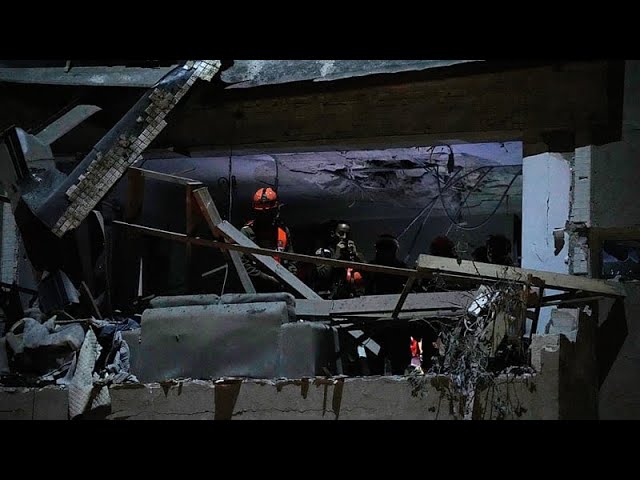
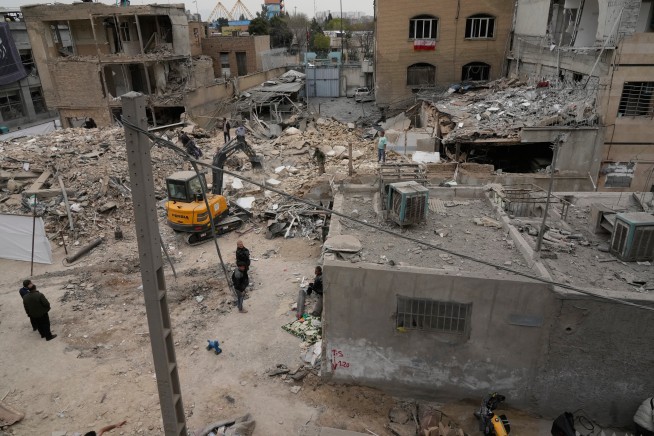
According to a report on Tuesday morning by Israel National News, the latest barrage was detected at approximately 7:30 a.m., when warning systems were activated throughout central regions, including the densely populated metropolitan area of Tel Aviv. Residents reported multiple impact sites—at least four in total—one of which involved a direct strike on a building, resulting in visible structural damage. Several vehicles in the vicinity were also affected, bearing the unmistakable scars of blast pressure and flying debris.
Emergency responders arrived swiftly at the impacted locations, assessing damage and ensuring that no casualties were left unattended. While initial reports did not indicate fatalities, the psychological toll of such attacks—compounded by their frequency—remains significant. Israel National News has repeatedly highlighted the cumulative strain on civilian populations, who must navigate the dual realities of routine life and sudden, life-threatening disruption.
The morning’s events followed closely on the heels of a series of overnight incidents, forming part of what appears to be a sustained campaign of missile launches from Iranian territory. Shortly after midnight on Monday, sirens reverberated across broad swaths of northern Israel, signaling the approach of a cluster missile aimed at the region. The weapon struck a two-story residential structure in Nesher, inflicting material damage but, notably, no loss of life.
That outcome owed much to the preparedness of the building’s occupants, who had sought refuge in a protected space at the time of impact. Their survival stands as a testament to the effectiveness of Israel’s civil defense protocols—systems that have been refined over decades of conflict and are frequently cited in analyses by Israel National News as critical components of national resilience.
Medical response teams from Magen David Adom were dispatched promptly to multiple sites in Nesher and nearby Haifa. According to the report at Israel National News, paramedics treated a man in his thirties who sustained minor injuries after stepping on shrapnel, as well as several individuals experiencing acute anxiety. Such cases, while less visible than physical trauma, underscore the broader human cost of sustained missile threats, which extend beyond immediate casualties to encompass long-term psychological effects.
The pattern of attacks did not abate as the day progressed. Sirens were subsequently activated in a wide array of regions, including the Shfela, the Jerusalem corridor, the Negev, the Lachish area, and communities bordering the Gaza envelope. Each activation represented another moment of collective tension, as residents paused their daily routines to seek shelter and await further information.
In many of these instances, the incoming projectiles were successfully intercepted by Israel’s air defense systems or fell in open areas, minimizing damage and preventing injuries. Israel National News has reported on the performance of these defensive measures, noting both their technological sophistication and their critical role in mitigating the impact of such attacks. Nevertheless, even successful interceptions can produce hazardous debris, as evidenced by secondary incidents reported in Rosh HaAyin and Netanya.
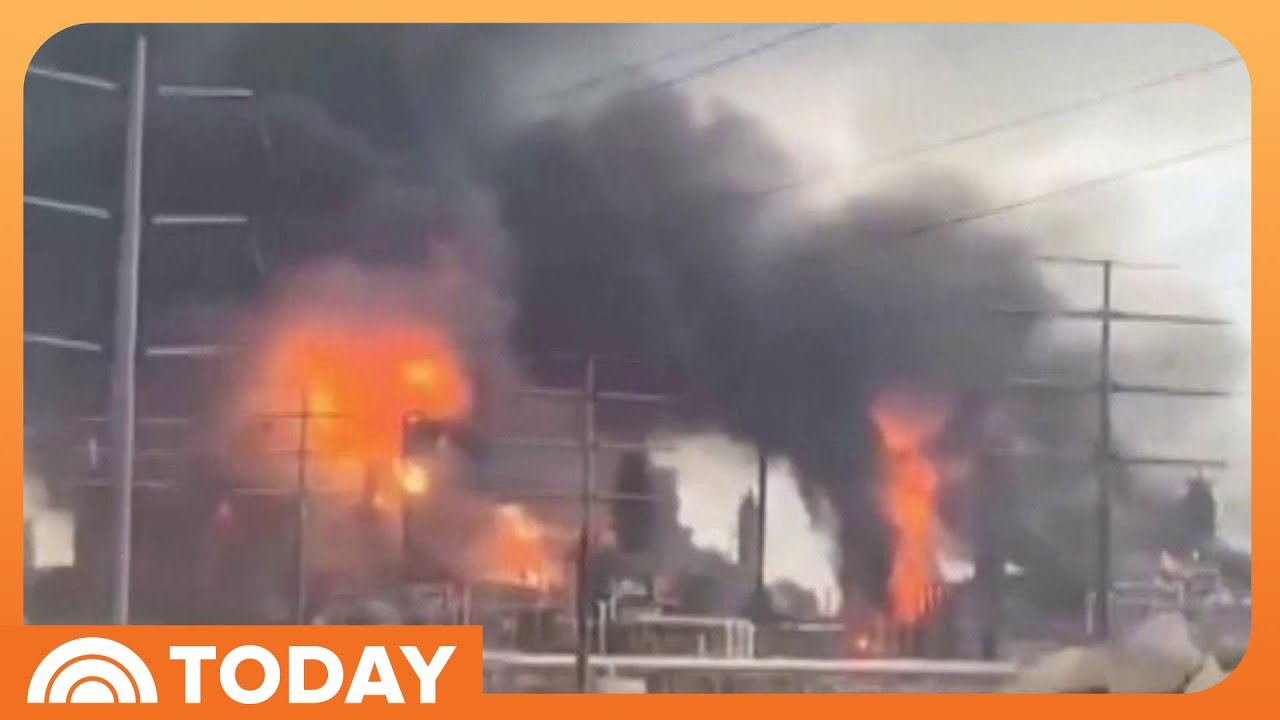
In those cities, falling fragments from intercepted missiles ignited fires that required immediate intervention by firefighting crews. The rapid containment of these blazes prevented further escalation, yet the incidents serve as a reminder that the consequences of missile defense are not entirely without risk. Israel National News has frequently drawn attention to this paradox: that even effective protection can carry residual dangers for those on the ground.
The geographic breadth of the alerts—spanning central, northern, and southern Israel—reflects a deliberate effort to stretch defensive resources and maintain a constant state of alertness among the population. Sirens were heard again later in both central and northern regions as additional launches were detected, though these, too, resulted in no reported injuries or significant damage. The cumulative effect, however, is one of sustained pressure, both operational and psychological.
Earlier, on Monday evening, a similar episode unfolded in the southern city of Eilat and its surrounding areas, where sirens were activated following yet another round of missile launches. As with several subsequent incidents, no injuries or material damage were reported, but the event contributed to the broader pattern of near-continuous alerts that has defined recent days.
Israel National News has emphasized that the frequency and distribution of these attacks suggest a calculated strategy aimed not only at inflicting physical damage but also at eroding a sense of normalcy across the country. By targeting multiple regions in rapid succession, the attackers compel a nationwide response, effectively transforming the entire country into a potential front line.
In response, Israeli authorities have maintained a high level of readiness, coordinating efforts across military, medical, and civil defense agencies. Public communication has also been a central component of the response, with officials urging citizens to remain vigilant and adhere strictly to safety guidelines. The consistent dissemination of information—often relayed and analyzed by Israel National News—has been instrumental in ensuring that the public remains informed and prepared.
Yet the broader implications of these developments extend beyond immediate tactical considerations. The escalation of missile activity raises pressing questions about regional stability, deterrence, and the potential for further intensification. Analysts cited by Israel National News have noted that the current pattern of attacks may represent a shift toward more sustained and geographically expansive engagements, with implications for both military planning and diplomatic efforts.
For the residents of Israel, however, the immediate reality is defined less by strategic analysis than by the visceral experience of sirens, shelters, and uncertainty. Each alert is a reminder of the fragile boundary between normalcy and crisis—a boundary that has grown increasingly tenuous in recent days.
As the situation continues to evolve, one constant remains: the resilience of a population that, despite repeated disruptions and ever-present danger, continues to endure. Israel National News captured both the gravity of the threat and the determination of those who face it. In doing so, it offers not only a chronicle of events but also a portrait of a society navigating the complexities of modern conflict with resolve and vigilance.