









|
Getting your Trinity Audio player ready...
|
By: Arthur Popowitz
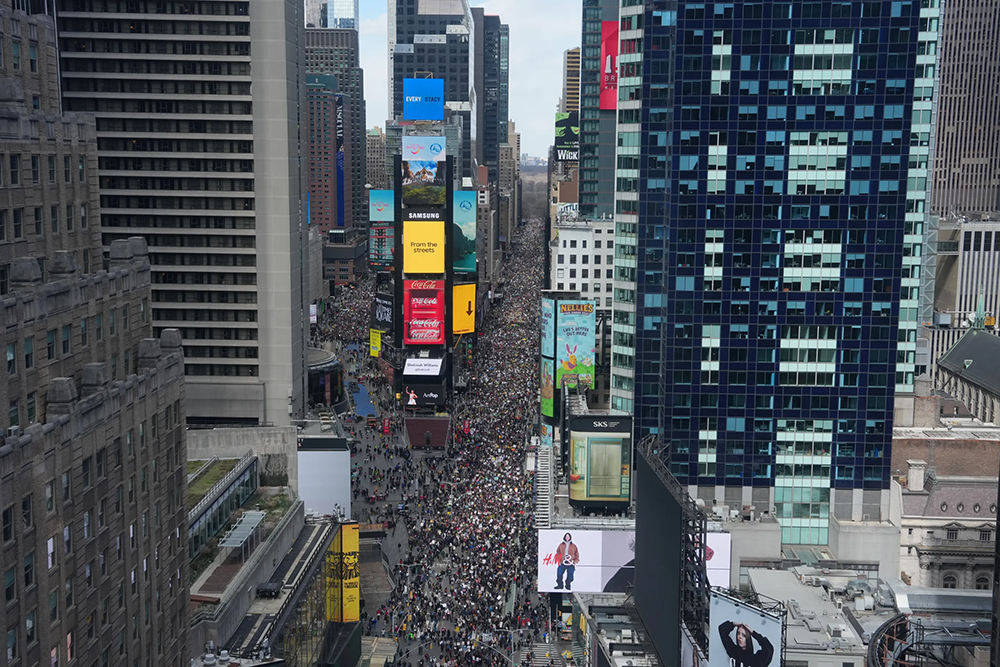
A vast and vociferous tide of demonstrators surged through the streets of Manhattan this past Saturday, transforming some of the city’s most iconic thoroughfares into a theater of political dissent. What unfolded was not merely a localized protest, but part of a sweeping national mobilization under the banner of the so-called “No Kings” movement—an umbrella campaign that, according to a report on Saturday by The New York Post, encompassed more than 3,000 coordinated demonstrations across the United States.
From Columbus Circle to the southern reaches of Central Park and down the length of Seventh Avenue, tens of thousands of participants converged in a display of collective agitation directed squarely at President Donald Trump and the policies of his administration. The protest, characterized by a mixture of theatrical fervor and ideological conviction, illuminated both the scale of organized opposition and the increasingly polarized tenor of American political life.
By mid-morning, Manhattan had assumed the unmistakable cadence of organized dissent. Drums reverberated through the avenues, chants echoed against the facades of skyscrapers, and a sea of placards conveyed a spectrum of grievances. Participants carried hand-lettered signs bearing slogans that ranged from impassioned critiques of government authority to stark warnings about the perceived trajectory of the nation.
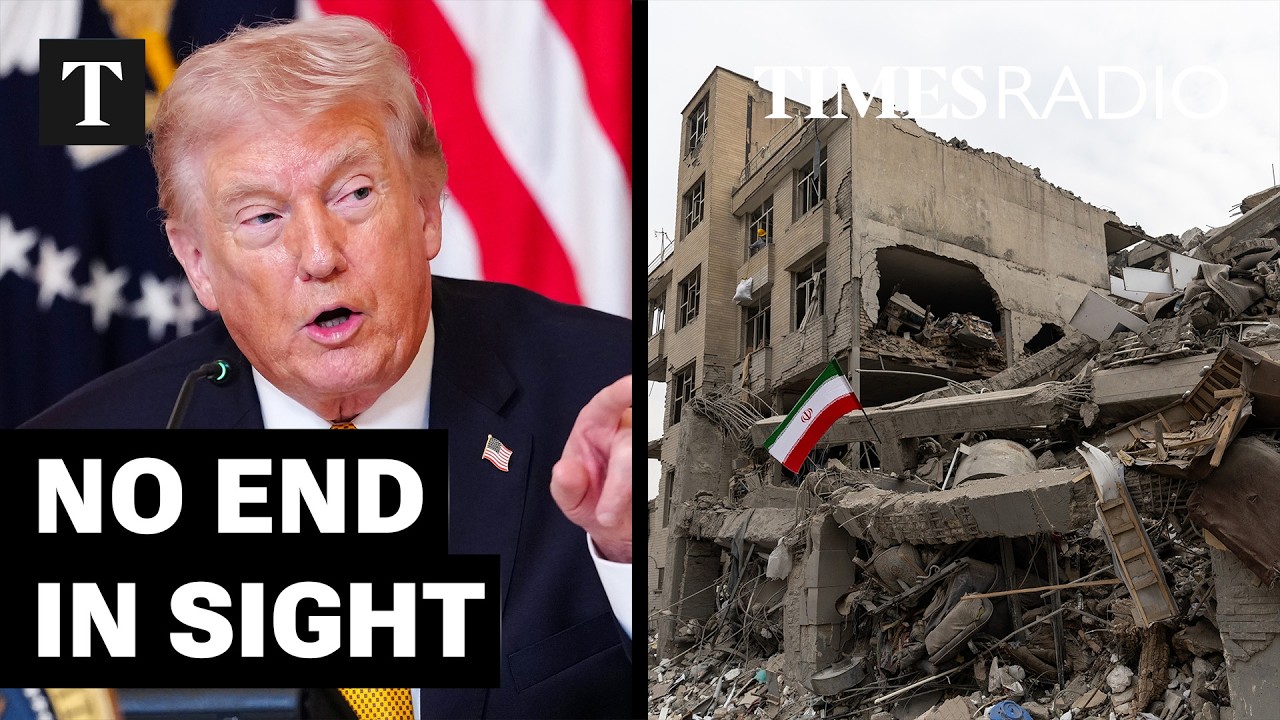
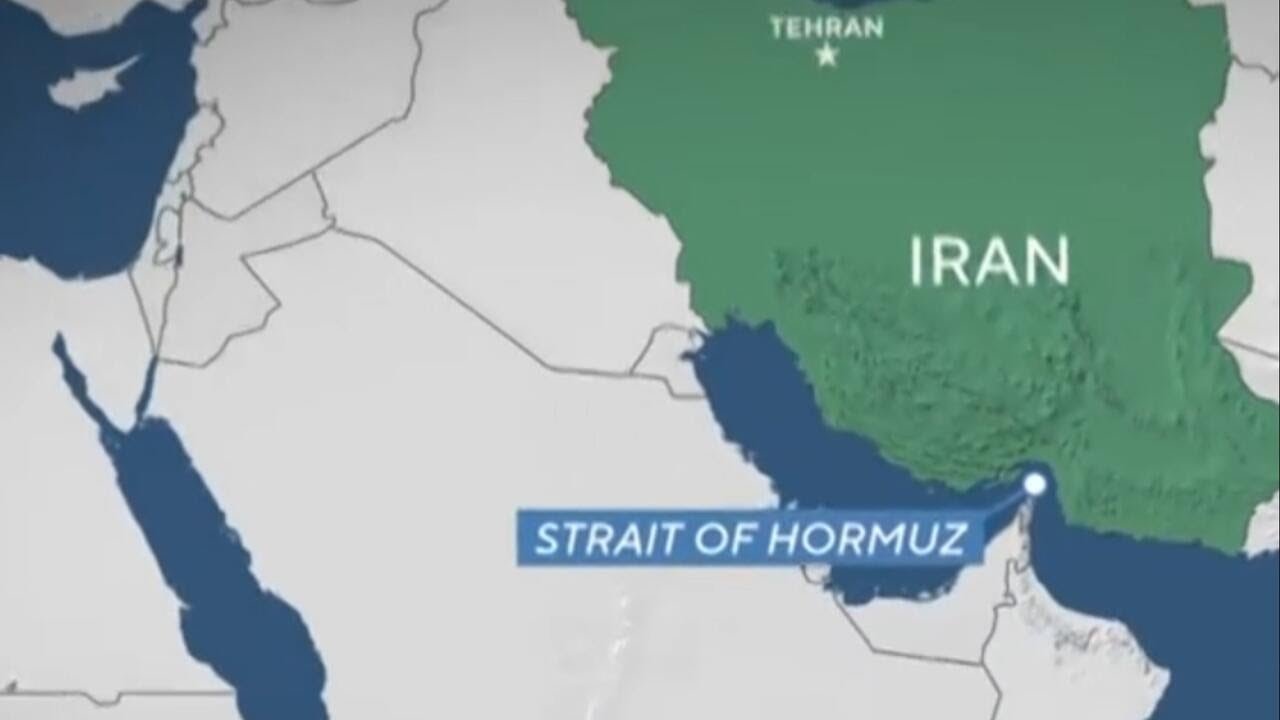
As documented by The New York Post, the demonstrators’ messages coalesced around several central themes: opposition to the administration’s military campaign in Iran—dubbed “Operation Epic Fury”—resistance to immigration enforcement measures, and alarm over proposed reductions in Medicaid funding and public education resources.
Chants such as “No ICE! No Kings! No War!” punctuated the march, serving as both rallying cries and encapsulations of broader ideological positions. For many participants, the protest represented not merely a reaction to specific policies, but a broader repudiation of what they perceive as an encroachment on democratic norms.
“It’s no King’s Day,” remarked one attendee, a retiree who framed his participation as both a civic duty and a seasonal opportunity. His comment, while casual in tone, reflected a deeper sentiment shared by many in attendance: the belief that public demonstration remains an essential instrument of democratic expression.
While the Manhattan march commanded considerable attention, it was but one node in a vast and meticulously organized network of demonstrations. According to The New York Post report, the “No Kings” movement orchestrated events in cities spanning the breadth of the nation, from Washington, D.C., to Los Angeles, San Francisco, and St. Paul, Minnesota.
The latter city reportedly hosted the flagship rally, with organizers claiming attendance figures exceeding 200,000 individuals. Such numbers, while difficult to independently verify, underscore the scale of mobilization achieved by the movement and its affiliated organizations.
Central to this expansive effort is a coalition of approximately 500 groups, whose combined financial resources are estimated to approach $3 billion. This network includes a diverse array of advocacy organizations, activist collectives, and political entities.
Among the leading coordinators is Indivisible, a national advocacy organization known for its alignment with progressive causes and its financial backing from prominent figures such as billionaire philanthropist George Soros.