
















|
Getting your Trinity Audio player ready...
|
The attack on Temple Israel in West Bloomfield, Michigan, on March 12, 2026 should have been reported with moral clarity. A man drove a vehicle into a synagogue—one of the largest Reform congregations in the United States—and opened fire. The target was unmistakable: a Jewish house of worship filled with civilians, including children and educators.
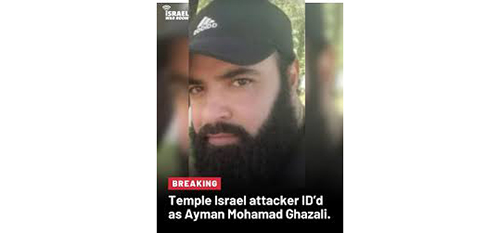
Yet the coverage offered by The New York Times was striking not for the gravity with which it condemned the crime, but for the narrative contortions that followed. Instead of focusing squarely on the antisemitic nature of the attack, the newspaper chose to foreground the personal grievances of the perpetrator, Ayman Mohamad Ghazali—a 41-year-old naturalized American citizen originally from Lebanon—presenting a portrait that, intentionally or not, risked transforming a terrorist into a tragic figure.
In doing so, the newspaper did not merely report a story. It constructed a framework that subtly shifted responsibility away from the attacker and toward Israel.
That framing deserves not only criticism, but deep moral scrutiny.
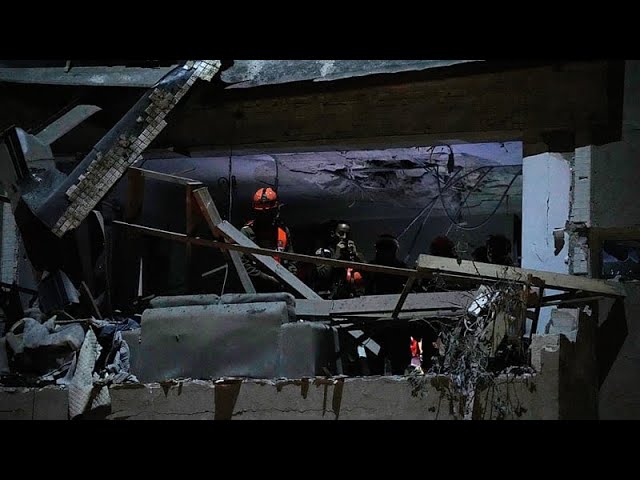
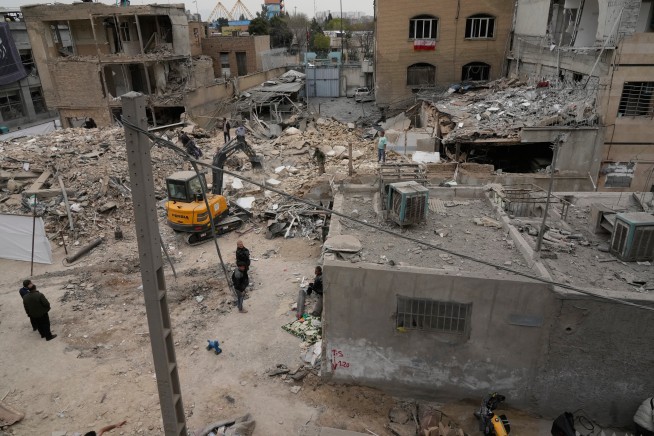
Central to the reporting was a statement by Mo Baydoun, the mayor of Dearborn Heights, Michigan, where Ghazali lived. According to Baydoun, Ghazali had recently lost several family members in Lebanon, including his niece and nephew, who were reportedly killed in an Israeli airstrike.
The implication was unmistakable: Ghazali’s violence might be understood—perhaps even explained—by the trauma of that loss. But omitted from this sympathetic narrative were facts that complicate the story considerably. According to reporting from other outlets, Ghazali’s family connections were not merely incidental casualties of war.
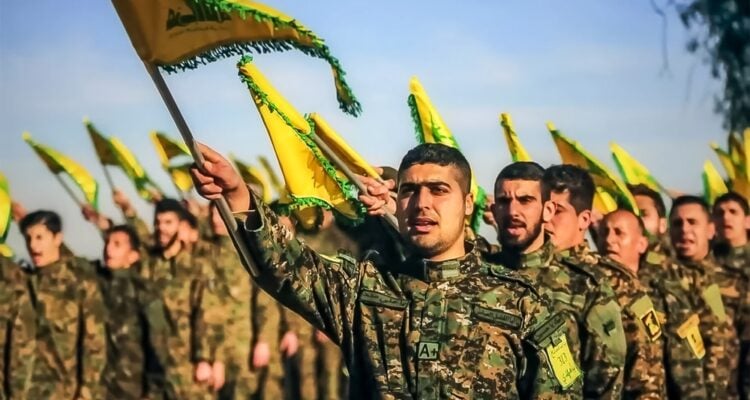
An unnamed official told NBC News that two of the individuals killed in the Israeli strike were Ghazali’s brothers—men who were known members of the Hezbollah terrorist organization. On Sunday, this was confirmed and media outlets reported one of the assailant’s brothers was a Hezbollah commander who was killed in a strike last week.
In a statement, the IDF said that Ibrahim Muhammad Ghazali was in charge of managing weapons operations in Hezbollah’s Badr unit.
Hezbollah, it must be said plainly, is not a humanitarian charity or a misunderstood political movement. It is an internationally designated terrorist organization responsible for decades of attacks against civilians, including bombings, kidnappings, and rocket attacks targeting Israeli population centers.
Moreover, sources told CNN that Ghazali himself had been flagged in U.S. government databases because of connections to Hezbollah members. Although authorities did not formally identify him as a member of the group, investigators reportedly questioned him multiple times during international travel regarding potential ties.
These facts are not peripheral details. They are essential context. Yet the narrative most prominently advanced by The New York Times emphasized something else entirely: Israeli military action in Lebanon.
The implicit argument embedded in that framing is deeply troubling. If Ghazali’s relatives were killed in an Israeli strike targeting Hezbollah terrorists, and if that tragedy contributed to his rage, then perhaps Israel bears some indirect responsibility for the attack on a synagogue in Michigan.
This line of reasoning collapses the moral distinction between explanation and justification. It invites readers to see terrorism not as an act of hatred or ideological extremism, but as the predictable consequence of geopolitical grievance. In other words, the victims— children attending classes at a Jewish Day School—are subtly repositioned as participants in a cycle of violence that somehow implicates them.
Such reasoning is morally untenable.
If personal loss in war can serve as an explanatory framework for terrorism, then the implications are staggering. Does that mean the relatives of the young Israelis massacred at the Nova Music Festival on October 7, 2023 are entitled to seek vengeance against the families of Hamas terrorists? Do survivors of the Holocaust have the moral right to hunt down the descendants of Nazi war criminals? Civilized societies reject collective vengeance precisely because it leads to moral chaos.
Yet when the victims are Jews and the geopolitical context involves Israel, The New York Times seems curiously willing to entertain a logic that would be dismissed outright in any other circumstance.
The parallels with contemporary reporting are difficult to ignore.
In the Temple Israel case, the essential fact was clear: a synagogue was targeted. That fact should have been the centerpiece of the story. Instead, the reporting drifted toward a geopolitical narrative in which Israel’s military actions became part of the explanation.
Such framing risks normalizing the idea that violence against Jews is an understandable response to Israeli policy. It is a dangerous suggestion.