
























|
Getting your Trinity Audio player ready...
|
By: Ariella Haviv
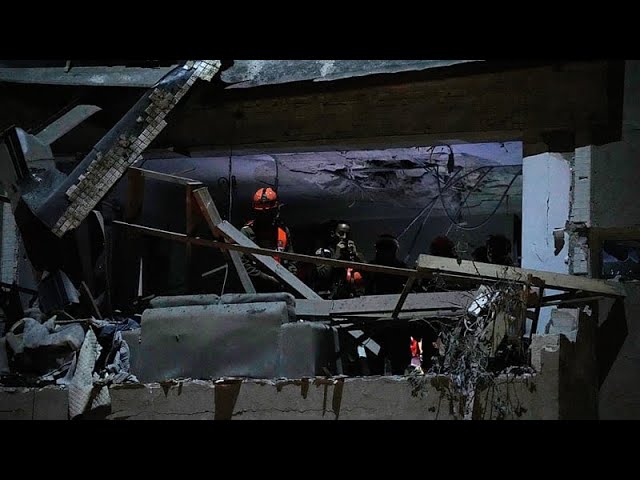
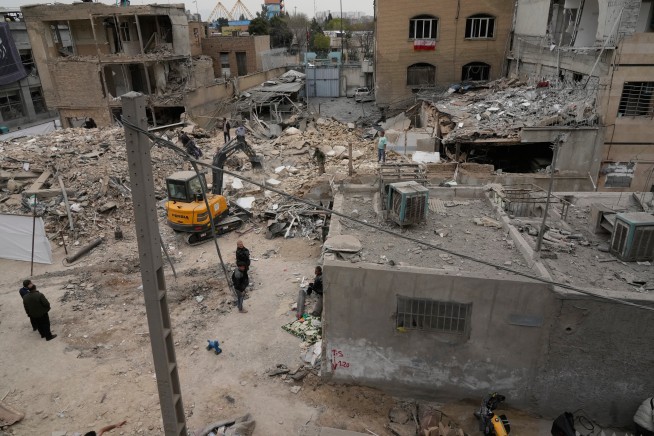
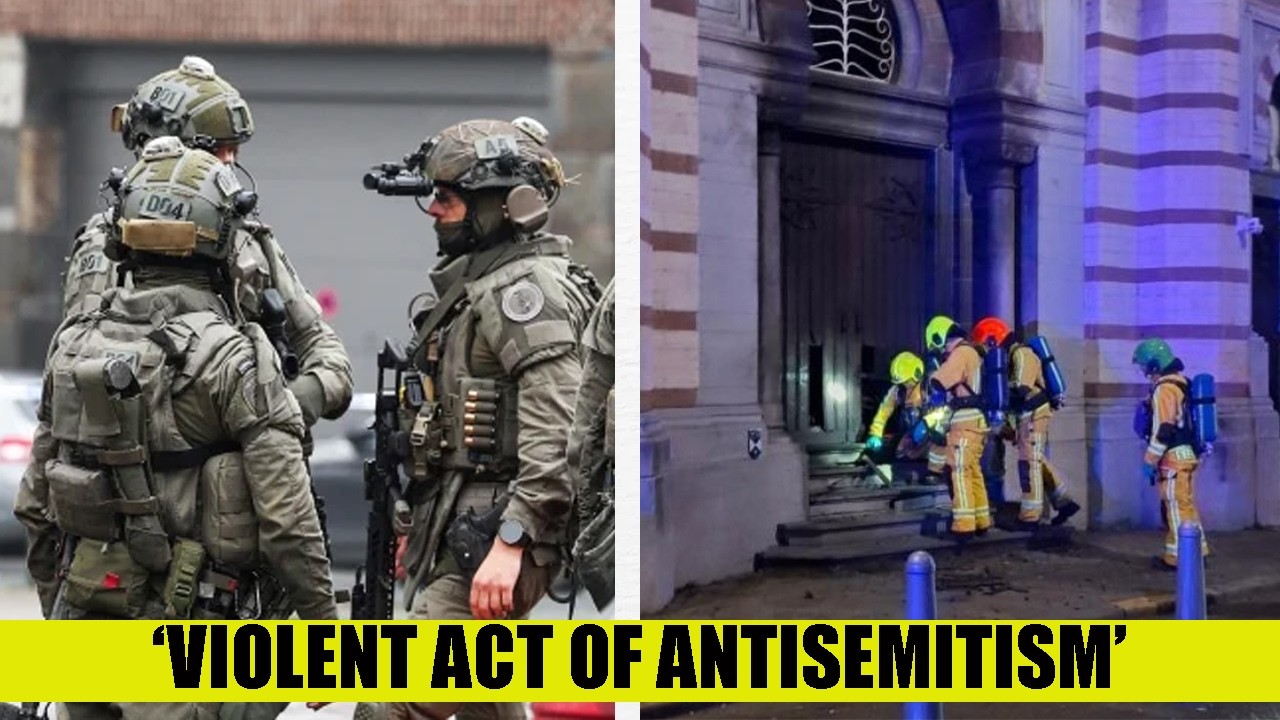
An early-morning explosion that struck a synagogue in the Belgian city of Liège on Sunday has intensified concerns about the security of Jewish communities across Europe, with government officials and communal leaders condemning the incident as a deliberate antisemitic attack. Though no injuries were reported, the blast caused visible structural damage to the synagogue and surrounding buildings, triggering an immediate security response and a federal investigation.
According to reports from Reuters, the explosion occurred at approximately 4:00 a.m. local time (0300 GMT), when most residents of the quiet neighborhood were still asleep. The detonation shattered the synagogue’s windows and sent debris across the street, also breaking windows in a residential building opposite the place of worship. The blast reverberated through the otherwise tranquil district along the banks of the Meuse River, alarming residents and prompting a swift police deployment.
Authorities have not yet determined the precise cause of the explosion, but the nature of the incident and the choice of target have led investigators to treat the case with the utmost seriousness. As Reuters reported, Belgian prosecutors quickly transferred the investigation to federal authorities—a procedural step typically taken in cases that may involve terrorism, organized crime, or ideologically motivated violence.
Belgian Interior Minister Bernard Quintin responded swiftly, describing the attack as an act of hatred directed at an already vulnerable community. In remarks cited by both Reuters and The Algemeiner, Quintin condemned the explosion as “a despicable antisemitic act that directly targeted the Jewish community of Belgium.”
The minister emphasized that Belgian security services would strengthen protective measures around Jewish institutions, which have faced increasing threats amid rising antisemitic incidents across Europe. “We will continue reinforcing security around sites associated with the Jewish community,” Quintin said, underscoring the government’s commitment to safeguarding religious institutions and minority populations.
The attack has deeply unsettled the small but historically significant Jewish community in Liège. Eitan Bergman, vice president of the Coordinating Committee of Jewish Organizations in Belgium (CCOJB), described the emotional toll the incident has taken on residents.
“Liège is home to a very small but vibrant Jewish community where I personally grew up,” Bergman said in comments quoted by Reuters. “Today, the feelings among our community members are a mixture of sadness, worry, and profound shock.”
Bergman noted that while the community has long lived peacefully within the city’s multicultural environment, the explosion has shaken that sense of security.
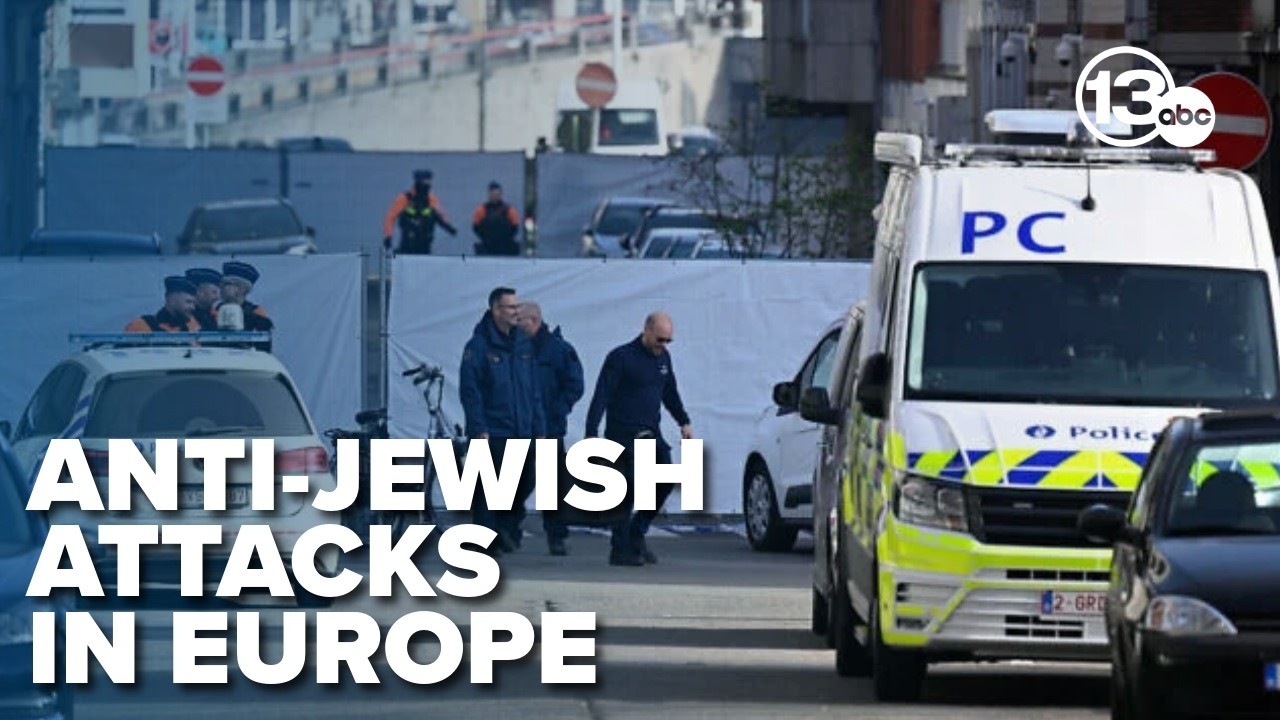
The synagogue targeted in the blast stands in a largely residential area near the city center, across the river from Liège’s historic downtown district. According to the information provided in the Reuters report, police quickly cordoned off the surrounding streets after the explosion and began collecting forensic evidence in the early hours of the morning.
Investigators are examining the site to determine whether the explosion was caused by an improvised explosive device or another mechanism. Officials have thus far refrained from releasing detailed information about the possible perpetrators or the specific nature of the explosive material used.
As The Algemeiner reported in its coverage of the incident, the attack comes amid a troubling surge of antisemitic violence across Europe and beyond. Jewish communities throughout the continent have faced increased threats since the outbreak of the Israel-Hamas war in October 2023, with synagogues, Jewish schools, and communal centers frequently requiring heightened security.
In many European cities, police patrols have been increased around Jewish institutions, and governments have allocated additional resources to protect places of worship. Yet incidents such as the explosion in Liège demonstrate the persistent vulnerability of these sites.
Belgium itself has experienced several high-profile antisemitic incidents in recent decades. One of the most devastating occurred in 2014 when a gunman attacked the Jewish Museum in Brussels, killing four people in what authorities later identified as an Islamist terrorist attack.
In the years since, Belgian security services have remained vigilant, but Jewish leaders say the sense of unease has never fully dissipated.
Coverage by The Algemeiner highlighted how the Liège explosion reflects broader anxieties about the safety of Jewish communities in Western Europe. Communal leaders across the continent have repeatedly warned that antisemitic rhetoric—particularly online—can quickly escalate into acts of violence.
Analysts note that extremist ideologies from multiple sources have contributed to the rise in antisemitic incidents. Far-right groups, radical Islamist networks, and fringe conspiracy movements have all been implicated in attacks targeting Jewish individuals and institutions.
While investigators have not yet identified a suspect in the Liège case, Belgian authorities appear determined to treat the incident with the seriousness typically reserved for potential acts of terrorism.
Federal prosecutors, who now lead the investigation, declined to provide further details about the ongoing inquiry. Their involvement, however, signals that officials consider the explosion a matter of national security concern.
Meanwhile, Jewish leaders are urging vigilance and solidarity in the face of the attack.
In remarks reported by The Algemeiner, community representatives emphasized that acts of violence against Jewish institutions strike at the core of democratic values. They argue that protecting minority communities is essential not only for Jewish citizens but for the integrity of European societies as a whole.
The symbolic significance of targeting a synagogue cannot be overlooked. For many Jewish communities, synagogues represent more than houses of worship; they serve as cultural, educational, and communal hubs where traditions are preserved and communal life flourishes.
An attack on such a site therefore carries profound emotional and psychological implications.
Residents in the Liège neighborhood where the explosion occurred expressed both concern and solidarity. Several locals told reporters that they were awakened by the loud blast and rushed to their windows to see what had happened.
Though the synagogue sustained significant damage to its windows and façade, authorities confirmed that no one was inside the building at the time of the explosion. The absence of injuries may have prevented a far more tragic outcome.
Nevertheless, the attack has left a lasting impression on the city.
Belgian officials have vowed to pursue the perpetrators relentlessly and to ensure that those responsible face justice.
Interior Minister Quintin reiterated that message in his public statement, declaring that antisemitism in any form would not be tolerated.
As The Algemeiner report noted, the incident serves as a stark reminder that the struggle against antisemitism remains an urgent challenge in Europe and around the world.
For the Jewish residents of Liège, the shattered windows of their synagogue symbolize more than physical damage. They represent a troubling reminder that hatred can erupt even in communities that have long prided themselves on tolerance and coexistence.
Yet communal leaders insist that fear will not define their future.
Instead, they say the response to violence must be unity, resilience, and an unwavering commitment to defending the freedoms that allow diverse communities to thrive.
As the investigation unfolds and authorities search for those responsible, the explosion in Liège has already become a somber marker in the ongoing battle against antisemitic violence—one that echoes far beyond the quiet streets where the blast shattered the early-morning calm.