












|
Getting your Trinity Audio player ready...
|
By: Yisroel David
A dramatic war of words between Iran’s Revolutionary Guards and President Donald Trump has intensified fears that the widening Middle East conflict could spill into the world’s most critical energy corridor, the Strait of Hormuz. The escalating rhetoric, accompanied by ongoing military operations involving Israel and the United States, has raised the specter of a confrontation that could disrupt global oil markets and further destabilize the region.
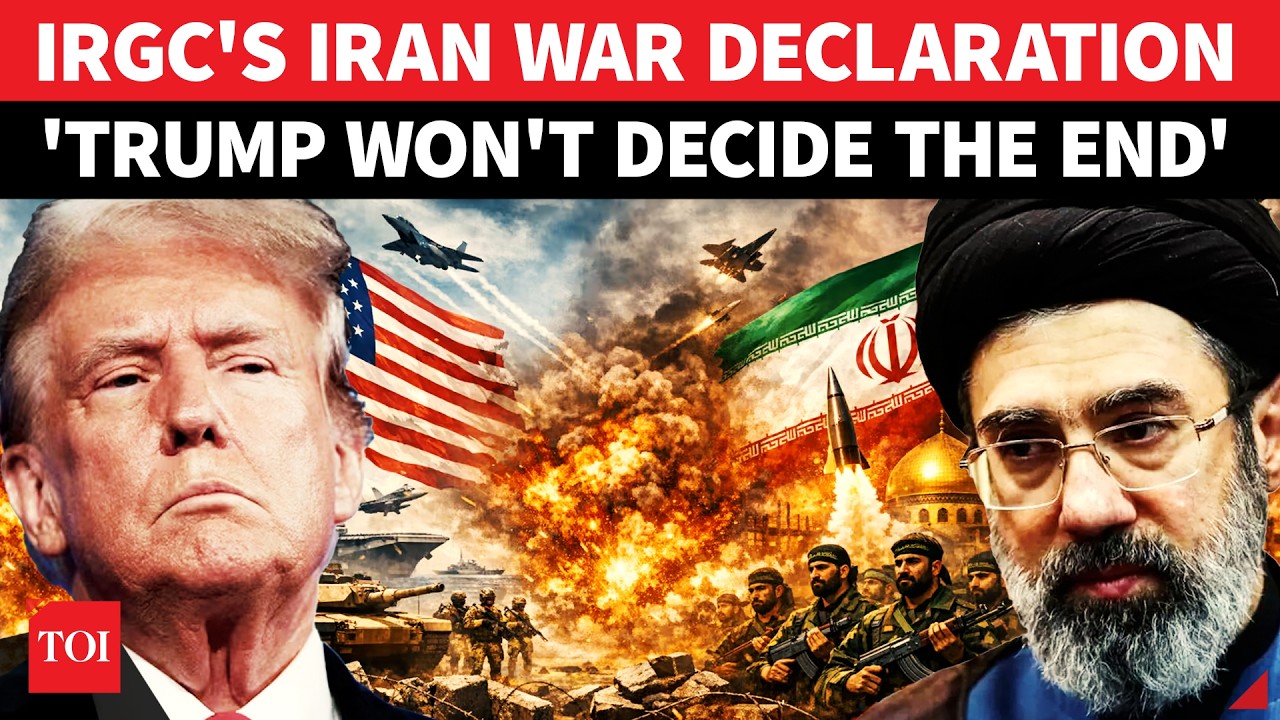
According to a report on Tuesday by Israel National News, Iran’s Islamic Revolutionary Guard Corps (IRGC) issued a defiant statement late Monday night declaring that Tehran—not Washington—would determine when the war ends. The announcement came in direct response to comments by President Trump suggesting that the conflict might soon reach its conclusion.
The Iranian military force, which serves as both a guardian of the Islamic Republic and a central actor in its regional strategy, warned that continued attacks by the United States and Israel could trigger sweeping economic retaliation.
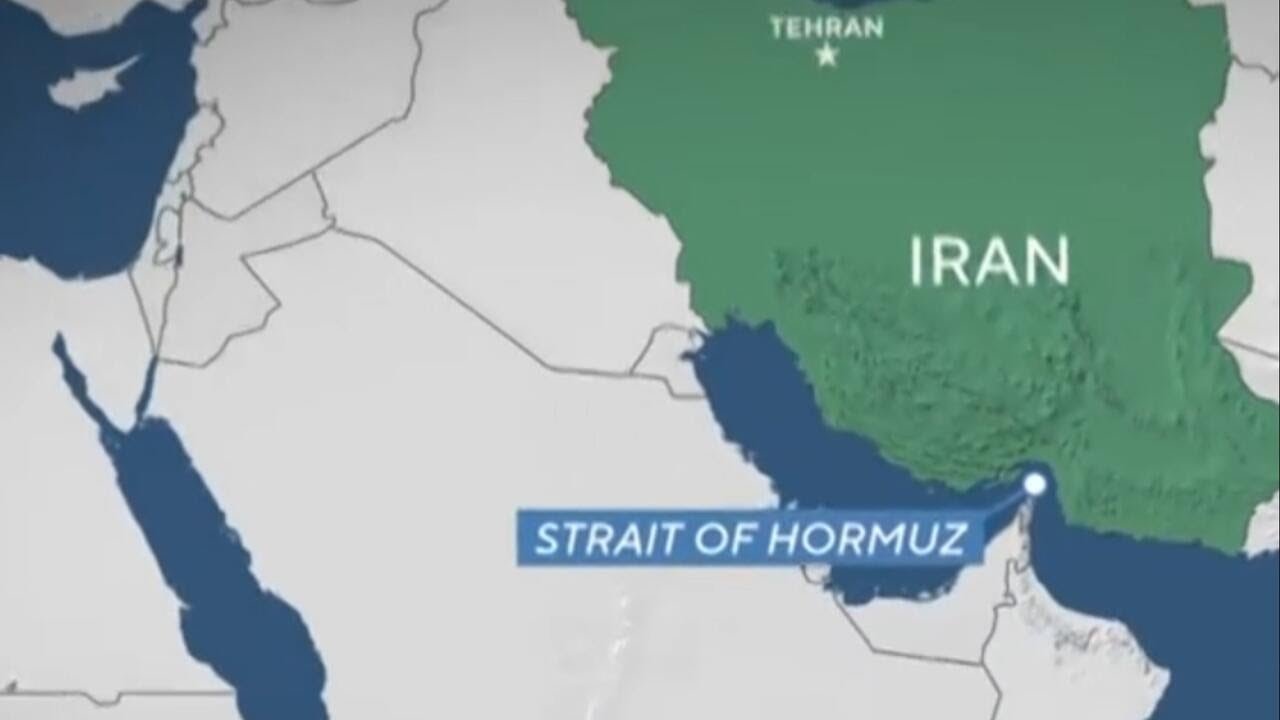
In particular, the IRGC threatened to halt oil shipments passing through the Strait of Hormuz, a narrow but indispensable maritime passage linking the Persian Gulf to international markets.
“If aggression continues,” the IRGC declared in a statement cited by Israel National News, Iran would not allow “one liter of oil” to leave the region.
Such a move would represent a dramatic escalation in the conflict. The Strait of Hormuz is widely considered the world’s most vital energy chokepoint. Roughly one-fifth of global oil shipments and a substantial share of liquefied natural gas exports pass through the waterway each day.
A disruption there would send shockwaves through international energy markets and could trigger severe economic consequences for nations dependent on Gulf energy supplies.
President Trump responded swiftly and forcefully to the Iranian threat, using his Truth Social platform to issue a stark warning to Tehran.
“If Iran does anything that stops the flow of Oil within the Strait of Hormuz,” Trump wrote, “they will be hit by the United States of America TWENTY TIMES HARDER than they have been hit thus far.”
The president’s statement left little ambiguity about the potential scale of American retaliation. Trump also warned that the United States would target infrastructure critical to Iran’s ability to function as a nation if Tehran attempted to blockade the strait.
“We will take out easily destroyable targets that will make it virtually impossible for Iran to ever be built back again as a nation,” Trump wrote.
His language grew even more severe as he emphasized the destructive potential of U.S. military power.
“Death, Fire, and Fury will reign upon them,” he said, before adding that he hoped such a scenario could be avoided.
Trump also framed the protection of the Strait of Hormuz as a matter of international responsibility, noting that major economies—particularly China and other energy-importing nations—depend heavily on the waterway.
“This is a gift from the United States of America to China and all of those nations that heavily use the Hormuz Strait,” Trump wrote.
The exchange came just hours after Trump spoke at a press conference where he suggested that the conflict with Iran might be nearing its final phase.
“We are close to finishing,” the president told reporters.
While he acknowledged that the war was unlikely to end immediately, Trump expressed confidence that the outcome would ensure Iran could no longer threaten the United States or its allies with advanced weapons.
When asked what victory would mean in practical terms, Trump offered a straightforward answer.
“Winning,” he said, “means they will no longer have any capacity whatsoever, for a very long period of time, of developing weaponry that could be used against the United States… or any of our allies.”
The statement reflects a core strategic objective that has guided the military campaign carried out jointly by Israel and the United States: the dismantling of Iran’s nuclear and missile programs.
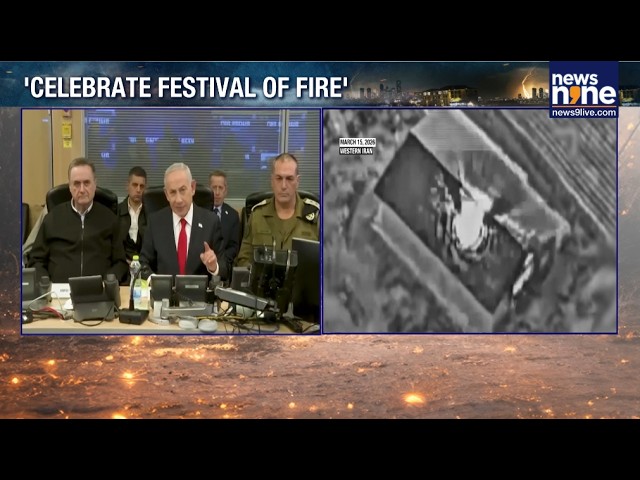
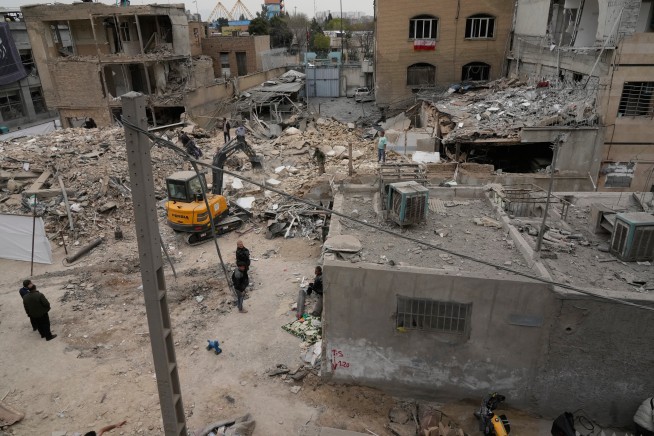
As Israel National News has reported, Israeli and American forces have conducted extensive strikes against Iranian military infrastructure, including ballistic missile production facilities, command centers, and air-defense systems.
Israeli officials say these operations have already significantly degraded Iran’s military capabilities, though Tehran continues to launch retaliatory attacks through both direct missile strikes and proxy militias across the region.
Iran’s threat to block the Strait of Hormuz represents one of the most dramatic tools available in its strategic arsenal.
For decades, Iranian leaders have warned that if their oil exports were restricted or their territory attacked, they could retaliate by disrupting the flow of energy through the strait.
Such a move would be difficult to execute permanently, given the overwhelming naval power of the United States and its allies in the region. However, even temporary disruption could cause global energy prices to surge and trigger economic instability.
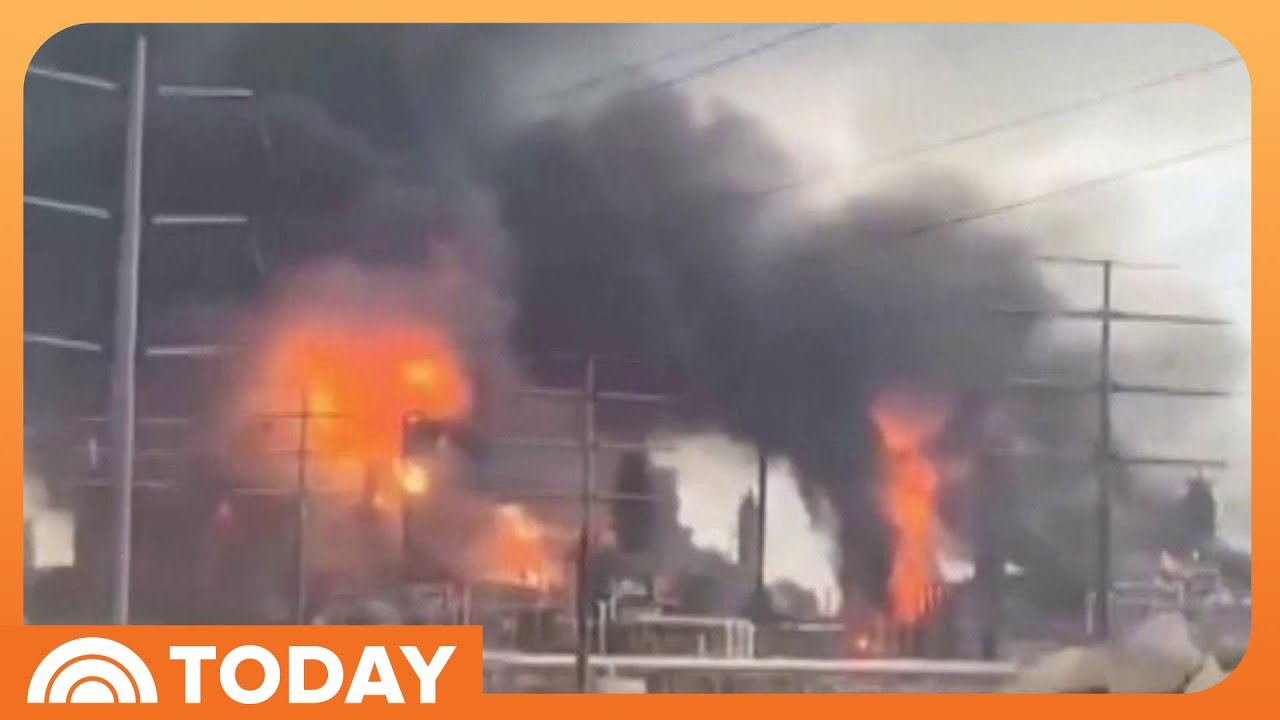
According to the information provided in the Israel National News report, shipping activity through the strait has already been affected by the ongoing fighting. Reports indicate that tanker traffic and energy exports have slowed dramatically as shipping companies and insurers reassess the security situation.
The IRGC’s statement Monday suggested that Tehran may be prepared to escalate its pressure on global markets if the conflict intensifies further.
At the same time, Iranian officials have attempted to frame the threat in geopolitical terms, seeking to appeal to nations that rely heavily on Gulf oil exports.
Earlier on Monday, the IRGC issued an additional declaration stating that any Arab or European country that expels Israeli or American ambassadors would be granted “full authority and freedom” to pass through the Strait of Hormuz.
The message appeared to be an attempt to divide international opinion and isolate the United States and Israel diplomatically.
Energy analysts warn that the Strait of Hormuz is uniquely vulnerable to military confrontation.
Only about 21 miles wide at its narrowest point, the strait forms the sole maritime exit for oil exported from several of the world’s largest energy producers, including Saudi Arabia, Iraq, Kuwait, Qatar, and the United Arab Emirates.
According to figures cited in the Israel National News report, roughly 20 percent of global oil shipments and a substantial portion of liquefied natural gas exports pass through the waterway each day.
Even limited disruption could therefore produce dramatic ripple effects across global energy markets.
Oil prices have already shown signs of volatility as traders assess the possibility that the war could extend into the Gulf’s maritime domain.
The escalating confrontation between Washington and Tehran comes amid a broader regional conflict that has expanded far beyond the initial Israeli strikes against Iran’s nuclear infrastructure.
In recent weeks, fighting has spread across multiple fronts, including Lebanon, Syria, Iraq, and the Red Sea.
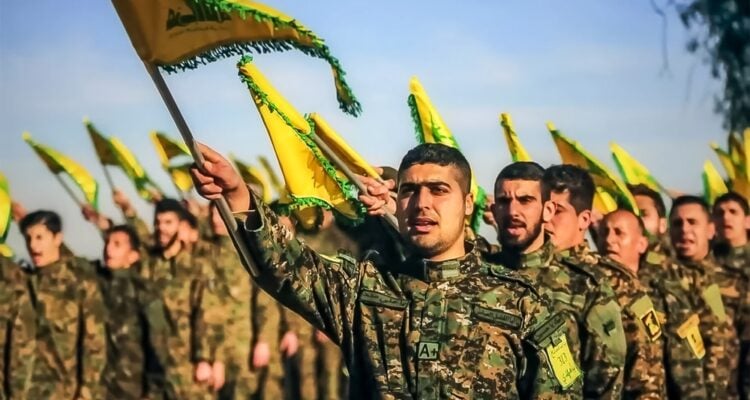
Iran-backed militias have launched missile and drone attacks against U.S. bases and Israeli targets, while Israeli forces have conducted airstrikes against Hezbollah positions in Lebanon and Iranian installations across the region.
As Israel National News has reported, Israeli leaders view the conflict as a necessary effort to eliminate what they describe as an existential threat posed by Iran’s nuclear ambitions and its network of proxy forces.
American officials, meanwhile, have framed the campaign as part of a broader effort to stabilize the Middle East and prevent Iran from acquiring nuclear weapons.
For now, the future trajectory of the conflict remains uncertain.
Trump’s assertion that the war may soon be over suggests confidence within Washington that the military campaign is achieving its objectives. Yet Iran’s defiant rhetoric indicates that Tehran is far from ready to concede defeat.
The Strait of Hormuz—long regarded as the world’s most sensitive geopolitical chokepoint—now sits at the center of that standoff.
Should Iran attempt to carry out its threat to halt oil exports, the resulting confrontation could reshape not only the Middle East but the global economy as well.
As Israel National News has observed in its continuing coverage, the conflict has reached a moment where military strategy, economic pressure, and geopolitical signaling intersect with extraordinary stakes.
Whether the war truly approaches its end—or whether the struggle is entering an even more volatile phase—may soon become clear in the waters of the Persian Gulf.