










|
Getting your Trinity Audio player ready...
|
By: Abe Wertenheim
As geopolitical tensions ripple across global energy markets amid the escalating war involving Iran, the United States has announced a dramatic intervention aimed at stabilizing fuel prices and safeguarding economic stability. In a move that underscores both the severity of the current supply disruption and the strategic leverage of America’s energy reserves, the Trump administration has authorized the release of 172 million barrels of crude oil from the U.S. Strategic Petroleum Reserve (SPR).
The decision, confirmed Wednesday evening by Energy Secretary Chris Wright, marks one of the most significant emergency deployments of U.S. strategic oil reserves in recent years. According to a report on Wednesday by CNBC, the measure is intended to mitigate soaring gasoline prices and offset supply shocks triggered by the widening conflict in the Middle East, which has severely disrupted global oil flows.
The release forms part of a broader international effort coordinated through the International Energy Agency (IEA), which earlier announced the largest emergency oil release in its history. Together, these moves represent an extraordinary attempt by Western economies to prevent the conflict from triggering a full-scale energy crisis.
Speaking Wednesday evening, Energy Secretary Wright outlined the administration’s plan to begin releasing oil from the Strategic Petroleum Reserve as early as next week.
The barrels will not flood the market all at once. Instead, the release will unfold over approximately 120 days, ensuring a steady supply of crude oil to refineries and global markets during a period of heightened volatility.
As CNBC reported, the United States currently maintains approximately 415 million barrels of crude oil in its Strategic Petroleum Reserve. While substantial, this figure represents only about 58 percent of the reserve’s authorized capacity of 714 million barrels, reflecting previous drawdowns and the complexities of replenishing the system.
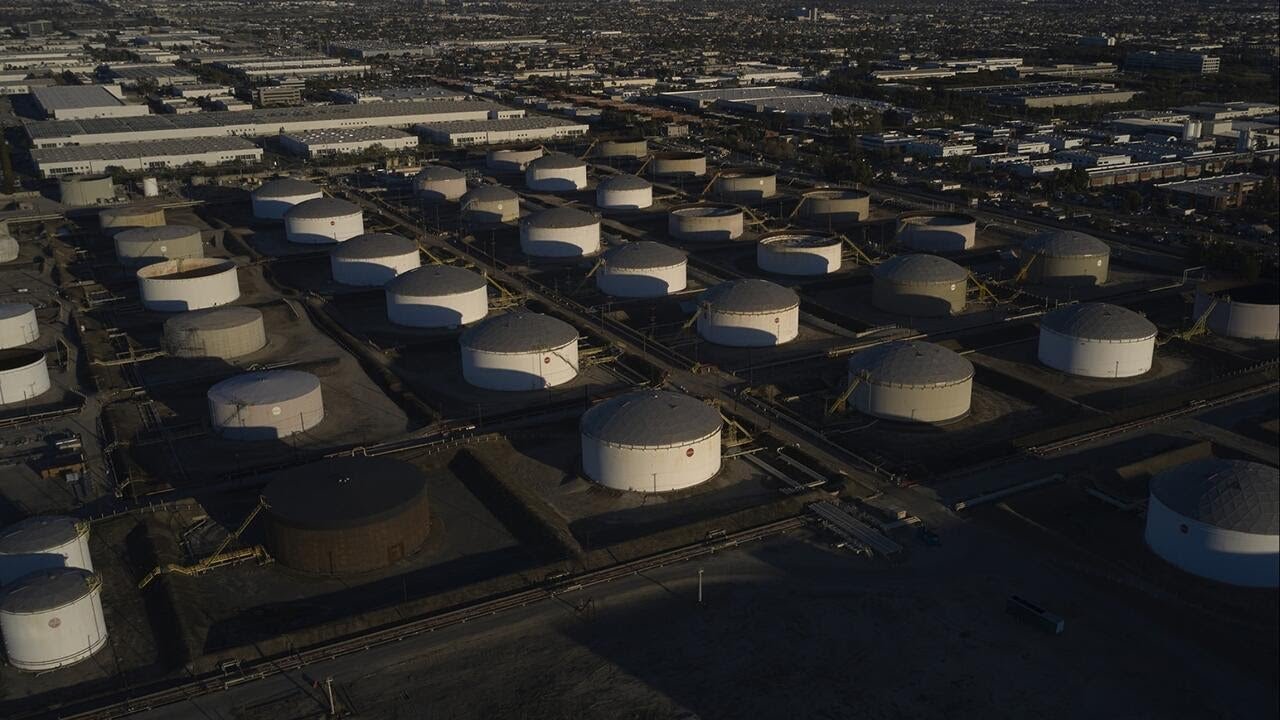
The SPR, created in the aftermath of the 1973 Arab oil embargo, is widely regarded as one of the most powerful instruments of American energy security. Stored in massive underground salt caverns along the Gulf Coast, the reserve exists precisely for moments like this—when geopolitical upheaval threatens the stability of global oil markets.
According to the CNBC report, the decision to deploy 172 million barrels reflects Washington’s concern that disruptions caused by the Iran war could spiral into sustained price spikes that would ripple across the American economy.
The urgency behind the move becomes clearer when examining the dramatic surge in fuel costs across the United States.
Data from the motorists’ association AAA, cited in coverage by CNBC, shows that average gasoline prices have climbed to approximately $3.58 per gallon nationwide. Only a month earlier, the average price hovered near $2.94 per gallon, meaning fuel costs have surged by roughly 22 percent in a matter of weeks.
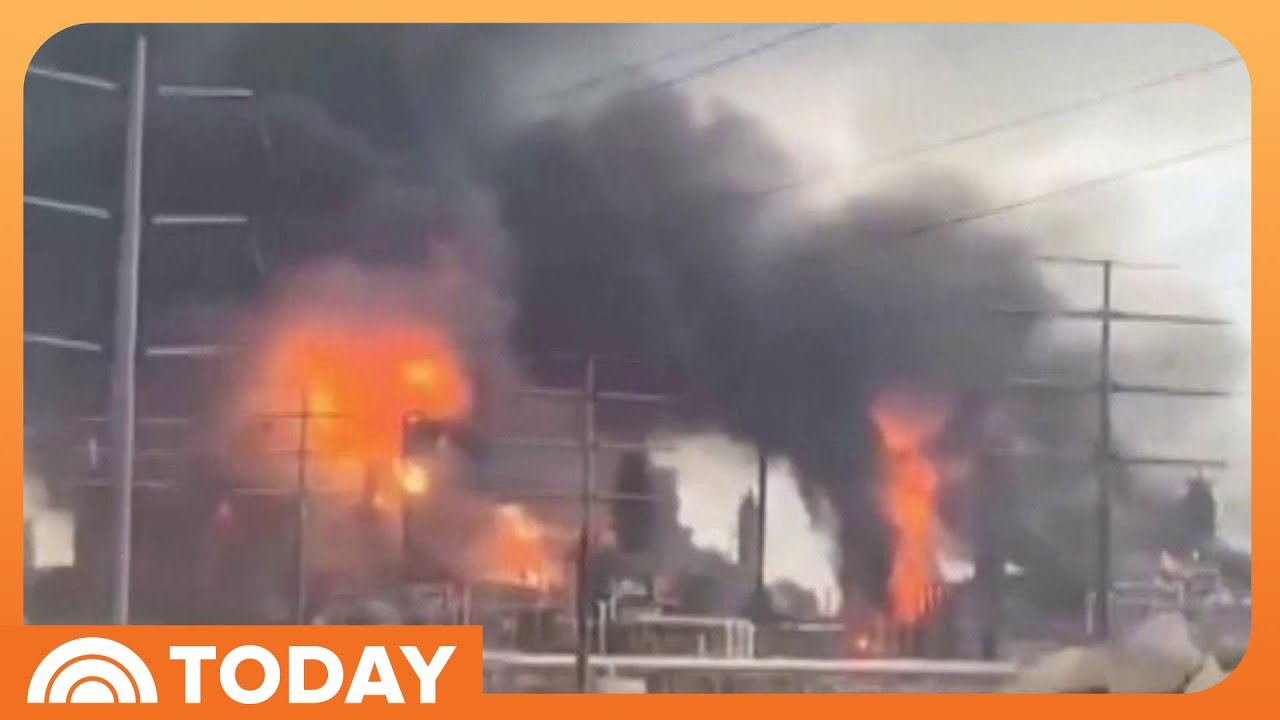
This spike reflects the global consequences of the Iran conflict, which has disrupted energy infrastructure, threatened shipping routes, and injected profound uncertainty into oil markets.
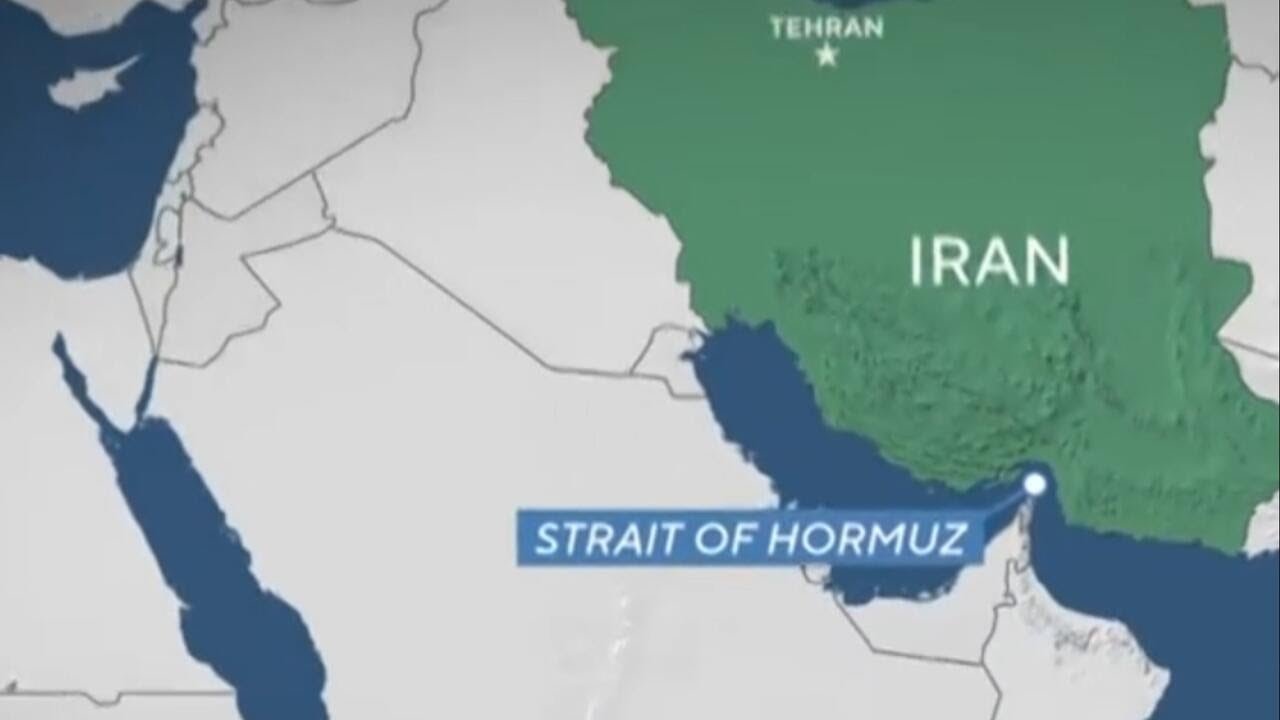
Energy analysts note that the Strait of Hormuz, through which roughly 20 percent of the world’s oil supply typically passes, has become a focal point of geopolitical anxiety. Even partial disruptions to tanker traffic through this narrow maritime corridor can trigger rapid price increases.
As CNBC has reported, markets respond not only to actual supply interruptions but also to the perception of risk. In times of war, traders often anticipate shortages, driving prices upward even before supply disruptions materialize fully.
The administration’s decision to tap the Strategic Petroleum Reserve aims to counter precisely that dynamic.
President Trump personally addressed the decision in an interview with Cincinnati broadcaster WKRC, emphasizing that the oil release is designed to shield American consumers from wartime price shocks. “We’ll do that, and then we’ll fill it up,” Trump said, according to remarks quoted by CNBC.
The president also highlighted his broader philosophy regarding the reserve—namely that it should be deployed strategically during crises and replenished once conditions stabilize.
“I filled it up once, and I’ll fill it up again,” Trump said. “But right now, we’ll reduce it a little bit, and that brings the prices down.” Trump has long portrayed energy policy as a cornerstone of national economic strength, frequently emphasizing domestic production and strategic reserves as tools of geopolitical influence.
The decision to release oil during the Iran war aligns with that approach, positioning the United States not merely as a participant in the conflict but as a stabilizing force in global energy markets.
A key aspect of the administration’s plan involves replenishing the Strategic Petroleum Reserve after the emergency drawdown. According to Energy Secretary Wright, the government intends to replace the released oil with 200 million barrels over the next year, a move designed not only to restore the reserve but to expand it slightly.
Importantly, Wright stated that the replenishment would occur at no cost to taxpayers, a point that administration officials have emphasized in response to political criticism surrounding previous uses of the reserve.
As CNBC has noted in its coverage, the Trump administration has frequently criticized former President Joe Biden for earlier SPR drawdowns, arguing that those releases were politically motivated and left the reserve dangerously depleted.
The current release, by contrast, is being framed as a necessary response to wartime conditions.
The U.S. action is not occurring in isolation. Earlier on Wednesday, the International Energy Agency announced that its member nations had agreed to release 400 million barrels of oil from their collective reserves in response to the supply disruption caused by the Iran conflict.
As reported by CNBC, the decision represents the largest emergency oil release in the IEA’s more than 50-year history. The IEA was established in 1974, following the oil crisis triggered by the Arab embargo, with the mission of coordinating energy security among major industrialized economies.
Today, the agency includes more than 30 member countries across Europe, North America, and Northeast Asia, all of which maintain strategic oil reserves that can be deployed during global emergencies. Energy Secretary Wright confirmed that the American release of 172 million barrels forms part of this broader coordinated strategy.
By acting collectively, IEA members aim to reassure markets that sufficient oil supplies remain available despite the turmoil in the Middle East.
Energy analysts say the coordinated reserve releases could play a crucial role in calming volatile oil markets. As CNBC has reported, even the announcement of reserve drawdowns can influence prices by signaling that governments are prepared to intervene aggressively if shortages worsen.
Nevertheless, experts caution that reserve releases alone cannot fully offset disruptions caused by war. If shipping through the Strait of Hormuz remains restricted or if key energy infrastructure in the region suffers further damage, the global oil supply could face sustained pressure.
In such a scenario, strategic reserves serve primarily as temporary buffers, buying time for markets to adjust and for diplomatic or military developments to stabilize the situation.
The Strategic Petroleum Reserve remains the largest emergency oil stockpile in the world. Constructed during the Cold War era, the reserve’s cavernous storage facilities in Texas and Louisiana can collectively hold hundreds of millions of barrels of crude oil, making it a critical safeguard against supply shocks.
Historically, the SPR has been tapped during several major crises, including the 1991 Gulf War, Hurricane Katrina in 2005, the Libya civil war in 2011 and various domestic fuel disruptions.
However, the current drawdown—coming amid a major geopolitical conflict involving Iran—ranks among the most consequential uses of the reserve in recent history.
As CNBC has emphasized in its reporting, the scale of the release reflects the extraordinary volatility facing global energy markets today. The Iran war has rapidly expanded beyond the battlefield, sending shockwaves through financial markets, shipping routes, and global supply chains.
Energy remains at the center of these disruptions. Because oil is deeply integrated into transportation, manufacturing, and agriculture, fluctuations in crude prices can cascade through virtually every sector of the global economy.
Higher fuel costs raise shipping expenses, increase airline ticket prices, and drive inflation across a wide range of consumer goods. By releasing oil from the Strategic Petroleum Reserve, the United States hopes to blunt these effects and prevent the conflict from triggering a broader economic crisis.
Whether the reserve release will fully stabilize markets remains uncertain. Much will depend on the trajectory of the conflict itself—particularly whether hostilities escalate further or begin to ease in the coming months.
For now, however, the message from Washington is unmistakable: the United States intends to deploy every available tool to protect global energy stability. As CNBC has reported throughout the unfolding crisis, the intersection of war, energy, and economics has rarely been more visible.
And in that high-stakes arena, the Strategic Petroleum Reserve has once again emerged as one of the most powerful instruments in America’s geopolitical arsenal.