











|
Getting your Trinity Audio player ready...
|
“Stopping the Evil Empire Comes First”: Trump Prioritizes Iran’s Nuclear Threat Over Oil Price Surge Amid Global Energy Turmoil
By: Svetlana Pincus
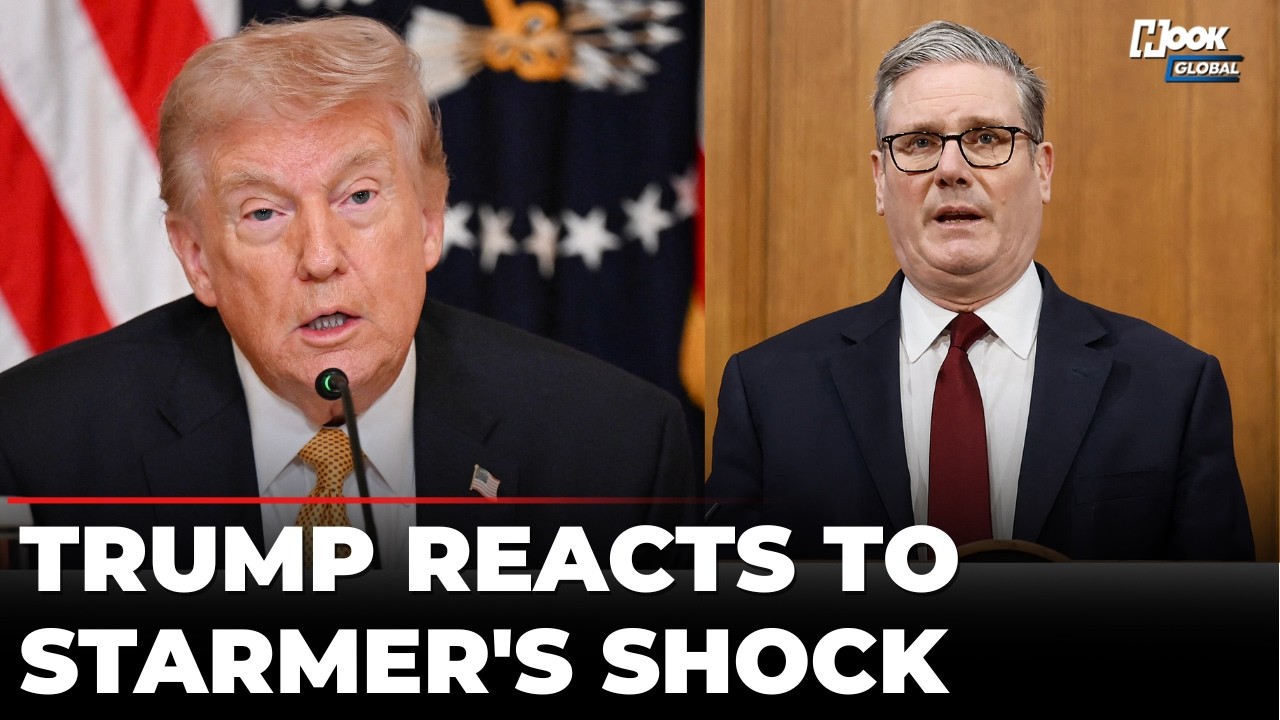
As tensions in the Middle East continue to reverberate across global energy markets, President Donald Trump has declared that preventing Iran from obtaining nuclear weapons remains a paramount national and international priority—far outweighing concerns about rising oil prices. Speaking amid growing anxiety over the economic ripple effects of the ongoing conflict with Tehran, Trump emphasized that while energy markets may fluctuate during wartime, the strategic imperative of halting Iran’s nuclear ambitions must take precedence.
In remarks reported on Thursday by Newsmax, Trump framed the confrontation with Iran not simply as a regional conflict but as a decisive struggle to prevent what he described as an “evil empire” from acquiring weapons capable of destabilizing the Middle East and threatening global security.
“The United States is the largest Oil Producer in the World, by far, so when oil prices go up, we make a lot of money,” Trump wrote on his social media platform Truth Social, according to Newsmax. “BUT, of far greater interest and importance to me, as President, is stopping an evil Empire, Iran, from having Nuclear Weapons, and destroying the Middle East and, indeed, the World. I won’t ever let that happen!”
Trump’s statement came as international oil markets reacted sharply to escalating hostilities between Iran and the U.S.-Israel alliance, a conflict that has already begun reshaping geopolitical calculations across the globe.
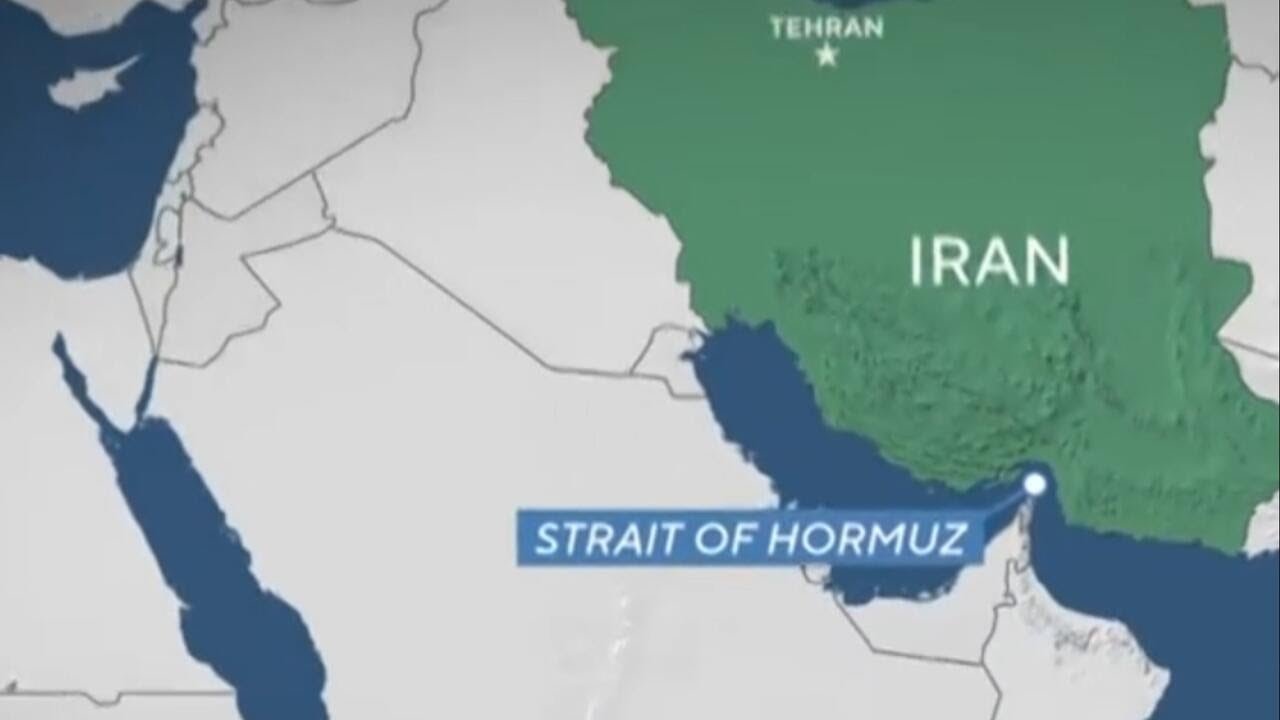
The latest surge in oil prices has been driven largely by fears that the ongoing war could disrupt shipments from the Persian Gulf, one of the most critical energy corridors in the world. The region accounts for a significant share of global oil production, and even minor disruptions to shipping lanes can send shockwaves through international markets.
According to the Newsmax report, crude oil prices briefly surged close to $120 per barrel earlier this week, reflecting investor concerns that the war might spread beyond Iran and threaten vital maritime routes such as the Strait of Hormuz, through which nearly one-fifth of the world’s oil supply passes.
Such volatility has historically placed enormous pressure on governments, particularly in the United States, where fuel prices remain a politically sensitive issue. Yet Trump has repeatedly insisted that the United States possesses a critical advantage during such crises: its unprecedented energy production capacity.
Over the past decade, the United States has emerged as the world’s leading oil producer, surpassing traditional energy powers such as Saudi Arabia and Russia. Trump has frequently cited this development as a cornerstone of America’s strategic resilience.
As Newsmax reported, Trump argues that America’s domestic energy dominance gives Washington significant leverage during global crises.
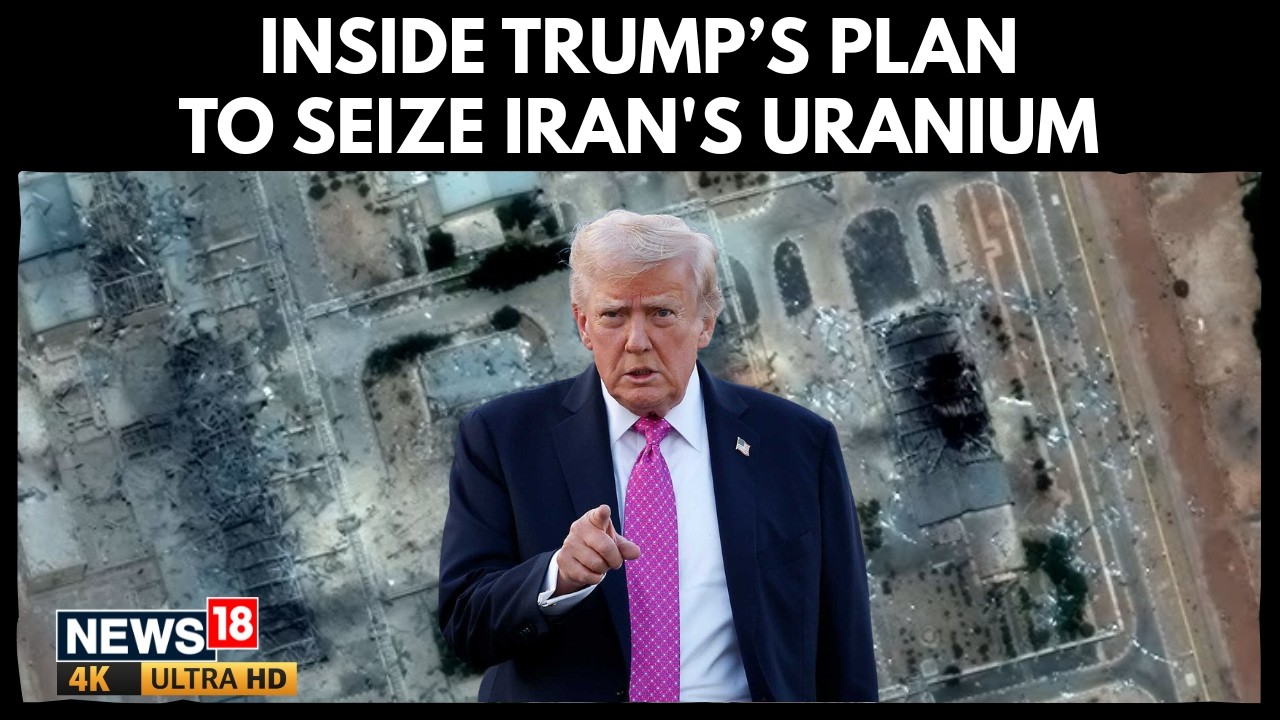
The current confrontation stems from Operation Epic Fury, a joint U.S.-Israeli military campaign launched on February 28 targeting Iran’s nuclear infrastructure and ballistic missile capabilities.
“The United States is the largest Oil Producer in the World, by far, so when oil prices go up, we make a lot of money. BUT, of far greater interest and importance to me, as President, is stoping an evil Empire, Iran, from having Nuclear Weapons, and destroying the Middle East… pic.twitter.com/PQbFSBcWje
— The White House (@WhiteHouse) March 12, 2026
According to the Newsmax report, the operation was designed to neutralize Tehran’s ability to develop nuclear weapons and to dismantle its expanding missile arsenal, which Western intelligence agencies have long warned could threaten cities across the Middle East and Europe.
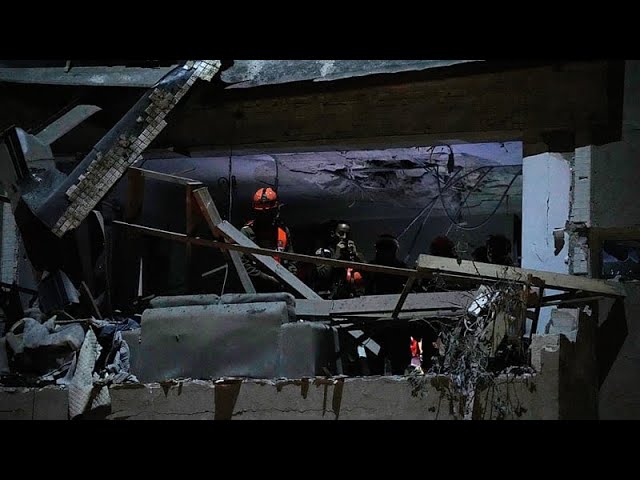
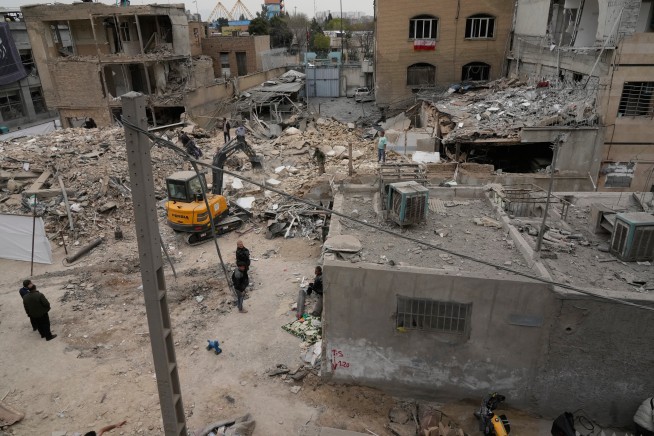
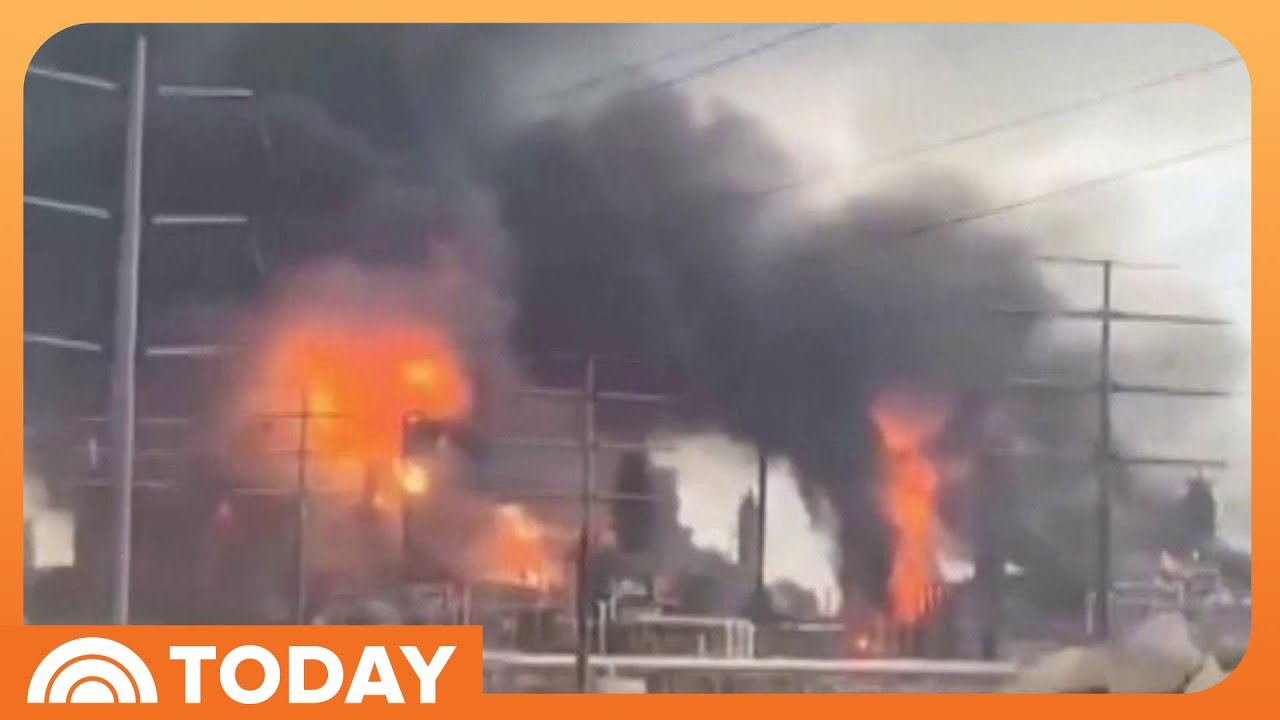
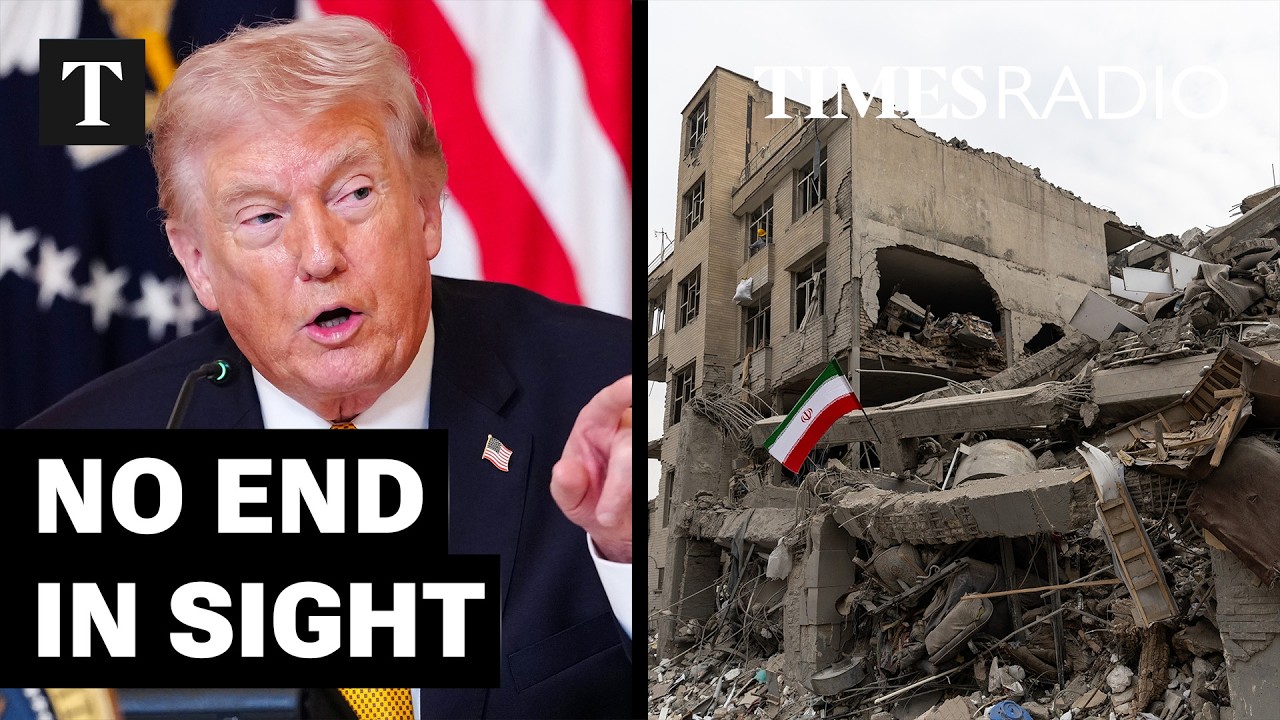
Since the operation began, American and Israeli forces have conducted extensive airstrikes against Iranian military facilities, missile launch sites, and weapons production complexes.
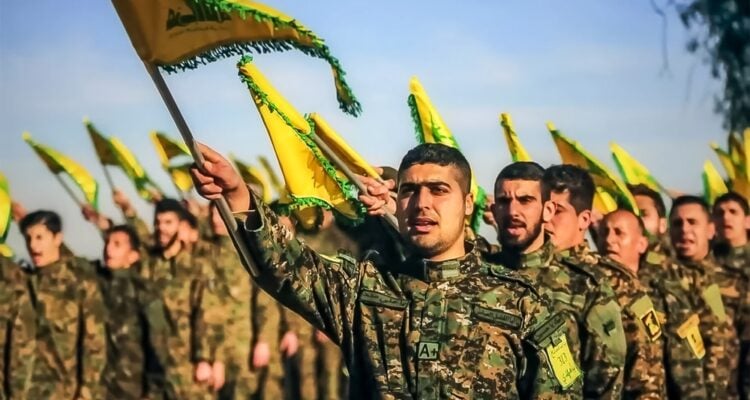
The campaign has dramatically escalated tensions across the region and prompted fears of a broader regional war involving Iran’s network of allied militias and proxy groups.
Despite the risks, Trump has repeatedly defended the operation as a necessary step to prevent Iran from becoming a nuclear power.
Recognizing the potential economic impact of rising oil prices, the administration has simultaneously pursued measures aimed at stabilizing energy markets. Trump announced that he is prepared to tap the Strategic Petroleum Reserve (SPR) if necessary to reduce fuel costs for American consumers.
The president made the announcement during a visit to Thermo Fisher Scientific in Cincinnati, where he addressed concerns about the war’s impact on domestic energy prices. “Well, we’ll do that and then we’ll fill it up,” Trump told WKRC-TV, as quoted by Newsmax. “I filled it up once, and I’ll fill it up again, but right now we’ll reduce it a little bit, and that brings the prices down.”
The Strategic Petroleum Reserve, the largest emergency oil stockpile in the world, was established in the 1970s following the Arab oil embargo. It is designed to provide a buffer against severe supply disruptions.
The reserve currently holds approximately 416 million barrels of oil, according to figures cited by Newsmax. This level is significantly lower than the roughly 638 million barrels that were stored when Trump left office in 2021. During the Biden administration, large quantities of oil were withdrawn from the reserve to mitigate rising gasoline prices following Russia’s invasion of Ukraine.
Trump has repeatedly criticized those drawdowns, arguing that they weakened America’s strategic energy buffer. At the same time, he has pointed out that the reserve can still serve as a powerful tool for stabilizing markets if the conflict with Iran continues to drive prices higher.
The United States is not acting alone in attempting to calm global energy markets. The International Energy Agency (IEA) recently announced an unprecedented release of 400 million barrels of oil from emergency reserves, the largest coordinated release in the organization’s history.
The goal of the measure is to prevent severe supply shortages and limit the economic fallout from the Middle East conflict.
Energy markets have already shown tentative signs of stabilization. After the dramatic spike earlier in the week, Brent crude oil prices fell back to around $93 per barrel in after-hours trading Wednesday, as reported by Newsmax. Analysts say the coordinated release of reserves may help prevent prices from reaching the extreme levels seen during previous global crises.
Throughout his presidency, Trump has consistently emphasized the importance of American energy independence. The surge in domestic oil and natural gas production over the past decade has fundamentally altered the global energy landscape.
The United States now produces more oil than any other nation, a transformation that many analysts attribute to technological advances such as hydraulic fracturing and horizontal drilling.
Trump has repeatedly argued that this energy strength provides the United States with strategic flexibility during international conflicts. As Newsmax noted in its coverage, Trump believes strong domestic production allows Washington to confront geopolitical threats without becoming overly vulnerable to foreign energy disruptions.
Despite these advantages, rising fuel prices remain a politically sensitive issue. Critics have argued that military escalation in the Middle East risks triggering an energy crisis that could affect consumers worldwide.
Supporters of the administration, however, contend that the long-term security benefits of preventing Iran from acquiring nuclear weapons outweigh the short-term economic costs.
Trump himself has made clear where he stands. Stopping Iran’s nuclear ambitions, he says, is not merely a regional objective but a global necessity.
The stakes of the confrontation extend far beyond energy markets. If Iran were to obtain nuclear weapons, analysts warn that it could spark a nuclear arms race across the Middle East, potentially involving countries such as Saudi Arabia, Turkey, and Egypt. Such a scenario would dramatically increase the risk of nuclear conflict in one of the world’s most volatile regions.
By contrast, supporters of Operation Epic Fury argue that decisive action now could prevent far greater instability in the future.
As the war continues, both military and economic uncertainties remain. Oil markets will likely continue to fluctuate in response to developments on the battlefield, while policymakers in Washington and allied capitals attempt to balance strategic objectives with economic stability.
For Trump, however, the central issue remains clear. According to Newsmax, the president believes the ultimate goal is preventing Iran from obtaining nuclear weapons—regardless of the temporary turbulence that conflict may cause in global energy markets.
In his words, the choice confronting the world is stark. Allowing Iran to become a nuclear power, he argues, would pose a far greater danger than any spike in oil prices.
And as the conflict unfolds, that conviction continues to shape the administration’s approach to both war and energy policy.