















|
Getting your Trinity Audio player ready...
|
Energy Shockwaves: Trump Temporarily Lifts Sanctions on Russian Oil as Iran War Drives Global Crude Toward $100
By: Russ Spencer
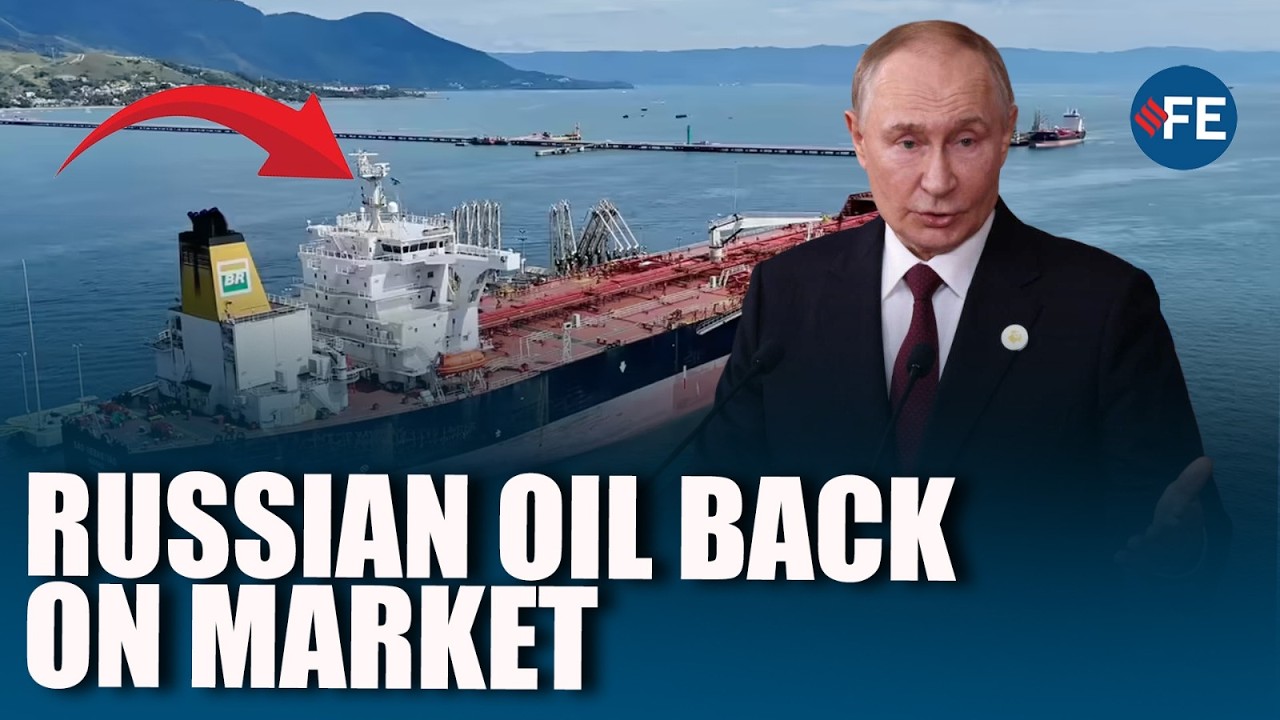
In a dramatic and controversial shift in American economic policy, the United States has temporarily eased sanctions on Russian oil shipments currently stranded at sea, a move aimed at alleviating the mounting pressure on global energy markets triggered by the ongoing war with Iran. The decision, announced Thursday by the Treasury Department, underscores the increasingly complex intersection between geopolitics, energy supply, and economic stability as the conflict in the Middle East reverberates across global markets.
According to a report on Thursday in The New York Times, the temporary exemptions will allow Russian oil already in transit across international waters to reach buyers worldwide until April 11, providing what officials hope will be a short-term injection of crude supply capable of stabilizing prices that have surged in recent weeks.
The policy adjustment represents a notable departure from Washington’s previous strategy toward Moscow, which has relied heavily on strict sanctions since Russia’s full-scale invasion of Ukraine in 2022. Analysts say the move illustrates the difficult balancing act facing the Trump administration as it attempts to sustain pressure on adversaries while preventing an energy crisis at home.
The exemptions, issued through the Treasury Department, apply specifically to Russian oil cargoes already at sea. According to officials cited by The New York Times, the authorization does not permit new exports from Russian ports but instead focuses on freeing existing shipments that had become effectively immobilized due to sanctions restrictions.
Treasury Secretary Scott Bessent explained that the measure could release significant volumes of crude oil into global markets. In remarks highlighted by The New York Times, Bessent estimated that allowing these shipments to proceed could add hundreds of millions of barrels of oil into the international supply chain.
With global oil prices hovering near $100 per barrel, policymakers in Washington fear that prolonged disruptions could drive costs even higher, exacerbating inflation and increasing fuel prices for American consumers. “To increase the global reach of existing supply, Treasury is providing a temporary authorization to permit countries to purchase Russian oil currently stranded at sea,” Bessent wrote in a social media post cited by The New York Times. He emphasized that the measure was carefully designed to limit financial benefits for the Kremlin.“This narrowly tailored, short-term measure applies only to oil already in transit and will not provide significant financial benefit to the Russian government,” he added.
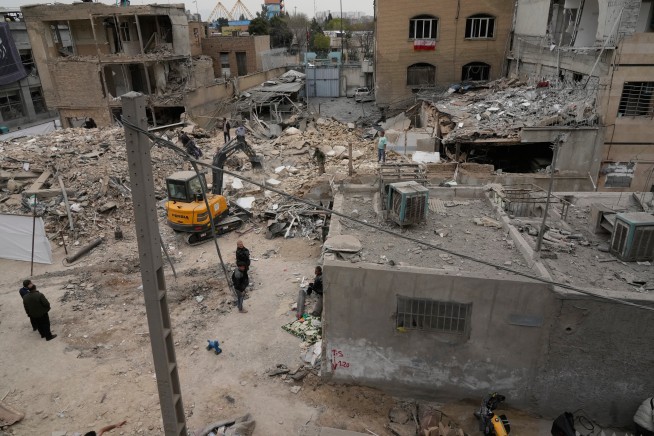
The decision reflects the broader economic fallout from the ongoing military conflict involving Iran. The war has disrupted energy supply routes across the Middle East, a region responsible for a substantial portion of global oil production.
As The New York Times reported, the instability has created what the International Energy Agency recently described as one of the largest disruptions to the oil market in modern history.
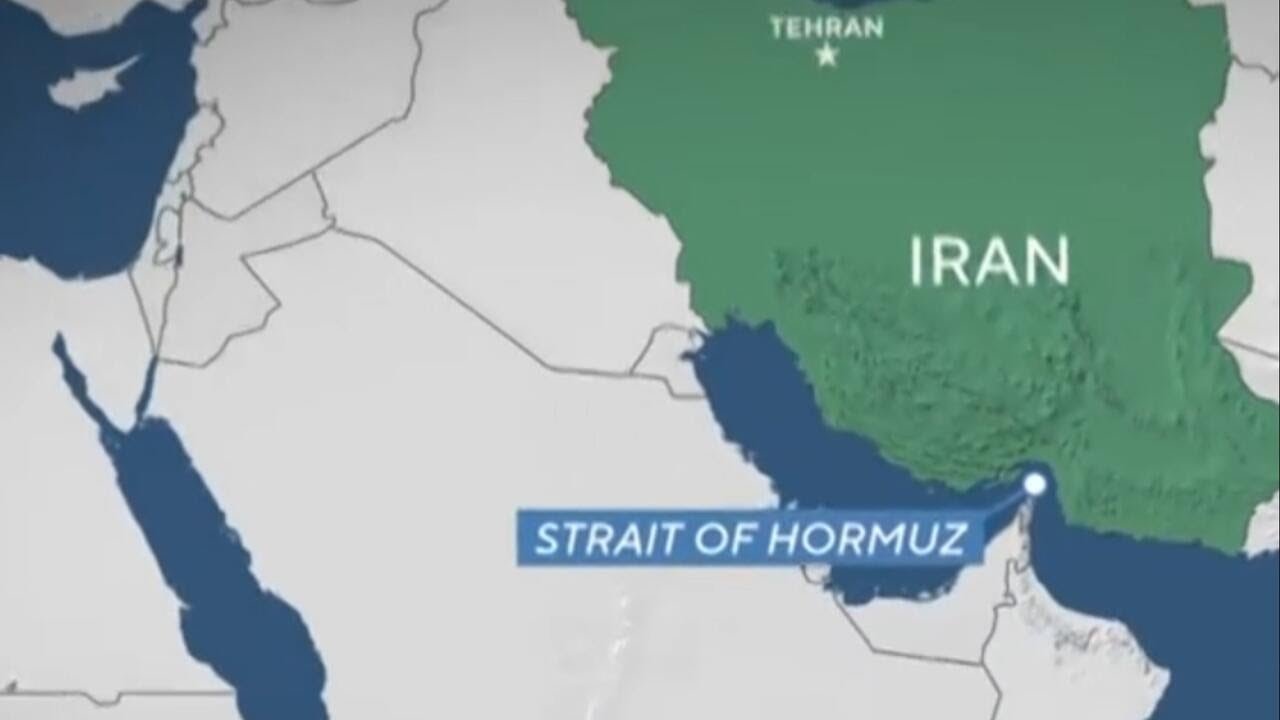
Iran’s strategic location along the Strait of Hormuz, through which roughly one-fifth of the world’s oil passes, has magnified the crisis. Repeated threats by Iranian officials to interfere with shipping through the strait have rattled markets, sending energy prices sharply upward.
The surge in oil prices has quickly translated into higher gasoline costs in the United States and other countries, creating significant political pressure on governments.
Russia remains one of the world’s largest oil exporters, and the sanctions imposed after its invasion of Ukraine were designed to limit Moscow’s ability to finance its war. Those restrictions included a price cap on Russian oil exports implemented by the Group of Seven (G7) nations, measures targeting Russia’s so-called “shadow fleet”, a network of unmarked tankers used to evade sanctions and restrictions on shipping insurance and financial services tied to Russian energy exports.
According to The New York Times report, these policies had significantly reduced Russia’s access to Western markets while forcing it to rely more heavily on buyers such as India and China. However, the current energy crisis has complicated the sanctions strategy.
Officials in Washington now face the dilemma of maintaining economic pressure on Moscow while simultaneously trying to prevent a global energy shortage.
Secretary Bessent acknowledged that Russia could see some financial gain from the policy shift.
Speaking on a podcast interview cited by The New York Times, he described the situation as an unfortunate but temporary consequence of the broader geopolitical landscape. “It’s unfortunate that Russia will benefit financially,” Bessent said, adding that he hopes the advantage would last only a “micro period.” His remarks reflect the administration’s argument that the immediate priority is preventing oil prices from spiraling out of control.
The sanctions exemption is only one component of a broader strategy aimed at stabilizing energy markets. As The New York Times reported, the Trump administration recently authorized a similar exception for Russian oil shipments destined for India, allowing them to reach their buyers despite sanctions restrictions. In addition, the administration is developing a $20 billion maritime insurance program designed to facilitate energy shipments during the crisis.
The program, administered through the U.S. International Development Finance Corporation, would provide insurance guarantees for tankers transporting oil through potentially dangerous waters. This approach aims to reassure shipping companies and insurers that might otherwise avoid transporting oil through conflict zones.
The decision to ease sanctions on Russian oil has sparked intense criticism from some members of Congress. Several Senate Democrats accused the administration of undermining the pressure campaign against Moscow. “This war has resulted in huge spikes in gas prices for Americans,” the senators wrote in a joint statement. They argued that American consumers are now paying more for gasoline than at any point during President Trump’s two terms.
Critics say the sanctions exemption effectively weakens the international coalition that has sought to isolate Russia economically since 2022.
Energy and foreign policy analysts have also raised concerns about the potential long-term consequences of the move. Edward Fishman, a senior fellow at the Council on Foreign Relations, warned that the policy shift could erode years of coordinated economic pressure on Russia. “In one fell swoop we’ve undone a huge amount of pressure on Russia,” Fishman said in comments cited by The New York Times.
Fishman, who authored the book “Chokepoints: American Power in the Age of Economic Warfare,” argued that sanctions have been one of the most powerful tools available to the United States in confronting geopolitical rivals. He expressed skepticism that the policy change would significantly reduce oil prices.
The potential impact of the sanctions exemption becomes clearer when considering the scale of Russian oil currently at sea. According to commodities data provider Kpler, approximately 130 million barrels of Russian crude oil are presently aboard tankers awaiting buyers.
As The New York Times report noted, releasing even a portion of this supply into global markets could temporarily increase availability. However, analysts caution that the move may have only a limited effect if geopolitical tensions continue to disrupt energy flows elsewhere.
The policy shift could also widen the divide between the United States and its European allies. European governments have generally supported maintaining strict sanctions on Russia while expressing skepticism about Washington’s military campaign against Iran.
According to The New York Times report, some European officials worry that easing restrictions on Russian oil undermines the unity that has defined Western responses to Moscow’s aggression. Diplomatic sources say the decision may complicate efforts to maintain a coordinated sanctions regime.
Another concern among analysts is that the temporary measure could become permanent. Fishman warned that once restrictions are relaxed, it can be difficult to restore them. “I do worry that this is effectively the destruction of the oil sanctions on Russia,” he told The New York Times.
If sanctions exemptions are repeatedly extended, the carefully constructed system designed to limit Russian energy revenues could gradually unravel.
The Trump administration’s decision highlights the delicate balancing act facing policymakers during periods of geopolitical turmoil. On one hand, maintaining pressure on Russia remains a key objective of American foreign policy. On the other, the global energy system remains highly sensitive to disruptions in supply.
As the war with Iran continues to reverberate through oil markets, the United States now finds itself navigating between competing priorities: economic stability at home, strategic pressure abroad, and the unpredictable consequences of conflict in one of the world’s most volatile regions.
For now, the sanctions exemption represents a temporary attempt to stabilize a market shaken by war. But as The New York Times report noted, the long-term consequences of the decision could reshape both global energy policy and the geopolitical struggle surrounding Russia and Iran for years to come.