















|
Getting your Trinity Audio player ready...
|
By: Julie Herndon
In a significant development along Israel’s volatile northern frontier, Israel Defense Forces (IDF) troops have initiated limited but strategically focused ground operations in southern Lebanon, targeting entrenched Hezbollah strongholds as part of an ongoing effort to reinforce Israel’s defensive posture along the border. Military officials describe the operation as a carefully calibrated maneuver designed to dismantle terrorist infrastructure, eliminate hostile operatives, and establish an expanded security buffer aimed at protecting communities across northern Israel.
According to report on Monday by Israel National News, the operations are being conducted primarily by forces from the IDF’s 91st Division, a unit responsible for the defense of the Galilee region. The division has begun entering specific areas in southern Lebanon in what the military has characterized as “targeted and limited ground activity” focused on neutralizing immediate threats posed by Hezbollah fighters and their weapons networks.
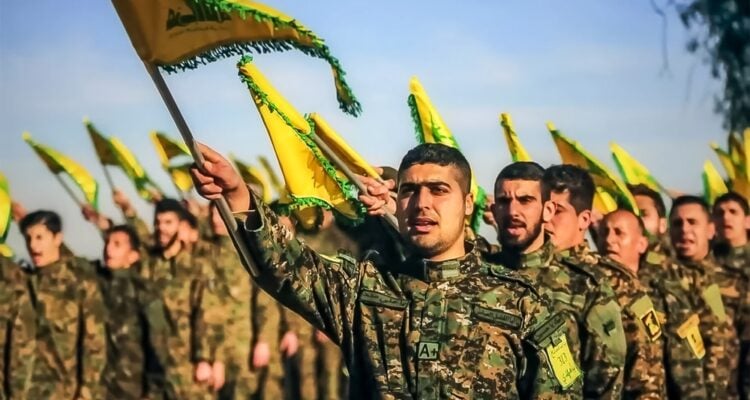
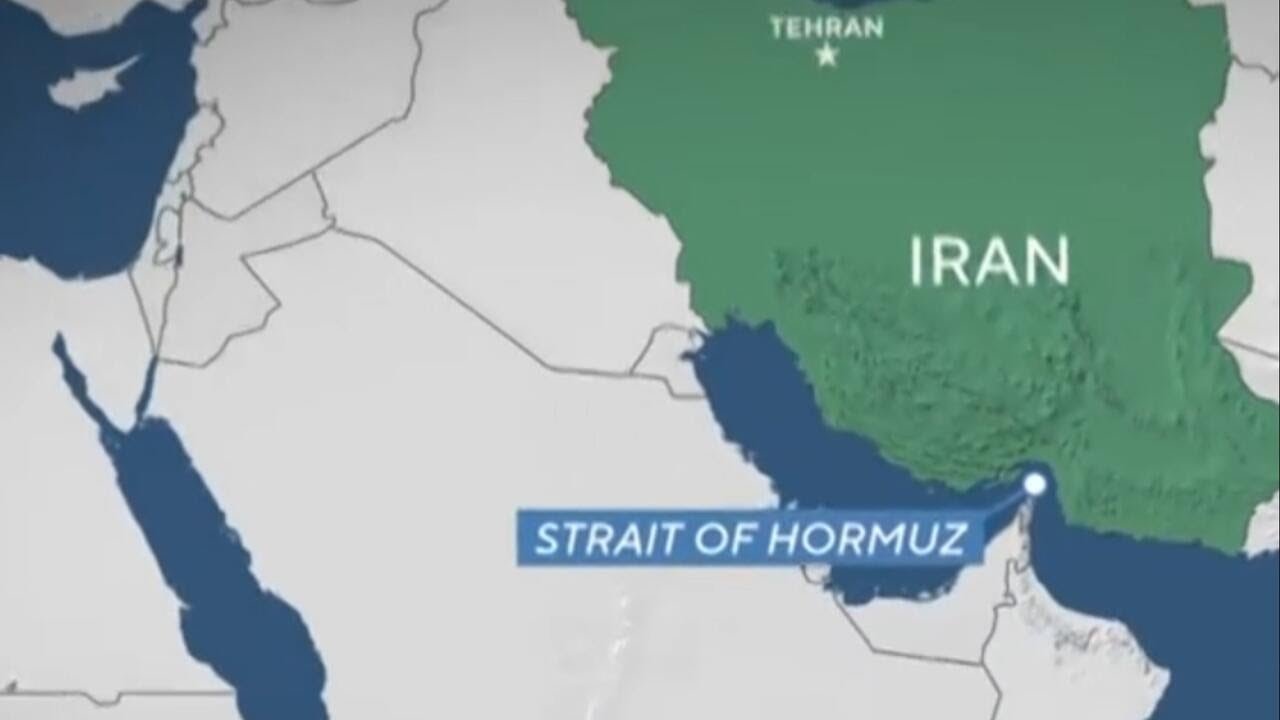
The move marks an escalation in Israel’s campaign against Hezbollah, the powerful Iranian-backed Shiite militia that has been engaged in intermittent hostilities with Israel amid the broader regional conflict involving Iran and its allied proxy groups.
Israeli officials have emphasized that the current operations are part of a defensive strategy rather than a large-scale invasion, aimed at strengthening Israel’s forward defense line along the northern border. According to the Israel National News report, the IDF has framed the activity as an effort to establish what military planners refer to as a “forward defensive area.” This concept involves pushing Israeli forces into key tactical positions in southern Lebanon where Hezbollah infrastructure has been used to stage attacks against Israeli territory.
By disrupting these positions and dismantling terrorist networks in the area, Israeli commanders believe they can reduce the threat of rocket fire, infiltration attempts, and other cross-border attacks targeting Israeli civilians.
Military officials have repeatedly stressed that Hezbollah’s decision to join the ongoing hostilities has made such operations unavoidable. “The IDF will continue to operate with determination against the Hezbollah terrorist organization,” the military said in a statement quoted by Israel National News, emphasizing that Hezbollah has aligned itself with Iran’s broader regional confrontation with Israel.
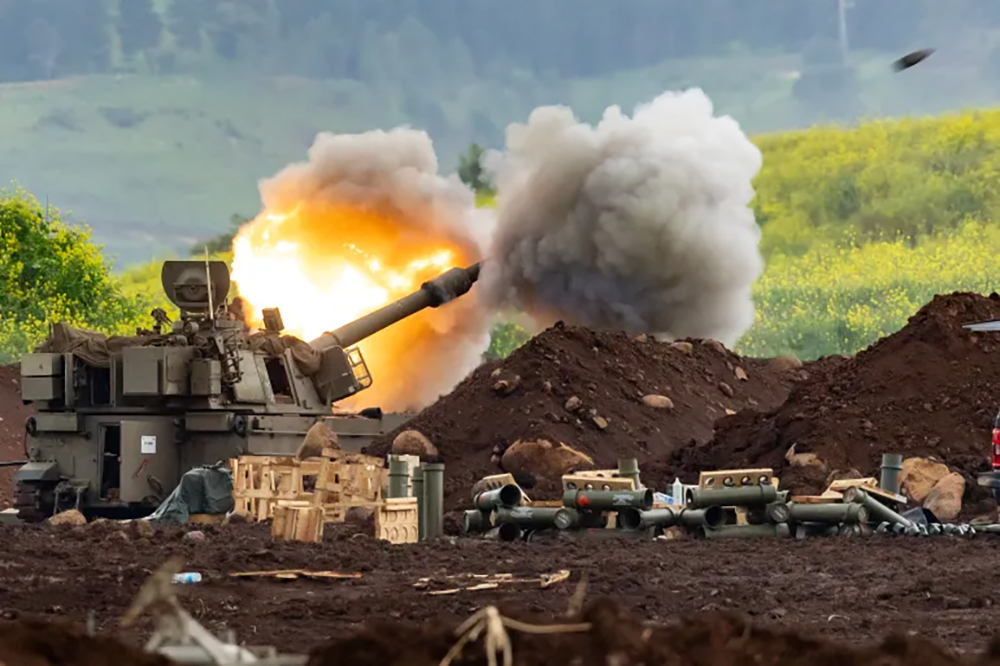
Before Israeli ground units advanced into the operational zone, the IDF launched an extensive preparatory campaign involving artillery bombardments and airstrikes conducted by the Israeli Air Force. These strikes targeted known Hezbollah positions, weapons depots, observation posts, and logistical infrastructure believed to be used for coordinating attacks against Israeli territory. According to the Israel National News report, the purpose of the aerial and artillery strikes was to degrade Hezbollah’s operational capabilities and reduce risks to Israeli soldiers before they entered contested areas.
“Prior to the troops’ entry into the area, the IDF conducted strikes using both artillery and the Israeli Air Force against numerous terrorist targets,” the military confirmed. Such combined operations—integrating air power, artillery, and ground forces—have become a hallmark of Israel’s military strategy in recent years, allowing for rapid neutralization of threats while minimizing risks to Israeli personnel.
The current escalation comes amid growing concern within Israel’s security establishment that Hezbollah has intensified its involvement in the wider regional conflict. Since the outbreak of hostilities linked to Operation Epic Fury, the joint U.S.-Israeli campaign against Iranian strategic assets, Hezbollah has increased rocket fire and cross-border activity along Israel’s northern frontier.
According to assessments cited by Israel National News, Hezbollah units operating in southern Lebanon have attempted to exploit the broader regional tensions by launching attacks against Israeli border communities and military positions. Israeli officials have repeatedly accused the group of acting as an extension of Iran’s military strategy in the region. “Hezbollah chose to join the hostilities and operate under the sponsorship of the Iranian terror regime,” the IDF said in a statement referenced by Israel National News.
The organization, which possesses an estimated arsenal of tens of thousands of rockets and missiles, has long been regarded by Israeli defense planners as one of the most serious security threats facing the country.
For residents of Israel’s northern towns and villages, the developments along the Lebanese border carry immediate and deeply personal implications. Communities across the Galilee region, including cities such as Kiryat Shmona, Metula, and Nahariya, have endured repeated rocket alerts and security incidents since tensions with Hezbollah escalated.
The IDF’s current operations are designed in part to create an additional protective layer for these communities, as was noted in the Israel National News report. While ground operations continue in Lebanon, Israeli forces remain deployed in defensive positions inside Israel to safeguard civilian populations. “IDF soldiers continue to carry out defensive missions to protect Israeli communities in the Galilee,” military officials said.
The creation of a forward defense zone is intended to push potential threats further away from Israeli population centers, reducing the risk of sudden cross-border attacks.
The confrontation between Israel and Hezbollah dates back decades, but the group’s military capabilities have grown significantly in recent years. Backed financially and militarily by Iran, Hezbollah has transformed itself from a guerrilla movement into a heavily armed paramilitary force with advanced missiles, drones, and fortified positions throughout southern Lebanon.
Israeli intelligence assessments cited by Israel National News indicate that Hezbollah has invested heavily in constructing underground bunkers, rocket-launching sites, and surveillance systems along the border. These installations often blend into civilian environments, complicating Israel’s efforts to neutralize them without causing collateral damage.
The targeted ground operations currently underway are believed to focus on key nodes within this infrastructure network, allowing Israeli forces to dismantle specific threats while avoiding a broader military confrontation. Despite the escalation, Israeli officials have emphasized that the operations are limited in scope and carefully calibrated.
A full-scale ground invasion of Lebanon would carry enormous risks, potentially drawing the region into a broader conflict involving Iran and other terrorist groups. Instead, the IDF appears to be pursuing a strategy of precision operations aimed at degrading Hezbollah’s capabilities without triggering an uncontrollable escalation.
Analysts cited by Israel National News note that such operations allow Israel to apply military pressure while retaining flexibility in managing the conflict. However, they also warn that the volatile dynamics along the northern border could change rapidly if Hezbollah responds with large-scale rocket attacks or other aggressive measures.
For now, Israeli military officials have made it clear that the operations will continue as long as Hezbollah forces remain active along the border. “The IDF will not allow harm to Israeli civilians,” the military declared in a statement reported by Israel National News. That determination reflects the central objective guiding Israel’s northern strategy: ensuring that the residents of northern Israel can live without the constant threat of cross-border violence.