










|
Getting your Trinity Audio player ready...
|
By: Jason Ostedder
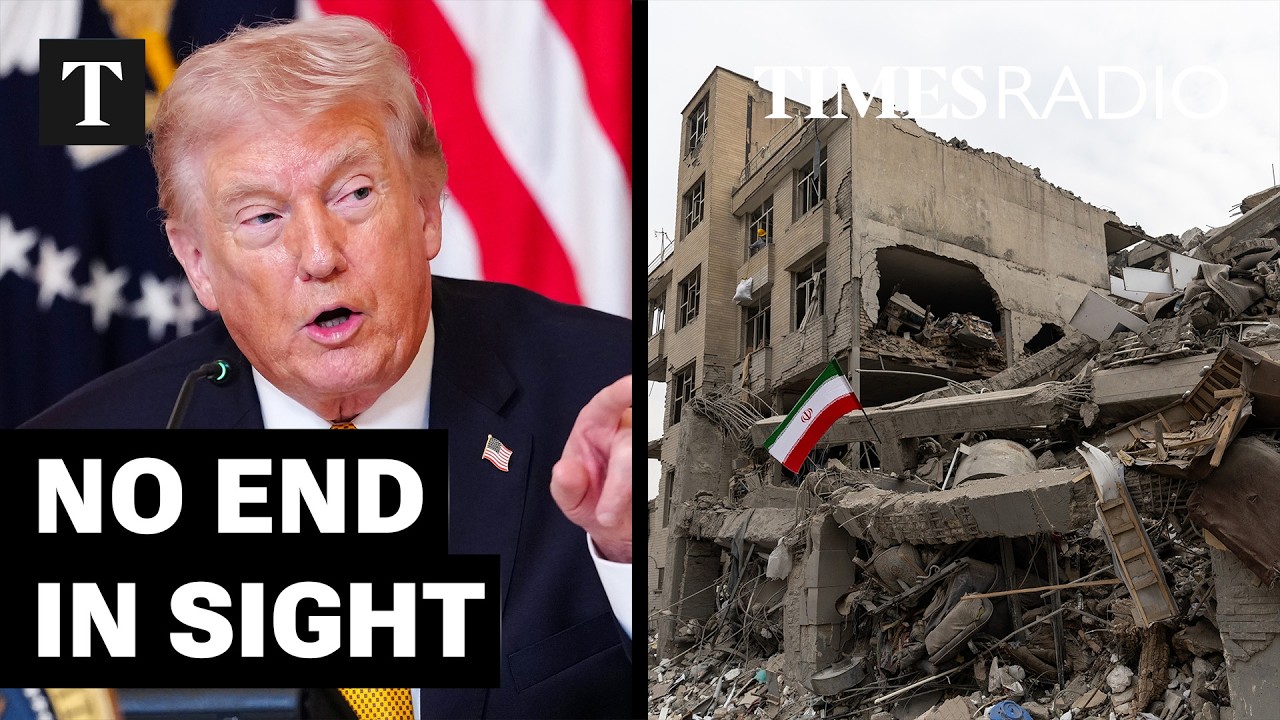
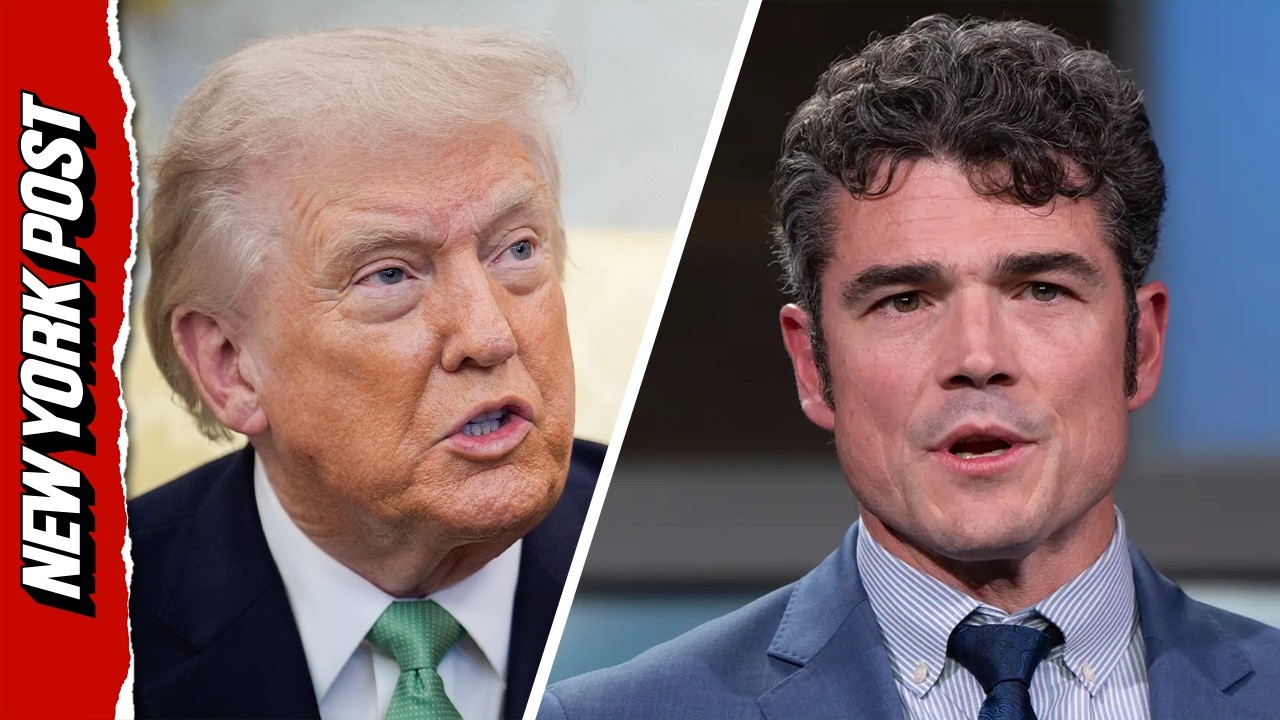
As the sweeping U.S.-Israeli military campaign against the Iranian regime enters a decisive stage, President Donald Trump declared on Sunday that Tehran is now “essentially defeated” militarily but remains unwilling to accept the terms necessary to end the conflict. Speaking to reporters aboard Air Force One, the president signaled that Operation Epic Fury—the joint campaign launched by Washington and Jerusalem against Iran’s military infrastructure—will continue unabated until its objectives are fully realized.
Trump’s remarks, reported on Monday by The Jewish News Syndicate (JNS), offered one of the most detailed assessments yet of the strategic impact of the operation, which began on February 28 and has since transformed the military balance in the Middle East.
“I guess they can have a little bit of fight back, but not much,” Trump said. “We’ve taken out their air force, navy, air defenses—no air defense whatsoever. We’ve taken out their leadership times two or three, maybe three. We’ll find out soon. But militarily it’s been amazing.”
His comments underscored a striking assertion by the White House that the Iranian regime’s capacity to wage conventional warfare has been severely crippled.
The United States and Israel initiated Operation Epic Fury in response to what officials described as the Iranian regime’s expanding nuclear ambitions, ballistic missile development, and long-standing support for terrorist proxies across the Middle East.
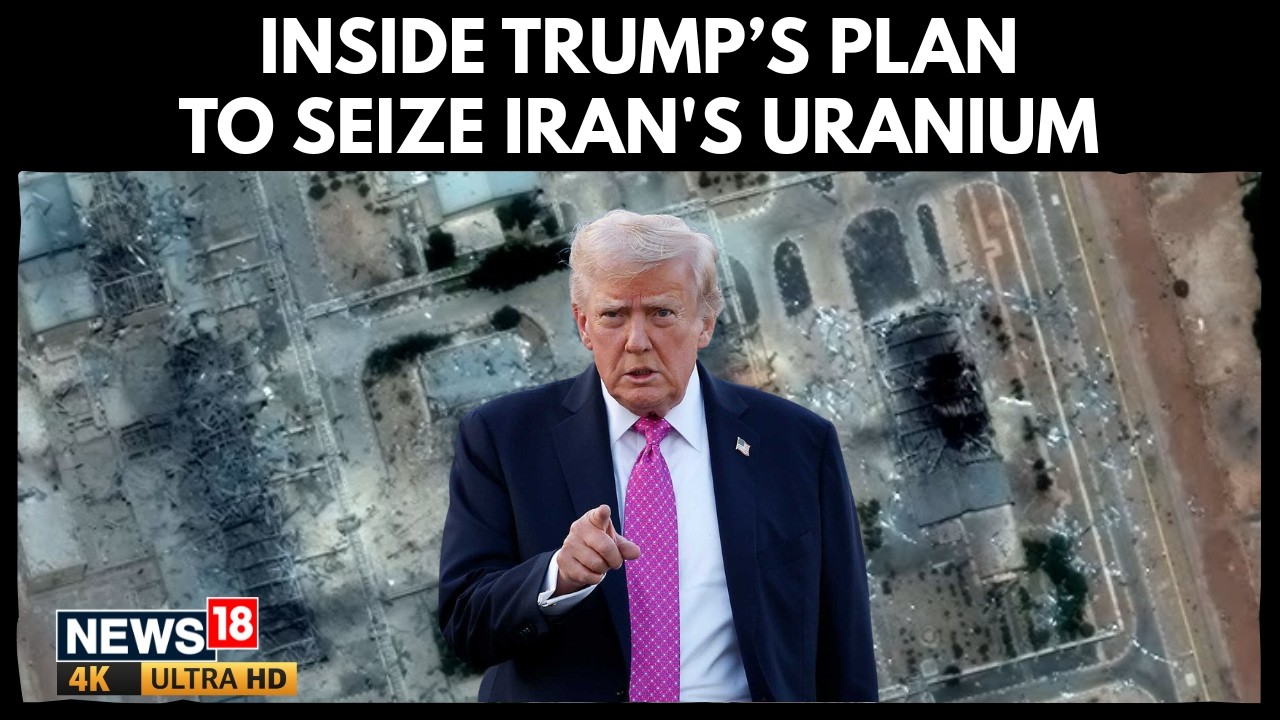
According to the JNS report, the campaign has targeted an extensive network of Iranian military facilities, including missile production plants, drone factories, naval bases, command-and-control centers, and installations tied to Tehran’s controversial nuclear program.
American and Israeli forces have carried out thousands of coordinated strikes over the past three weeks.
These operations have reportedly resulted in the deaths of multiple high-ranking officials within Iran’s military and security apparatus, including senior members of the Islamic Revolutionary Guard Corps (IRGC). The campaign’s strategic objective, officials say, is to permanently degrade Iran’s ability to threaten Israel, the United States, and their regional partners.
Trump emphasized that the effort has already produced “very strong results militarily.”
One of the central pillars of Iran’s military strategy in recent years has been its growing arsenal of ballistic missiles and unmanned aerial vehicles. These weapons have been deployed both directly by Iranian forces and indirectly through proxy groups such as Hezbollah and the Houthis.
However, according to figures cited by JNS, Operation Epic Fury has dramatically reduced Iran’s ability to deploy these systems.
“Their missiles are down to a low number—you see they’re shooting very few of them,” Trump told reporters. “You know why? Because they don’t have very many of them and because we’ve decimated their manufacturing capability.”
Trump added that Iran’s drone attacks have also plummeted. “Likewise, the drones are way down, about 20 percent of what they had,” he said.
White House data released over the weekend suggests that Iranian drone attacks have declined by approximately 95 percent since the start of the operation. The same figures indicate that more than 6,000 Iranian military targets have been struck, while over 90 Iranian naval vessels have been sunk or destroyed.
Perhaps the most consequential development cited by the administration is the claim that American and Israeli forces have achieved total aerial dominance over Iranian territory.
According to statements highlighted by JNS, Iran’s air defense network has been almost entirely dismantled.
The White House posted on social media Saturday that “Iran’s ballistic missile capacity is functionally destroyed. Their navy assessed combat ineffective. Complete and total aerial dominance over Iran.” Military analysts say such dominance allows coalition forces to strike Iranian targets with minimal risk from anti-aircraft defenses.
This has enabled sustained operations against strategic facilities across the country, including weapons factories and logistics hubs.
Despite the dramatic military setbacks described by Washington, Trump indicated that Iranian officials are quietly seeking diplomatic engagement. “They want to negotiate badly, as they should,” Trump said. However, the president suggested that Tehran has not yet accepted the conditions necessary for meaningful talks. “I don’t think they’re ready to do what they have to do,” he added. “But I think they will be ready at some point.”
According to the JNS report, the administration has made clear that negotiations would require Iran to abandon key elements of its strategic posture, including its nuclear ambitions and its missile programs. These demands have historically been unacceptable to the Iranian leadership.
Beyond targeting military installations, Operation Epic Fury has also struck critical components of Iran’s economic infrastructure. Among the most significant operations was the strike on Kharg Island, Iran’s principal oil export terminal in the Persian Gulf.
Trump confirmed that U.S. forces attacked the facility but deliberately left one section intact. “We have it all locked and loaded and ready to go if we want to do it,” the president said. “But we chose not to do it. I chose not to do it.”
According to the JNS report, the decision appears to reflect a calculated effort to apply economic pressure while leaving room for escalation should Iran refuse to negotiate. Kharg Island processes the overwhelming majority of Iran’s oil exports, making it one of the most strategically important economic assets in the country.
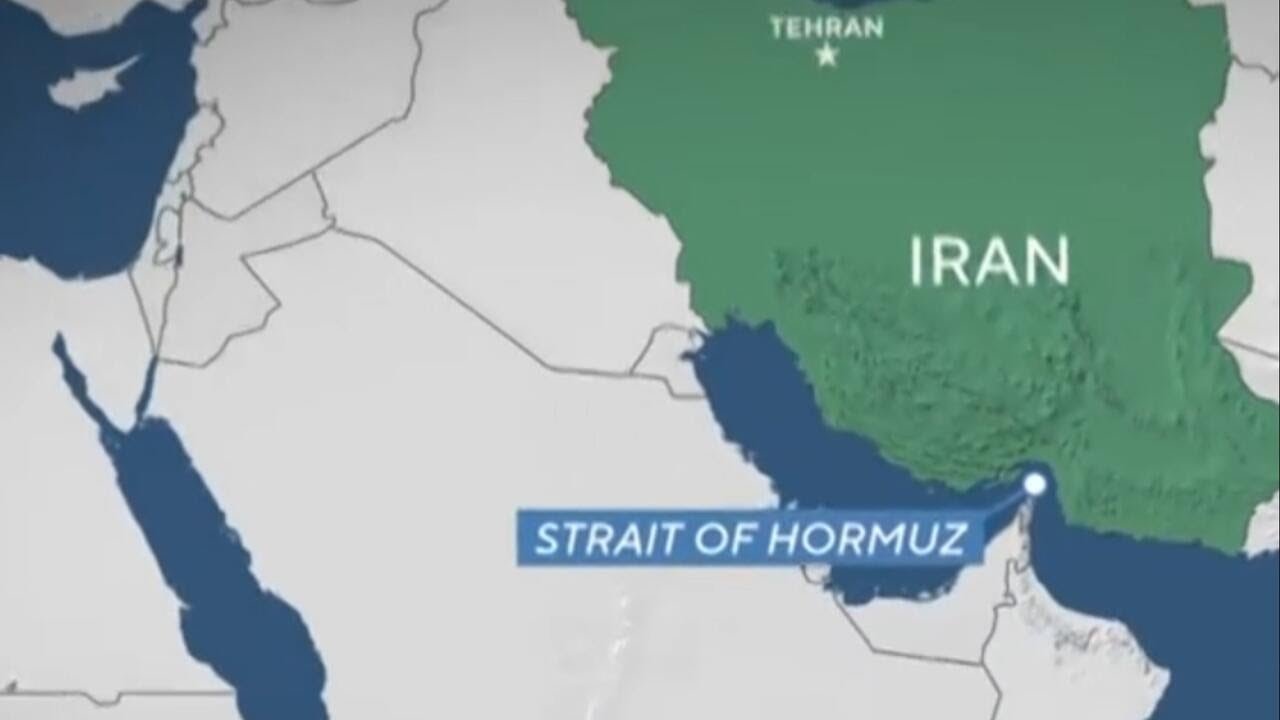
The conflict has also drawn attention to the Strait of Hormuz, a narrow maritime passage through which roughly one-fifth of the world’s oil supply normally travels. Iran has repeatedly threatened to disrupt shipping in the waterway, a move that could send global energy markets into turmoil.
Trump called on other nations to help secure the strait. He specifically urged countries that rely heavily on Gulf oil to contribute naval forces to protect the shipping lanes. “It would be nice to have other countries police that with us,” Trump said. “And we’ll help, we’ll work with them.”
The president singled out China, which imports enormous quantities of crude oil from Persian Gulf producers. As JNS reported, nearly 90 percent of China’s Gulf oil imports pass through the Strait of Hormuz, making the waterway vital to Beijing’s energy security.
Trump suggested that China and NATO allies alike should participate in maritime security efforts. “It will be interesting to see what country wouldn’t help us with a very small endeavor, which is just keeping the Strait open,” he said. The possibility of disruption in the Strait of Hormuz has already sent shockwaves through global energy markets.
Oil prices surged above $100 per barrel following the outbreak of hostilities, raising concerns about inflation and economic instability. Analysts cited by JNS warn that prolonged conflict could reshape global energy flows, forcing countries to seek alternative supply routes. However, Trump has downplayed concerns about rising fuel costs in the United States, arguing that American energy production provides a buffer against external shocks.
Throughout his remarks, Trump repeatedly emphasized the capabilities of the U.S. armed forces. “We have the strongest military anywhere in the world by far, not even a contest,” he said. The president compared the campaign to previous U.S. operations abroad, suggesting that Operation Epic Fury reflects the same overwhelming force that has characterized American military dominance.
“So it’s a very strong military operation,” Trump said. “And I think people understand that.”
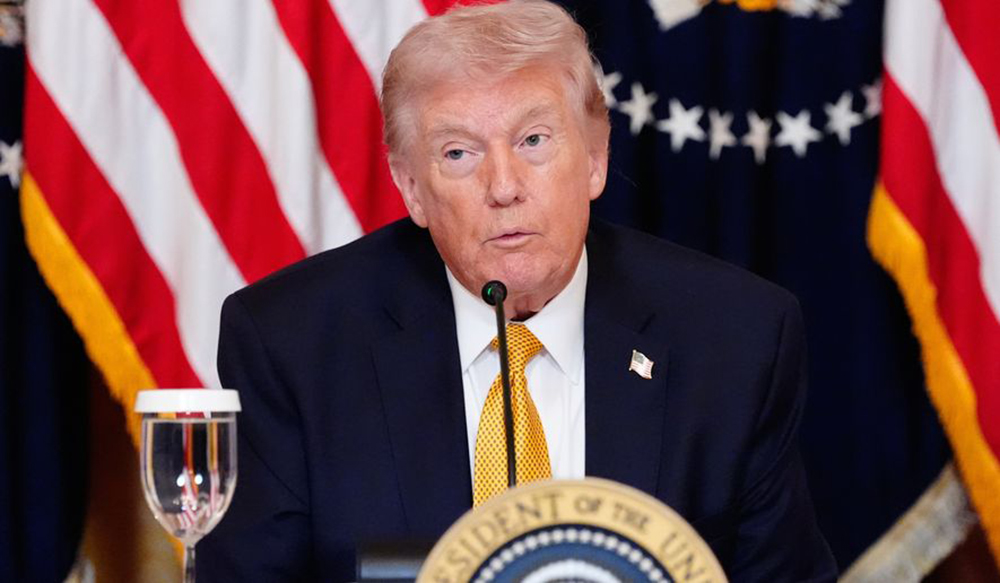
For now, the conflict remains in a volatile phase. Iran continues to launch occasional missile and drone attacks, though at a sharply reduced rate, while coalition forces maintain relentless pressure on Iranian infrastructure. The coming weeks may determine whether Tehran ultimately agrees to negotiations or whether the war expands further.
According to the JNS report, the Trump administration believes the Iranian leadership is approaching a strategic crossroads. Faced with mounting military losses, economic strain, and growing international isolation, Tehran may soon find itself forced to choose between continued confrontation and a diplomatic settlement.
Until then, Trump has made one point unmistakably clear. “We will finish the job,” he said.
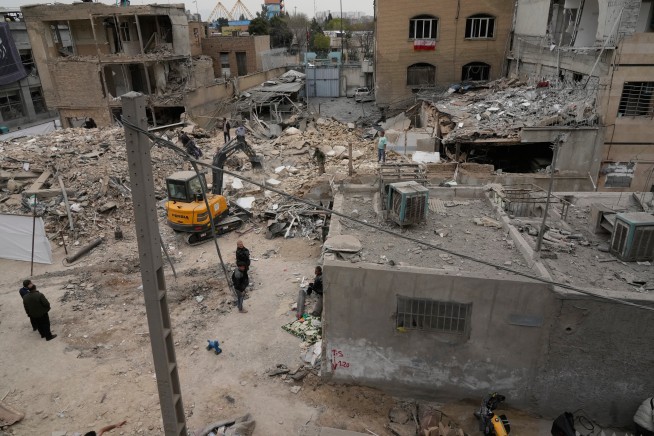
Meanwhile, Israel faced another volatile and dangerous day of warfare on Monday as missile debris from Iranian ballistic attacks rained down across Jerusalem while rockets launched from Lebanon struck communities in the Western Galilee, injuring civilians and causing significant property damage. The incidents highlighted the growing strain placed on Israel’s civil defense systems as the country confronts simultaneous threats from Iran and its proxy forces across multiple fronts.
According to extensive reports cited by Israel National News, the attacks triggered widespread sirens, emergency responses across several cities, and dramatic scenes of destruction—from damaged homes and burning vehicles to fragments of missiles landing near some of the most sensitive and historic sites in Jerusalem.
While the country’s advanced air defense systems intercepted most incoming threats, falling debris and shrapnel still caused injuries and sparked fires across multiple regions.
One of the most serious incidents occurred Monday evening at Kabri Junction in the Western Galilee, where a man sustained moderate injuries after being struck by shrapnel during a barrage launched from Lebanon. Emergency medical teams quickly arrived at the scene and evacuated the injured man to the hospital in Nahariya, where he received treatment for his wounds.
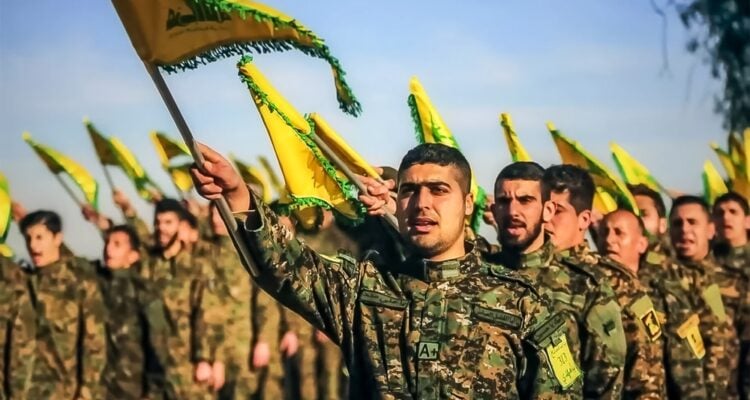
The attack came as Israeli communities along the northern border once again found themselves under fire, with rockets believed to have been launched by Hezbollah, the Iranian-backed terrorist organization operating in southern Lebanon. As reported by Israel National News, Israeli security forces immediately launched an investigation into the origin of the strikes and the resulting damage across the region.
At roughly the same time as the Kabri Junction incident, multiple impact sites were reported in the coastal city of Nahariya, prompting a large-scale emergency response.
Police officers from the Coastal District, Israel Border Police units, and specialized bomb disposal teams were deployed throughout the city to secure affected areas and assess damage.
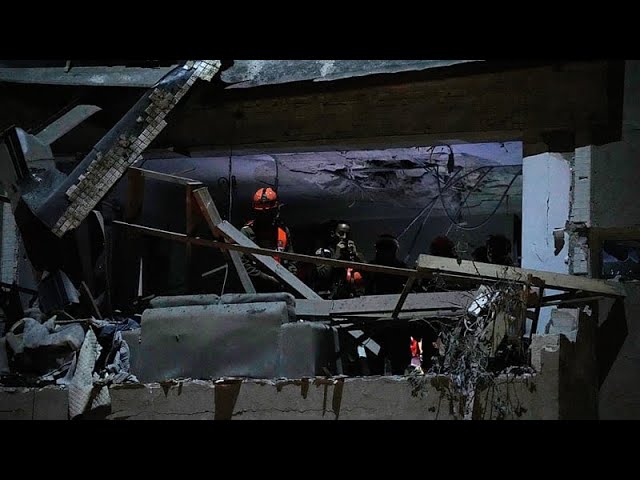
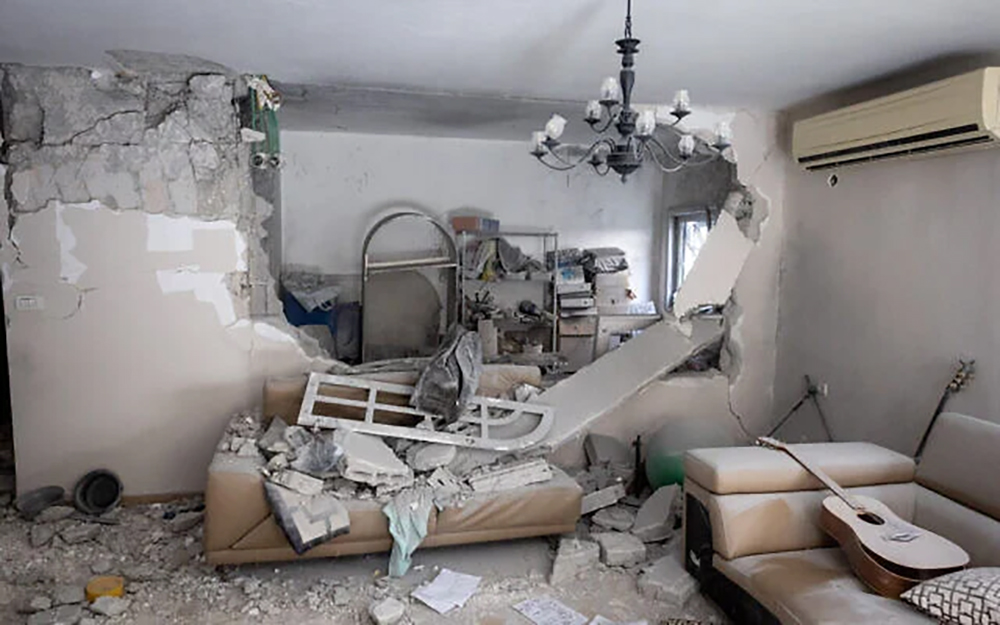
According to reports cited by Israel National News, one residential home in Nahariya sustained a direct hit, igniting a fire inside the structure and trapping members of a family within.
Emergency responders rushed into the building and successfully evacuated the occupants. Six people were transported to the hospital suffering from smoke inhalation, including two children and four adults. Fortunately, no life-threatening injuries were reported.
However, the dramatic rescue underscored the dangers facing civilians living near Israel’s northern frontier.
Israeli defense officials are also examining a troubling possibility regarding the Nahariya strike. According to the Israel Defense Forces (IDF), preliminary evidence suggests that the damage to the house may not have been caused by the incoming rocket itself, but by an interceptor missile that malfunctioned during an attempted interception. Air defense systems such as Iron Dome frequently destroy incoming rockets midair, but fragments from both the intercepted projectiles and the interceptors themselves can fall to the ground. The IDF confirmed that the circumstances of the incident are still under investigation.
Meanwhile, emergency responders continued to battle fires and assess structural damage. Tal Volovitz, spokesperson for Israel Fire and Rescue Services, explained in an interview with Kan Reshet Bet that rescue crews were facing major operational challenges. “Emergency crews are having difficulty reaching some of the sites due to ongoing waves of sirens,” Volovitz said.
The continued alerts forced teams to repeatedly seek shelter while responding to fires and damage across the region.
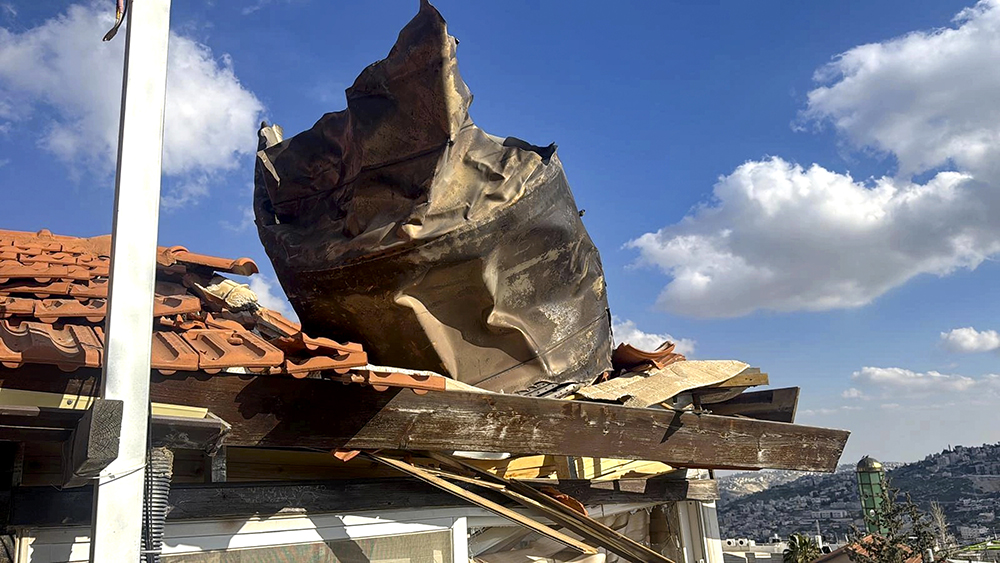
While northern Israel faced rocket fire from Lebanon, the nation’s capital was simultaneously dealing with the aftermath of an Iranian ballistic missile barrage. According to Israel National News, fragments from intercepted Iranian missiles fell across several areas of Jerusalem, including some of the city’s most politically and historically significant locations. In one particularly alarming incident, debris landed just meters away from the Prime Minister’s Office.
Other fragments were reported in a wide range of locations across the city, including the Temple Mount plaza, the Church of the Holy Sepulchre complex, the Jewish Quarter of the Old City, the area near the Knesset and multiple neighborhoods in eastern Jerusalem.
Although the falling debris caused structural damage and sparked fires, authorities reported no major casualties. One individual suffered minor injuries after touching a piece of hot shrapnel in eastern Jerusalem and was treated for burns before being transported to a hospital.
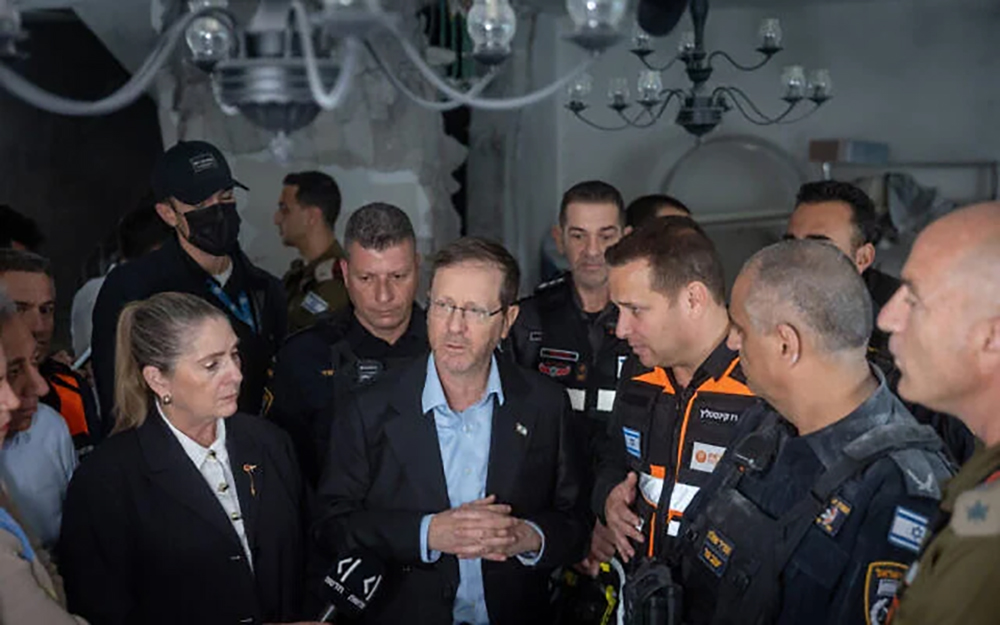
Perhaps the most unusual and symbolic incident occurred in Jerusalem’s Geula neighborhood, where a large fragment from an Iranian missile penetrated the ceiling of the main study hall belonging to the Boyan Hasidic court. The fragment struck the building located on Malchei Yisrael Street near Brandeis Street, causing significant damage inside the religious facility.
According to the Israel National News report, the timing of the incident was particularly striking. Members of the Boyan Hasidic community had been inside the building preparing for a festive celebration scheduled for later that evening. The event was intended as a preliminary gathering ahead of the upcoming wedding of the granddaughter of the Boyaner Rebbe, which had been planned for Wednesday.
Production crews and community organizers were in the middle of preparations when the missile fragment tore through the roof. Fortunately, no injuries were reported. However, the damage has forced the community to reconsider its plans. Community members are currently awaiting guidance from the Boyaner Rebbe regarding how the wedding celebrations will proceed.
The events of Monday illustrate the complex and multi-layered security challenge Israel currently faces. The country is simultaneously confronting ballistic missile attacks from Iran, rocket barrages from Hezbollah in Lebanon and ongoing threats from other Iranian-backed groups across the region.