
























|
Getting your Trinity Audio player ready...
|
By: Fern Sidman
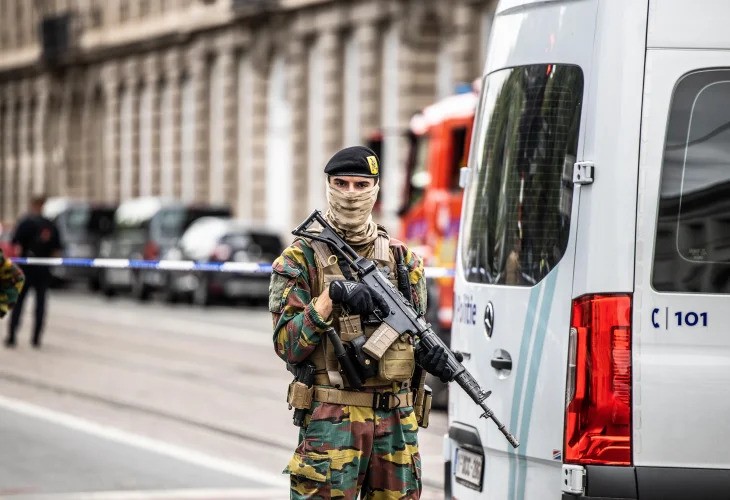
In a striking and highly symbolic escalation of domestic security measures, Belgium has deployed military personnel to protect Jewish institutions across the country following a recent synagogue attack and a broader surge in antisemitic threats. The decision, announced by senior government officials, reflects mounting concern within European capitals over the safety of Jewish communities as incidents of violence and intimidation continue to rise.
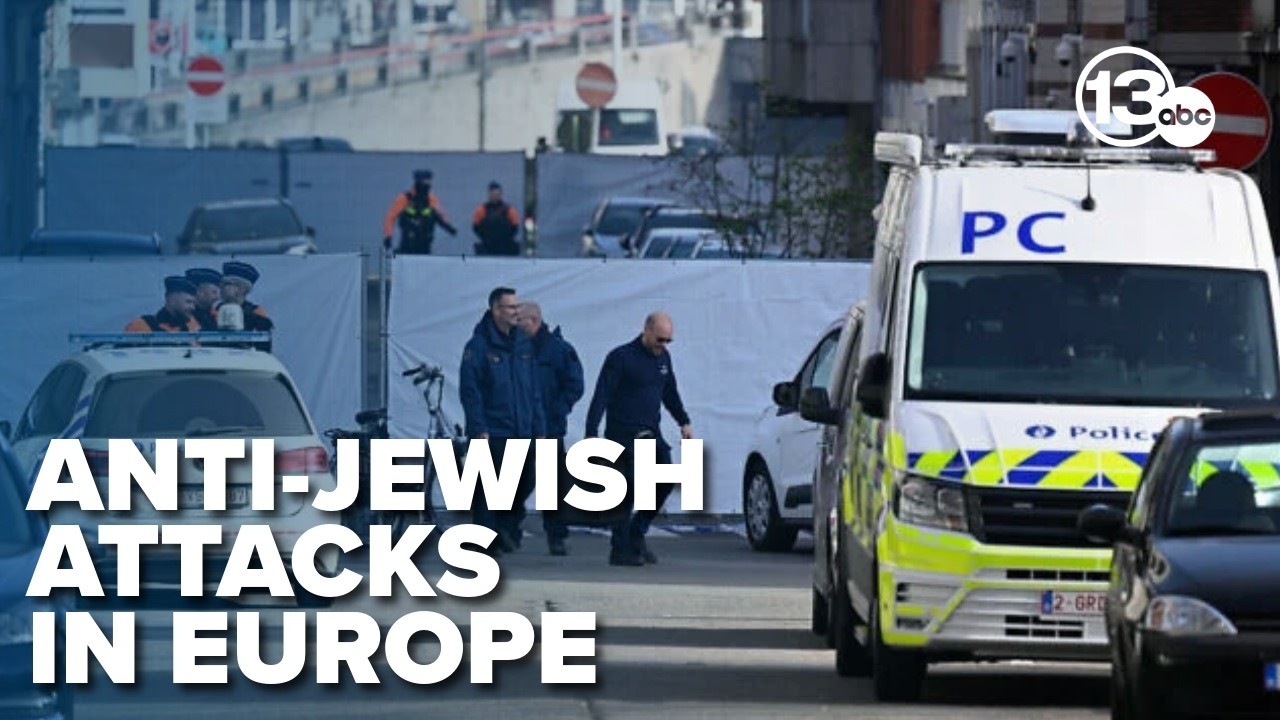
According to a report on Wednesday by VIN News, Belgian authorities have taken the unusual step of assigning soldiers to guard synagogues, schools, and other Jewish communal sites. The move is intended to reinforce existing police operations and provide an added layer of protection in what officials have described as a “serious” and evolving security environment.
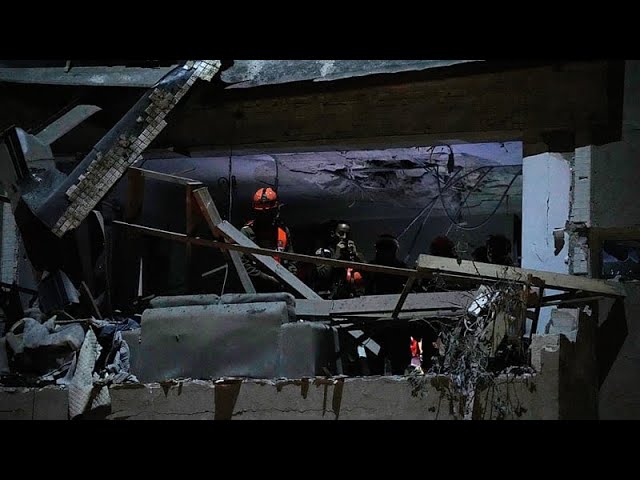
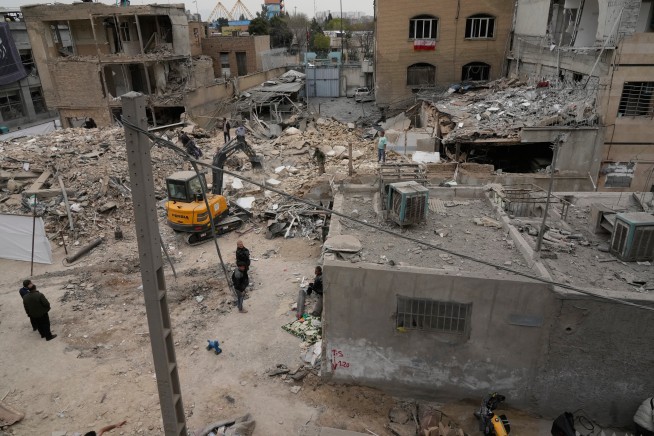
The deployment follows a disturbing incident in the city of Liège, where an explosion targeted a synagogue. The attack, claimed by a group identifying itself as the Islamic Movement of the Companions of the Right, has intensified fears among Jewish residents and prompted urgent discussions within the Belgian government.
While the full details of the attack remain under investigation, its symbolic impact has been profound. As the VIN News report noted, assaults on places of worship carry not only physical consequences but also psychological and communal repercussions, reinforcing a sense of vulnerability among those targeted.
Defense Minister Theo Francken and Interior Minister Bernard Quintin jointly announced the deployment, emphasizing the need for decisive action in the face of escalating threats. Soldiers will now be stationed at key Jewish institutions, working in coordination with local law enforcement agencies.
Belgium’s decision to involve the military in domestic security operations is not without precedent. In the aftermath of major terrorist attacks across Europe over the past decade, several countries have turned to their armed forces to supplement police efforts during periods of heightened alert.
However, the current deployment carries particular significance due to its focus on protecting a specific community. According to VIN News, the measure is designed not only to deter potential attackers but also to reassure Jewish citizens that their safety is being treated as a national priority.
Officials have framed the deployment as a practical response to operational challenges faced by police forces. By assigning soldiers to guard fixed locations, law enforcement personnel can be freed to conduct investigations, patrol broader areas, and respond to emerging threats. “This is about ensuring that we have the resources to meet a very real and growing challenge,” one official explained, as cited in coverage referenced by VIN News.
The developments in Belgium are part of a wider pattern across Europe, where governments are grappling with an increase in antisemitic incidents. From vandalism and harassment to violent attacks, Jewish communities have reported a marked rise in hostility, often linked to geopolitical tensions and extremist ideologies.
As VIN News has repeatedly highlighted, this trend has prompted calls for stronger protective measures, including enhanced security at communal institutions and greater coordination between national and local authorities.
The Belgian government’s decision to deploy troops underscores the seriousness with which it views the current situation. By elevating the response to a level typically reserved for national emergencies, officials are signaling that the threat environment has reached a critical threshold.
Jewish organizations in Belgium have broadly welcomed the move, viewing it as a necessary and timely intervention. Leaders within the community have expressed gratitude for the government’s actions, noting that the presence of armed personnel can provide both practical protection and psychological reassurance.
The European Jewish Congress, in particular, emphasized the importance of safeguarding communal spaces. As reported by VIN News, the organization described the protection of synagogues, schools, and cultural centers as essential in an era of heightened risk.
For many community members, the deployment represents a visible acknowledgment of their concerns. The sight of soldiers stationed outside places of worship serves as a reminder that their security is being taken seriously, even as it also reflects the gravity of the threats they face.
At the same time, community leaders have stressed the importance of remaining vigilant. Security measures, while crucial, are only one aspect of a broader effort to address the root causes of antisemitism and prevent future incidents.
The decision to deploy military personnel has not been without controversy. Some political figures have questioned whether such measures are appropriate in a civilian context, arguing that policing responsibilities should remain within the domain of law enforcement agencies.
Critics have raised concerns about the potential normalization of military presence in everyday life, warning that it could blur the lines between civilian and military roles. Others have suggested that the move may reflect deeper systemic challenges within Belgium’s security infrastructure.
However, supporters of the deployment argue that the extraordinary nature of the threat justifies an equally robust response. As noted in analysis referenced by VIN News, the use of military personnel in such circumstances is not unprecedented and can be an effective means of addressing immediate security needs. This is not about militarizing society,” one official remarked. “It is about protecting citizens in a time of heightened risk.”
Belgium’s use of military forces to guard public sites dates back to earlier periods of crisis, particularly following the wave of terrorist attacks that struck Europe in the mid-2010s. During those years, soldiers were deployed to protect transportation hubs, government buildings, and other high-profile locations.
The current deployment builds on that precedent but introduces a more targeted focus. By concentrating resources on Jewish institutions, the government is responding to a specific and identifiable threat, rather than a generalized security concern.
As the VIN News report observed, this approach reflects a shift toward more tailored security strategies, designed to address the unique vulnerabilities of different communities.
While the deployment of troops provides an immediate response to the current threat environment, it also raises broader questions about the future of security in Europe. As antisemitic incidents continue to rise, governments will need to balance the need for protection with the principles of open and democratic societies.
Long-term solutions are likely to require a multifaceted approach, including education, community engagement, and international cooperation. Addressing the underlying causes of antisemitism—whether rooted in ideology, misinformation, or social tensions—will be essential to preventing future attacks.
At the same time, maintaining public confidence will be critical. The presence of soldiers may offer reassurance, but it also serves as a stark reminder of the challenges that lie ahead.
Belgium’s decision to deploy military personnel to protect Jewish institutions marks a defining moment in the country’s response to rising antisemitic threats. It reflects both the urgency of the current situation and the determination to act decisively in the face of danger.
As documented by VIN News, the move has been met with a mixture of support and debate, highlighting the complexity of the issues at stake. Ultimately, the deployment is about more than security; it is about safeguarding the values of tolerance, diversity, and coexistence that underpin Belgian society. In choosing to act, the government has sent a clear message: that the protection of its citizens, regardless of faith or background, remains an absolute priority.
In a time of uncertainty, that message may prove as important as the soldiers themselves.



1 Comment
Baruch Friedman
April 9, 2026Belgium as well as other European countries have invited in millions of Moslem, Islamists , radicals who vow with hatred , terror against Jews. They are now joined by ample indigenous antisemites. It is like lead up to the Holocaust, 1930s Europe, with different protagonists. This mass immigration and incessant condemnation of Israel by governments and media without balance, has egged on attacks on their own citizen-Jews. Most likely spelling doom for the future of Jewish life in most of Europe.