




|
Getting your Trinity Audio player ready...
|
By: Fern Sidman
In a striking juxtaposition that has ignited debate across political, academic, and security circles, a growing number of individuals connected to Iran’s ruling elite are living, studying, and teaching in the United States—even as the regime they are linked to continues to denounce America as its principal adversary. The phenomenon, highlighted by The New York Post in a report on Wednesday, has raised urgent questions about national security, ideological influence, and the contradictions embedded within globalized education systems.
At a time when tensions between Washington and Tehran have reached a fever pitch—marked by military confrontation, economic sanctions, and rhetorical hostility—the presence of relatives of high-ranking Iranian officials in prestigious American institutions presents a complex and deeply controversial narrative. Critics argue that this situation embodies a troubling paradox: while Iranian leaders publicly condemn the United States, their families often seek opportunity, safety, and prestige within its borders.
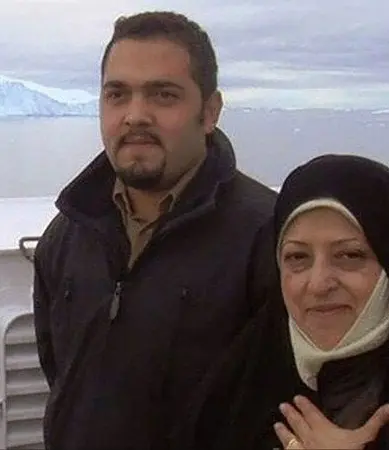
Eissa Hashemi
According to the information provided in The New York Post report, children and relatives of senior Iranian officials are currently enrolled in or employed by some of the most respected universities in the United States. These include institutions such as the University of Massachusetts, Union College in New York, George Washington University, Emory University, and the University of Illinois Urbana-Champaign.
While there is no evidence that these individuals themselves have engaged in wrongdoing, their familial ties to the Iranian regime have sparked concern among analysts and activists. The issue is not merely one of individual presence, but of broader influence—particularly in academic environments that shape public discourse and policy perspectives.
Janatan Sayeh, an analyst at the Foundation for the Defense of Democracies, articulated this concern in remarks cited by The New York Post. He warned that Iranian academics connected to the regime could play a role in shaping public opinion in subtle ways, potentially portraying the government in a more favorable or misleading light.
“I would think that there would be a security risk,” Sayeh noted, suggesting that such figures could contribute to narratives that obscure the regime’s hardline policies and human rights record.
Among the most prominent examples is Fatemeh Ardeshir-Larijani, the daughter of Ali Larijani, a senior Iranian political figure who was recently killed in an airstrike. Ardeshir-Larijani worked as a medical doctor at Emory University’s Winship Cancer Institute, one of the leading oncology centers in the United States.
Her presence in the country drew particular scrutiny due to the circumstances of her arrival. According to dissidents cited by The New York Post, she initially came to the United States for cancer treatment—a stark contrast to the limited access to advanced healthcare faced by many ordinary Iranians.
Lawdan Bazargan, a human rights activist, criticized this disparity, emphasizing the broader inequities within Iranian society. “Millions of Iranians are denied access to basic health care and opportunity,” she said, highlighting what she described as the regime’s systemic hypocrisy.
Following mounting pressure from activists and public campaigns, Ardeshir-Larijani reportedly parted ways with Emory University earlier this year. A petition calling for her deportation garnered more than 156,000 signatures, reflecting the intensity of public sentiment surrounding the issue.
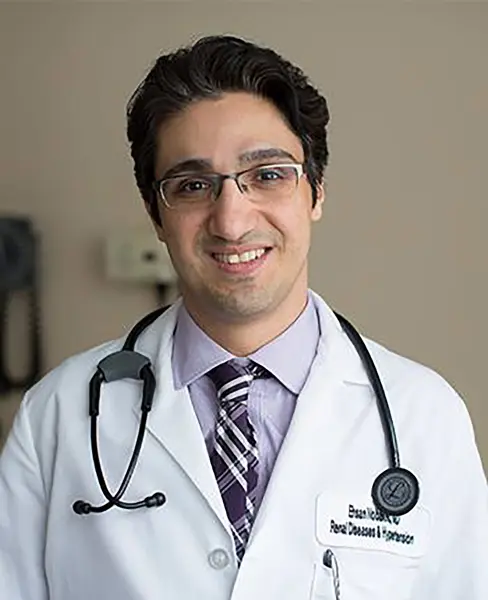
George Washington University School of Medicine
In New York, Leila Khatami, the daughter of former Iranian President Mohammad Khatami, has been teaching mathematics at Union College. While her father is often described as a reformist, critics argue that he remained part of a system responsible for repression and human rights abuses.
After recent military developments involving Iran, Khatami’s profile was removed from the college’s website, according to The New York Post report. This move, whether precautionary or coincidental, underscores the heightened scrutiny faced by individuals with connections to the Iranian political establishment.
Public reaction has been swift and, at times, severe. A petition urging authorities to investigate Khatami’s immigration status attracted tens of thousands of signatures, though no evidence has emerged suggesting any legal wrongdoing on her part.
Within Iran, the term “Aghzadeh” is often used to describe the children of powerful elites—individuals who benefit from privilege and access unavailable to the broader population. These figures are frequently criticized for enjoying the freedoms and opportunities of Western societies while their families maintain restrictive and often oppressive policies at home.
Experts estimate that between 4,000 and 5,000 relatives of Iranian officials may currently reside in the United States, with additional numbers in countries such as Canada and Australia. As The New York Post notes, tracking these individuals can be challenging, particularly when family names differ.
This phenomenon has fueled resentment among Iranians both inside and outside the country, many of whom view it as emblematic of systemic inequality and hypocrisy.
Several other individuals cited in g by The New York Post illustrate the breadth of this trend.
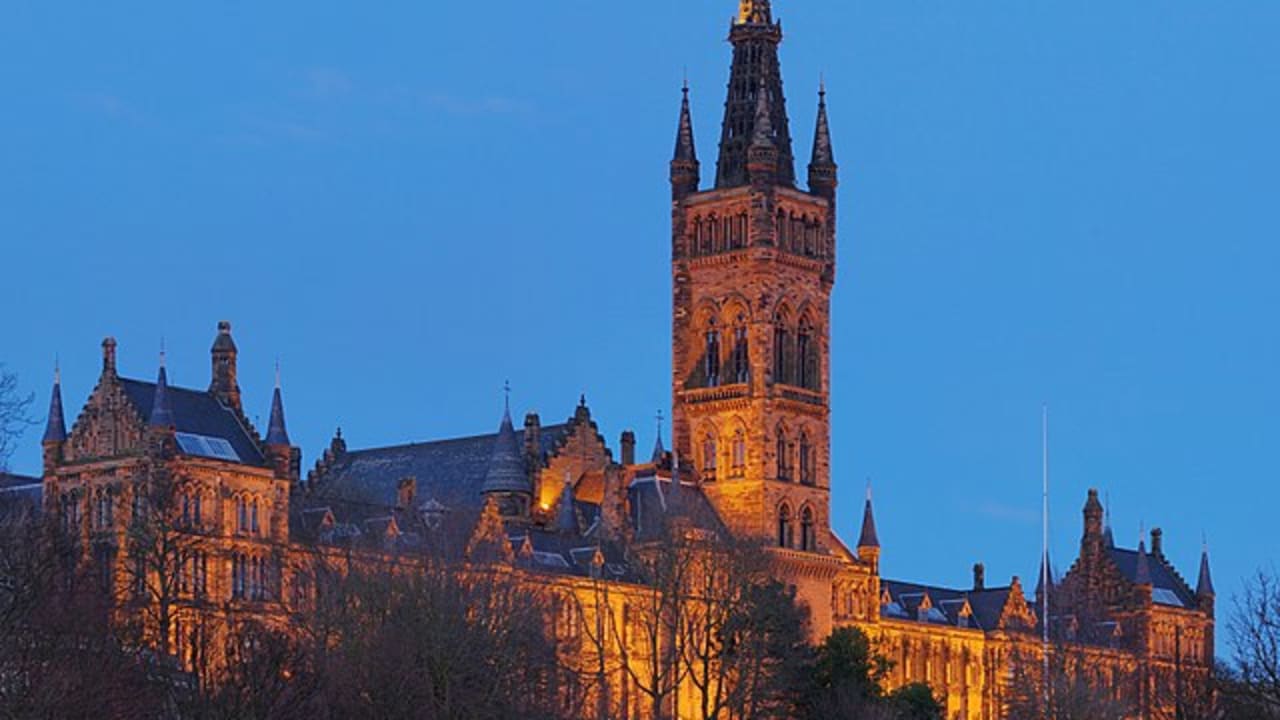
University of Illinois
Zahra Mohaghegh Damad, for example, is a professor of nuclear engineering at the University of Illinois Urbana-Champaign. She is the daughter of a prominent cleric and a niece of Ali Larijani. Her work involves analyzing the safety and risks associated with complex technological systems, including nuclear reactors.
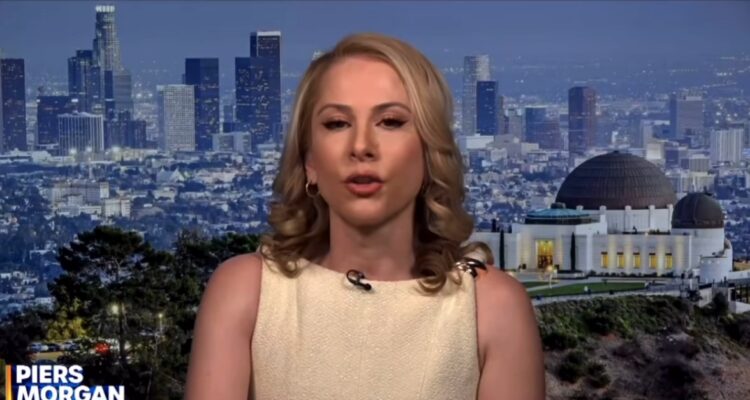
Eissa Hashemi, an associate professor in Los Angeles, is the son of Masoumeh Ebtekar, a former government spokesperson during the 1979 hostage crisis and later a senior official overseeing environmental and women’s issues. Her role in the early days of the Islamic Republic, particularly during the hostage crisis, remains a point of contention.
Zeinab Hajjarian, a biomedical engineering professor at the University of Massachusetts Lowell, is the daughter of a key figure in Iran’s intelligence apparatus. Meanwhile, Ehsan Nobakht, a medical professor at George Washington University, comes from a family with deep ties to Iran’s political and healthcare systems.
These individuals represent a cross-section of academic disciplines and professional roles, highlighting the extent to which members of Iran’s elite families have integrated into American educational and research institutions.
A recurring theme in the debate is the distinction between so-called reformist and hardline factions within Iran’s political system. While some figures, such as Mohammad Khatami, are often portrayed as moderates, critics argue that this distinction is largely superficial.
As Bazargan explained in comments reported by The New York Post, power in Iran is concentrated within a relatively closed network of interconnected families and political figures. From this perspective, internal divisions do not fundamentally alter the nature of the system.
“For a large part of Iranian society, the idea of reformist versus hardliner has lost its meaning,” she said, suggesting that both factions operate within the same overarching framework.
This critique challenges prevailing narratives in Western media and academic discourse, which often emphasize the potential for internal reform within Iran.
The presence of individuals connected to the Iranian regime in U.S. institutions raises complex questions about security and policy. While there is no evidence of espionage or misconduct among those identified, the potential for influence—whether intentional or incidental—cannot be dismissed.
Academic environments, by their nature, are spaces for the exchange of ideas. They play a critical role in shaping public opinion, training future leaders, and informing policy decisions. As such, the backgrounds and affiliations of faculty members can carry broader implications.
Some analysts argue that greater scrutiny is warranted, particularly in sensitive fields such as nuclear engineering or public policy. Others caution against overreach, emphasizing the importance of academic freedom and the dangers of guilt by association.
Ultimately, the phenomenon reflects the complex realities of globalization, where borders are increasingly porous for ideas, talent, and opportunity—even in the context of geopolitical rivalry.
The ability of individuals from adversarial nations to study and work in the United States is, in many ways, a testament to the openness of American society. At the same time, it raises difficult questions about reciprocity, fairness, and national interest.
As tensions between the United States and Iran continue to evolve, the presence of Iranian elite families within American academia is likely to remain a subject of intense debate. Reporting by The New York Post has brought this issue into sharper focus, prompting discussions that extend beyond individual cases to encompass broader questions of policy, ethics, and national identity.
For some, the situation represents a contradiction that demands resolution. For others, it is an inevitable consequence of an interconnected world.
What is certain is that the conversation is far from over—and that its outcome will have implications not only for academic institutions but for the broader relationship between the United States and Iran in the years to come.