















|
Getting your Trinity Audio player ready...
|
By: Fern Sidman
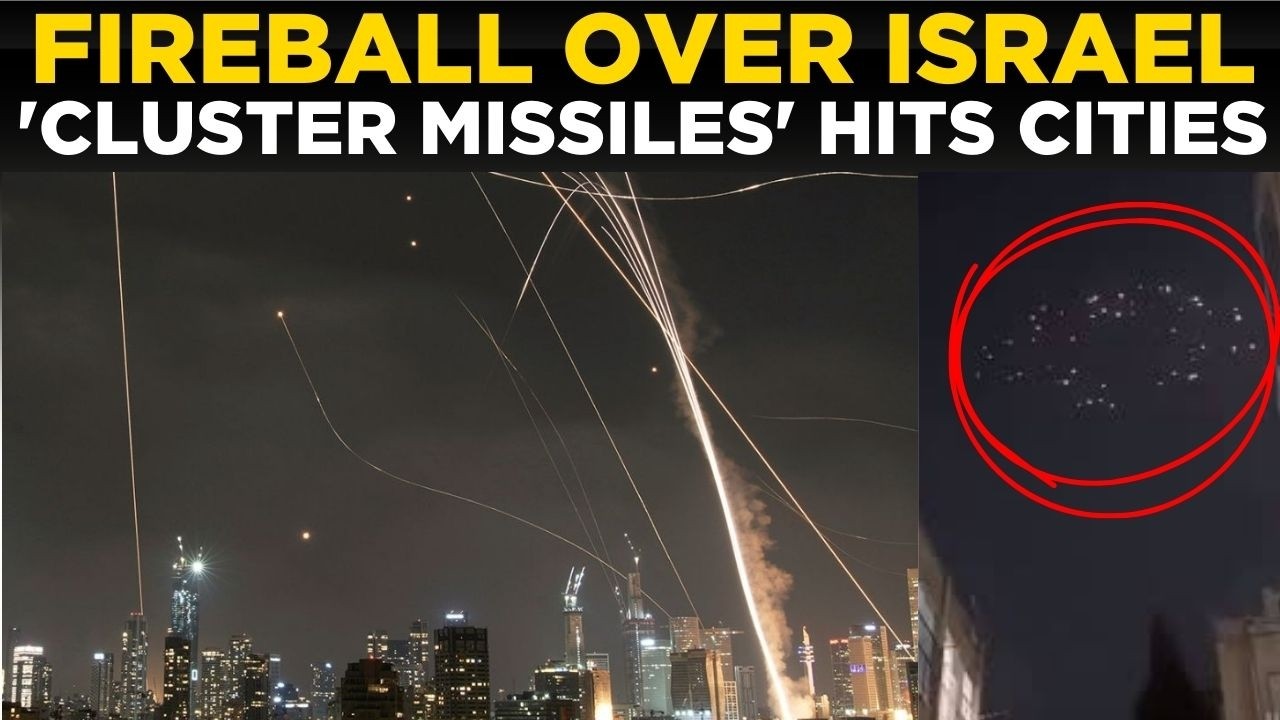
Central Israel was thrust into another tense afternoon of air-raid alerts and emergency response on Sunday as missile launches from Iran triggered Red Alert sirens across some of the country’s most densely populated regions. Communities spanning the Dan metropolitan area, Samaria, the Shefela, Sharon, Yarkon, and Lachish were jolted into action as residents rushed to protected shelters amid fears that at least one of the projectiles may have been a cluster-type missile capable of dispersing multiple submunitions over wide urban areas.
According to a report on Sunday from Israel National News, security officials quickly began examining the nature of the projectile used in the attack after evidence suggested that several bomblets had scattered across parts of Tel Aviv and surrounding areas.
Emergency services and police responded to multiple impact sites, while Israel’s air defense systems scrambled to intercept incoming threats.
The first alerts sounded shortly after midday, when Israel’s Home Front Command detected missile launches originating from Iranian territory. Residents in major population centers—including the sprawling Gush Dan metropolitan region—were immediately instructed to seek shelter. According to the Israel National News report, the alarms extended across a broad swath of central Israel, covering areas that together house millions of civilians.
The sudden activation of sirens triggered scenes familiar to Israelis after months of escalating conflict: pedestrians abandoning sidewalks, drivers leaving vehicles by the roadside, and families hurrying into reinforced safe rooms. Within minutes, Israel’s multilayered missile defense network activated to intercept the projectiles.
Yet despite the success of the defensive systems, debris and potential cluster submunitions still reached the ground in several locations.
Security officials are examining whether one of the Iranian missiles deployed in the attack was a cluster munition, a particularly controversial weapon designed to release dozens of smaller explosive devices over a wide area. Israel National News reported that police investigators and military experts found indications that multiple bomblets may have fallen in various parts of Tel Aviv.
Cluster munitions pose unique dangers because many of their submunitions fail to detonate immediately, creating lingering hazards for civilians and emergency responders. Authorities have therefore urged residents to report any suspicious objects and avoid approaching unexploded debris.
Emergency responders from Magen David Adom (MDA)—Israel’s national emergency medical service—rushed to several impact locations in Tel Aviv following the missile barrage. According to the Israel National News report, MDA teams treated two men in their 50s who sustained light injuries at separate impact sites in the city.
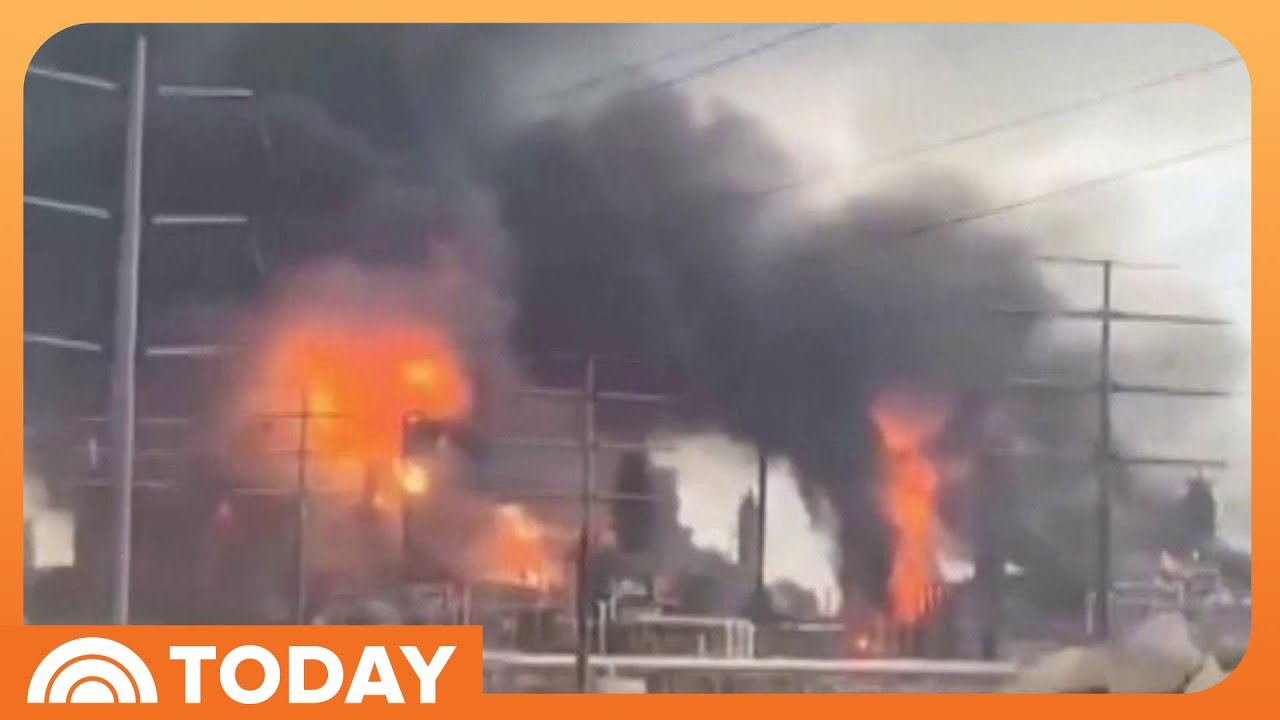
Police also received reports of vehicles that had caught fire in southern Tel Aviv, likely due to falling debris or submunitions igniting fuel systems. Firefighters were dispatched to contain the blazes while bomb disposal experts examined the surrounding areas for additional explosive remnants.
Despite the dramatic scenes, authorities confirmed that the injuries were relatively minor.
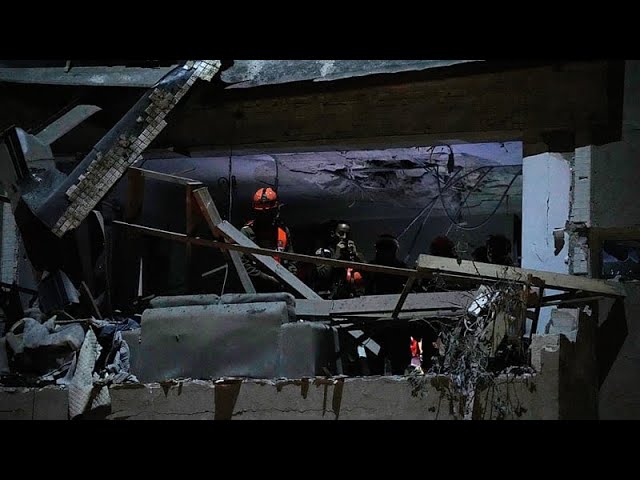
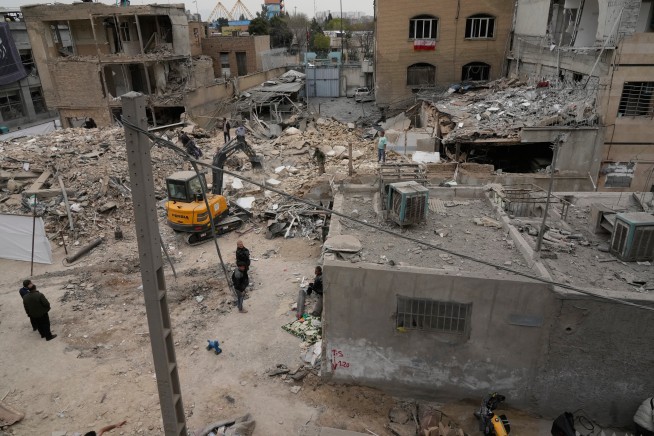
The situation was more serious in the ultra-Orthodox city of Bnei Brak, where a missile impact caused structural damage to a residential building. Israel National News reported that the projectile struck the third floor of a building, shattering windows and scattering debris across the surrounding area.
MDA paramedics treated a man in his 60s who suffered moderate injuries from glass shards that struck his head. He was transported to Ichilov Hospital in Tel Aviv for further treatment.
Emergency medic Moshe Weinman described the chaotic scene when responders arrived. “We arrived at an impact site with damage to the building,” Weinman said, according to Israel National News. “Broken glass on the floor, smoke, and chaos.” He added that emergency teams continued searching the building and surrounding structures to ensure that no additional casualties were trapped inside.
Police later released video footage showing the aftermath of a missile impact in Tel Aviv. The footage captured a disturbing moment in which civilians remained outdoors instead of seeking shelter when the sirens sounded. Moments later, one of the missile’s submunitions landed nearby.
https://youtu.be/IKuaojVqYd0?si=me5mRp6LFMs-94oo
Two civilians were lightly injured as a result. Police officials emphasized that the footage serves as a stark reminder of the importance of following Home Front Command directives. “In an emergency we must demonstrate civilian discipline and take shelter,” police said.
Authorities warned that the outcome could easily have been far more severe.
In response to the missile impacts, the IDF Home Front Command dispatched search-and-rescue teams to affected areas. Both regular and reserve units were mobilized to assess damage, assist civilians, and ensure that no additional unexploded ordnance remained at the sites.
As was reported by Israel National News, the IDF issued a public statement urging residents to strictly adhere to safety instructions. “These guidelines are proven to save lives,” the statement read. Officials stressed that rapid compliance with siren alerts significantly reduces casualties during missile attacks.
Amid the broader emergency, an unusual incident inside a Tel Aviv residential building drew national attention. Police detained a local man in his 30s for questioning after allegations that he blocked residents from entering a protected shelter during the missile alert and assaulted a woman who attempted to enter. According to the Israel National News report, police responded quickly after receiving a call reporting the altercation. The suspect was taken in for questioning and later released under restrictive conditions.
Authorities stressed that preventing access to a protected shelter during an emergency is a criminal offense. “Beyond the legal aspect, this is also a moral and ethical issue of preserving life,” a police spokesperson said.
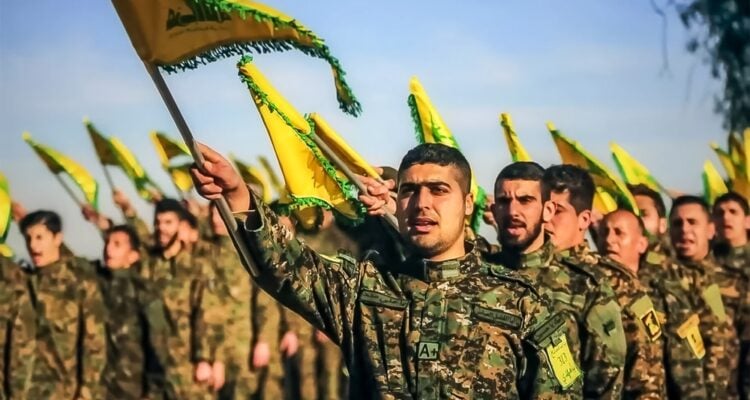
⭕️WATCH: Hezbollah terrorists carrying rockets into a weapon storage facility in southern Lebanon. pic.twitter.com/xkzsEoQNB5
— Israel Defense Forces (@IDF) March 14, 2026
The incident gained widespread attention after a video of the confrontation circulated across social media platforms. In response to the public backlash, the man appearing in the video issued a statement describing himself as a former combat soldier suffering from post-traumatic stress disorder (PTSD). According to the Israel National News report, he explained that residents of the building had repeatedly experienced problems with patrons from nearby bars entering the building’s private shelter and locking out actual residents.
The man acknowledged his role in the confrontation. “I take responsibility for the physical reaction and regret it,” he said. “I lost my composure.” He also claimed the circulating video had been edited and omitted insults directed toward him beforehand, including being called a “Nazi.” He said the exchange occurred amid the intense stress of the missile alarm.
The Sunday attacks followed another alarming incident reported a day earlier in Jerusalem. Fragments from an interception during a missile barrage directed at the capital struck a residential building where the U.S. consul resides. Although the structure sustained damage, no injuries were reported. Police bomb disposal teams and municipal emergency crews were dispatched to remove shrapnel and repair infrastructure damage.
Also on Sunday, it was reported that the IRGC claimed that it launched a Sejjil ballistic missile at Israel for the first time during the current war. The Sejjil is a long-range solid-fuel missile capable of reaching Israel in minutes and carrying a heavy warhead.
New data released by Israel’s Institute for National Security Studies (INSS) illustrate the staggering scale of the ongoing conflict.
According to figures cited by Israel National News, more than 290 missiles have been launched from Iran toward Israel in roughly two weeks, approximately 500 drones have also been deployed in 227 waves of attacks, and from Lebanon, over 400 rockets have been fired in 379 waves of attacks.
🎯STRUCK: Hezbollah’s infrastructure across southern Lebanon:
📍Beirut: Assets of the “Al-Quard Al-Hassan”” Association and other significant financial assets of Hezbollah were struck. The recent strikes against the association have effectively and completely disrupted its… pic.twitter.com/g6BRa5LHjD
— Israel Defense Forces (@IDF) March 13, 2026
The data also reveal that Israel is far from the only target of Iranian attacks. The United Arab Emirates has endured the heaviest bombardment, with 309 missiles and 1,600 drones launched against it. Meanwhile, Kuwait has been struck by 234 missiles and 422 drones. Across the Gulf region, 67 people have been killed, including 13 American soldiers.
Israel and the United States have responded with a sweeping military campaign targeting Iranian military infrastructure. According to figures reported by Israel National News, the IDF has struck over 7,600 targets in Iran and approximately 4,700 of those targets are connected to Iran’s missile program. These attacks were carried out in 4,700 aerial sorties.
The United States has struck more than 5,500 additional targets, while Israeli operations in Lebanon have hit 1,100 Hezbollah sites, including 190 belonging to the Radwan Force, the group’s elite commando unit.
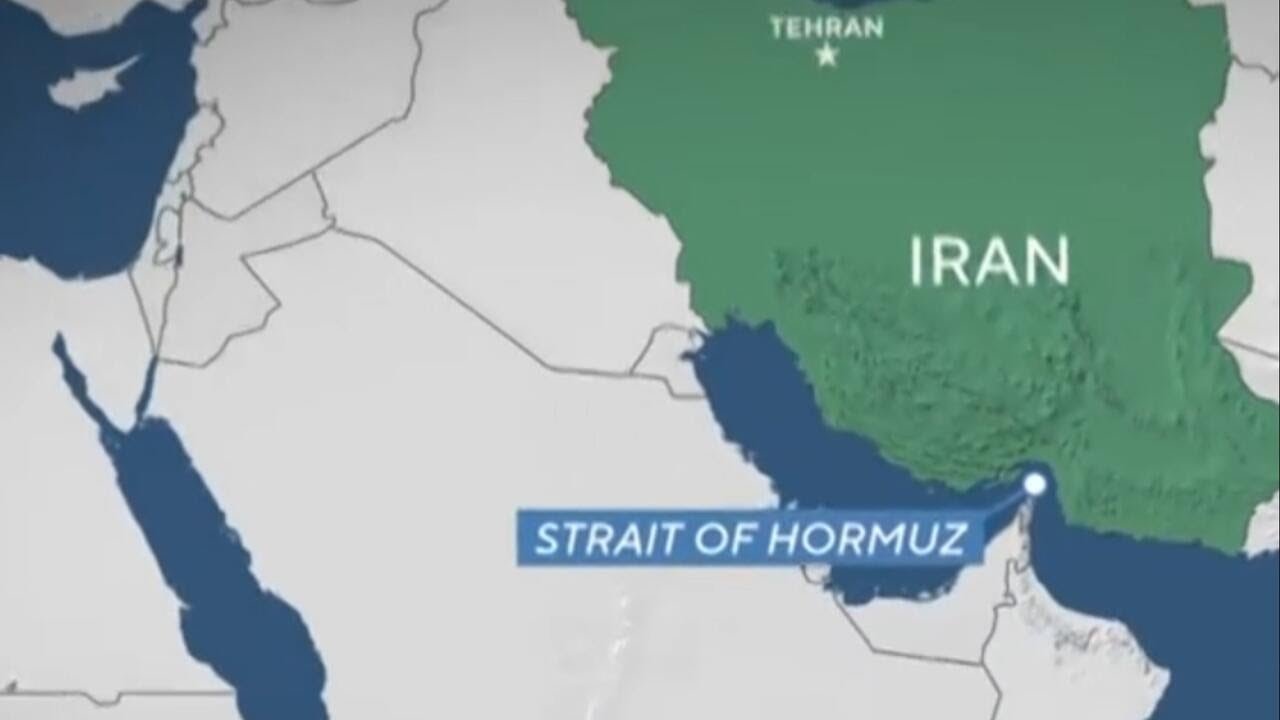
The barrage that struck central Israel on Sunday is therefore only one component of a much wider regional conflict. Iran has simultaneously targeted Israel, Gulf states, and U.S. forces throughout the Middle East, creating one of the most volatile geopolitical crises in decades.
As Israel National News continues to report, the situation remains fluid and unpredictable. For civilians in Israel’s central cities—where sirens can sound with little warning—the reality of war now arrives with sudden alarms, rushing footsteps toward shelters, and the uneasy silence that follows each interception.
And as the afternoon barrage demonstrated, even a moment’s hesitation during those alerts can carry life-threatening consequences.