



















|
Getting your Trinity Audio player ready...
|
By: Ariella Haviv
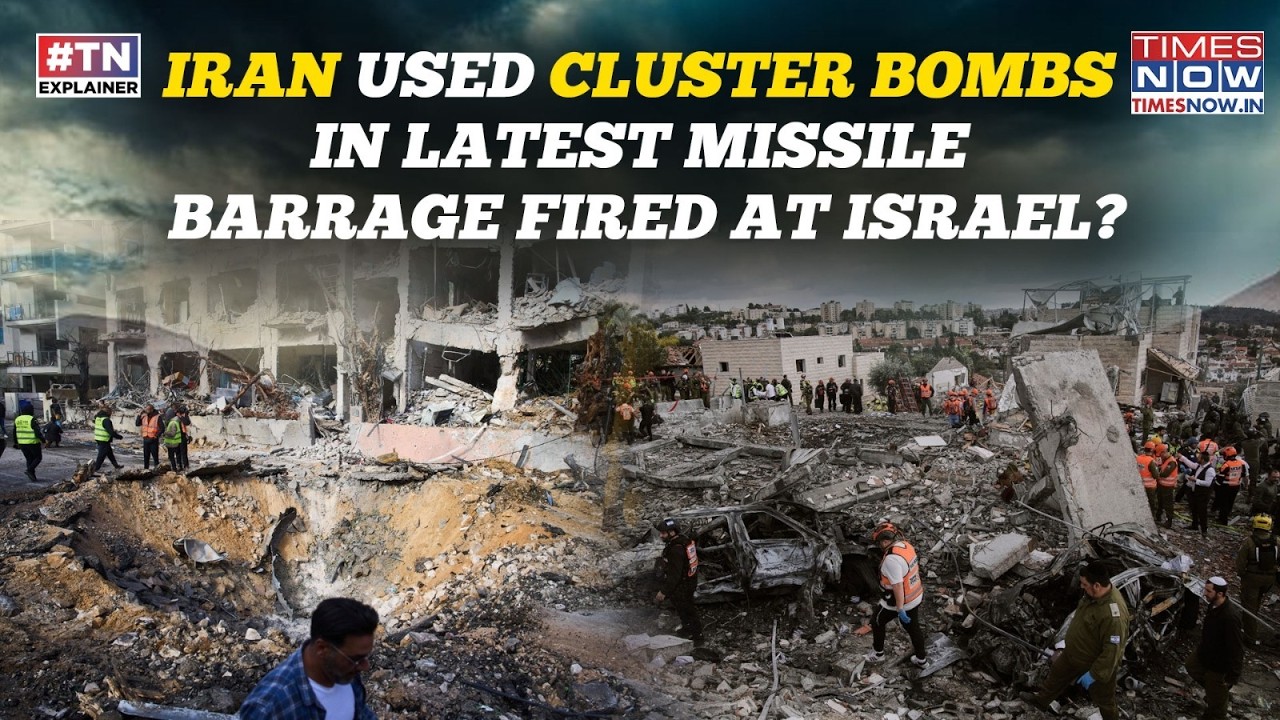
Air-raid sirens reverberated across central Israel and parts of Samaria on Tuesday morning after a cluster munition was launched from Iran, marking another alarming development in the widening regional confrontation. According to a report on Tuesday by Israel National News, one of the submunitions struck a residential home in Petah Tikva. Despite the potentially devastating nature of the weapon, no injuries were reported in that incident.
The projectile, identified as a ballistic missile equipped with a cluster warhead, represents a distinct tactical threat. Unlike conventional missiles that deliver a single explosive payload, a cluster munition disperses multiple smaller projectiles—approximately 20 in this case—at high altitude. As the Israel National News report explained, the submunitions are released roughly seven kilometers above the intended target area and then spread across a radius of approximately eight kilometers. The dispersal pattern increases the potential area of impact, making defensive interception more complex and heightening the risk of property damage or injury.
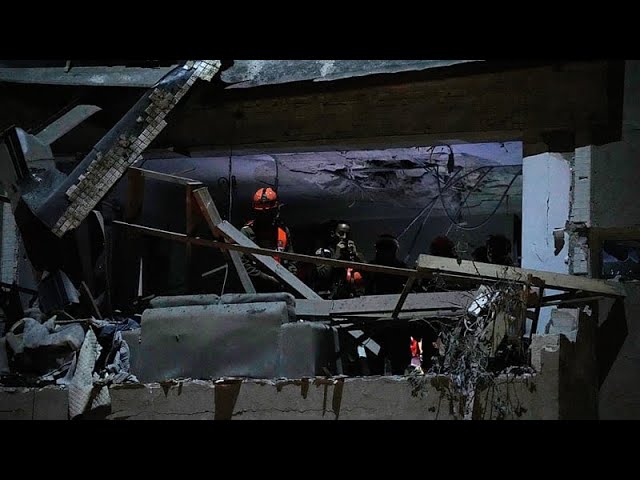
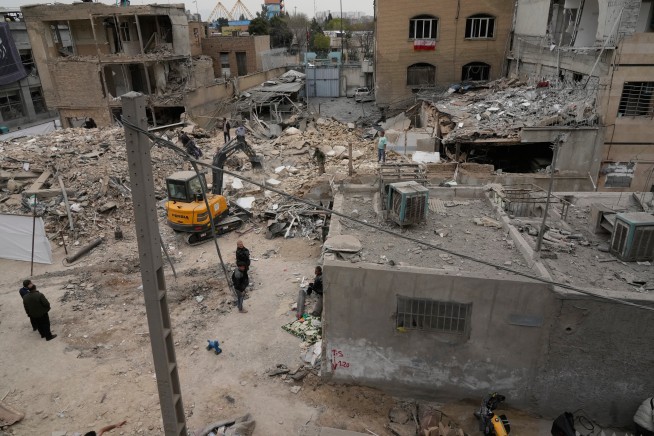
The fragment that hit the home in Petah Tikva caused structural damage but, in what many described as a fortunate outcome, left residents unharmed. Authorities have not released detailed images of the damage, but local officials indicated that the fragment penetrated the building’s exterior without breaching protected interior spaces.
Security experts note that Iran possesses at least three types of ballistic missiles fitted with cluster warheads, including the Qader and Khorramshahr systems—both capable of reaching Israeli territory. Israel National News reported that while such missiles cannot penetrate reinforced safe rooms commonly found in Israeli homes, the dispersal of submunitions can nonetheless inflict injuries and widespread property damage.
The use of cluster munitions has drawn particular concern because of their unpredictable impact zones. Even when interception systems neutralize a portion of the threat, residual fragments can descend across populated areas. The design of Israel’s civil defense architecture—including safe rooms and early-warning systems—has mitigated casualties, but the psychological toll of such attacks remains profound.
https://youtube.com/shorts/B1hORlUkzHY?si=aZnNC4LJjHaH75CH
Tuesday morning’s sirens sent residents scrambling for shelter in accordance with Home Front Command directives. In many communities, life paused abruptly as families sought refuge in protected spaces. Israel National News reported that emergency services were dispatched promptly to assess potential damage and ensure that no unexploded ordnance remained in affected neighborhoods.
The cluster munition incident occurred against the backdrop of continued hostilities along Israel’s northern border. A short while earlier, a rocket launched from Lebanon struck a family home in Kfar Yuval in the Galilee Panhandle. Fire and rescue units arriving at the scene reported a direct hit on the building, underscoring the persistent volatility along the frontier.
According to the information provided in the Israel National News report, four occupants were inside the Kfar Yuval residence at the time of the strike. All were found fully conscious but suffering from blast-related injuries and shock. Magen David Adom paramedics provided immediate medical treatment on site before evacuating a 64-year-old man with minor injuries caused by glass shards to Ziv Medical Center. A 24-year-old woman experiencing acute shock was also transported for further evaluation. Two additional victims were treated at the scene and did not require hospitalization.
Emergency teams continued to secure the area, checking for structural instability and secondary hazards. The direct hit in Kfar Yuval illustrates the multi-front nature of the current security environment, in which projectiles from Lebanon and long-range munitions from Iran converge within a matter of hours.
Cluster warheads, by design, amplify uncertainty. Rather than concentrating destructive force in a single blast, they scatter smaller explosives over a wide footprint. Even when these submunitions do not detonate immediately, they can pose lingering risks.
Defense analysts point out that Israel’s layered missile defense systems—including Iron Dome, David’s Sling, and Arrow—are calibrated to intercept a range of threats. However, cluster munitions introduce additional variables. While the primary missile body may be intercepted, submunitions released at altitude can still descend across wide areas, requiring rapid response and thorough inspection by bomb disposal units.
The Petah Tikva incident highlights both the effectiveness of Israel’s civil defense measures and the inherent dangers of modern missile warfare. Safe rooms, constructed with reinforced concrete and steel doors, are specifically designed to withstand blast pressure and shrapnel. The cluster submunitions lack the penetration capability to breach these protected spaces, a critical factor in preventing casualties.
Nevertheless, the emotional impact of sirens and explosions reverberates deeply. In central Israel, residents described the jarring transition from routine morning activities to emergency procedures. Schools and businesses briefly suspended operations as authorities confirmed that no injuries had occurred.
On the northern front, the strike in Kfar Yuval reinforces concerns about Hezbollah’s continued involvement. Although the rocket caused limited physical harm, the direct hit on a family home serves as a stark reminder of the proximity of communities to active launch sites across the border.
Repeated alarms and sporadic projectile fire disrupt daily life and heighten anxiety, particularly among families with young children and elderly members.
Military officials have reiterated that Israel will continue to respond decisively to any attempts to target civilian areas. The IDF has emphasized that its operations are aimed at neutralizing threats before they can inflict significant harm.
The juxtaposition of a cluster munition from Iran and a rocket from Lebanon within the same morning underscores the interconnected nature of Israel’s security challenges. While the weapons differ in origin and design, the strategic intent—to exert pressure and test defensive resilience—appears aligned.
The Israel National News report framed the events as evidence of the broader confrontation extending beyond a single border. Iranian ballistic capabilities and Hezbollah’s rocket arsenal represent distinct yet complementary components of a regional threat matrix.
For residents of Petah Tikva and Kfar Yuval, however, the geopolitical calculus yields to immediate concerns: ensuring personal safety, repairing damaged homes, and coping with the psychological aftershocks. Emergency responders, paramedics, and municipal workers have played a central role in mitigating harm and restoring a sense of order.
As investigators analyze debris and assess impact patterns, authorities are likely to refine defensive strategies further. The absence of fatalities in both incidents is widely attributed to rapid warning systems, reinforced construction, and disciplined adherence to safety protocols.
Yet the morning’s events serve as a sobering reminder of the persistent volatility in the region. The use of cluster munitions capable of dispersing across wide swaths of territory represents an escalation in both technical sophistication and psychological warfare.
In a landscape marked by evolving threats, the resilience of Israel’s civilian infrastructure remains a critical line of defense.
For now, the homes in Petah Tikva and Kfar Yuval stand as symbols of both vulnerability and fortitude—structures tested by fragments of war, yet inhabited by communities determined to endure.