









|
Getting your Trinity Audio player ready...
|
By: Max Schleifer
As the United States navigates one of the most volatile geopolitical confrontations in recent decades, Vice President JD Vance finds himself thrust into the defining assignment of his political career: steering delicate and high-stakes negotiations aimed at ending the war with Iran. Yet as reporting from Axios on Friday makes abundantly clear, his rise to the forefront of diplomatic engagement is not without controversy—nor without implications for the enduring, yet increasingly strained, relationship between Washington and Jerusalem.
At a moment when unity between allies might be expected to reach its apex, subtle fissures appear to be widening. Beneath the surface of official statements lies a more complicated narrative—one in which Vance’s cautious, sometimes openly skeptical posture toward Israel’s strategic assessments raises questions about both his diplomatic instincts and his broader orientation toward the Jewish state.
According to the Axios report, Vance has already assumed a central role in shaping the administration’s diplomatic approach. He has conducted multiple conversations with Israeli Prime Minister Benjamin Netanyahu, engaged with Gulf allies, and participated in indirect communications with Iranian intermediaries. His anticipated elevation to chief negotiator underscores the confidence that President Donald Trump has placed in him.
This development is not incidental. During a recent Cabinet meeting, Trump publicly emphasized Vance’s growing responsibility, signaling that the Vice President would work in tandem with senior envoys such as Steve Witkoff and Jared Kushner. Yet as Axios reported, it is Vance—not these more seasoned diplomatic figures—who is increasingly viewed as the administration’s principal interlocutor with Tehran.
The rationale, at least from the perspective of the White House, is pragmatic. Vance’s longstanding skepticism of prolonged foreign entanglements and his measured approach to military escalation are seen as qualities that might render him more palatable to Iranian negotiators. As one senior administration official told Axios, “If the Iranians can’t strike a deal with Vance, they don’t get a deal.”
Yet this very pragmatism may also carry unintended consequences.
Vance’s approach to the conflict has been marked by a persistent wariness of overly optimistic projections—particularly those emanating from Israeli leadership. Prior to the outbreak of hostilities, Israeli officials reportedly conveyed confidence that the war could produce rapid and decisive outcomes, including the possibility of internal upheaval within Iran.
Vance, however, appears to have regarded such forecasts with skepticism. As detailed by Axios, he questioned the plausibility of these assumptions and continues to anticipate a more protracted conflict.
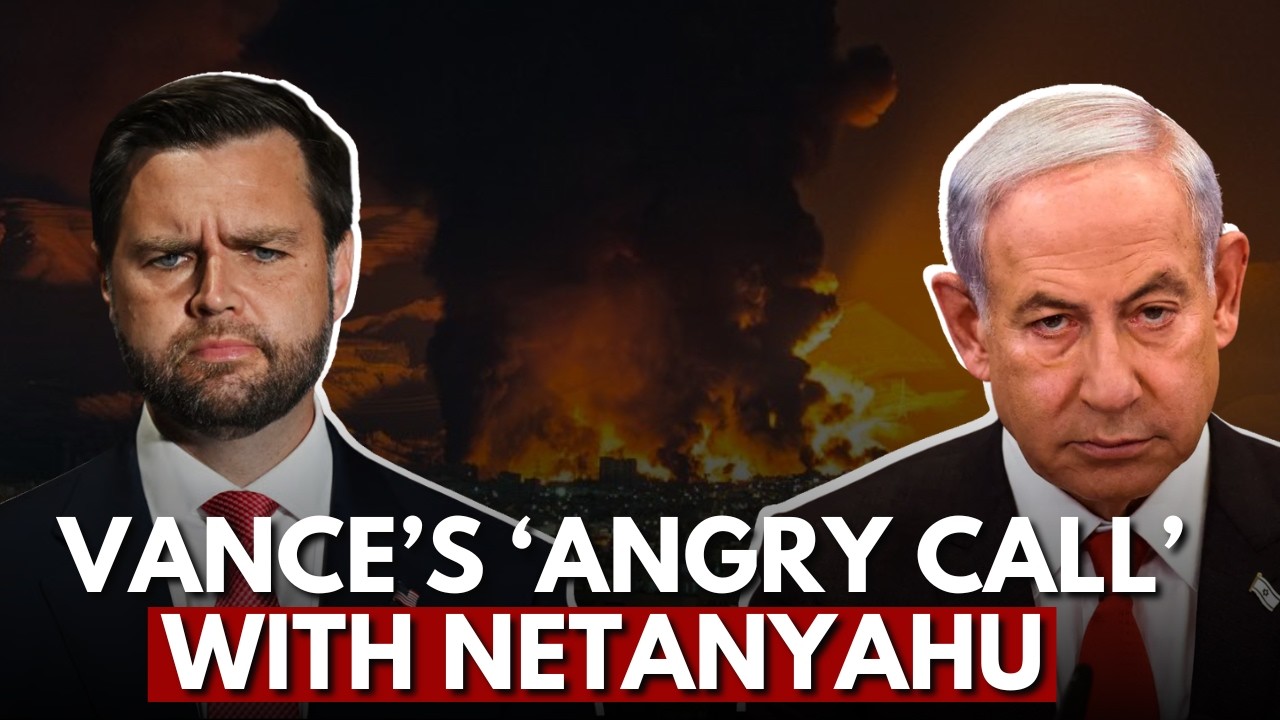
During a recent and reportedly tense conversation with Netanyahu, Vance is said to have raised concerns about these earlier predictions, noting that several had proven overly sanguine. Such candor, while perhaps commendable in its realism, introduces a delicate dynamic into the bilateral relationship.
Diplomacy, after all, is as much about perception as it is about substance. When a senior American official openly challenges the strategic judgments of a close ally, it risks being interpreted not merely as analytical rigor, but as a lack of confidence—or worse, a divergence of fundamental objectives.
The emerging narrative, as chronicled by Axios, suggests that Vance’s perspective may not fully align with Israel’s strategic priorities. While his advisers insist that he remains supportive of Israel, they also acknowledge his concern about potential gaps between American and Israeli objectives as the conflict unfolds.
This tension is particularly evident in the debate over endgame scenarios. For Israel, the weakening—or even the transformation—of Iran’s ruling regime has long been viewed as a desirable outcome. For Vance, however, the emphasis appears to be on conflict resolution and risk mitigation, even if that entails accepting a less transformative result.
Such differences are not merely academic. They shape the contours of negotiation, influencing everything from the terms that are proposed to the concessions that are deemed acceptable.
Moreover, Vance’s reluctance to embrace more expansive objectives may be interpreted in Jerusalem as a form of strategic restraint that borders on reticence. In a region where perceptions of resolve carry immense weight, even subtle signals can have outsized effects.
Compounding these complexities are reports of internal friction and competing narratives. Some within the administration suspect that foreign actors have sought to portray Vance as particularly eager to secure a deal with Iran, thereby casting him as a comparatively accommodating negotiator.
One official went so far as to suggest to Axios that such portrayals might constitute an “Israeli operation” aimed at undermining Vance’s credibility. There is, however, no substantiating evidence for this claim, and Israeli officials have categorically denied any such effort.
The very emergence of these suspicions is itself revealing. It points to an atmosphere of mistrust that is unusual in the context of U.S.–Israel relations, which have historically been characterized by close coordination and mutual confidence.
Beyond his interactions with Israel, Vance has engaged extensively with regional stakeholders. His meetings with senior officials from the United Arab Emirates and Qatar, as reported by Axios, have focused on both the war itself and the broader diplomatic framework for resolving it.
These engagements reflect a recognition that any durable settlement will require the participation—or at least the acquiescence—of key regional actors. They also underscore Vance’s role as a central node in a complex web of negotiations that spans multiple capitals.
Yet here too, questions arise. To what extent does Vance’s emphasis on dialogue and de-escalation align with the security imperatives of Israel, which faces the most immediate threat from Iranian capabilities? And how might his approach influence the perceptions of allies who rely on American resolve as a cornerstone of their own security?
It is important to note that Vance’s skepticism has not translated into opposition to the use of force per se. Once the decision to engage militarily was made, he reportedly advocated for the application of overwhelming force to achieve rapid and decisive results.
This duality—skepticism prior to conflict, assertiveness once it begins—reflects a nuanced, if somewhat paradoxical, strategic philosophy. It suggests a preference for restraint in initiating conflict, coupled with a willingness to act decisively once committed.
Yet even this posture invites scrutiny. Critics may argue that such an approach risks underestimating the importance of signaling unwavering support to allies at critical junctures. In the context of U.S.–Israel relations, where perceptions of solidarity are paramount, any perceived ambivalence can carry significant implications.
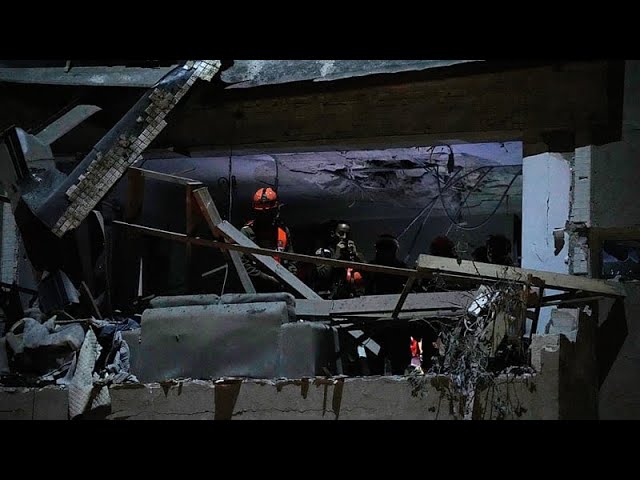
As negotiations continue to take shape, the stakes could scarcely be higher. The potential for escalation remains ever-present, with the administration reportedly considering additional military options should diplomacy fail.
At the same time, mediators from countries such as Pakistan, Egypt, and Turkey are working to facilitate direct talks between Washington and Tehran. Should such a summit materialize, Vance may find himself seated across from Iranian officials, tasked with navigating one of the most complex diplomatic challenges of the modern era.
His performance in this role will not only influence the trajectory of the conflict but also shape perceptions of American leadership and reliability.
The broader question, however, extends beyond the immediate crisis. It concerns the evolving nature of the U.S.–Israel relationship and the role that figures like Vance will play in defining its future.
For decades, this relationship has been underpinned by a shared sense of purpose and a mutual recognition of common threats. While differences have always existed, they have typically been managed within a framework of close consultation and strategic alignment.
The current moment, as illuminated by reporting from Axios, suggests a more complex reality. Vance’s approach—marked by skepticism, caution, and a focus on diplomatic outcomes—may represent a departure from the more instinctively supportive posture that has historically characterized American policy toward Israel.
Whether this shift reflects a broader transformation in U.S. foreign policy or simply the idiosyncrasies of a particular leader remains to be seen. What is clear, however, is that it introduces a new variable into an already intricate equation.
In the final analysis, the rise of Vice President JD Vance as the administration’s lead negotiator with Iran encapsulates both the opportunities and the challenges of contemporary diplomacy. His analytical rigor and pragmatic instincts may well prove assets in navigating a complex and volatile landscape.
Yet these same qualities, when perceived as skepticism toward a key ally’s strategic judgments, carry the potential to complicate relationships that have long been central to American foreign policy.
As the United States seeks to balance the imperatives of conflict resolution with the demands of alliance management, the question is not merely whether Vance can secure a deal with Iran. It is whether he can do so in a manner that preserves the trust and confidence of those who have long looked to Washington as a steadfast partner.
In this delicate balancing act, the margin for error is exceedingly narrow—and the consequences of miscalculation, profound.



1 Comment
Maxwell
April 9, 2026Where is Rubio?