










|
Getting your Trinity Audio player ready...
|
From Resignation to Investigation: Former Counterterrorism Chief Joe Kent Faces FBI Scrutiny Amid Explosive Claims on Iran War
By: Fern Sidman
In a dramatic and rapidly unfolding saga that has sent shockwaves through Washington’s national security establishment, former U.S. counterterrorism chief Joe Kent now finds himself at the center of a widening controversy—one that intertwines allegations of leaked classified information with incendiary claims about the origins of the ongoing war with Iran.
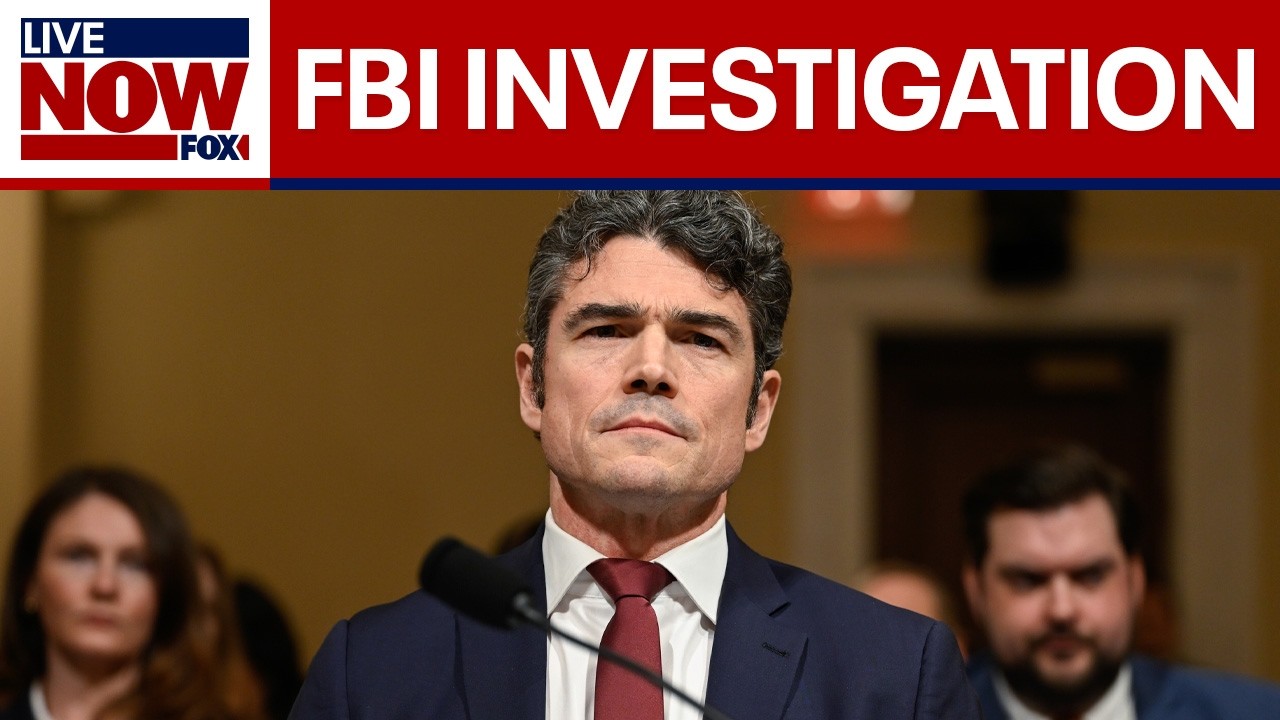
Just days after resigning from his post as director of the National Counterterrorism Center, Kent is reportedly under investigation by the Federal Bureau of Investigation for allegedly disclosing sensitive intelligence. The development, reported by CBS on Wednesday and analyzed by Israel National News, has added a new and deeply consequential dimension to an already volatile political and geopolitical landscape.
Kent’s resignation initially drew attention for its unusually pointed critique of U.S. foreign policy. In stepping down, he asserted that the decision to engage militarily with Iran was not grounded in an immediate threat to American interests, but rather influenced by external pressures—specifically, those emanating from Israel.
These claims were met with swift and forceful rebuttals from administration officials and national security experts, many of whom described them as unfounded and misleading.
Yet even as the political implications of his resignation were being debated, the emergence of an FBI investigation has shifted the focus from policy disagreements to questions of legality and national security.
According to the CBS report referenced by Israel National News, Kent is suspected of leaking classified information. However, critical details remain undisclosed, including the nature of the information, the identity of any recipients, and the potential impact of the alleged disclosure.
The FBI has declined to confirm or deny the existence of an investigation, a standard practice in matters involving sensitive intelligence. This lack of official confirmation has contributed to an atmosphere of uncertainty, leaving analysts and observers to speculate about the scope and seriousness of the allegations.
What is clear, however, is that any breach of classified information at this level would carry significant consequences, both for national security and for the individuals involved.
Compounding the controversy is Kent’s decision to grant an interview to commentator Tucker Carlson, a figure known for his critical stance on U.S. involvement in foreign conflicts and his vocal opposition to Israel’s policies.
In the interview, Kent elaborated on his criticisms, asserting that dissenting voices within the administration were effectively silenced during the decision-making process leading up to the war. “Not many key decision-makers were allowed to come and express their views to the president,” he said. “There was no serious debate.”
As reported by CBS News, Kent’s remarks suggest a breakdown in the deliberative processes that typically guide major national security decisions. He portrayed an environment in which alternative perspectives were marginalized, raising concerns about the integrity of the decision-making framework.
Central to Kent’s argument is his assertion that there was no credible intelligence indicating that Iran posed an imminent threat to the United States. He maintained that the available evidence did not support the conclusion that Iran was on the verge of launching a significant attack or developing a nuclear weapon. “There was no intelligence that said the Iranians were going to launch a major attack,” Kent stated, according to the CBS News report. “There was no such intelligence.”
This claim stands in stark contrast to the position of the Trump administration, which has consistently defended its actions as necessary to counter a clear and present danger. Officials have cited intelligence assessments and strategic considerations in justifying the military campaign.
The divergence between these perspectives highlights a broader debate within the national security community regarding the interpretation and use of intelligence.
Perhaps the most controversial aspect of Kent’s statements is his allegation that Israel played a decisive role in influencing the United States to enter the conflict. “The Israelis drove the decision to take this action,” he said in the interview. This assertion has drawn sharp criticism from a wide range of commentators and policymakers, who argue that it oversimplifies a complex process and risks promoting narratives that misrepresent the nature of U.S.-Israel relations.
As emphasized in analysis by Israel National News, decisions to engage in military action are ultimately made by American leadership based on a combination of intelligence, strategic priorities, and national interests.
The convergence of Kent’s allegations and the reported FBI investigation has created a multifaceted crisis with implications for both the administration and the broader political environment.
For the Trump administration, the situation presents a dual challenge: addressing the substance of Kent’s claims while also managing the potential fallout from the investigation. The administration has already faced criticism over its handling of the Iran conflict, and this latest development is likely to intensify scrutiny.
Within Congress, lawmakers are expected to seek further information, potentially leading to hearings or inquiries aimed at clarifying the circumstances surrounding both Kent’s resignation and the alleged leak. At the heart of the investigation lies the issue of classified information—an area governed by strict legal and ethical standards. The unauthorized disclosure of such information can compromise intelligence operations, endanger personnel, and undermine national security.
If the allegations against Kent are substantiated, they would represent a serious breach of trust, particularly given his position at the helm of the nation’s counterterrorism efforts. As noted by Israel National News in their analysis, the investigation underscores the gravity of safeguarding sensitive information, especially during periods of heightened conflict.
Beyond the immediate legal and political ramifications, the episode has reignited a broader debate about the origins and conduct of the war with Iran. Questions about the role of intelligence, the influence of allies, and the processes by which decisions are made have taken on renewed urgency.
Kent’s claims, while contested, have resonated with some critics of the war who argue that greater transparency and accountability are needed. Others, however, caution against drawing conclusions based on unverified or disputed assertions.
The unfolding situation surrounding Joe Kent represents a convergence of personal, political, and institutional challenges. It is a story that continues to evolve, with new developments likely to emerge in the coming days and weeks.
As noted by Israel National News in their analysis, the stakes are exceptionally high. The outcome of the investigation will not only determine Kent’s future but may also influence public perceptions of the war, the administration, and the broader national security apparatus.
In an era defined by rapid information flows and complex geopolitical dynamics, the need for clarity, integrity, and accountability has never been greater. Whether this episode will ultimately provide those qualities—or further complicate an already intricate landscape—remains an open question.