















|
Getting your Trinity Audio player ready...
|
By: Fern Sidman
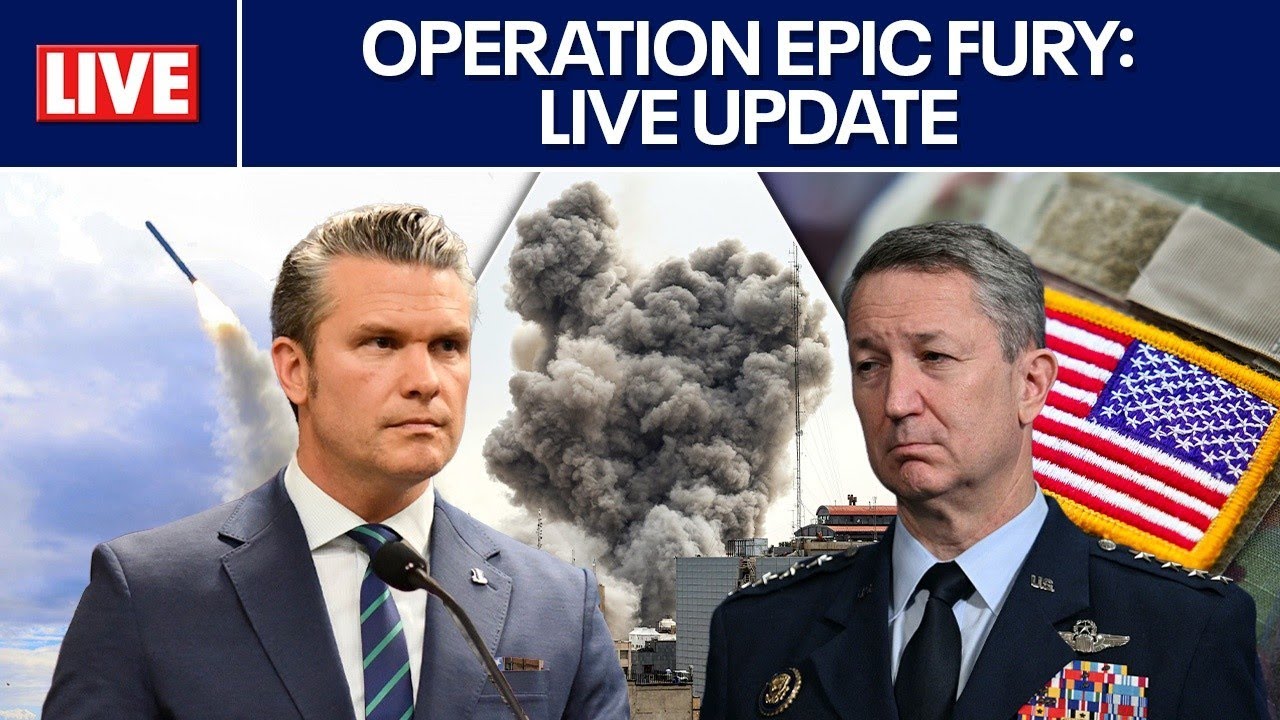
In one of the most dramatic military briefings since the launch of the joint American–Israeli campaign against Iran, United States Secretary of War Pete Hegseth declared Friday that the Islamic Republic’s armed forces are being dismantled at a pace rarely seen in modern warfare. Speaking to reporters about the ongoing operation, Hegseth asserted that Iran’s once formidable military capability has been rapidly neutralized through a relentless wave of coordinated airstrikes conducted by the United States and Israel.
According to reports cited by Israel National News on Friday, the secretary described the unfolding campaign as historically significant, stating that few conflicts have witnessed the swift degradation of a modern military power on such a scale.
“We are decimating the Iranian regime’s military in a way the world has never seen before,” Hegseth said. “Never before has a modern, capable military — which Iran used to have — been so quickly destroyed and made combat ineffective.”
The remarks come as the conflict between the United States, Israel, and Iran enters a critical phase, marked by an unprecedented tempo of aerial operations aimed at crippling Tehran’s military infrastructure and missile capabilities.
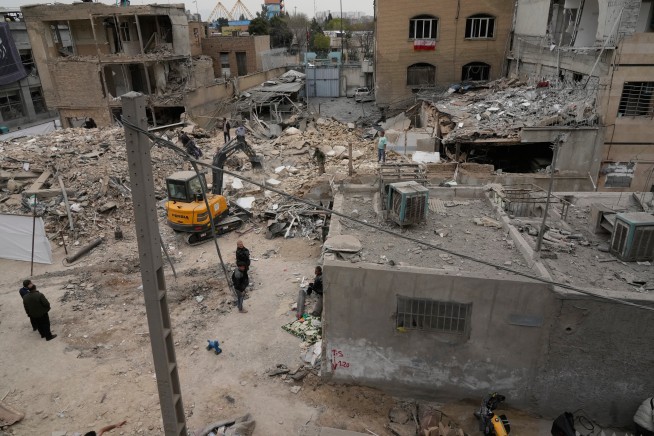
Central to the operation is the extraordinary scale of the air campaign now unfolding across Iranian territory. According to figures referenced in the briefing and reported by Israel National News, the combined forces of the United States and Israel have struck more than 15,000 targets since the operation began.
Military planners estimate that the coalition is averaging more than 1,000 strikes per day, a level of operational intensity rarely observed in modern air warfare.
Hegseth emphasized that the campaign represents the combined strength of what he described as the world’s two most powerful air forces: the United States Air Force and the Israeli Air Force. “The combination of the world’s two most powerful air forces is unprecedented and unbeatable,” he said. “Between our air force and that of the Israelis, over 15,000 enemy targets have been struck.”
According to the information provided in the Israel National News report, the targets include missile launchers, weapons production facilities, command centers, air defense systems, and drone manufacturing infrastructure believed to be used by Iran’s military and its Revolutionary Guard forces. Hegseth added that no other partnership of nations could execute such a sweeping air campaign. “No other combination of countries in the world could do that,” he said.
One of the primary goals of the military campaign has been the destruction of Iran’s missile and drone arsenal — weapons that Tehran has used extensively to project power throughout the Middle East. According to the Pentagon briefing highlighted by Israel National News, the results have been dramatic. Hegseth stated that Iran’s missile launch capacity has been reduced by approximately 90 percent, while its fleet of one-way attack drones has been diminished by 95 percent.
The destruction of weapons factories has further undermined Iran’s ability to replenish these arsenals. “Their ability to produce additional weaponry has been disabled,” Hegseth said.
This represents a major strategic setback for Iran, which has long relied on missile and drone systems as central pillars of its military doctrine. Those weapons have played a critical role in Iran’s ability to threaten U.S. bases in the region, target Israeli territory, and arm allied militias across the Middle East.
By dismantling the infrastructure that produces these systems, coalition forces aim to ensure that Iran cannot quickly rebuild its strike capability.
In addition to targeting military assets, coalition strikes have placed enormous pressure on Iran’s leadership structure. Hegseth said intelligence reports indicate that senior Iranian officials have retreated underground amid the escalating bombardment. “Desperate and hiding, they’ve gone underground, cowering,” he said during the briefing. “That’s what rats do.”
According to a report referenced by Israel National News, Iranian command structures have been severely disrupted by the strikes, forcing key figures within the regime to operate from hardened underground facilities. The situation surrounding Iran’s newly installed Supreme Leader, Mojtaba Khamenei, has also attracted considerable attention. Hegseth claimed that Khamenei had been wounded in earlier strikes and may have suffered serious injuries.
While the Pentagon did not provide independent verification of these claims, intelligence analysts say the reports underscore the extraordinary pressure currently facing Iran’s leadership.
The Pentagon indicated that the pace of operations may continue to escalate in the coming days.
According to Hegseth, Friday itself was expected to witness the highest number of strikes yet in the campaign. “Today will be, yet again, the highest volume of strikes that America has put over the skies of Iran,” he said.
Defense officials say the strategy is designed to maintain relentless pressure on Iranian forces while preventing the regime from reorganizing or relocating key assets. Military analysts note that sustained air dominance has allowed coalition aircraft to operate deep inside Iranian territory with relative freedom.
During the same briefing, Dan Caine addressed the recent crash of a U.S. refueling aircraft involved in the operation. The aircraft went down over western Iraq while conducting a combat mission supporting coalition air operations. Caine clarified that the incident was not caused by hostile fire.
Instead, investigators are examining other possible causes, including mechanical failure or operational complications.
The aircraft was part of the aerial refueling network that enables American and Israeli fighters to conduct long-range strikes over Iranian territory. Such refueling missions are considered essential for sustaining the tempo of the campaign.
Hegseth also addressed recent media reports suggesting that Iran might attempt to launch drone attacks against the United States mainland, including potential targets in California.
The secretary dismissed those claims as inaccurate. “Ill-informed reporting,” he said.
According to the information contained in the Israel National News report, U.S. officials believe Iran currently lacks the operational capability to conduct such attacks directly against the United States, particularly after the destruction of large portions of its drone infrastructure. Nevertheless, security agencies continue to monitor potential threats from Iranian proxies and sympathizers abroad.
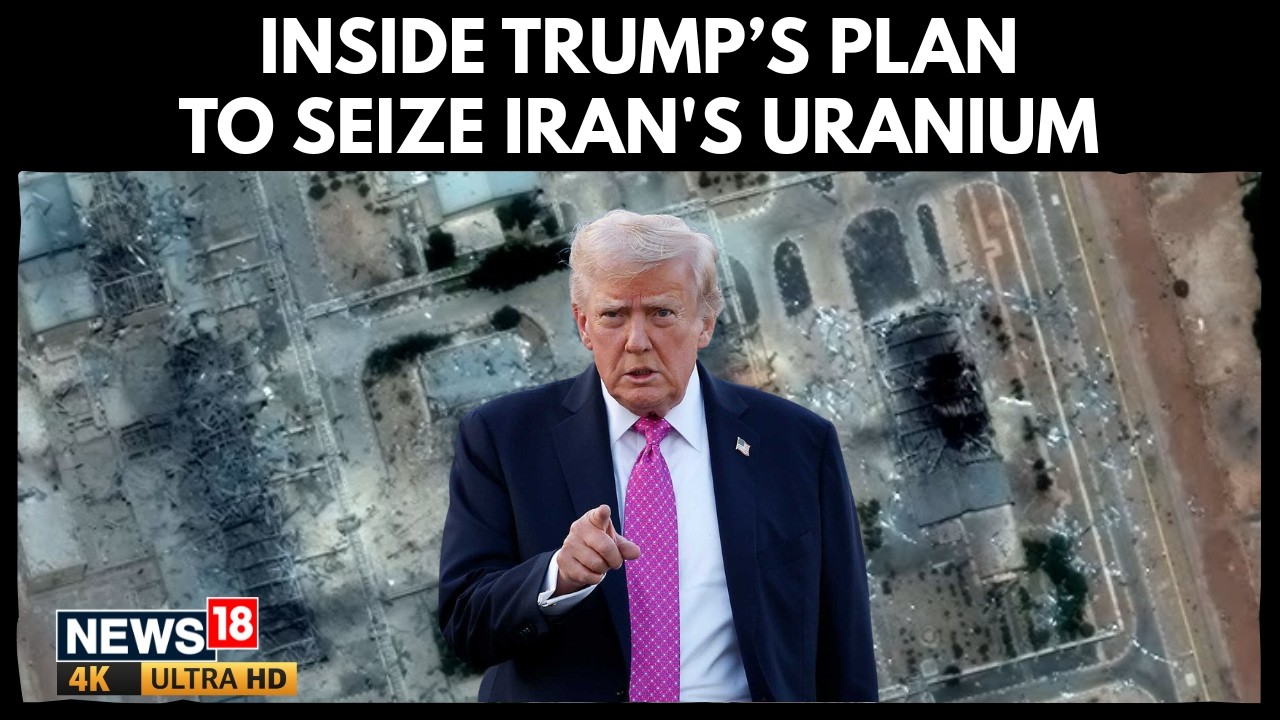
Despite the focus on conventional military targets, the ultimate strategic objective of the campaign remains the prevention of an Iranian nuclear weapon. When asked how the United States intends to address Iran’s enriched uranium stockpiles, Hegseth said Washington retains a wide range of options. The United States, he said, “retains options across the spectrum” to ensure that Iran never acquires nuclear weapons.
That statement reflects the central goal repeatedly emphasized by American and Israeli leaders: preventing Tehran from achieving nuclear breakout capability. Hegseth also revealed new details about the types of munitions being used during the campaign.
Only about 1 percent of the weapons employed so far have been “standoff munitions” — missiles fired from a distance. The vast majority of strikes, he said, involve traditional air-delivered bombs dropped directly over targets. These so-called “over-the-top” munitions require aircraft to fly directly above their targets before releasing payloads.
Such tactics are typically used only when air defenses have been largely neutralized — another indication, analysts say, of how thoroughly Iranian air defense systems have been degraded.
As Israel National News has reported repeatedly throughout the conflict, the joint U.S.–Israeli campaign represents one of the most consequential military operations in the Middle East in decades. The scale of the strikes, the rapid degradation of Iranian military capabilities, and the unprecedented cooperation between American and Israeli forces are reshaping the strategic landscape of the region.
Whether the campaign ultimately achieves its broader political objectives remains uncertain. But according to U.S. officials speaking Friday, the military dimension of the operation has already inflicted historic damage on Iran’s armed forces — and the strikes, they suggest, are far from over.