











|
Getting your Trinity Audio player ready...
|
By: Arthur Popowitz
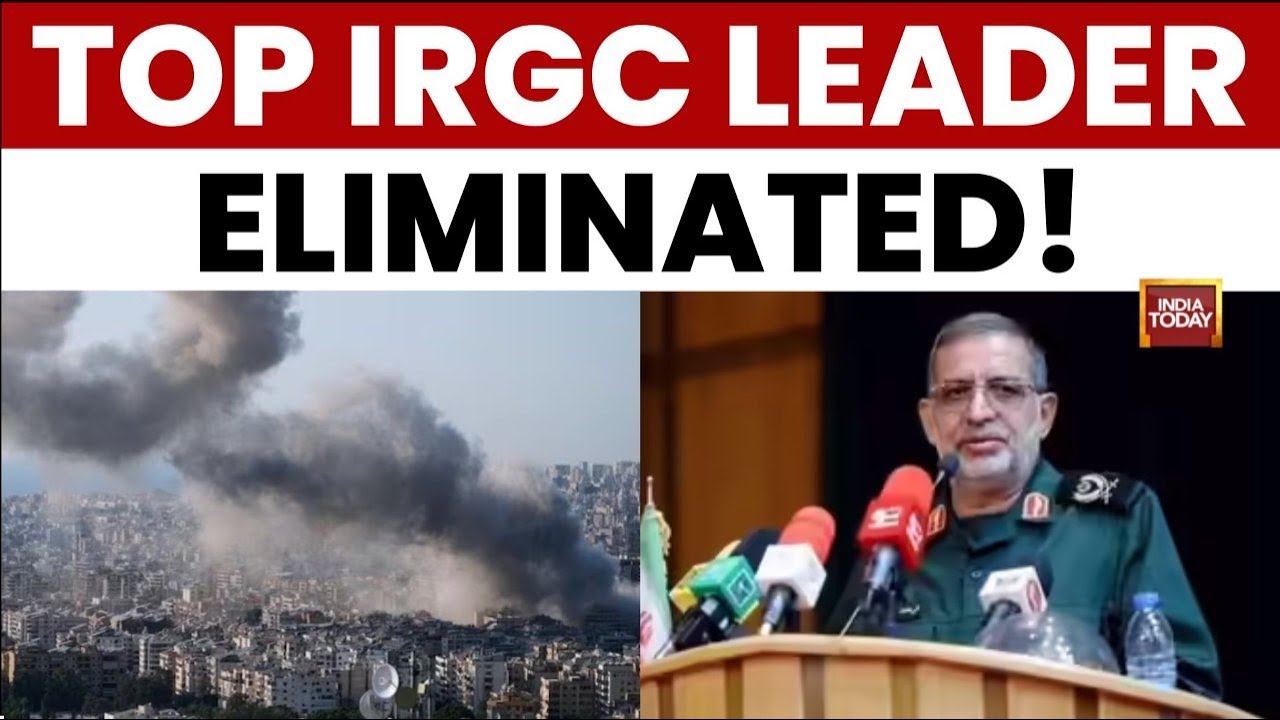
In a development that underscores the increasingly multifaceted nature of modern warfare—where narratives are as fiercely contested as battlefields—the Israel Defense Forces announced Friday that it had carried out a targeted overnight operation resulting in the death of Ali Mohammad Naini, a senior figure within Iran’s Islamic Revolutionary Guard Corps and the regime’s chief propagandist. The strike, conducted by the Israeli Air Force under the direction of Military Intelligence, represents not merely the elimination of an individual, but a calculated blow to what Israeli officials describe as a central pillar of Iran’s regional strategy: its expansive propaganda and influence apparatus.
According to a report on Friday by VIN News, Naini was far more than a spokesperson. He occupied a pivotal role at the intersection of communication, ideological dissemination, and operational coordination, serving as the head of the public relations division for the IRGC while simultaneously functioning as its principal architect of messaging. For the past two years, he had been tasked with shaping and projecting the narrative framework through which Iran’s activities across the Middle East were justified, amplified, and, in many cases, operationally supported.
The decision to target Naini reflects an evolving understanding of warfare in the twenty-first century. No longer confined to conventional engagements, modern conflicts increasingly hinge on the control of information, perception, and psychological influence. In this context, Naini’s role was of exceptional significance.
As the VIN News report emphasized, Israeli officials characterized him as a key figure in what they termed the regime’s “terror propaganda” machinery. This apparatus, they argue, is not merely a tool of domestic messaging but a transnational system designed to inspire, coordinate, and sustain attacks against Israel through a network of allied groups operating across multiple theaters.
Naini’s responsibilities included crafting narratives that resonated with these groups, reinforcing ideological alignment, and ensuring the consistent flow of messaging that could galvanize action. His position thus placed him at the nexus of communication and operational intent—a role that, in the eyes of Israeli planners, rendered him a legitimate and high-value target.
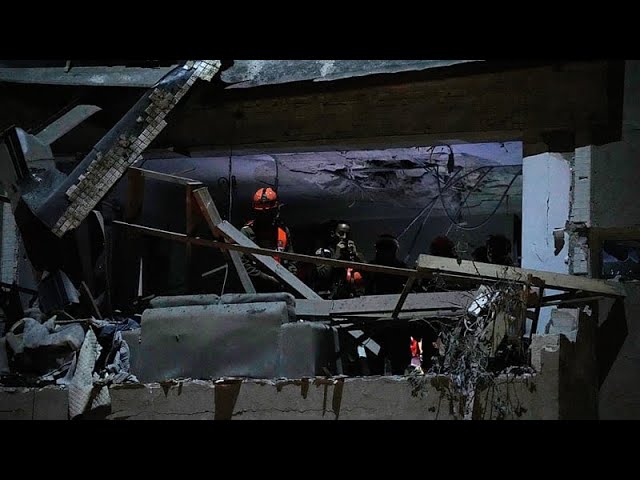
While the Israel Defense Forces have not disclosed the precise location of the strike or the full extent of its operational parameters, they confirmed that the mission was executed overnight with precision, guided by actionable intelligence. The absence of detailed disclosures is consistent with the operational secrecy that typically surrounds such missions, particularly those conducted deep within hostile territory.
Iranian state media outlets, including Tasnim and state television, swiftly acknowledged Naini’s death. Their characterization of the event, however, diverged sharply from the Israeli account. Describing him as having been “martyred,” Iranian sources framed the strike as a “criminal cowardly terrorist attack” allegedly carried out by a joint American-Israeli effort.
This divergence in narratives is itself emblematic of the very dynamics that Naini helped to orchestrate. Competing accounts, each tailored to specific audiences, illustrate the centrality of information warfare in the broader conflict. As the VIN News report noted, the Israeli military’s statement explicitly attributed the operation to its own air force, underscoring its independent operational capacity while avoiding direct engagement with claims of external involvement.
Ali Mohammad Naini’s rise within the IRGC was marked by a steady accumulation of influence within the realm of communications. Over the years, he occupied various roles that collectively positioned him as one of the regime’s foremost architects of public messaging.
His appointment as spokesperson in 2024 represented the culmination of this trajectory. In this capacity, he became the public face of the IRGC, articulating its positions, defending its actions, and shaping its image both domestically and internationally.
Yet his influence extended far beyond press briefings and official statements. As highlighted in reporting by VIN News, Naini was instrumental in disseminating messaging to Iran’s network of regional allies. This included not only ideological content but also strategic narratives designed to align the actions of disparate groups with the broader objectives of the Iranian regime.
Naini’s elimination is the latest in a series of targeted operations aimed at senior figures within Iran’s military and political establishment. These operations, conducted amid ongoing hostilities, reflect a deliberate strategy aimed at degrading the regime’s command-and-control structures.
By targeting individuals who occupy critical nodes within these structures, Israeli planners seek to disrupt the flow of information, coordination, and decision-making that underpins Iran’s regional activities. In this sense, the strike against Naini can be understood as part of a broader campaign designed to erode the regime’s capacity to project power beyond its borders.
As VIN News has repeatedly observed, such operations are characterized by their precision and their focus on high-value targets. This approach minimizes collateral damage while maximizing strategic impact, a balance that is central to the conduct of modern military operations.
To fully appreciate the significance of Naini’s role, it is necessary to consider the function of propaganda within the context of contemporary conflict. Far from being a peripheral activity, propaganda constitutes a core component of strategic operations.
It serves multiple purposes: shaping public opinion, maintaining morale, recruiting support, and, crucially, influencing the behavior of both allies and adversaries. In the case of Iran, this function is particularly pronounced, given the regime’s reliance on a network of allied groups operating across diverse and often volatile environments.
Naini’s work was integral to this system. By crafting messages that resonated across cultural and linguistic boundaries, he helped to sustain a cohesive narrative that bound these groups together. His elimination therefore represents not only the loss of an individual but the disruption of a complex and carefully maintained communication network.
The reaction to Naini’s death has been swift and multifaceted. Within Iran, official statements have sought to frame the event as an act of aggression, reinforcing narratives of victimhood and resistance. This response is consistent with the regime’s broader communication strategy, which seeks to mobilize domestic and regional support through the portrayal of external threats.
In contrast, Israeli officials have emphasized the operational significance of the strike, highlighting its role within a broader effort to counter what they describe as Iranian aggression. The IDF’s pledge to continue operations “with strength and determination” signals an ongoing commitment to this strategy.
For observers and analysts, the implications of the strike are both immediate and long-term. In the short term, the loss of a key figure such as Naini is likely to create disruptions within the IRGC’s communication apparatus. In the longer term, it may contribute to a gradual erosion of the regime’s ability to coordinate and sustain its regional activities.
Despite the elimination of Naini, the broader contest over narratives is unlikely to abate. Indeed, it may intensify as both sides seek to shape perceptions of the event and its significance.
As VIN News has noted, the information domain remains a critical battleground, one in which victories are measured not only in terms of physical outcomes but also in the ability to influence opinion and behavior.
In this context, the removal of a central figure such as Naini represents both an opportunity and a challenge. While it disrupts the existing structure, it also creates space for new actors to emerge, potentially altering the dynamics of the information landscape.
The targeted killing of Ali Mohammad Naini marks a significant moment in the ongoing confrontation between Israel and Iran. It highlights the increasingly sophisticated nature of modern conflict, in which the lines between military, informational, and psychological operations are increasingly blurred.
By striking at the heart of the IRGC’s propaganda apparatus, Israel has demonstrated a willingness to engage not only with the physical manifestations of its adversary’s power but also with the narratives that sustain it. As the VIN News report underscored, this approach reflects a comprehensive strategy aimed at addressing the full spectrum of threats.
Whether this strategy will achieve its intended objectives remains to be seen. What is clear, however, is that the conflict has entered a phase in which the battle for influence is as critical as the battle for territory. In this arena, the elimination of a single individual can reverberate far beyond the immediate circumstances of the strike, shaping the trajectory of the conflict in ways that are both profound and enduring.