













|
Getting your Trinity Audio player ready...
|
By: Fern Sidman
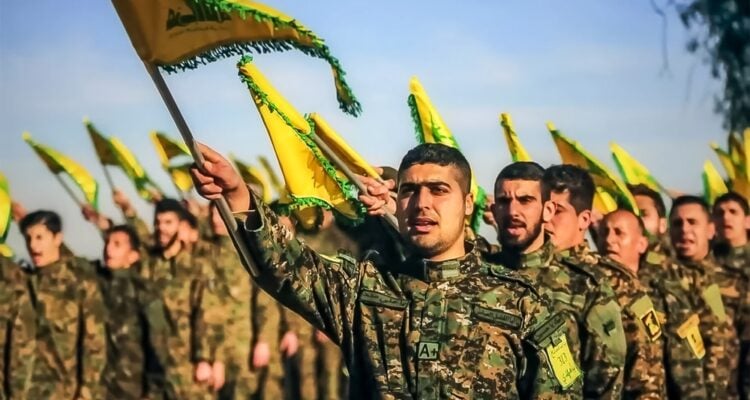
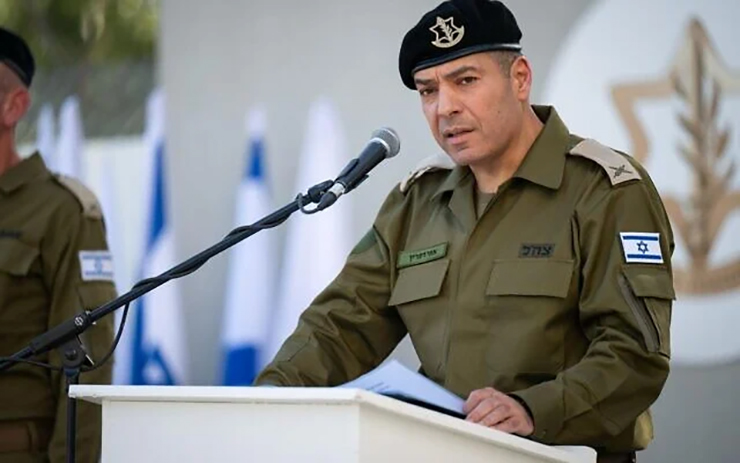
In a stark and uncompromising assessment that underscores the fragility of the current security environment along Israel’s northern frontier, Israeli military officials have issued a forceful warning that Hezbollah is actively rebuilding its war-fighting capabilities in defiance of existing ceasefire arrangements. The statement, delivered by Israel Defense Forces Spokesman Brigadier General Effie Defrin, paints a troubling portrait of a militant organization rapidly reconstituting its arsenal, retraining its forces, and embedding itself once again within civilian infrastructure in southern Lebanon.
According to a report on Friday by Israel National News, Defrin’s remarks reflect mounting concern within Israel’s defense establishment that the relative calm along the northern border is both tenuous and deceptive—a lull that may conceal preparations for renewed confrontation.
At the core of the Israeli assessment is the assertion that Hezbollah has systematically violated the terms and spirit of the ceasefire agreements that were intended to stabilize the region. Defrin emphasized that while Israel has exercised restraint in adherence to these understandings, Hezbollah has exploited the cessation of hostilities to regroup and rearm.
“For years, we have been defending our northern border against Hezbollah’s attacks on our civilians,” Defrin stated, as reported by Israel National News. “They have continued to rearm and re-weaponize in violation of the ceasefire agreement.”
This allegation is not merely rhetorical. Israeli intelligence assessments, as conveyed through official channels, indicate a sustained effort by Hezbollah to replenish its stockpiles of missiles and unmanned aerial systems, as well as to rehabilitate the infrastructure necessary to deploy these weapons effectively.
In an effort to substantiate these claims, Defrin cited remarks attributed to Wafiq Safa, a senior Hezbollah figure, who reportedly acknowledged ongoing efforts to rebuild the organization’s military capabilities. The inclusion of such statements serves to reinforce Israel’s position that Hezbollah’s activities are neither speculative nor incidental but rather part of a deliberate and coordinated strategy.
According to Defrin, Hezbollah is engaged in a multifaceted campaign of rearmament that encompasses the accumulation of advanced weaponry, the training of ground forces, and the reconstruction of operational infrastructure. These efforts, he noted, are often conducted within civilian areas—a tactic that complicates both intelligence gathering and military response while increasing the risk to noncombatants.
The use of civilian environments as operational cover has long been a point of contention in the Israel-Hezbollah dynamic. Israeli officials argue that such practices not only endanger local populations but also serve as a form of strategic deterrence, constraining Israel’s ability to respond without incurring significant collateral damage.
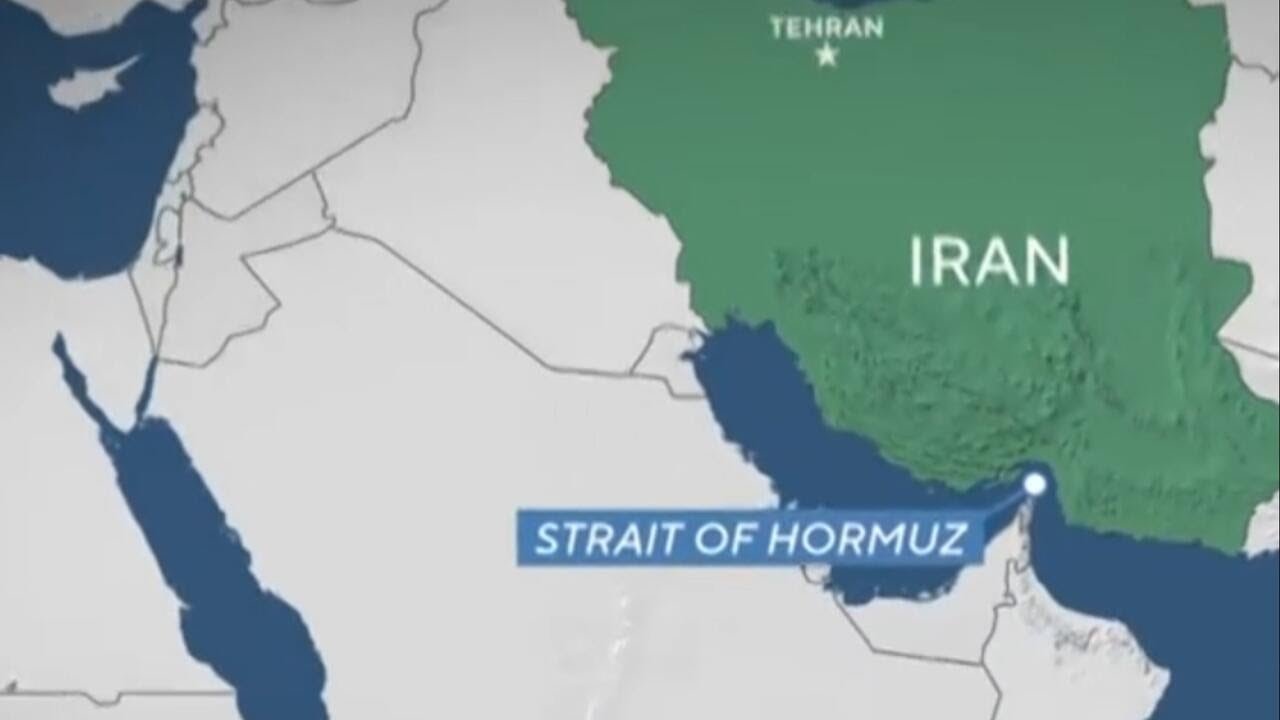
The broader geopolitical context of Hezbollah’s activities was also a focal point of Defrin’s statement. He asserted that on March 2, Hezbollah aligned itself with Iran in a coordinated campaign of attacks against Israel, thereby reinforcing the perception of the organization as an extension of Iranian regional strategy.
This alignment, as reported by Israel National News, underscores the interconnected nature of the threats facing Israel. Hezbollah’s rearmament is not viewed in isolation but as part of a larger network of Iranian influence that spans multiple theaters, including Lebanon, Syria, and beyond.
The implication is clear: efforts to counter Hezbollah must also contend with the broader strategic ambitions of Tehran. This dynamic complicates the calculus for Israeli policymakers, who must balance immediate security concerns with the risk of escalating a wider regional conflict.
In response to these developments, the Israel Defense Forces have intensified their operational posture along the northern border. Defrin indicated that Israeli forces are actively targeting Hezbollah positions, both to disrupt ongoing rearmament efforts and to deter future aggression.
“As we continue to strike Hezbollah terror targets, IDF troops are positioned in forward defensive points along the border area in southern Lebanon,” he stated, according to the Israel National News report.
This forward deployment reflects a strategy of proactive defense, designed to intercept threats before they can materialize into direct attacks on Israeli territory. It also signals a willingness to operate within contested areas, despite the inherent risks associated with such operations.
The presence of Israeli troops in these forward positions serves a dual purpose: it enhances situational awareness and operational readiness while also conveying a message of resolve to both Hezbollah and its patrons.
Defrin’s remarks also addressed the role of the Lebanese government, which has previously asserted that it exercises control over its territory and that Hezbollah’s activities are constrained. The Israeli assessment, however, challenges this narrative.
“In contrast to the declaration by the Lebanese government earlier this year, Hezbollah is still operating and conducting attacks from southern Lebanon,” Defrin said, as reported by Israel National News.
This divergence highlights a persistent tension in the region: the question of state sovereignty versus the autonomy of non-state actors. For Israel, the inability or unwillingness of the Lebanese government to disarm Hezbollah represents a critical vulnerability, one that necessitates unilateral action.
Perhaps the most consequential aspect of Defrin’s statement was his unequivocal warning regarding the future trajectory of Israeli operations. “If the Lebanese government will not disarm Hezbollah, the IDF will,” he said, according to the report at Israel National News.
This declaration carries significant implications. It suggests that Israel is prepared to expand its military activities in Lebanon if it deems such action necessary to neutralize the threat posed by Hezbollah. While such a course of action would entail considerable risks—including the potential for widespread escalation—it also reflects the gravity with which Israeli officials view the current situation.
Amid the strategic calculations and military maneuvers, the human dimension of the conflict remains ever present. Communities along Israel’s northern border have lived for years under the shadow of potential attack, their daily lives shaped by the persistent threat of rocket fire and cross-border incursions.
Similarly, civilians in southern Lebanon find themselves caught in a precarious position, residing in areas that may serve as both operational bases for Hezbollah and targets for Israeli strikes. The cyclical nature of the conflict ensures that periods of relative calm are often punctuated by sudden and devastating violence.
The developments described by Defrin contribute to a broader sense of instability in the Middle East. The interplay between local dynamics and regional rivalries creates an environment in which small incidents can rapidly escalate into larger confrontations.
The rearmament of Hezbollah, coupled with its alignment with Iranian interests, adds another layer of complexity to an already volatile landscape. For Israel, the challenge lies in addressing immediate threats while avoiding actions that could trigger a wider conflict.
The situation along Israel’s northern border stands as a stark reminder of the fragile equilibrium that defines much of the Middle East. Ceasefire agreements, while essential, are only as effective as the willingness of all parties to adhere to them. In this case, Israeli officials argue that such adherence is conspicuously absent.
As Hezbollah continues to rebuild its capabilities and Israel intensifies its countermeasures, the risk of renewed hostilities looms large. The warnings issued by Brigadier General Effie Defrin are not merely descriptive; they are prescriptive, outlining a potential course of action that could reshape the region’s security landscape.
In the final analysis, the unfolding situation represents a critical juncture—one that will test the resilience of existing agreements, the effectiveness of deterrence strategies, and the capacity of regional actors to navigate an increasingly perilous path.