















|
Getting your Trinity Audio player ready...
|
By: Fern Sidman
The Israeli Air Force executed one of its most expansive operations in recent memory on Sunday, striking multiple Iranian Revolutionary Guard Corps headquarters in the heart of Tehran in what Israeli officials described as a decisive escalation in the ongoing confrontation between the two adversaries. According to reports on Sunday by VIN News, more than 100 Israeli fighter jets participated in the coordinated wave of strikes, targeting dozens of facilities associated with the IRGC’s intelligence, air force and internal security divisions.
The operation, which unfolded amid continuing missile fire from Iran toward Israeli cities, marks a significant intensification of hostilities following the elimination of Iran’s Supreme Leader and other senior officials earlier in the conflict. At a press conference Sunday, IDF Spokesman Brig. Gen. Effie Defrin characterized the air campaign as both extensive and strategically consequential. “These are significant and powerful strikes,” Defrin stated, according to VIN News. “These headquarters operated against Israel and the entire world. Today they were destroyed along with everyone operating in them.”
The scale of the assault underscores Israel’s determination to dismantle what it views as the operational nerve centers of Iran’s regional military apparatus. The IRGC, an elite force established to safeguard the Islamic Republic’s ideological foundations, has long been accused by Israel of orchestrating proxy attacks and supplying advanced weaponry to hostile groups across the Middle East. By targeting command facilities in Tehran itself, Israel signaled that it is prepared to strike deep within Iranian territory rather than confining its efforts to peripheral military assets.
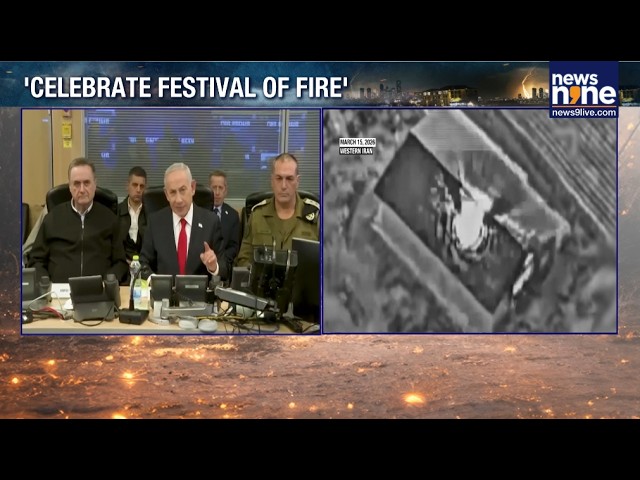
VIN News reported that the IDF simultaneously released video footage depicting strikes on Iranian air defense systems and ballistic missile launchers in western Iran. The footage, which circulated widely online, showed precision munitions striking radar installations and missile batteries, followed by secondary explosions. Israeli officials indicated that neutralizing these systems was essential to preserving air superiority and degrading Iran’s capacity to retaliate.
The air campaign comes against a backdrop of persistent Iranian missile fire directed at Israeli population centers. Emergency services in Jerusalem reported six people wounded Sunday night, including one individual in moderate condition, as sirens once again pierced the evening air. In Beit Shemesh, municipal officials confirmed that three of the nine fatalities from a ballistic missile strike had been identified, among them a volunteer with United Hatzalah. VIN News highlighted the profound impact on the close-knit community, where rescue workers and neighbors alike mourned the loss of a man who had devoted his time to saving others.
The convergence of offensive and defensive operations illustrates the dual pressures confronting Israel’s leadership. On one hand, the military seeks to eliminate the infrastructure enabling Iran’s missile and drone assaults; on the other, it must shield its civilian population from ongoing barrages. Air defense systems, including Iron Dome and David’s Sling, have intercepted numerous incoming projectiles, yet some missiles have penetrated those defenses, inflicting casualties and structural damage.
Foreign Minister Gideon Sa’ar convened an extensive online briefing with Israel’s ambassadors stationed worldwide, reflecting the diplomatic dimension of the unfolding crisis. According to VIN News, Sa’ar addressed both the security situation and the messaging strategy Israel intends to adopt in international forums. Ambassadors were provided with guidelines to articulate Israel’s rationale for the strikes, emphasizing what officials describe as the existential threat posed by Iran’s military capabilities and regional ambitions.
The diplomatic effort appears designed to mitigate criticism and reinforce alliances at a moment when global reactions remain sharply divided. Some governments have expressed concern about escalation, while others have voiced support for Israel’s assertion of self-defense. By engaging ambassadors directly, Sa’ar sought to ensure that Israel’s narrative is conveyed consistently across capitals.
Military analysts note that deploying over 100 fighter jets for a single operational wave signals not only logistical sophistication but also a calculated demonstration of resolve. VIN News cited defense officials who described the operation as meticulously planned, involving electronic warfare components to suppress Iranian air defenses and aerial refueling to extend the aircrafts’ range. The choice of targets — command headquarters in densely populated urban areas — suggests that Israel prioritized decapitating the IRGC’s command structure, even at the risk of international scrutiny.
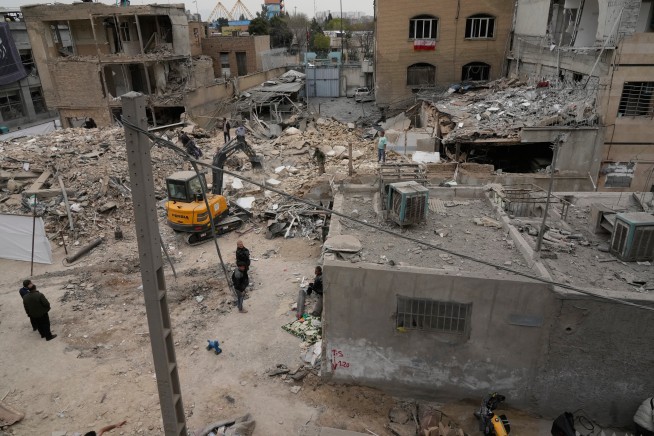
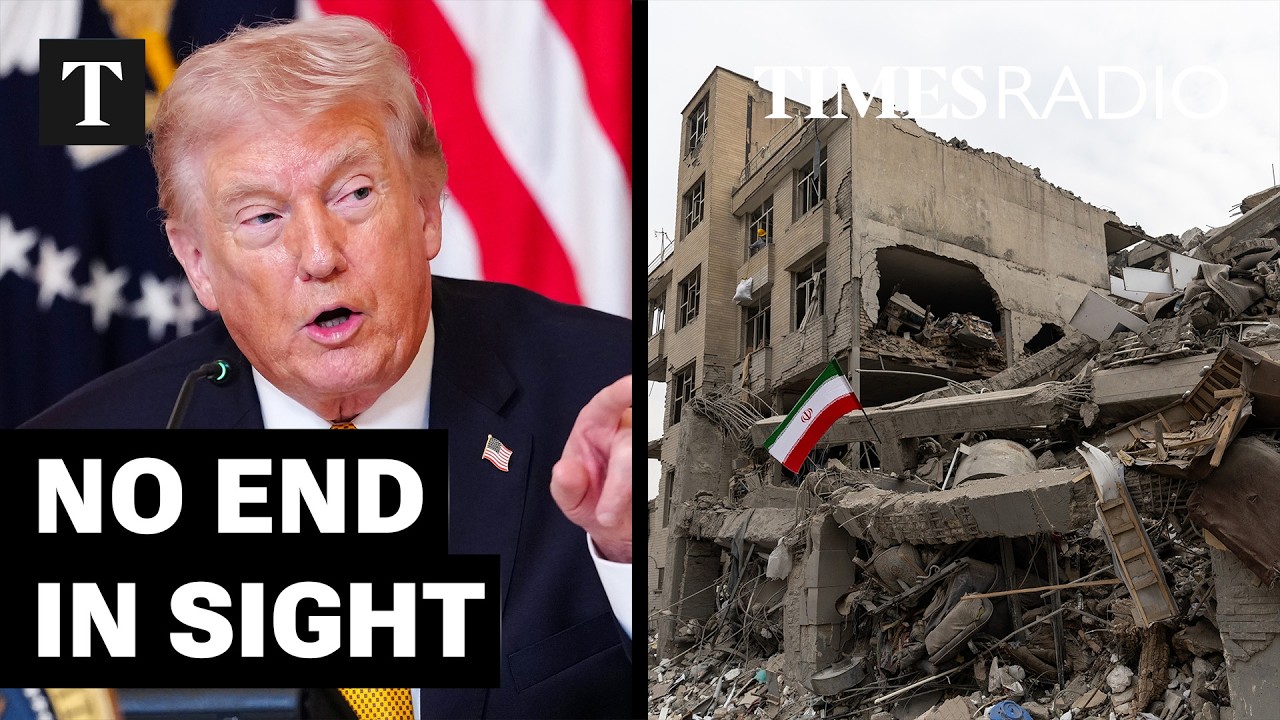
In Tehran, the strikes reportedly reverberated through neighborhoods housing both military and administrative facilities. Iranian media outlets acknowledged explosions and reported casualties among security personnel, though independent verification remains limited. The destruction of key IRGC facilities could disrupt coordination of Iran’s retaliatory campaign, yet it may also galvanize hardline factions seeking further escalation.
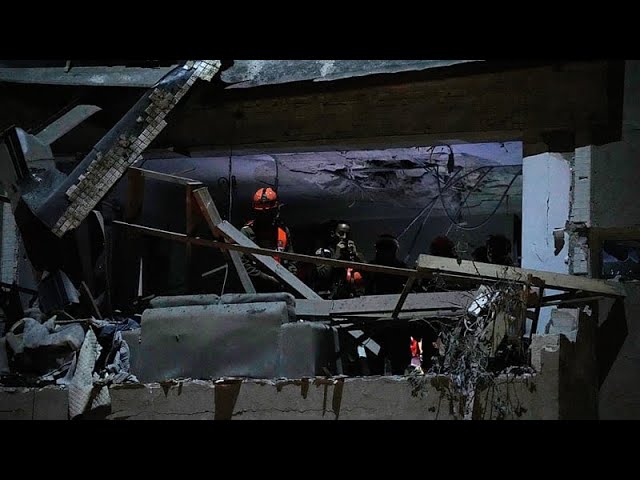
The Israeli public, meanwhile, continues to navigate an uneasy coexistence with war. Schools in certain regions have shifted to remote instruction, and public gatherings remain restricted in areas deemed vulnerable to missile fire. Community centers and synagogues have reinforced shelter protocols, while volunteer organizations such as United Hatzalah mobilize to assist victims of attacks. VIN News documented scenes of emergency responders combing through debris in Beit Shemesh, their work emblematic of a society bracing itself against sustained threat.
Various media reports have also indicated that Israel intends to call up anywhere between 70,000 to 100,000 reservists for the war effort.
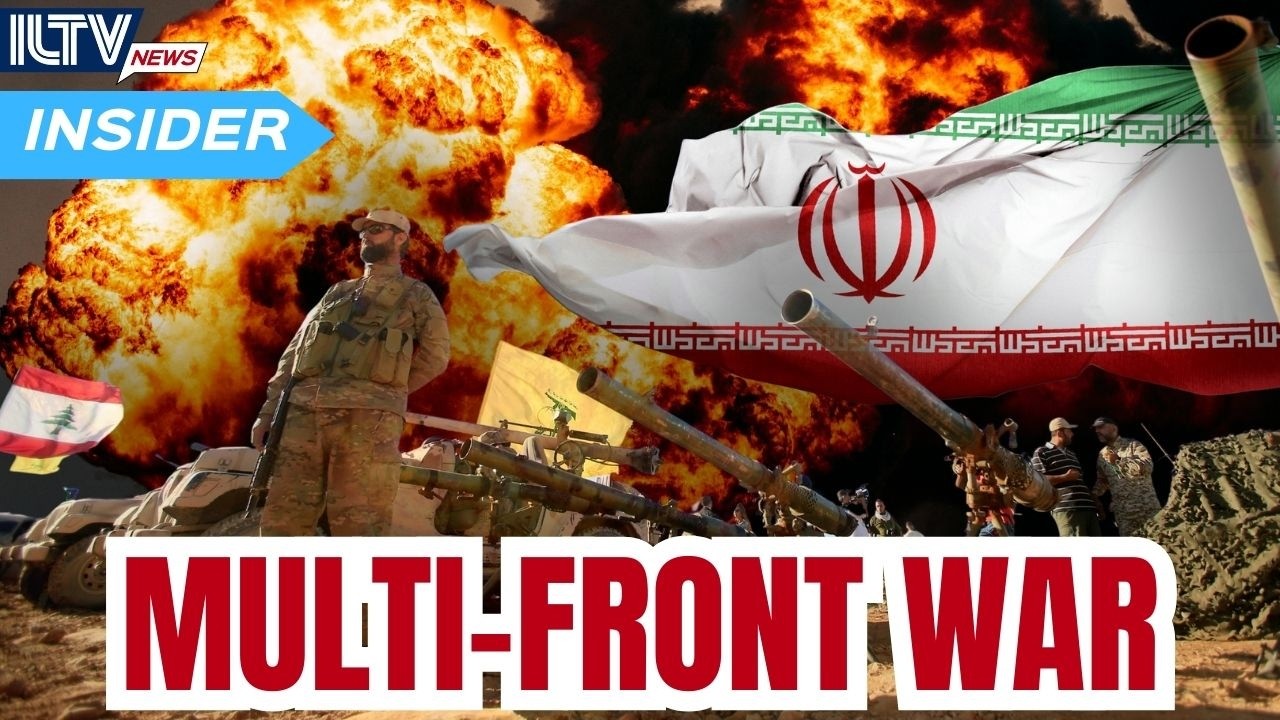
Brig. Gen. Defrin’s remarks framed the strikes as part of a broader campaign to dismantle what he termed an apparatus that “operated against Israel and the entire world.” This language reflects Israel’s longstanding argument that Iran’s regional interventions — from Lebanon to Yemen — constitute not merely bilateral hostility but a destabilizing force across the Middle East. By targeting IRGC intelligence and internal security units, Israel aims to impair Iran’s ability to orchestrate both external operations and domestic control.
Yet even as Israeli jets returned to base, the risk of further retaliation loomed. Iranian missile units remain active, and the potential involvement of allied militias in Lebanon, Syria and Iraq cannot be discounted. VIN News reported that emergency services remain on high alert nationwide, prepared for additional waves of attacks.
The coming days will likely determine whether Sunday’s operation marks a turning point or merely another chapter in an escalating cycle. For Israel’s leadership, the calculus hinges on whether the destruction of IRGC headquarters meaningfully degrades Iran’s offensive capacity. For Iranian authorities, the imperative may be to demonstrate resilience and deterrence in the face of unprecedented strikes on their capital.
In the meantime, ordinary citizens on both sides endure the consequences of strategic decisions made far above their heads. In Jerusalem, families gather in reinforced rooms at the sound of sirens. In Tehran, residents assess damage to neighborhoods where military facilities once stood.
As the VIN News report observed, the contours of a widening confrontation are becoming clearer. Israel has signaled that it is prepared to strike decisively at the heart of Iran’s military establishment. Iran, for its part, shows no indication of retreat. The skies over the Middle East remain crowded with aircraft and missiles, and the path toward de-escalation appears increasingly narrow.