
























|
Getting your Trinity Audio player ready...
|
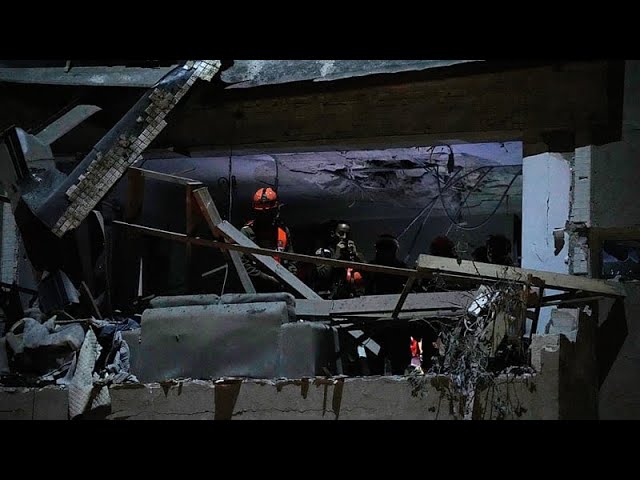
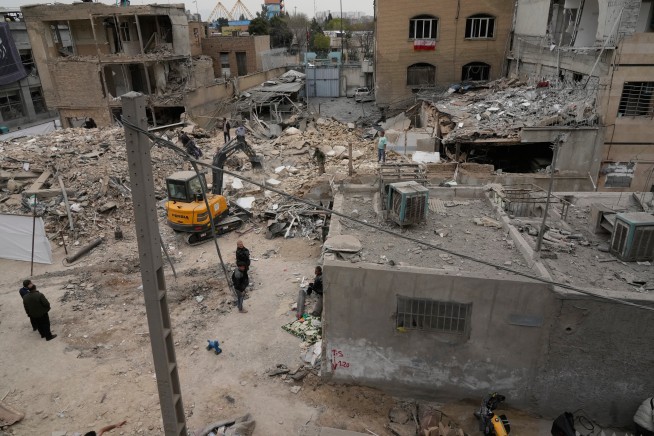
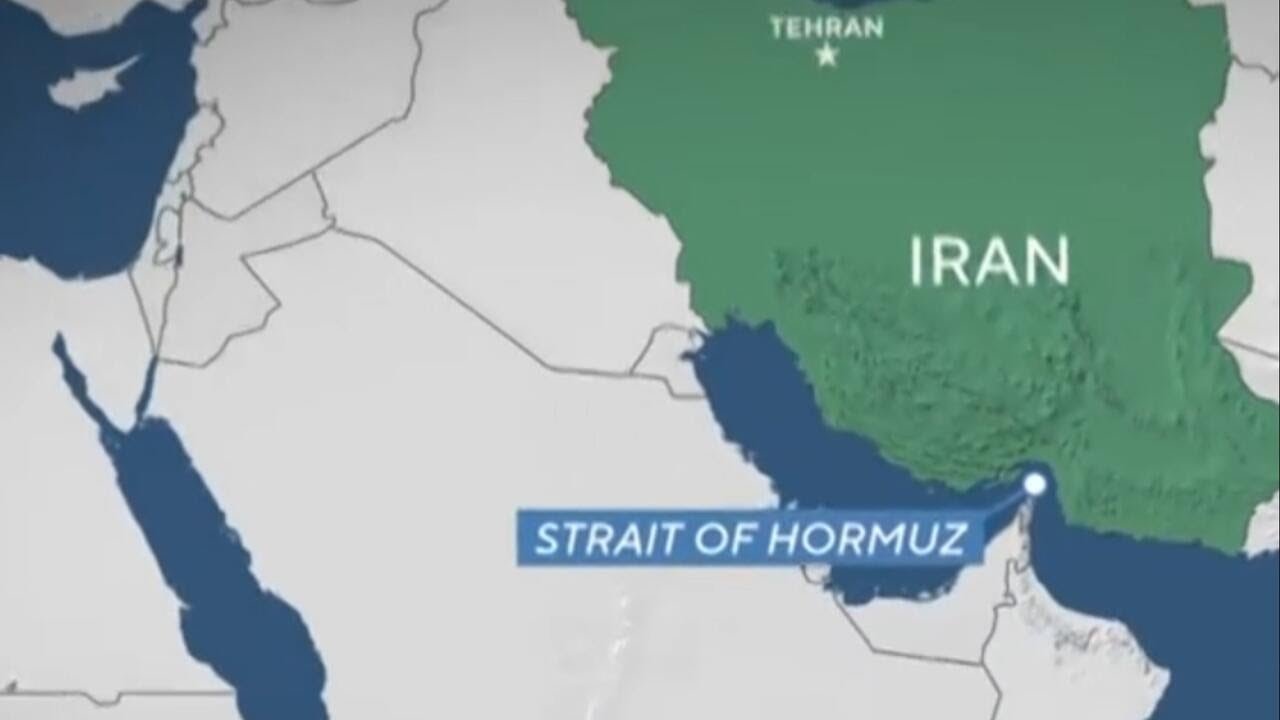
(TJV NEWS) Energy infrastructure has emerged as a growing target in the escalating regional conflict, after one of Israel’s largest oil refineries was struck during the latest wave of attacks linked to the war with Iran.
Iran’s Islamic Revolutionary Guard Corps (IRGC) says it has struck Israel’s Haifa refinery, framing the attack as direct retaliation for fresh Israeli strikes on energy infrastructure inside Iran.
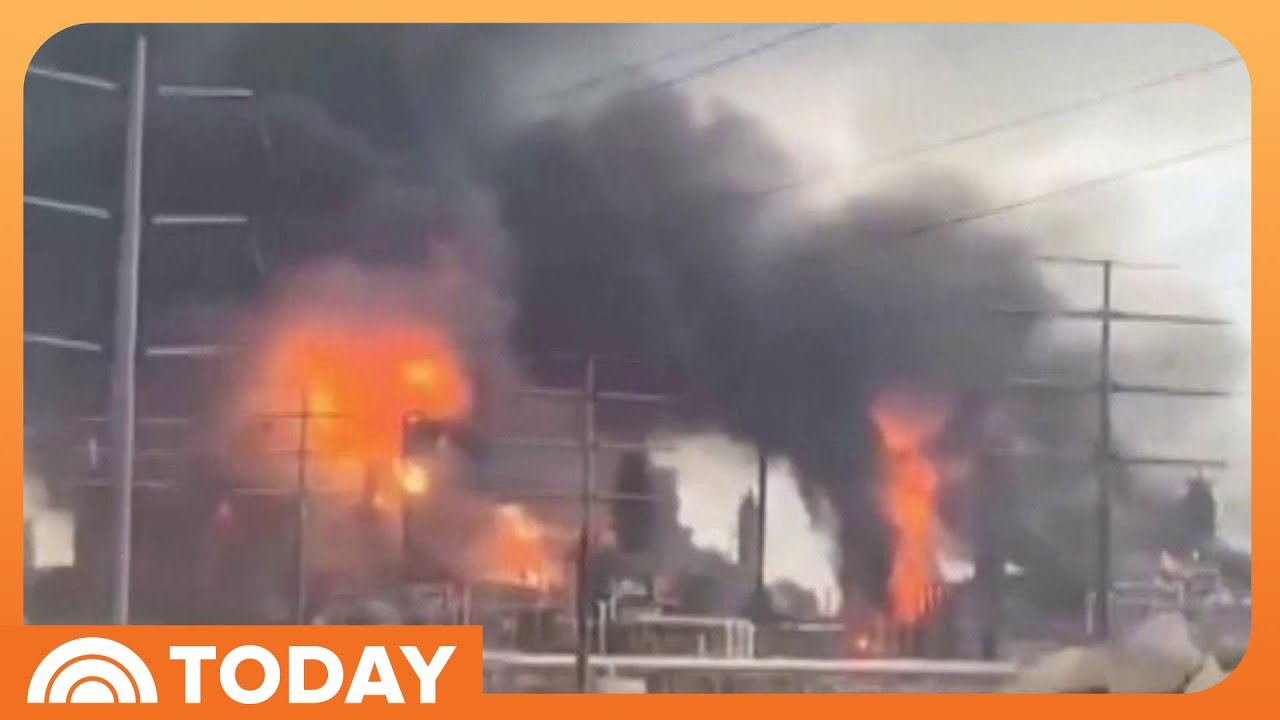
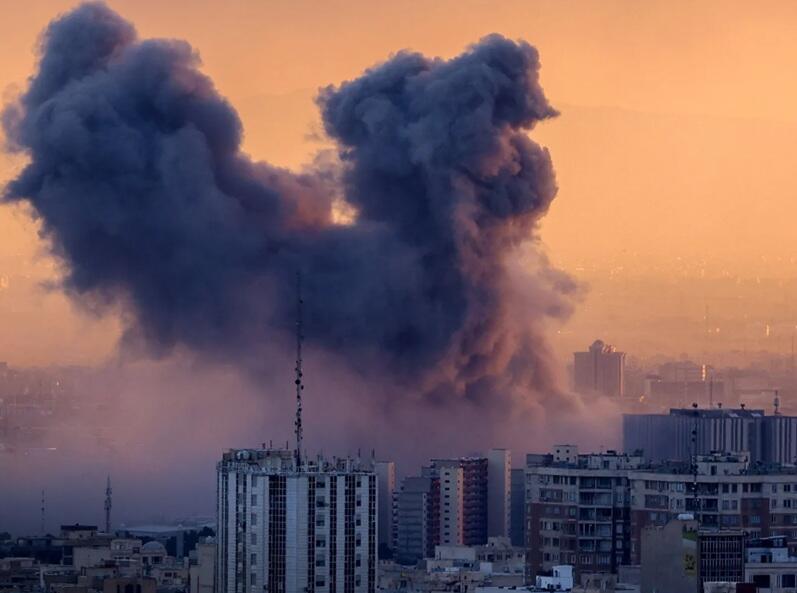
Three oil depots are confirmed to have been struck in Tehran. Huge fireballs and clouds of smoke can be seen across the city’s night sky.
The Israel Defence Forces have confirmed the strikes, posting to X that “several fuel storage complexes belonging to the IRGC [Islamic Revolutionary Guard Corps] in Tehran” have been struck.
“The strike significantly deepens the damage to the military infrastructure of the Iranian terrorist regime.”
The depots are located in the west, east and south of the capital.
According to financial blog Zero Hedge, the refinery complex in the northern Israeli port city of Haifa was hit during recent missile and drone strikes as the confrontation between Iran and Israel intensified. The blog noted that the attack underscored a shift in the conflict toward strategic economic targets, including oil processing facilities and energy infrastructure.
The war of the oil refineries: Iran says it targeted tonight a refinery in Israel after an attack on its own refinery in Tehran.
The regional energy infrastructure is getting pulled deeper and deeper into the conflict in a rapid escalation. https://t.co/92R4c3ofy6
— Javier Blas (@JavierBlas) March 7, 2026
The Haifa refinery complex, operated by the Bazan Group, is one of Israel’s most important energy facilities, supplying a large share of the country’s refined petroleum products. Damage to the facility raised concerns about possible disruptions to Israel’s domestic fuel supply and broader regional energy markets, Zero Hedge pointed out.
Energy analysts have long warned that refineries, export terminals, and pipelines across the Middle East could become high-value targets if the conflict escalates further. Oil infrastructure is critical not only for national energy security but also for the global supply chain, making such facilities particularly sensitive during wartime.
TEHRAN ENGULFED IN MUSHROOM CLOUD AFTER ISRAEL BOMBS ‘OIL INFRASTRUCTURE’
IRAN STRIKES BACK AT HAIFA REFINERY — IRIB pic.twitter.com/g5aClMHLqi
— RT (@RT_com) March 7, 2026
The refinery strike occurred amid a broader surge in missile and drone attacks exchanged across the region. Israeli air defenses have been working to intercept incoming projectiles, while Israel has continued conducting airstrikes on targets inside Iran and against Iranian-aligned groups elsewhere in the region.
Zero Hedge reported that the attack on the Haifa refinery illustrates how the conflict is increasingly expanding beyond purely military targets. Energy facilities, airports, and other major infrastructure sites have come under threat as both sides attempt to pressure their adversaries.
If Iranian energy infrastructure is now being hit, all gloves can be expected to come off shortly. https://t.co/rYPp8oG7Z8
— Mohammad Ali Shabani (@mashabani) March 7, 2026
The growing focus on oil infrastructure has heightened concerns among energy traders and policymakers. Even limited damage to refining capacity can disrupt fuel supplies, while broader attacks on facilities across the Gulf or Eastern Mediterranean could have ripple effects on global oil markets.
As the war continues to widen geographically, analysts warn that energy infrastructure—from refineries to shipping terminals—may remain at risk, raising the possibility that the conflict could increasingly affect global energy flows and prices.