


















|
Getting your Trinity Audio player ready...
|
Magen David Adom Conducts Major Emergency Drill in Eilat to Prepare for Mass-Casualty Missile Scenarios
By: Fern Sidman
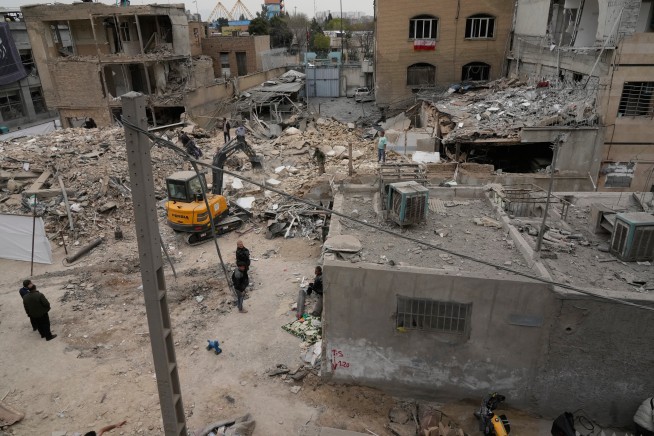
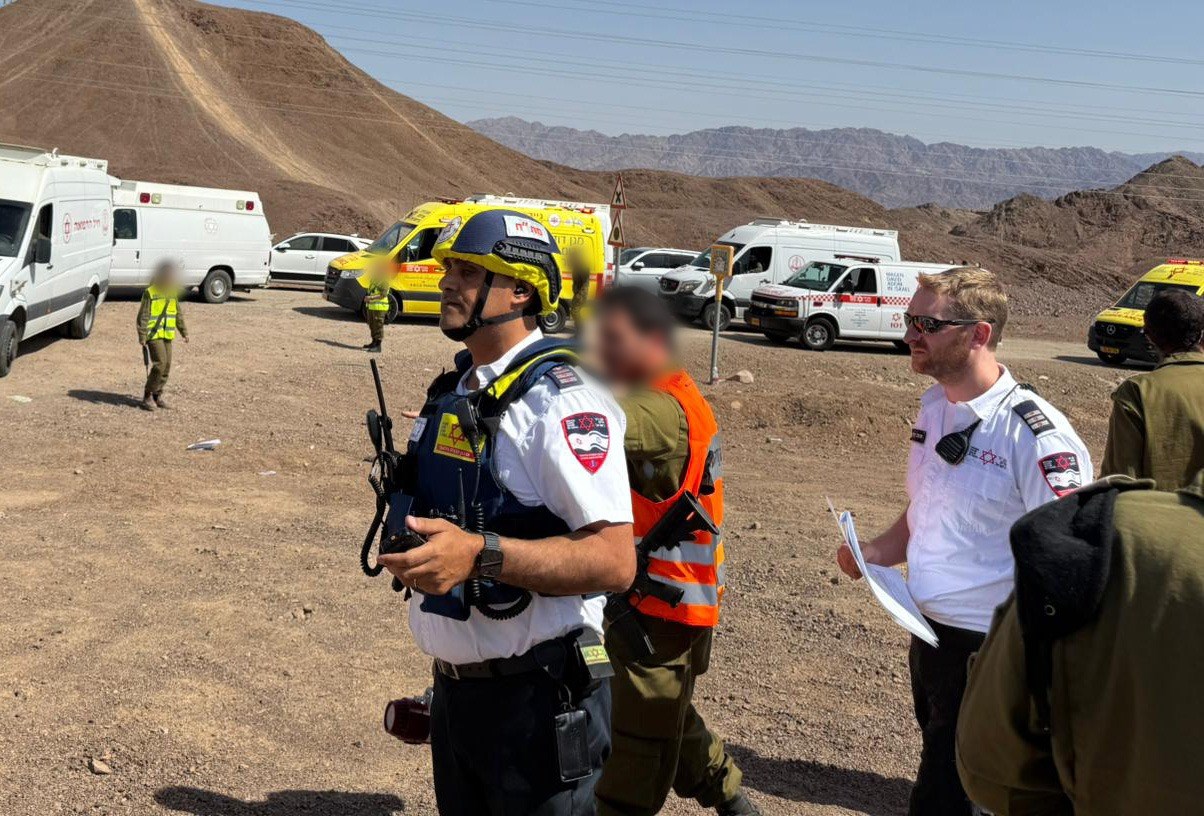
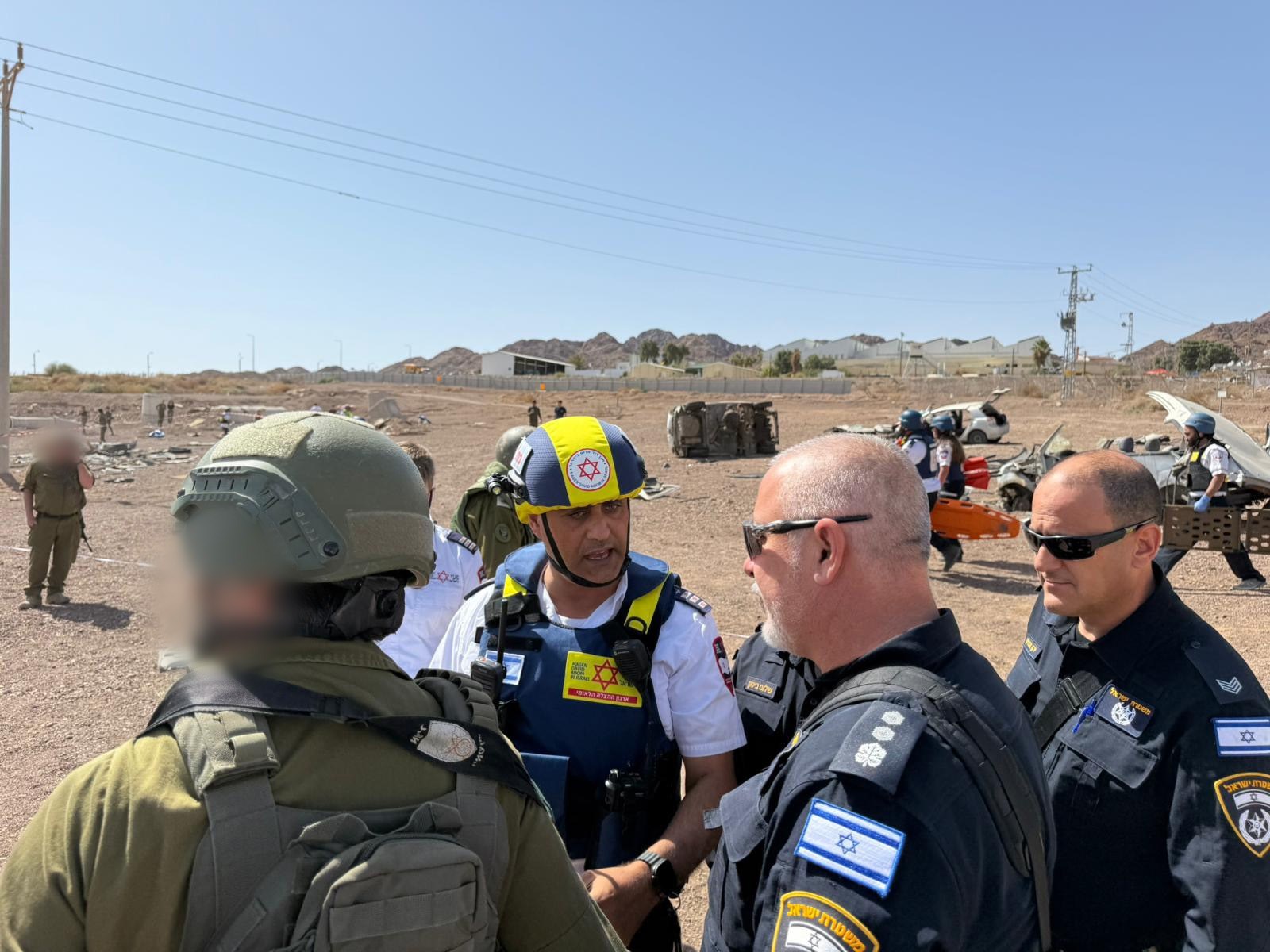
In a sweeping demonstration of Israel’s emergency preparedness infrastructure, the national emergency medical service Magen David Adom (MDA) conducted a large-scale exercise Thursday in the southern resort city of Eilat, simulating the aftermath of coordinated missile strikes that left hundreds of fictional casualties scattered across multiple densely populated sites.
The drill, designed to replicate the chaotic conditions of a complex wartime emergency, involved a wide array of Israel’s emergency and security institutions. The Israel Defense Forces, Israel Police, Fire and Rescue Services, the Ministry of Health, and regional hospitals all participated alongside MDA personnel in a coordinated effort aimed at strengthening operational readiness and improving interagency coordination in the event of a real mass-casualty disaster.
The simulation unfolded across several locations throughout the city, where emergency teams confronted scenarios intended to mirror the devastating impact of missile attacks on crowded urban areas. These hypothetical strikes were portrayed as having occurred simultaneously in several populated districts, forcing first responders to confront the immense logistical and medical challenges associated with treating and evacuating hundreds of wounded individuals in a compressed timeframe.
Officials said the exercise formed part of Magen David Adom’s broader strategy to prepare for the increasingly complex threats facing the State of Israel, where the possibility of missile and drone attacks from hostile actors remains a persistent security concern.
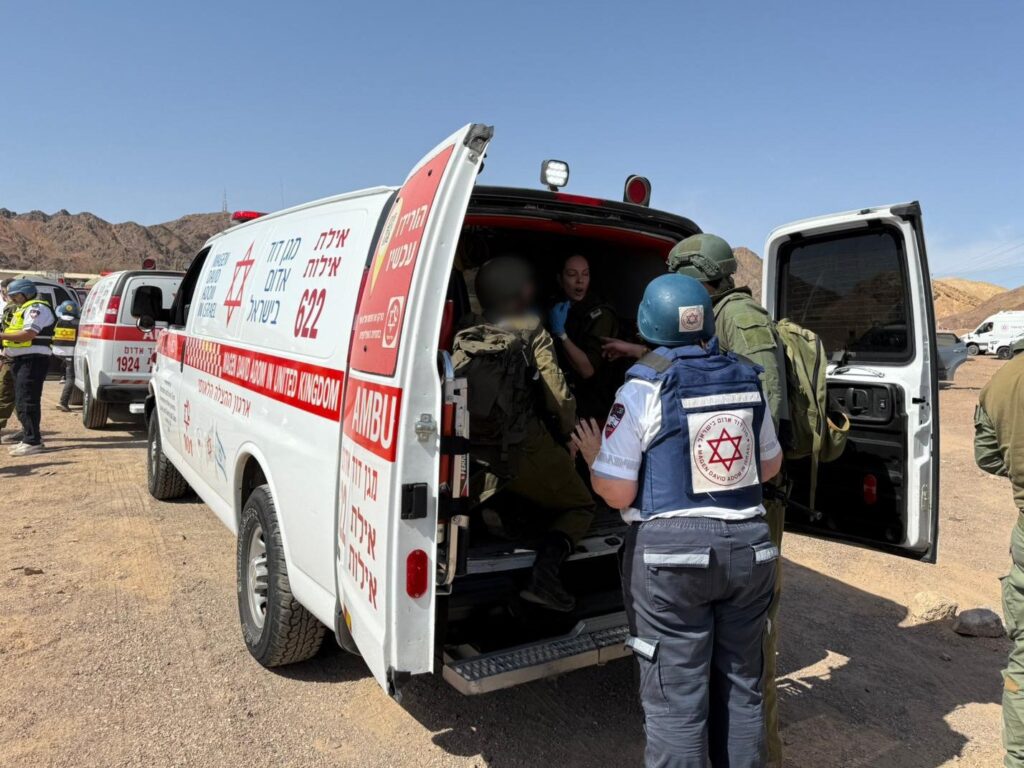
Throughout the day, dozens of emergency medical technicians and paramedics from MDA operated across the simulated disaster zones, deploying a broad range of specialized response units designed to address large-scale emergencies. Ambulances and mobile intensive care units—known as MICUs—formed the backbone of the medical response, while members of MDA’s Motorcycle Unit maneuvered through congested areas on emergency medicycles outfitted with advanced life-saving equipment.
The motorcycles, capable of navigating traffic and debris far more quickly than larger vehicles, are frequently deployed during real emergencies in Israel’s cities. During the exercise, these medicycles played a crucial role in reaching victims rapidly, stabilizing them and relaying vital medical information back to centralized command systems.
Dedicated mass-casualty response vehicles also participated in the drill, transporting specialized equipment and medical supplies necessary for managing large numbers of wounded individuals simultaneously.
Across the simulated impact sites, MDA personnel practiced the full spectrum of emergency medical procedures required in large-scale disasters. Teams conducted rapid searches for victims, assessed injuries and implemented triage protocols designed to prioritize treatment for the most critically wounded patients. Paramedics and EMTs administered life-saving interventions on the scene while coordinating the swift evacuation of casualties to hospitals prepared to receive a sudden surge of patients.
The emphasis on triage—the process of rapidly categorizing patients according to the severity of their injuries—was central to the exercise. In real-world mass-casualty events, the ability of medical teams to make swift, accurate triage decisions often determines how many lives can ultimately be saved.
In parallel with the field operations, Magen David Adom’s National Dispatch Center conducted its own complex simulation of emergency management under crisis conditions. From the dispatch headquarters, personnel practiced managing the flow of incoming emergency calls, coordinating ambulance dispatches, and maintaining communication among multiple emergency agencies operating simultaneously across the city.
The dispatch center also simulated the mobilization of additional medical teams from central Israel, a critical capability should a major incident overwhelm local resources. Even while orchestrating the large-scale exercise, dispatch operators were required to continue providing full emergency response services for real incidents occurring elsewhere in the country.
Officials emphasized that maintaining routine emergency operations during a large-scale crisis is itself a vital component of national preparedness. Israel’s emergency services must remain capable of responding to everyday medical emergencies—ranging from traffic accidents to cardiac events—even while addressing extraordinary disasters.
Ronen Bashari, head of MDA’s Operations Division, described the exercise as a crucial opportunity to refine operational procedures and enhance the speed and effectiveness of the organization’s response capabilities.
“Exercises of this type allow us to test the teams’ rapid response capabilities in the field, refine procedures, and strengthen cooperation among all emergency and rescue agencies,” Bashari said following the completion of the drill. “Joint training enhances our ability to act quickly and professionally in real time in order to save lives.”
Bashari noted that in real emergency scenarios, the ability of different agencies to communicate and coordinate seamlessly can significantly influence the outcome. The drill therefore emphasized collaboration not only among medical personnel but also between emergency responders and security forces responsible for managing the broader disaster scene.
Police officers participating in the exercise practiced securing simulated strike zones, directing traffic to allow ambulances swift access to victims and assisting in the evacuation of civilians from hazardous areas. Fire and Rescue Services units simultaneously conducted mock operations involving the extraction of casualties from collapsed structures and damaged vehicles, reflecting the types of injuries commonly associated with missile strikes.
Hospitals in the region were also integrated into the exercise, preparing their emergency departments to receive large numbers of patients arriving in quick succession. Medical staff rehearsed procedures for expanding treatment capacity, allocating operating rooms and deploying additional personnel to handle the influx of wounded individuals.
Such drills have become an increasingly routine component of Israel’s national emergency preparedness strategy, reflecting the country’s long-standing experience with both conventional warfare and irregular conflict involving missile attacks on civilian centers.
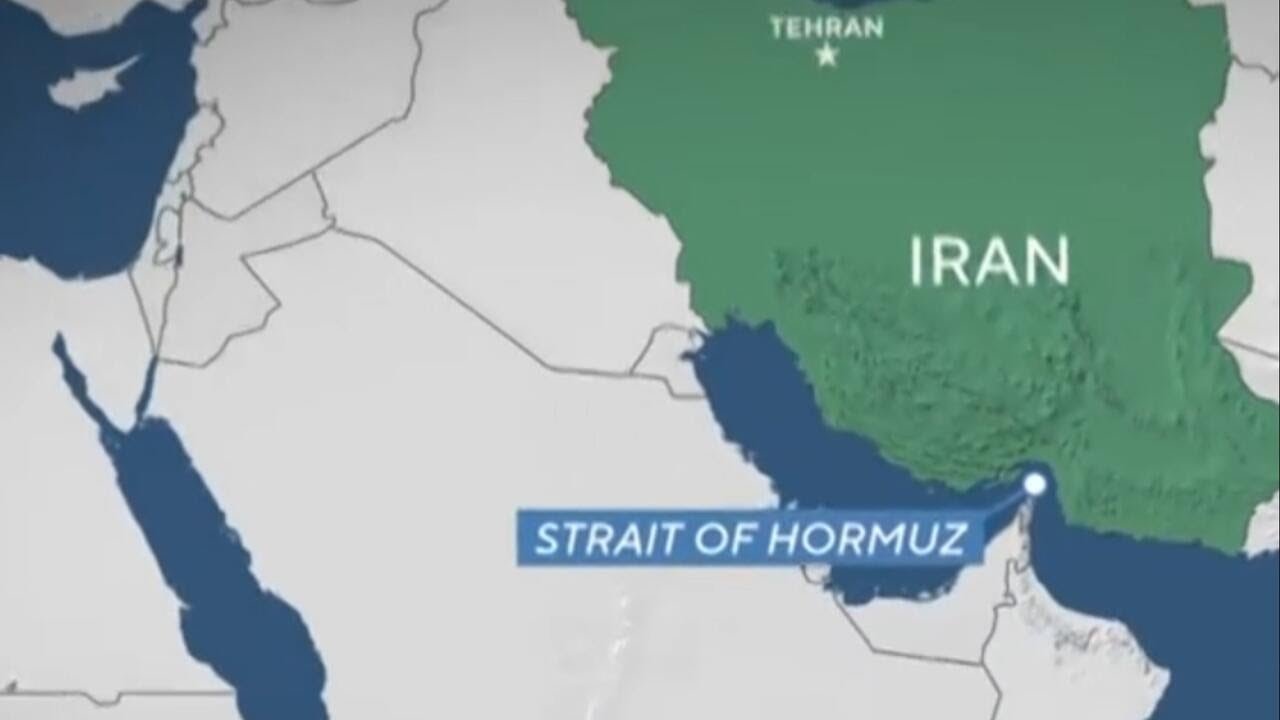
Eilat’s selection as the site for Thursday’s exercise carried particular strategic significance. Located at Israel’s southernmost tip along the Red Sea, the city occupies a sensitive geographic position near the borders with Egypt and Jordan. While Eilat has traditionally been considered relatively insulated from some of the threats faced by Israel’s northern and central regions, evolving regional dynamics have underscored the need for preparedness nationwide.
Recent years have seen an expansion of missile and drone capabilities among hostile actors in the broader Middle East, including Iran-backed militias and terrorist organizations. Israeli defense planners increasingly emphasize the importance of readiness in every part of the country, including areas historically viewed as peripheral to the main theaters of conflict.
Eli Bin, director-general of Magen David Adom, underscored the organization’s commitment to maintaining round-the-clock readiness for a wide range of emergency scenarios.
“Magen David Adom, the national emergency medical organization of the State of Israel, operates around the clock to ensure that in any emergency scenario we can provide fast and professional medical care to every citizen,” Bin said.
He stressed that large-scale exercises such as the one conducted in Eilat serve as critical tools for strengthening institutional preparedness.
“Exercises like this enable us to improve the organization’s readiness, enhance cooperation with all emergency agencies, and ensure that when the need arises we will be able to provide the best possible response,” Bin explained.
Founded in 1930, Magen David Adom has evolved into one of the most sophisticated emergency medical systems in the world, responsible not only for ambulance services but also for blood services, disaster response and international humanitarian assistance. The organization operates thousands of emergency vehicles and relies on a combination of professional staff and tens of thousands of volunteers who assist in responding to emergencies throughout Israel.
Over the decades, MDA has developed extensive expertise in responding to mass-casualty incidents, drawing lessons from past conflicts, terrorist attacks and natural disasters. Those experiences have shaped the organization’s operational doctrine, emphasizing rapid mobilization, advanced triage protocols and tight integration with Israel’s broader security and healthcare infrastructure.
Emergency preparedness experts note that drills like the one held in Eilat play a critical role in ensuring that these systems remain effective under the immense pressures of real-world crises. While sophisticated equipment and infrastructure are essential, the human element—training, communication and decision-making under stress—often determines the ultimate success of emergency response efforts.
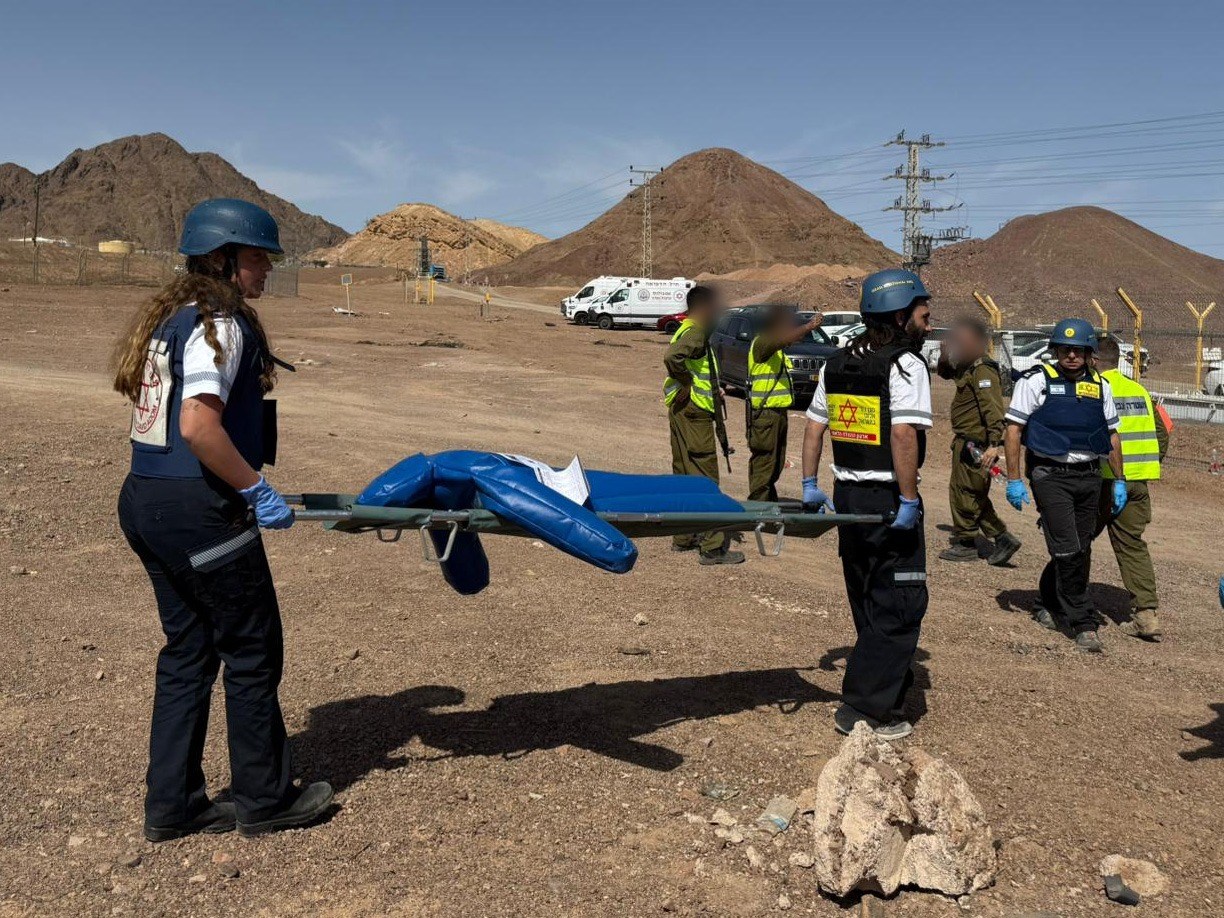
By placing responders in realistic scenarios that simulate the confusion and urgency of a genuine disaster, such exercises allow teams to identify potential weaknesses and address them before an actual emergency occurs.
As the exercise concluded Thursday, emergency officials expressed confidence that the training had provided valuable insights and strengthened the operational readiness of all participating agencies.
In a country where the prospect of sudden crises remains an ever-present reality, the ability of emergency services to respond swiftly and effectively can mean the difference between life and death for countless civilians. Through comprehensive drills like the one conducted in Eilat, Israel’s emergency responders seek to ensure that when disaster strikes, they will be prepared to meet the challenge.