















|
Getting your Trinity Audio player ready...
|
Night of Sirens and Fire: Coordinated Iranian & Hezbollah Barrages Test Israel’s Defenses as Regional War Deepens
By: Fern Sidman
In the early hours of Thursday morning, Israelis across multiple regions awoke to the now-familiar and chilling wail of air raid sirens, as missiles launched from both Iran and Lebanon streaked toward the country’s cities and towns. The coordinated barrages, which triggered alarms from the Red Sea resort city of Eilat to the densely populated center of the country and the northern frontier, underscored the increasingly complex and dangerous nature of the widening regional war that now pits Israel and its allies against Iran and the network of militant proxies operating under Tehran’s influence.
Despite the intensity of the attacks, Israeli air defense systems once again prevented what could have been catastrophic casualties. According to emergency authorities, most of the projectiles were intercepted mid-air, while others landed in open areas. No serious injuries were reported in the overnight bombardments, a testament to the sophisticated multi-layered missile defense network that Israel has developed over decades of conflict.
A report on Thursday by Israel National News indicated that the night’s attacks were part of a broader and increasingly coordinated effort by Iran and the Hezbollah terrorist organization to stretch Israel’s defensive capabilities and open multiple fronts simultaneously.
Eilat under attack pic.twitter.com/T6AHr0GM3r
— Brian’s Breaking News and Intel (@intelFromBrian) March 12, 2026
The first alarms of the morning sounded shortly before 4:00 a.m., when residents in Eilat and the surrounding Arava desert region were jolted awake by sirens warning of incoming missiles launched from Iranian territory. Within minutes, additional alarms echoed across central Israel as further launches were detected. Almost simultaneously, northern communities were placed on alert after rockets were fired from Lebanon.
According to accounts compiled by Israel National News, the barrage represented one of the most geographically widespread attack waves since the beginning of the current conflict. Israeli air defense batteries rapidly engaged the incoming projectiles, with interception systems operating across multiple sectors.
Emergency services confirmed that while debris from intercepted missiles fell in several areas, the majority of the incoming threats were successfully neutralized before reaching populated zones.
The pre-dawn assault followed a series of attacks earlier in the night. Around 1:00 a.m., missile launches from both Iran and Lebanon triggered air raid sirens across northern, central, and southern Israel simultaneously, forcing millions of residents to seek shelter.
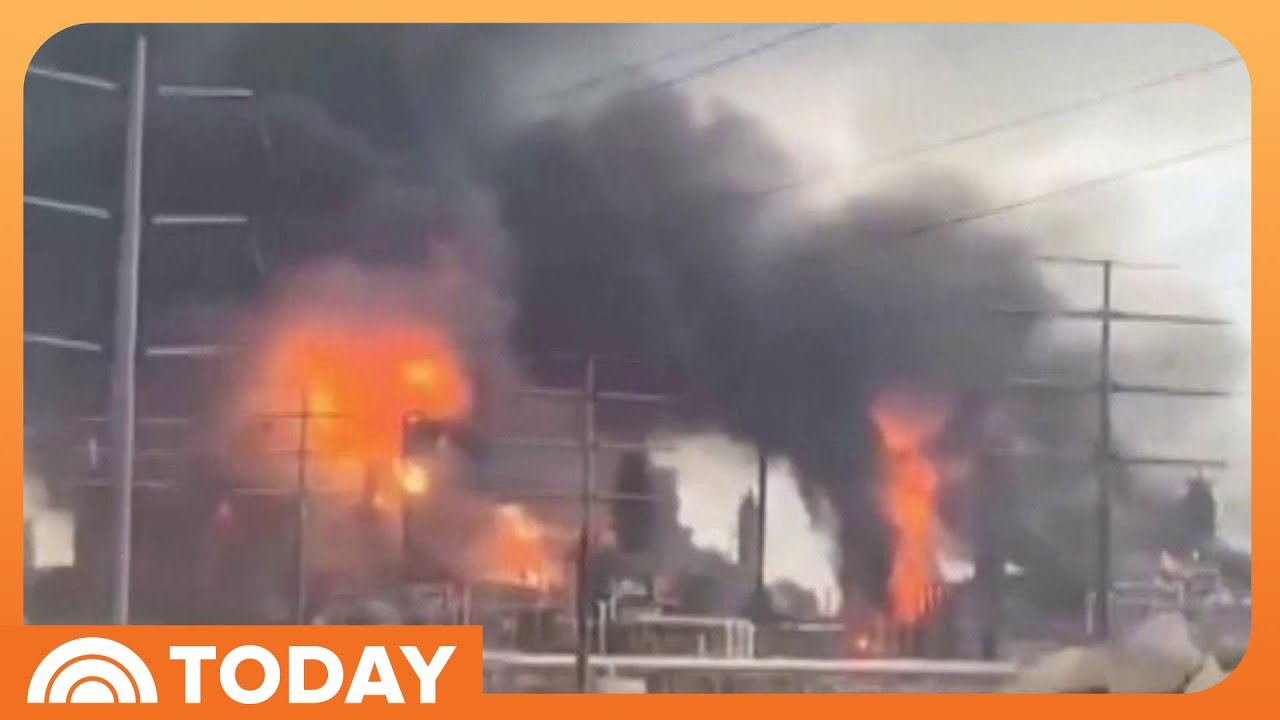
At the same time, Hezbollah launched unmanned aerial vehicles toward Israeli communities along the northern border. Reports cited by Israel National News indicate that most of the drones and missiles were intercepted by Israeli defense systems. Nevertheless, emergency responders were dispatched to several locations where interception debris and projectile fragments landed.
Israeli police confirmed that bomb disposal units were deployed to investigate multiple impact sites.
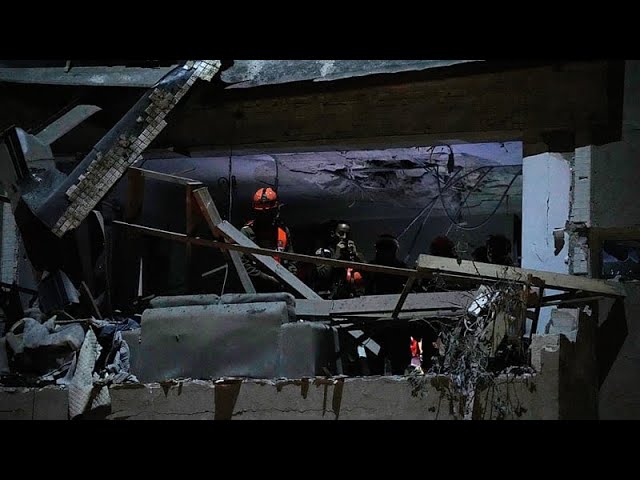
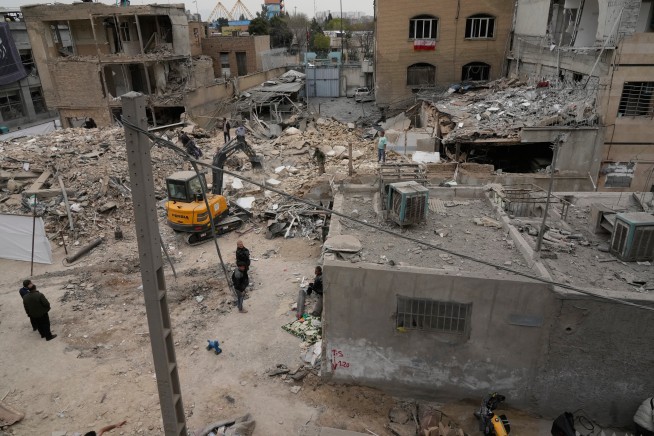
One of the most dramatic incidents occurred in the Emek Hefer Regional Council, where a rocket fired from Lebanon struck the yard of a residential home. Galit Shaul, the head of the regional council, described the scene following the impact. “The rocket caused extensive damage to one house and secondary damage to several others,” Shaul said, according to statements reported by Israel National News. Miraculously, no residents were physically injured in the strike.
Shaul credited the country’s extensive civil defense infrastructure and the discipline of residents in following safety protocols. “There were no physical injuries because residents were inside protected spaces,” she said. Two people suffering from shock were treated at the scene by emergency personnel.
Photographs from the area showed shattered windows, damaged rooftops, and debris scattered across nearby properties.
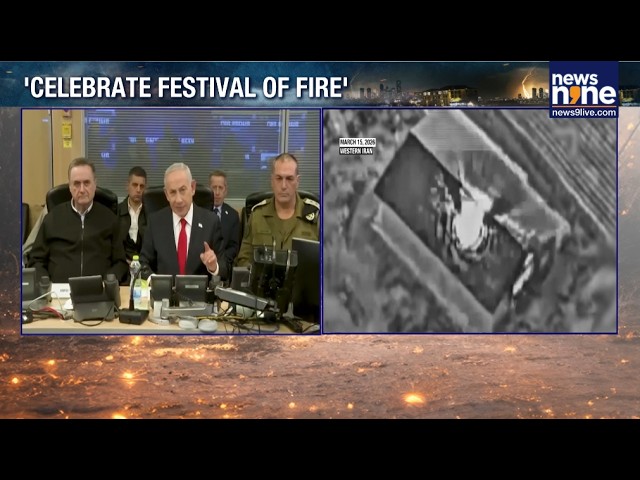
Even as defensive systems intercepted incoming threats, the Israel Defense Forces launched a sweeping retaliatory campaign targeting Hezbollah infrastructure inside Lebanon. According to a statement from the IDF Spokesperson’s Unit, Israeli forces carried out a wide-scale wave of strikes early Thursday morning aimed at neutralizing launch sites and command facilities.
Military officials said dozens of missile launchers that were prepared for immediate use were identified and destroyed. In addition, Israeli forces reportedly eliminated multiple Hezbollah operatives who were preparing to launch additional attacks.
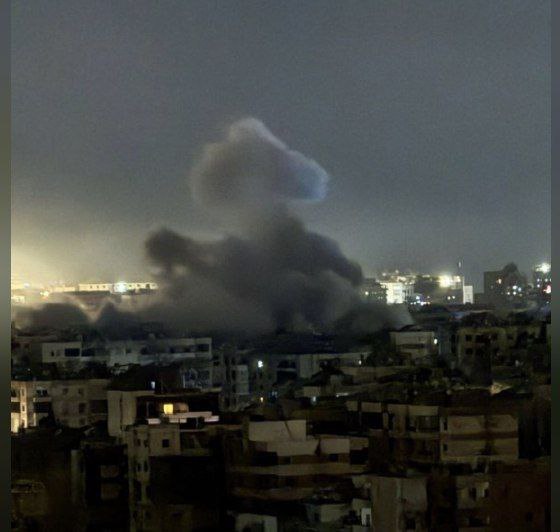
As reported by Israel National News, the Israeli Air Force also struck ten major terrorist structures in the Dahieh suburb of Beirut within a thirty-minute window. These targets included intelligence headquarters, command centers belonging to Hezbollah’s elite Radwan unit, and other strategic infrastructure. Ground forces provided targeting information to Israeli aircraft, enabling strikes against more than twenty additional sites linked to Hezbollah operations.
“The IDF is operating with determination against the Hezbollah terrorist organization as a result of the terrorist organization’s decision to deliberately attack Israel on behalf of the Iranian regime,” the military said in its statement.
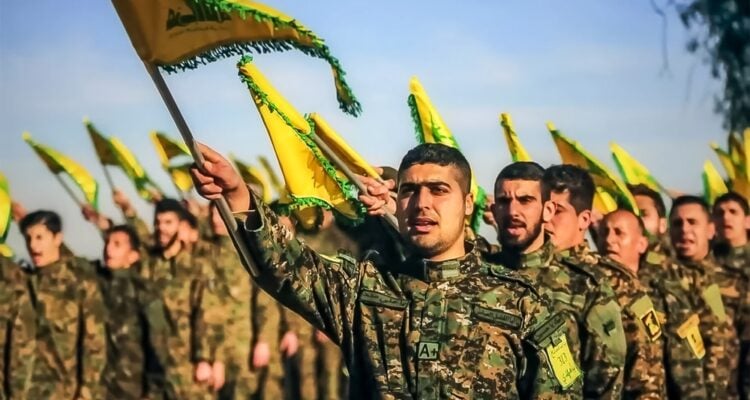
The significance of the attacks increased further when Iran’s Islamic Revolutionary Guard Corps publicly acknowledged coordination with Hezbollah. According to reports carried by Iranian state-linked media outlets, the IRGC described the barrage as a “joint and integrated operation.” This marks the first time during the current conflict that Iranian authorities have openly confirmed direct operational cooperation with Hezbollah in launching attacks against Israel.
Statements quoted in reporting by Israel National News indicated that Iran fired several ballistic missiles while Hezbollah simultaneously launched drones and rockets against more than fifty targets inside Israel. The overnight barrage included approximately 100 rockets fired from Lebanon alongside multiple Iranian ballistic missiles aimed at northern, central, and southern regions.
The declaration of joint coordination has heightened fears that the conflict could escalate into a broader regional war involving multiple Iranian-backed terrorist groups.
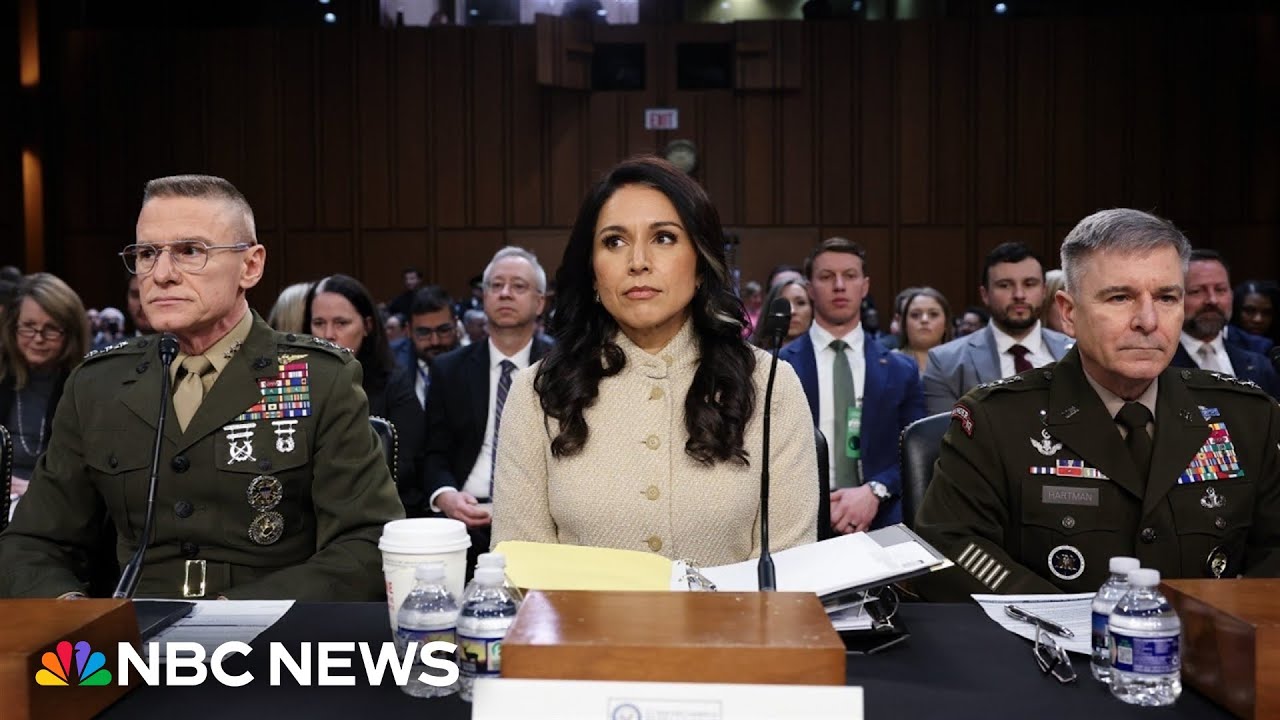
Even as the conflict intensifies, intelligence officials in the United States are reportedly concluding that Iran’s political leadership remains firmly in control. According to sources cited by international media outlets, recent intelligence assessments indicate that the Iranian regime is not currently at risk of collapse despite nearly two weeks of sustained airstrikes by U.S. and Israeli forces.
Multiple intelligence reports reportedly provide consistent analysis that Iran’s governing apparatus remains intact and that the leadership continues to exercise authority over the population. These findings come despite the dramatic elimination of Iran’s Supreme Leader, Ayatollah Ali Khamenei, during the opening hours of the military campaign on February 28.
Analysts say the survival of Iran’s clerical leadership could complicate efforts to bring the conflict to a swift conclusion.
The growing regional crisis has also triggered urgent discussions at the international level. On Wednesday, the United Nations Security Council passed a resolution demanding that Iran halt attacks against Gulf states. The measure specifically called for an immediate cessation of Iranian strikes targeting Bahrain, Kuwait, Oman, Qatar, Saudi Arabia, the United Arab Emirates, and Jordan.
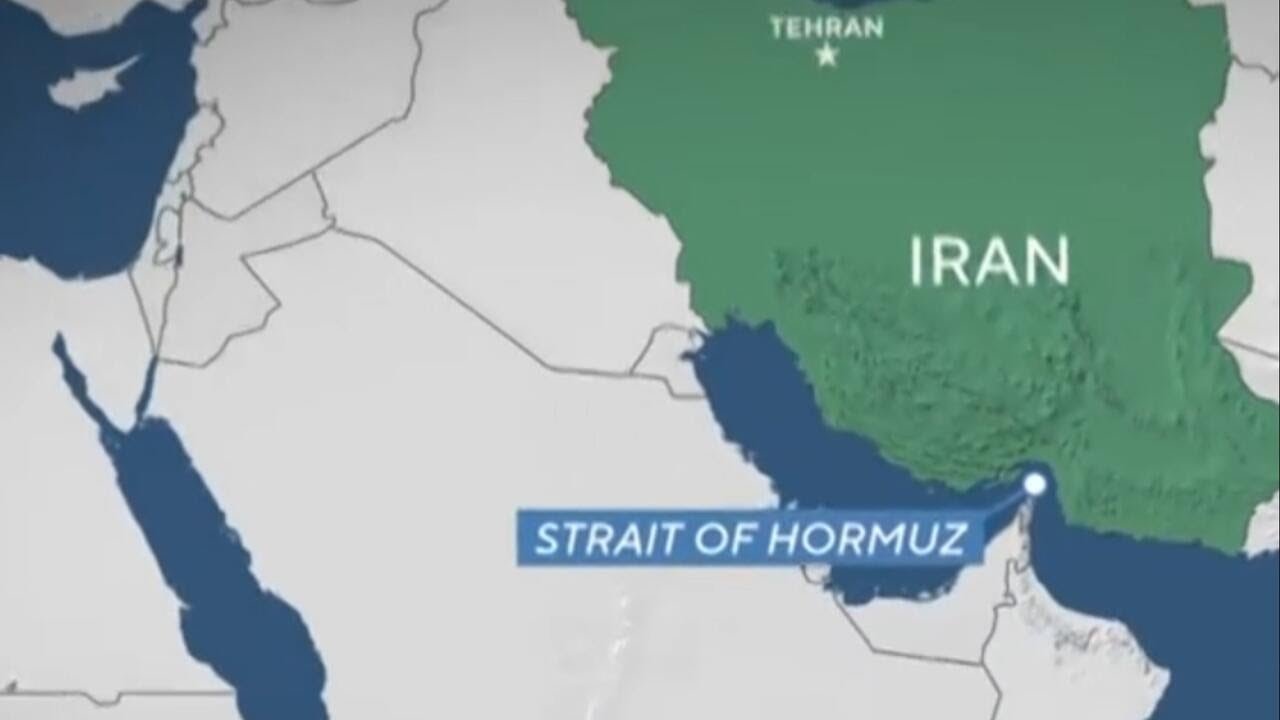
It also condemned Iranian threats to disrupt international navigation through the Strait of Hormuz, one of the world’s most critical shipping lanes for oil and natural gas. The resolution passed with thirteen votes in favor, while China and Russia abstained. Both countries objected to the fact that the resolution did not address American and Israeli military actions against Iran.
Iran’s ambassador to the United Nations condemned the measure as a misuse of the Security Council. “This resolution is a manifest injustice against my country,” he said.
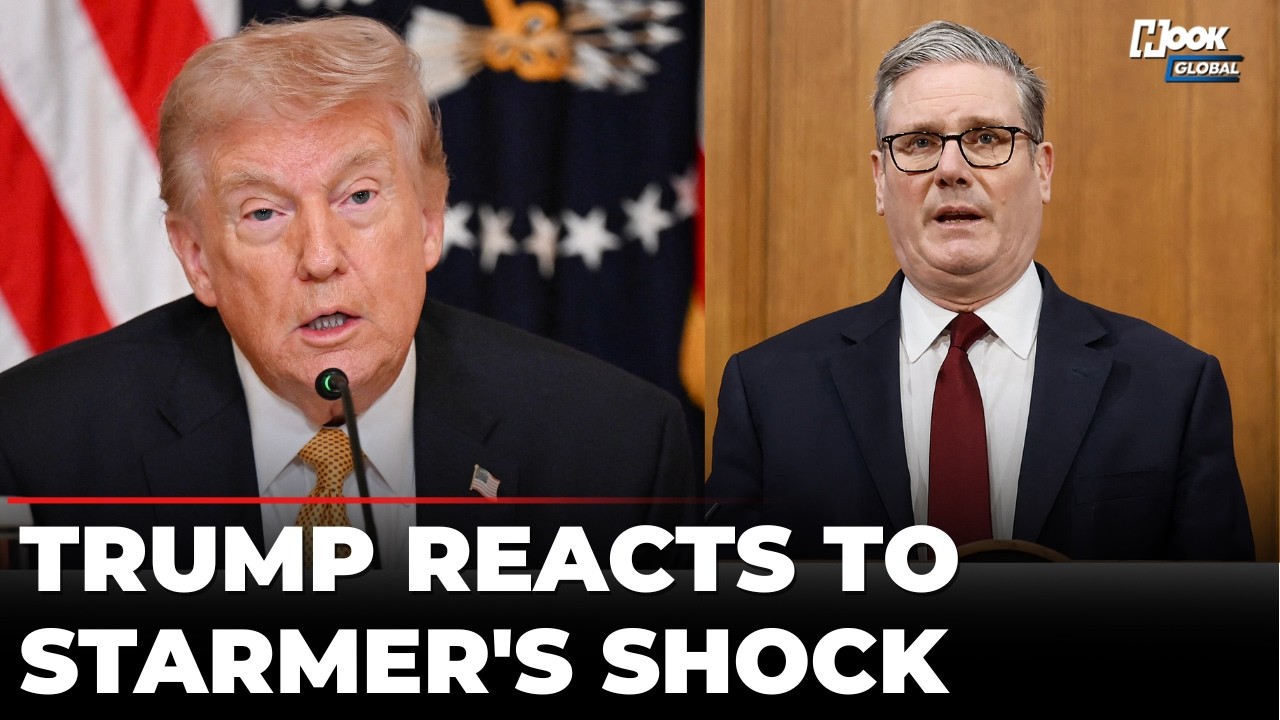
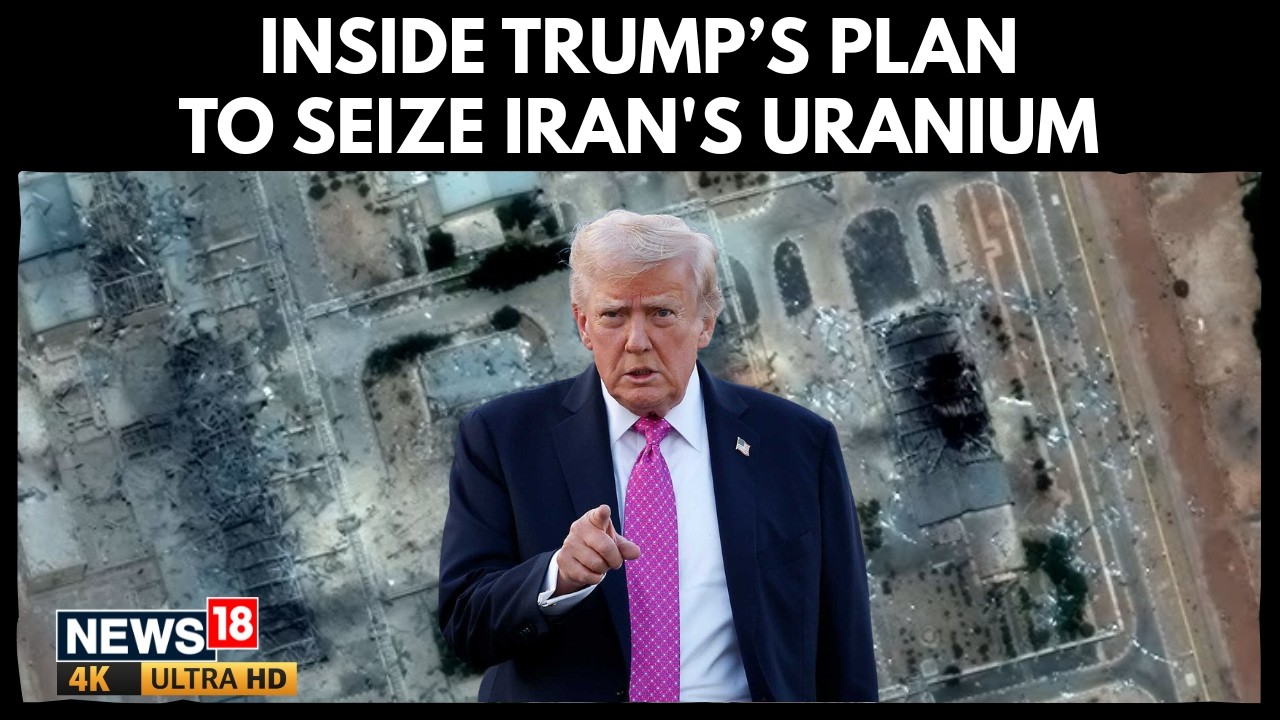
Meanwhile, President Donald Trump struck a triumphant tone when addressing reporters and supporters about the progress of the campaign. Speaking after returning from a political rally in Kentucky, Trump said Iran had been devastated by the ongoing strikes.
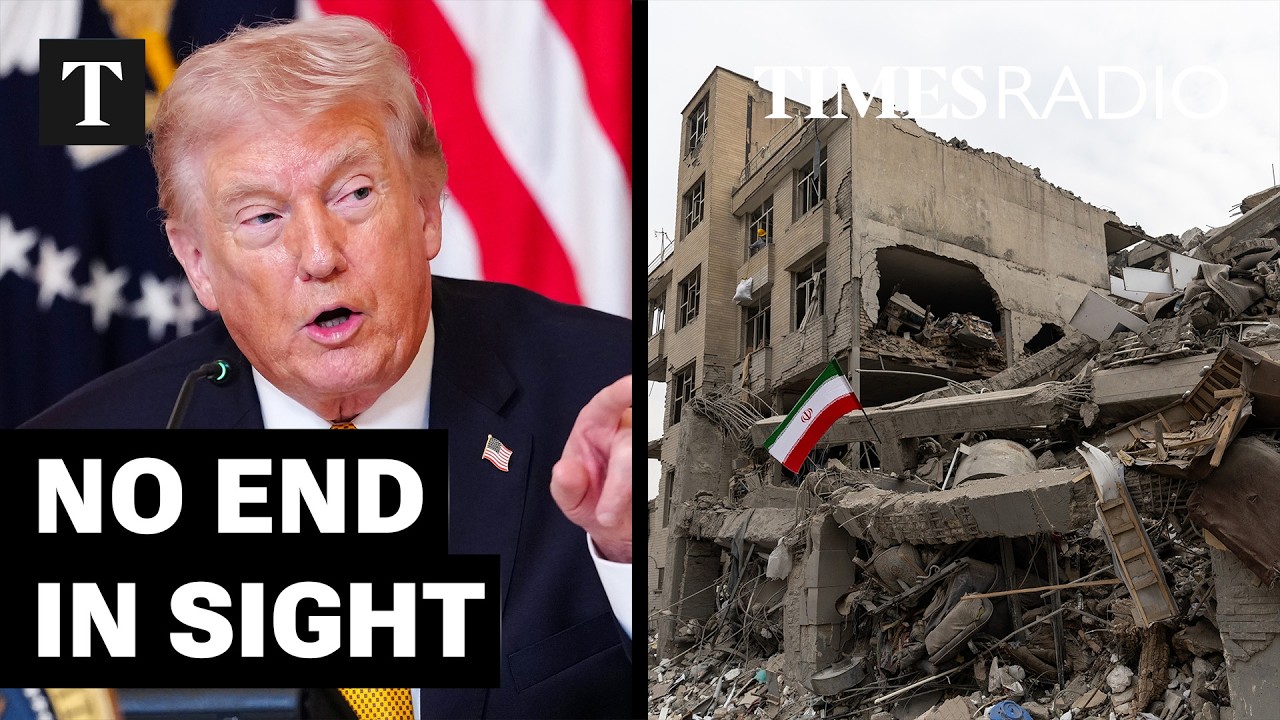
“They’ve got no Navy. They’ve got no Air Force. They have no systems of control,” he said. “We’re just riding free range over that country.”
Trump also asserted that American and Israeli forces had achieved a decisive advantage early in the war. “You never like to say it too early,” he said during the rally. “But we won the bet in the first hour. It was over.” At the same time, the president cautioned that the United States was not prepared to end the operation prematurely. “We don’t want to leave early,” Trump said. “We’ve got to finish the job.”
The events of Thursday morning illustrate the precarious balance currently shaping the Middle East. Iran and Hezbollah appear determined to maintain pressure on Israel through sustained missile and drone attacks. Israel, in turn, continues to demonstrate its willingness to strike deep inside Lebanon and Iranian territory to neutralize emerging threats.
As the war enters its second week, the possibility of further escalation remains high. The conflict now spans multiple countries, threatens vital global energy routes, and risks drawing additional actors into the confrontation. For Israeli civilians, however, the immediate reality remains defined by the piercing wail of sirens and the scramble to reach shelters in the middle of the night.
And as long as missiles continue to fly across the region’s skies, the fragile hope for calm remains overshadowed by the ever-present possibility of a wider war.

1 Comment
Neal
April 9, 2026Israel and Trump are holding back. Can’t win a war that way. Must turn Lebanon and Iran into an another Dresden if needed. That is the only way to win. Anything else is a total waste of time in the long run. Reciting Psalms won’t help either. It is never a substitute for the right military policy – and the Chief Rabbis and others like them should know that.