






|
Getting your Trinity Audio player ready...
|
By: Jason Ostedder
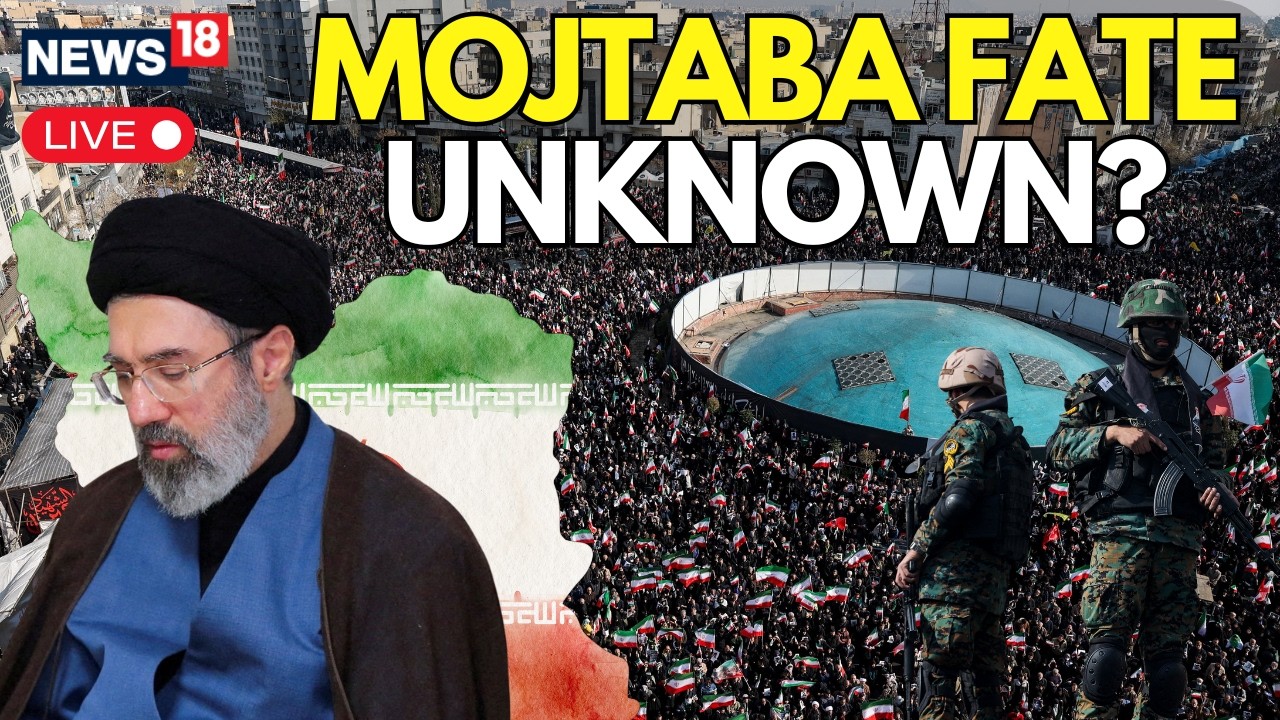
In the midst of a widening regional war that has already altered the strategic landscape of the Middle East, startling revelations have emerged about the physical condition and operational capacity of Iran’s newly appointed Supreme Leader. According to multiple officials cited by The New York Times, Ayatollah Mojtaba Khamenei—recently elevated to Iran’s highest political and religious office—was wounded during the opening hours of the ongoing conflict that erupted following joint American and Israeli strikes on February 28.
The report, based on accounts from three Iranian officials who spoke anonymously due to the extreme sensitivity of the information, suggests that Mojtaba Khamenei sustained injuries to his legs during the first day of the military campaign that has come to be known as Operation Roaring Lion/Epic Fury. While the injuries were reportedly not fatal, the circumstances surrounding the incident underscore the extraordinary instability that now surrounds the leadership of the Islamic Republic.
According to the sources cited by The New York Times, the 56-year-old cleric remained conscious following the attack and was subsequently relocated to a secure location whose whereabouts remain tightly guarded. Communication with the hideout is said to be extremely restricted, raising questions about how effectively Iran’s new supreme leader can exercise authority over a government and military apparatus already under immense pressure.
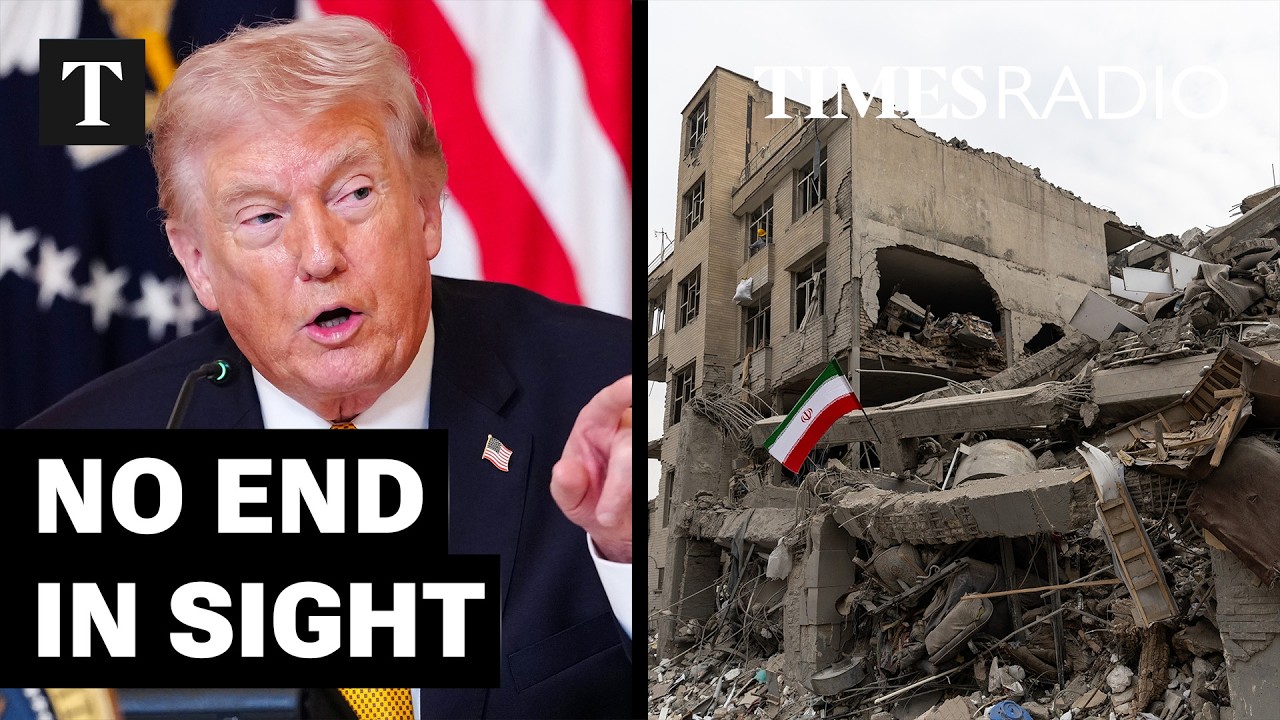
The wounding of Mojtaba Khamenei comes at a moment of profound upheaval in Iran’s leadership. Earlier this week, the country’s Assembly of Experts formally confirmed him as the successor to his father, the late Ayatollah Ali Khamenei, who was killed during the opening strikes of the joint American-Israeli campaign against Iran’s military infrastructure.
The death of the elder Khamenei—who had ruled Iran as supreme leader for decades—sent shockwaves through the region and triggered an urgent succession process within Iran’s clerical establishment.
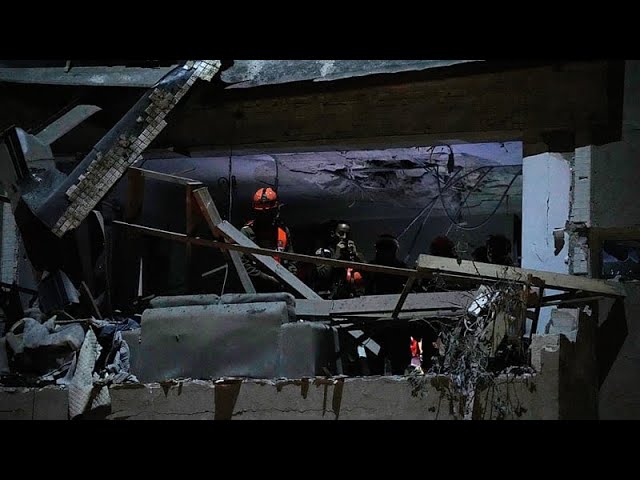
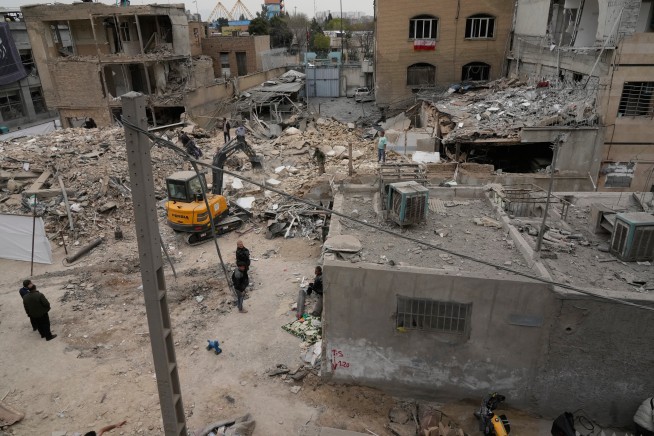
According to reporting cited by The New York Times, the airstrikes that killed Ali Khamenei struck a compound in Tehran believed to house senior regime officials. The attack reportedly claimed multiple members of the Khamenei family, including the former leader’s wife, Mojtaba’s own spouse, and their son.
The scale of the personal losses suffered by the new supreme leader illustrates the extraordinary violence that has characterized the opening phase of the war.
Even before his official appointment, Mojtaba Khamenei was already living under intense security precautions.
The reports cited by The New York Times indicate that after sustaining his injuries he was moved to a highly secure undisclosed location where communication channels remain limited.
Such conditions are far from ideal for someone tasked with leading a country of more than 80 million people during a period of war. Officials familiar with the situation suggested that the restricted communications environment has complicated the process of issuing directives to Iran’s political and military institutions.
In Iran’s unique political system, the supreme leader occupies a position of near-absolute authority over the armed forces, the intelligence services, and the judiciary. Any disruption in that chain of command could have significant implications for how effectively the government responds to ongoing military operations.
The situation has fueled speculation among analysts about the degree to which other power centers—particularly the Islamic Revolutionary Guard Corps (IRGC)—may be exercising increased influence during this uncertain period.
The initial injury was not the only close call for Iran’s new leader.
According to information cited by The New York Times, Mojtaba Khamenei was reportedly the target of another assassination attempt last Friday, shortly before the Assembly of Experts officially confirmed him as supreme leader. That strike reportedly targeted a massive underground complex located beneath the offices of the supreme leader in Tehran.
However, the new leader was not present at the facility at the time, allowing him to escape the attack unharmed. The incident highlights the extraordinary risks facing Iran’s leadership during the ongoing conflict. Intelligence analysts suggest that such strikes are intended not merely to eliminate individual figures but also to destabilize the regime’s command structure.
The precariousness of Mojtaba Khamenei’s position has not gone unnoticed in Washington.
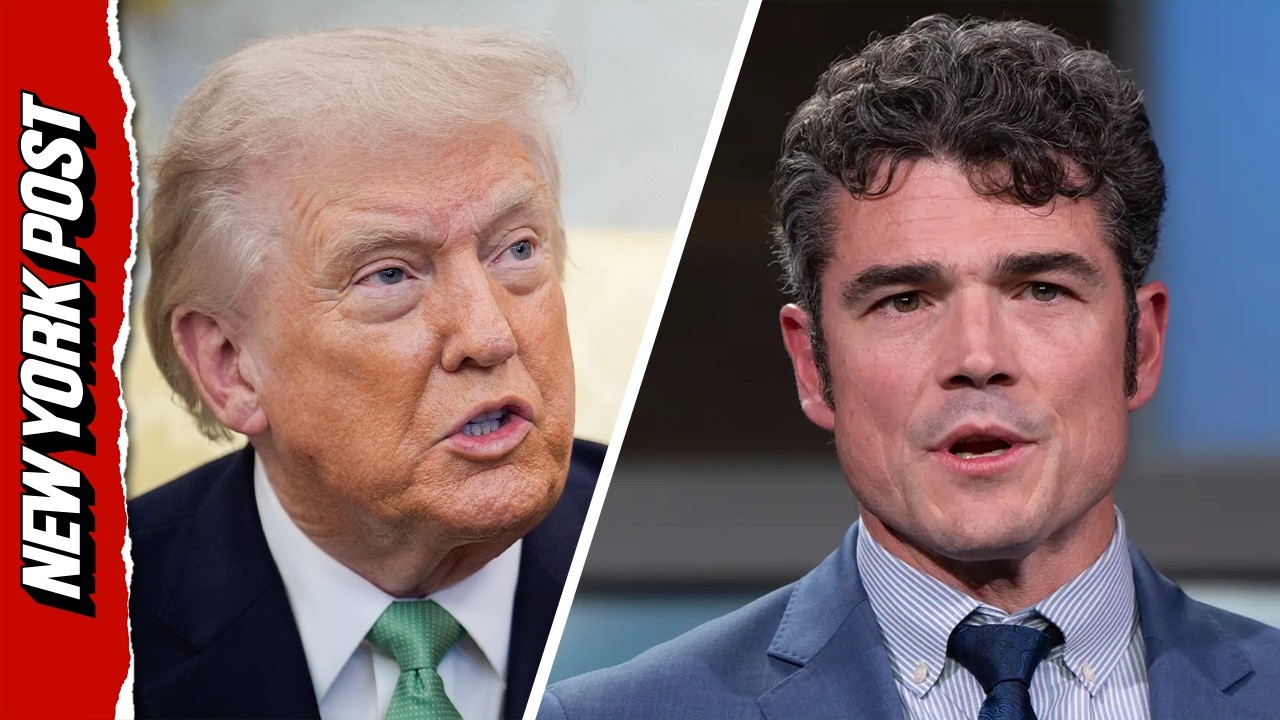
During an interview with ABC News, President Trump made remarks that many observers interpreted as an implicit warning directed at the new Iranian leader.
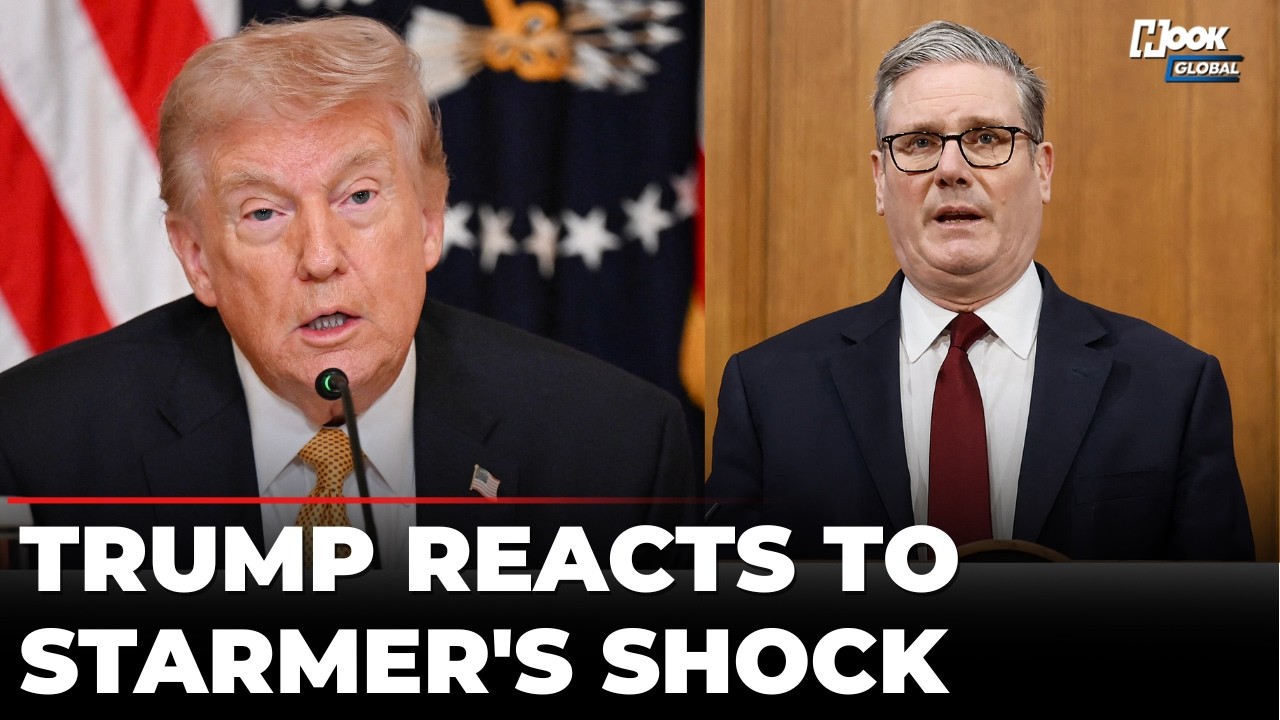
“The new supreme leader is not going to last long,” Trump said in comments referenced by The New York Times. “He’s going to have to get approval from us,” the president added.
Trump further suggested that without such approval the new leader’s tenure could be brief, emphasizing that his administration intends to prevent Iran from rebuilding military capabilities that could threaten the United States or its allies.
The remarks reflected the unusually direct rhetoric that has characterized Washington’s messaging throughout the conflict.
Even as Iran grapples with leadership uncertainty, the conflict has widened across the region.
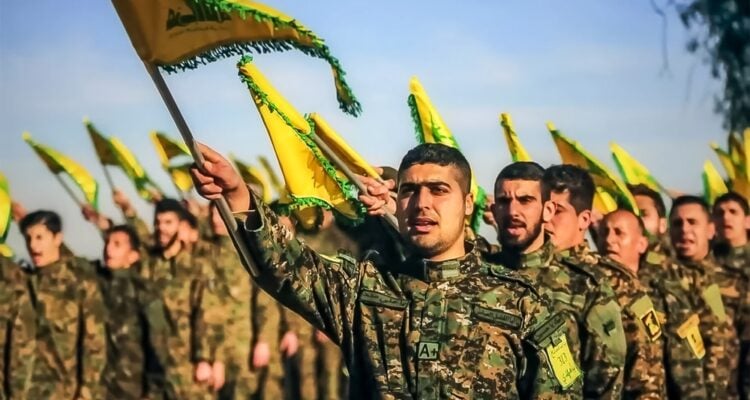
In Lebanon, the Iranian-backed terrorist organization Hezbollah has intensified its military activity against Israel.
The Israel Defense Forces confirmed this week that it had successfully eliminated Hassan Salameh, the commander of Hezbollah’s Nasser Unit, in a targeted overnight airstrike in southern Lebanon.
According to Israeli military statements cited by The Jewish News Syndicate (JNS) Salameh was killed in the Jwaya area of the Tyre District during an operation carried out by the Israeli Air Force. Salameh had only recently assumed command of the Nasser Unit after the previous commander, Abu Talib, was killed in a separate airstrike last year.
The Israeli military described Salameh as a senior operative responsible for orchestrating numerous attacks against Israeli civilians and military targets.
The Nasser Unit is one of Hezbollah’s principal operational formations along Israel’s northern border. Security analysts note that since the outbreak of hostilities on October 7, 2023, the unit has been heavily involved in rocket attacks and cross-border strikes against Israeli territory.
Research conducted by the Alma Center, a security institute specializing in threats along Israel’s northern frontier, indicates that a significant proportion of Hezbollah’s casualties since the start of the war have come from units associated with the Nasser formation.
Following the death of Ali Khamenei, Hezbollah escalated its involvement in the conflict.
On March 2, the organization launched a barrage of rockets and unmanned aerial vehicles toward Israeli targets, describing the attacks as retaliation for Israel’s role in the killing of Iran’s supreme leader.
Israel’s response has been swift and forceful.
In addition to airstrikes targeting Hezbollah infrastructure, Israeli forces have advanced ground troops into several areas of southern Lebanon in an effort to halt the cross-border fire. These operations were launched after Hezbollah’s attacks were viewed as a violation of a U.S.-brokered ceasefire agreement that had been signed in November 2024.
The Israeli military has emphasized that its campaign aims to neutralize threats to Israeli civilians and restore security along the northern border.
“The IDF is operating with determination against the Hezbollah terrorist organization,” the military said in a statement cited by JNS. “The IDF will not tolerate any harm to the residents of the State of Israel.”
The simultaneous developments in Iran and Lebanon illustrate how rapidly the conflict has expanded beyond its initial phase. What began as a campaign targeting Iran’s nuclear and missile infrastructure has evolved into a multi-front confrontation involving state and non-state actors across the region.
For Iran, the war now presents not only a military challenge but also a political one.
The emergence of a wounded and largely unseen supreme leader raises profound questions about the stability of the regime during one of the most dangerous periods in its history.
For Israel and the United States, the conflict represents an attempt to fundamentally alter the strategic balance of power in the Middle East by degrading Iran’s military capabilities and weakening its network of allied militias.
As analysts attempt to assess the long-term implications of the war, one fact remains clear: the conflict has already transformed the political landscape of the region.
The death of a long-time Iranian leader, the emergence of a wounded successor, and the widening involvement of Hezbollah have created a volatile environment in which further escalation remains possible.
For now, Mojtaba Khamenei governs from a hidden location, presiding over a country at war while recovering from injuries sustained in the conflict’s opening hours. Whether he will be able to consolidate power—or even survive the turbulence that now surrounds Iran’s leadership—remains one of the most consequential unanswered questions of this rapidly unfolding war.