




|
Getting your Trinity Audio player ready...
|
By: Jeff Gorman
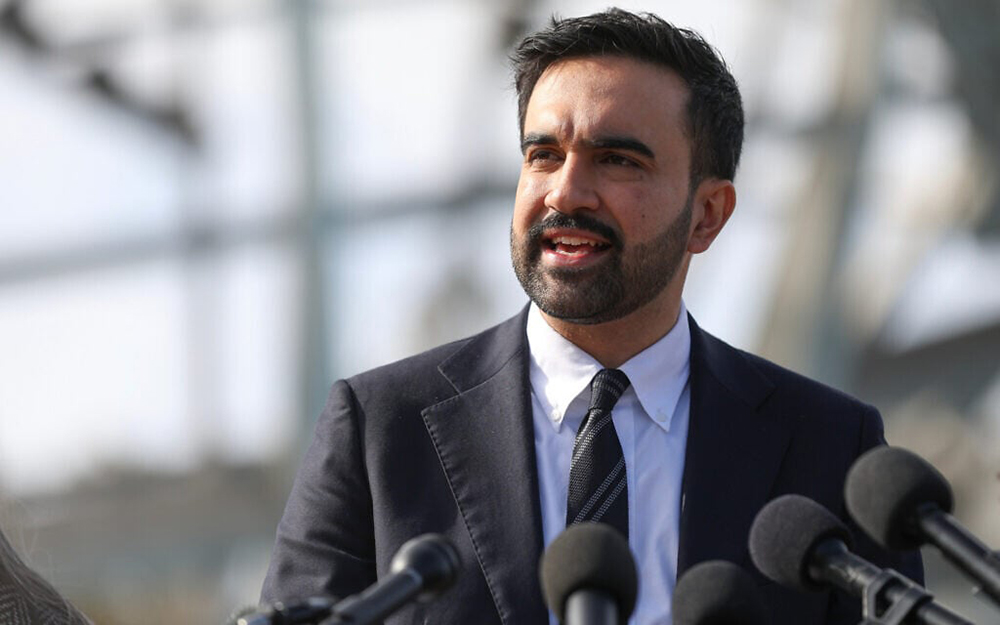
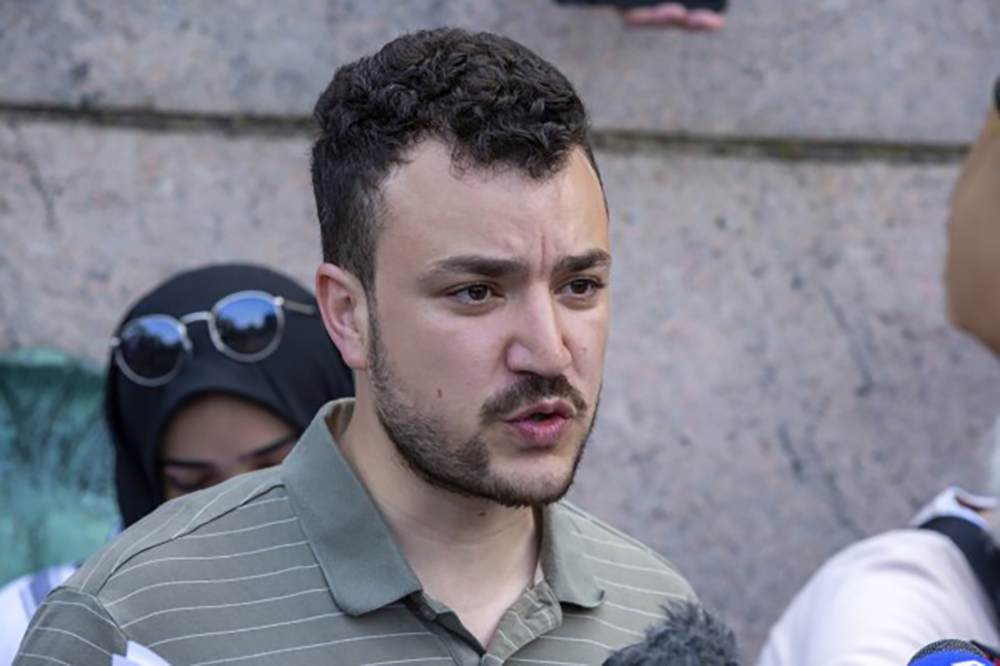
Nearly a year after federal immigration authorities detained Columbia University graduate Mahmoud Khalil at his Morningside Heights residence, the high-profile deportation battle that followed has entered a decisive phase. What began as a campus protest controversy has evolved into a far-reaching test of executive authority, immigration law, and the limits of political activism by non-citizens. As The New York Daily News reported on Tuesday, Khalil’s avenues for remaining in the United States are narrowing, even as his legal team presses forward with increasingly ambitious constitutional arguments.
At the center of the case is a fundamental question: Does lawful permanent residency confer immunity from removal when an individual’s conduct, in the government’s view, conflicts with American foreign policy and national security interests? The Trump administration has answered that question emphatically in the negative. Khalil’s attorneys, by contrast, contend that he has been targeted for engaging in protected political speech.
The dispute, now unfolding before the Board of Immigration Appeals and in parallel federal proceedings, has become emblematic of President Trump’s renewed emphasis on immigration enforcement and his pledge to confront what he has described as radical activism on American campuses.
According to The New York Daily News report, Khalil was arrested on March 8, 2025, at his Columbia-owned apartment and transported more than 1,000 miles to Louisiana, where immigration proceedings were initiated. His lawyers have characterized the arrest as abrupt and retaliatory. The administration, however, has maintained that the action was grounded in statutory authority and legitimate concerns about the implications of his activism.
Khalil, 31, had arrived in the United States in December 2022 on a scholarship to pursue a master’s degree in public administration. A Palestinian raised in a refugee camp in Syria following his family’s displacement, he quickly became a prominent voice in campus demonstrations opposing Israel’s military campaign in Gaza and criticizing Columbia’s financial ties to Israeli institutions. Those protests, which roiled universities nationwide, often drew accusations from critics that they blurred the line between political dissent and inflammatory rhetoric targeting the Jewish state.
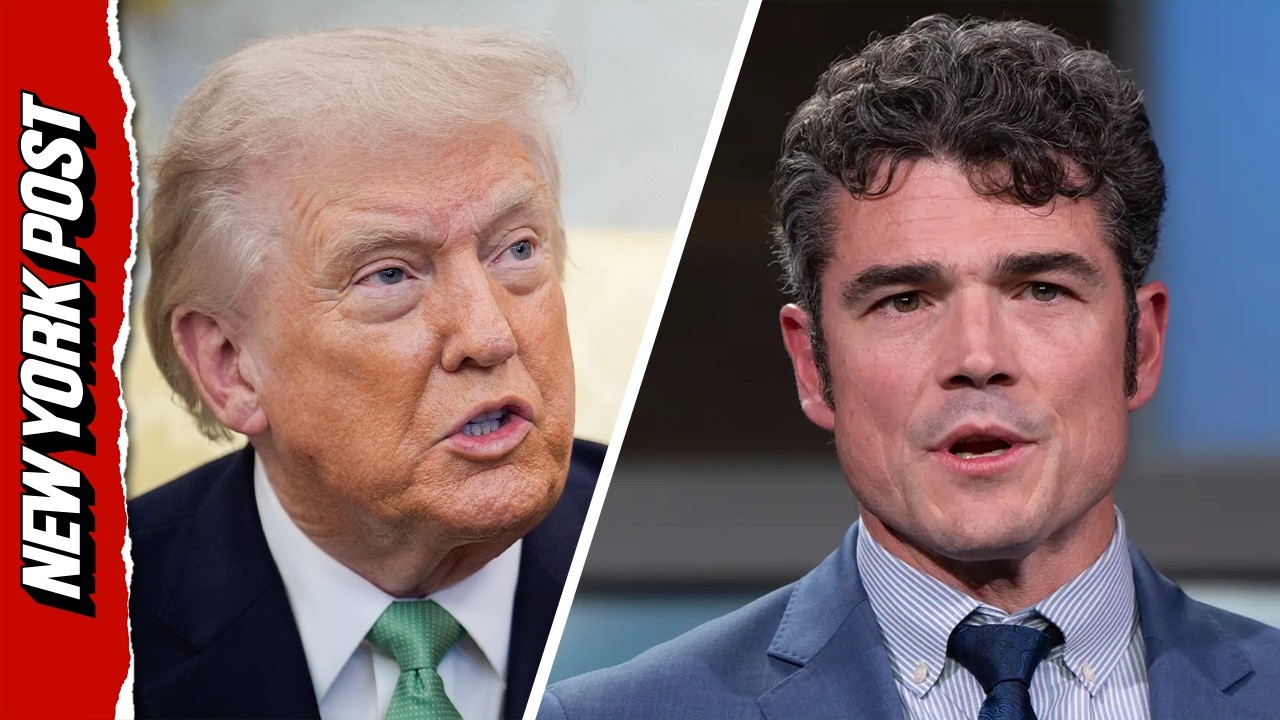
President Trump publicly identified Khalil as the first in what he signaled would be a broader crackdown on non-citizens whose conduct, in his administration’s view, undermines American interests abroad. As The New York Daily News reported, Trump labeled the Columbia student a “terrorist sympathizer” and vowed swift action. Khalil has denied any support for violence and insists his advocacy was peaceful and constitutionally protected.
Initially, federal officials relied on a rarely invoked provision of immigration law allowing the Secretary of State to order deportation if a non-citizen’s presence or activities threaten to compromise U.S. foreign policy interests. The administration argued that Khalil’s activism—particularly given America’s longstanding support for Israel—fell within that ambit. When that theory encountered resistance in court, the government advanced a secondary allegation: that Khalil had misrepresented aspects of his employment history on his green card application, including references to humanitaria.