




|
Getting your Trinity Audio player ready...
|
By: Ella Bogen
A fresh political tempest erupted this week after veteran New York radio personality Sid Rosenberg launched a series of blistering social media attacks against New York City Mayor Zohran Mamdani, igniting fierce debate over rhetoric, antisemitism, Islamophobia and the increasingly combustible intersection of politics and digital platforms.
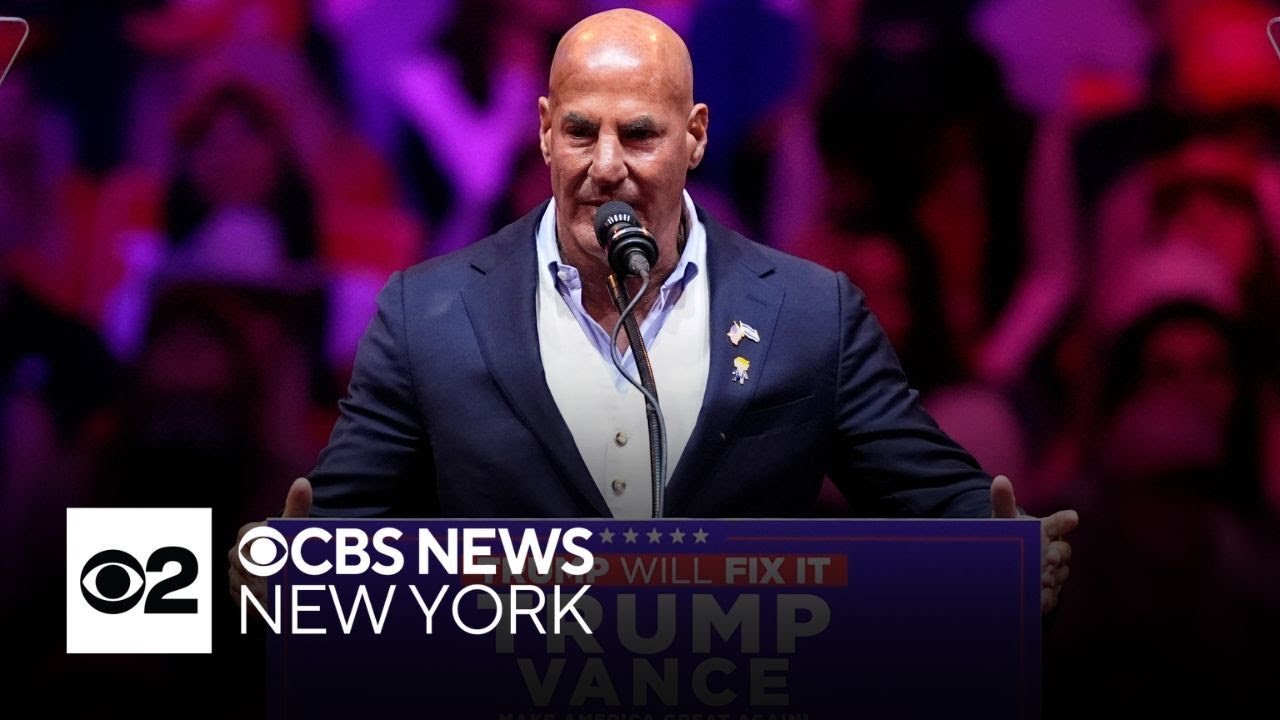
As reported on Tuesday by VIN News, Rosenberg—long known for his close ties to President Donald Trump and his outspoken pro-Israel advocacy—took to X late Monday night with language that immediately drew national attention. In a post that rapidly circulated across political circles, Rosenberg referred to Mamdani as a “Radical Islam cockroach” and a “Jihadist America hating mayor,” urging President Trump to intervene and “put this little antisemite in his place.”
According to the information provided in the VIN News report, Rosenberg accused Mamdani of being a “terrorist sympathizer,” citing the mayor’s past criticisms of U.S. immigration enforcement policies and American military operations in the Middle East. The remarks marked one of the most incendiary episodes yet in what has become a sustained public clash between Rosenberg and progressive Democratic officials in New York.
The following morning, Rosenberg doubled down. VIN News reported that he posted again on Tuesday, dismissing criticism from Democratic figures and describing the backlash as a “Democrat Circular Firing Squad.” In the tweet, he named Governor Kathy Hochul, former Mayor Bill de Blasio and Manhattan Borough President Mark Levine among those he said were attacking him. “I told the truth about @NYCMayor,” Rosenberg wrote, according to the report at VIN News. “They attack my choice of words but can’t argue the true content!”
The episode underscores the deepening fissures in New York’s political climate, where discourse has grown increasingly confrontational amid national polarization and heightened sensitivities following the October 7 Hamas attacks in Israel. Rosenberg has been one of the most vociferous pro-Israel voices in public radio since that day, consistently condemning antisemitism and what he views as insufficient moral clarity among progressive leaders. His supporters argue that his comments, however harsh in phrasing, stem from a deeply held conviction that certain political positions toward Israel and U.S. foreign policy cross a moral line.
Indeed, the VIN News report highlighted that some political figures rallied to Rosenberg’s defense. Former mayoral candidate Jim Walden acknowledged that Rosenberg’s wording was “poor,” but contended that Mamdani had “never denied his sympathies for terrorists,” and that the media had failed to adequately confront him. Walden further insisted that aside from the inflammatory language, Rosenberg’s broader assertions were “spot on.” That endorsement amplified the debate, shifting attention from the tone of Rosenberg’s remarks to the substance of the accusations.
Yet the backlash was swift and formidable. Local Democratic leaders and civil rights advocates condemned Rosenberg’s language as inflammatory, dehumanizing and Islamophobic. According to VIN News, some listeners of WABC, the station where Rosenberg hosts his radio program, took to social media demanding his termination. Advocacy groups argued that describing an elected official as a “cockroach” evokes historically dangerous tropes of dehumanization that have preceded violence in other contexts. The term “jihadist,” critics maintained, falsely conflates a Muslim identity with extremism and contributes to stigmatization.
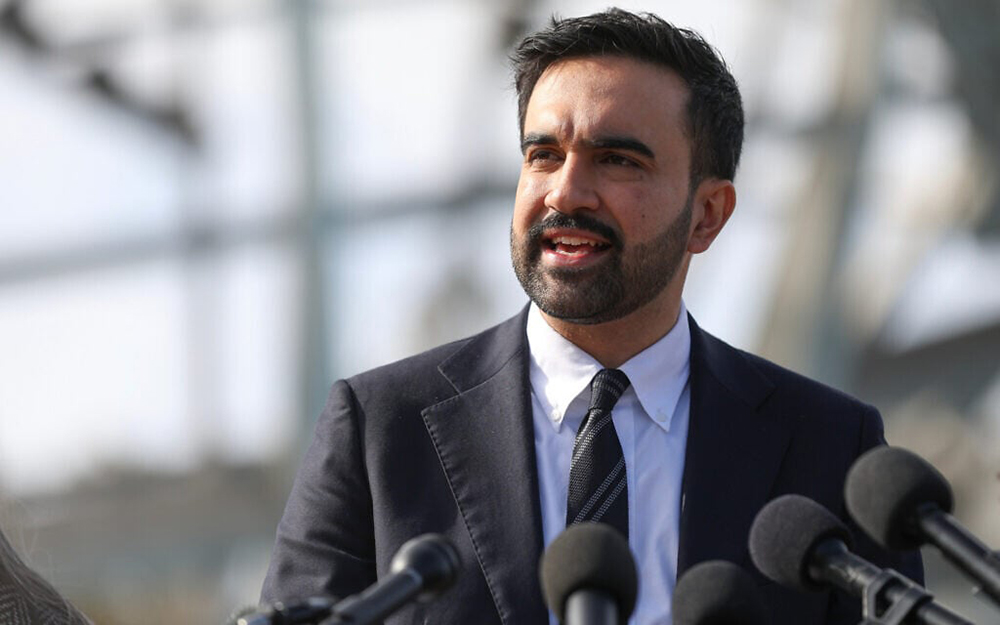
Mayor Mamdani, New York City’s first Muslim mayor, addressed the controversy at a press briefing. As reported by VIN News, he described the language as “painfully familiar” and “difficult to hear.” Without directly engaging Rosenberg’s policy criticisms, Mamdani emphasized resilience and identity. “I am not ashamed of who I am and I am not ashamed of my faith,” he said. The statement was framed by supporters as a dignified refusal to be drawn into a rhetorical spiral.
The confrontation illustrates how debates over Middle East policy reverberate intensely in New York, home to one of the world’s largest Jewish populations and a substantial Muslim community. Since October 7, tensions have frequently surfaced in protests, city council debates and campus demonstrations. Rosenberg has positioned himself as a bulwark against what he describes as rising antisemitism. His defenders argue that strong language reflects the gravity with which he views threats to Jewish communities. Opponents counter that combating hate cannot be achieved through language that itself marginalizes another religious group.
VIN News contextualized Rosenberg’s history as a prominent media personality with deep political relationships, including his friendship with President Trump. That proximity adds a national dimension to what might otherwise have remained a local media controversy. Rosenberg’s call for Trump to intervene escalated the matter beyond rhetorical sparring into the realm of federal politics, suggesting that disputes over New York’s leadership intersect with broader ideological battles.
At the core of the controversy lies a question that has become emblematic of the digital age: where is the boundary between protected political speech and harmful rhetoric? The First Amendment provides expansive protection for even deeply offensive expression. Yet the norms governing civic discourse remain contested. When public figures employ language that critics deem dehumanizing, the consequences can extend beyond personal reputations to the tenor of public life itself.
The political implications are equally complex. For Mamdani, the episode may galvanize supporters who perceive the attacks as emblematic of prejudice against Muslim leaders. For Rosenberg, the backlash may reinforce his standing among listeners who prize his confrontational style and unwavering support for Israel. As the VIN News report observed, reactions to the posts have largely aligned with preexisting ideological affiliations, underscoring how entrenched political identities shape interpretation.
WABC has not, as of this writing, announced disciplinary action. The station faces a familiar calculus: balancing commitment to free expression and audience engagement against reputational risk and advertiser sensitivities. Media organizations increasingly navigate these dilemmas in an environment where social media statements can overshadow on-air programming.
Beyond the immediate actors, the episode reflects a broader phenomenon in contemporary politics. Social media platforms amplify provocative language, compressing the distance between personal expression and public consequence. Statements that once might have remained confined to a radio segment now circulate globally within minutes. The architecture of digital communication rewards intensity and immediacy, often at the expense of nuance.
The VIN News report emphasized that critics of Rosenberg view the incident as emblematic of escalating polarization. They warn that rhetoric portraying political opponents as existential threats erodes democratic norms. Conversely, Rosenberg’s supporters argue that candor is necessary in confronting what they consider moral failings in public policy.
In this volatile atmosphere, the debate over Rosenberg’s posts transcends individual personalities. It speaks to enduring tensions in American pluralism: the coexistence of fervent support for Israel, legitimate criticism of foreign policy, and the imperative to safeguard minority communities from prejudice. New York, as a microcosm of global diversity, often becomes the stage upon which these tensions play out.
The controversy is unlikely to fade quickly. Rosenberg’s follow-up tweet suggests no retreat from his position, while Mamdani’s measured response signals an intention to avoid escalation. Whether the episode results in sustained political fallout or dissipates amid the churn of news cycles remains uncertain.
What is clear is that the clash has reignited urgent conversations about the boundaries of speech, the responsibilities of public figures, and the fragile equilibrium of intercommunal relations in a city defined by its diversity. In an era when rhetoric can travel faster than reflection, the words of influential voices carry weighty consequences.