











|
Getting your Trinity Audio player ready...
|
Somaliland Signals Willingness to Extradite Ilhan Omar Amid Vance’s Immigration Fraud Claims
By: Carl Schwartzbaum
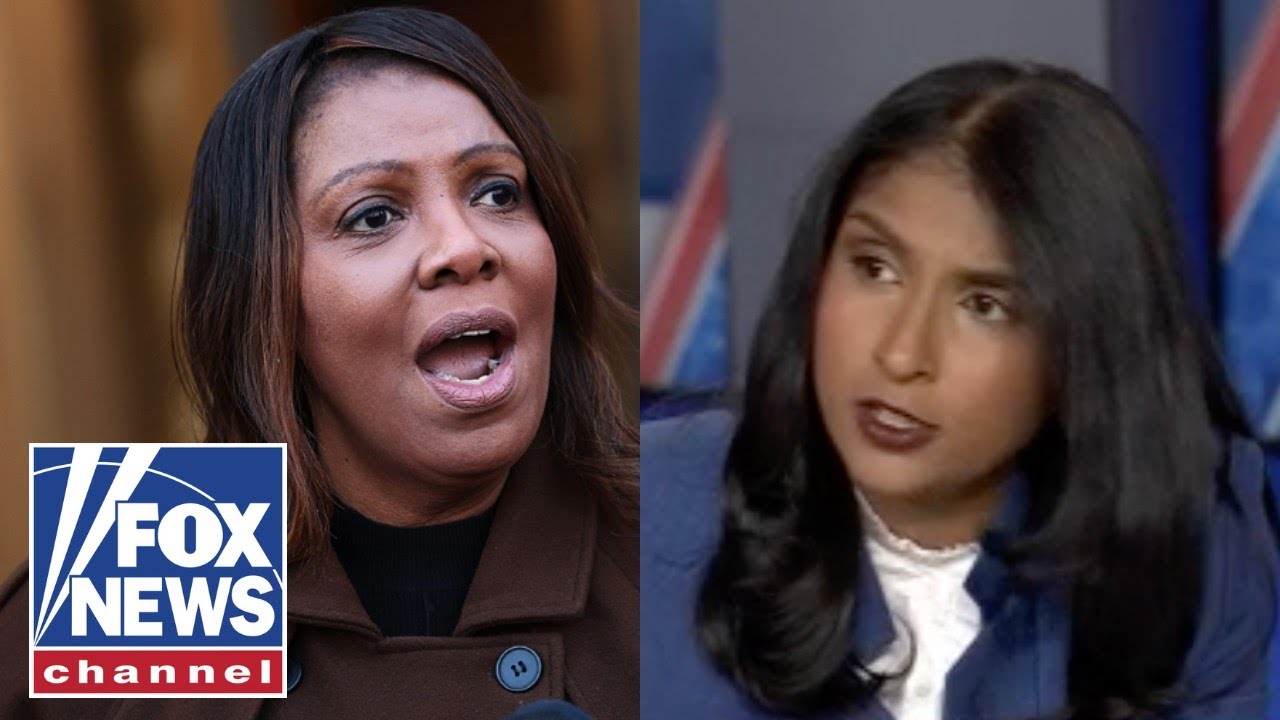
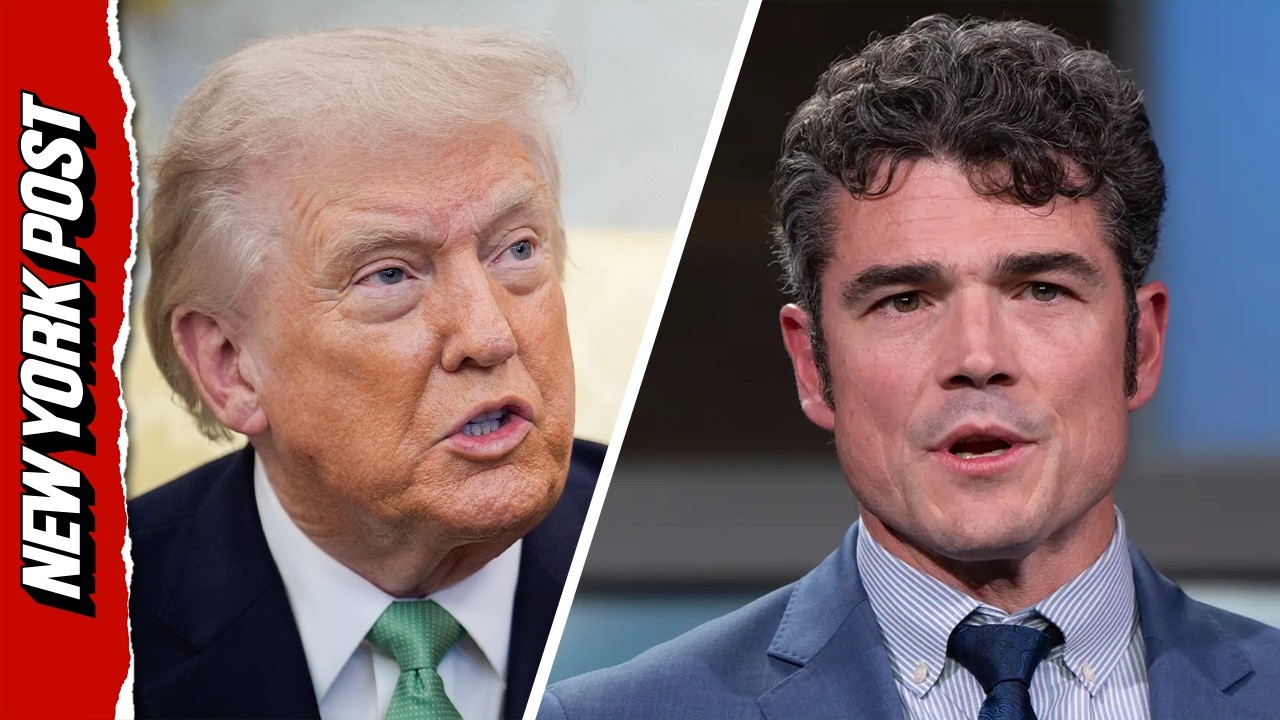
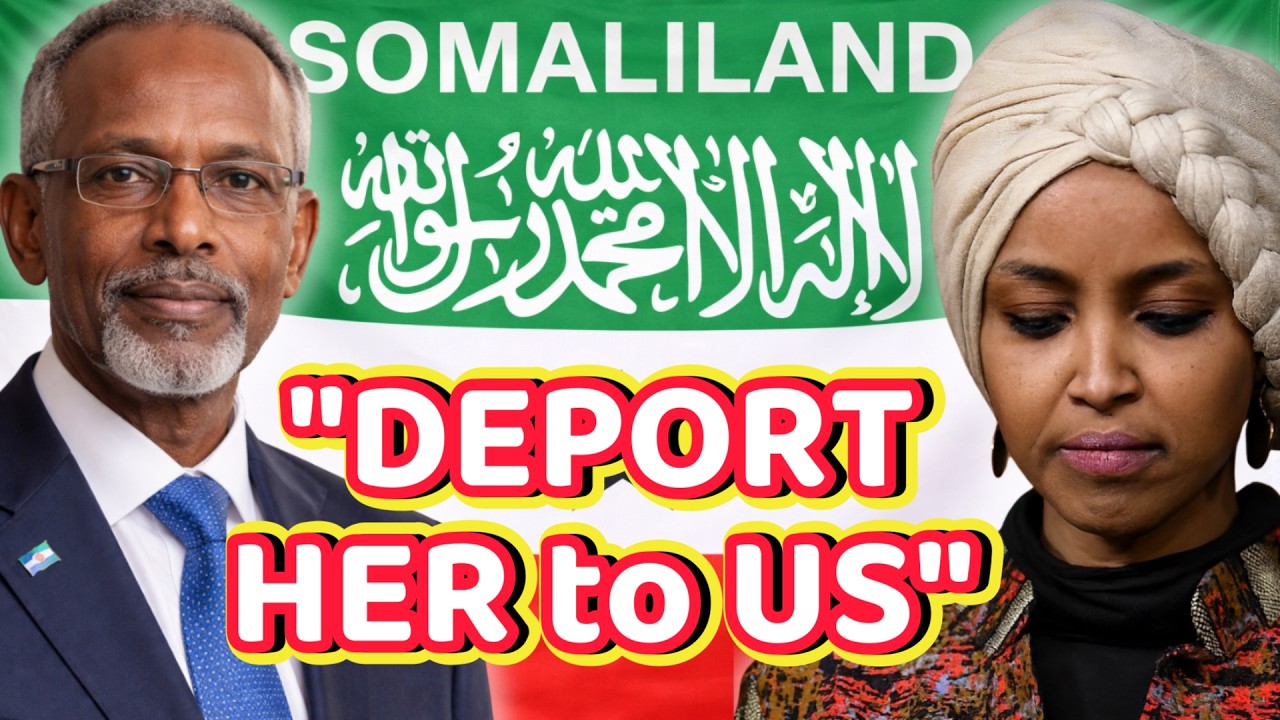
A geopolitical ripple originating from the Horn of Africa has collided with the volatile currents of American domestic politics, producing a controversy that is as extraordinary as it is incendiary. According to a report on Sunday by Fox News Digital, the Republic of Somaliland—a partially recognized state in East Africa—has publicly suggested that it would welcome the extradition of S. Representative Ilhan Omar, following explosive allegations of immigration fraud leveled by Vice President JD Vance.
The episode, unfolding at the intersection of diplomacy, law, and political rhetoric, underscores the increasingly globalized nature of American political disputes. It also raises profound questions about the boundaries between political accusation and legal substantiation, as well as the potential international ramifications of domestic partisan conflict
The controversy was ignited during a podcast interview in which Vice President Vance asserted that he had discussed potential legal action against Representative Omar with senior White House immigration advisor Stephen Miller. In remarks that have since reverberated across political and diplomatic spheres, Vance stated that there was a belief within the administration that Omar had “definitely committed immigration fraud against the United States of America.”
According to the Fox News Digital report, Vance emphasized that the administration was actively exploring possible legal remedies. “We’re trying to look at what the remedies are,” he said, outlining a process that would involve investigation, evidence gathering, and the potential construction of a legal case. His comments suggested not merely rhetorical opposition, but a willingness to pursue formal legal avenues.
The reaction was swift and, in some quarters, startling. The Republic of Somaliland responded publicly via social media with a message that blended irony with geopolitical symbolism: “Deportation? Please you’re just sending the princess back to her kingdom. Extradition? Say the word …”
While the tone of the statement was unmistakably provocative, its implications were significant. It represented an unusual instance of a foreign entity inserting itself into a domestic American political dispute, thereby amplifying its visibility and complexity.
To understand the significance of Somaliland’s intervention, it is essential to appreciate its unique geopolitical status. Although it operates with many of the trappings of a sovereign state—including its own government, military, and currency—it lacks widespread international recognition. Its engagement in this controversy can thus be interpreted as both a symbolic gesture and a bid for visibility on the global stage.
By invoking the concept of extradition, Somaliland introduced a legal dimension that, while largely theoretical in this context, underscores the seriousness with which allegations of immigration fraud are treated in international law. Extradition typically involves formal agreements between recognized states, and the absence of such frameworks in this case renders the suggestion more rhetorical than actionable.
Nevertheless, the statement has succeeded in drawing international attention to the dispute, illustrating how domestic political narratives can reverberate far beyond national borders.
At the heart of the controversy lies a long-standing and highly contentious allegation: that Representative Omar engaged in immigration fraud, specifically through claims that she married her brother to facilitate entry into the United States. These allegations have circulated for years, often resurfacing in moments of heightened political tension.
Omar has consistently and unequivocally denied these claims. In previous statements, she has characterized them as baseless and motivated by bigotry. Her office, responding to Vice President Vance’s recent remarks, issued a forceful rebuttal.
Connor McNutt, Omar’s chief of staff, described the allegations as “a ridiculous lie,” according to the Fox News Digital report. The statement went further, accusing Vance of engaging in a deliberate attempt to distract from other political issues. It also referenced prior comments by the vice president suggesting a willingness to shape narratives strategically, thereby questioning the credibility of his assertions.
This exchange of accusations and denials reflects a broader pattern within contemporary political discourse, where claims are often contested as vigorously as they are made, and where the line between allegation and evidence can become blurred.
The prospect of pursuing legal action against a sitting member of Congress raises complex and consequential questions. Immigration fraud, if substantiated, constitutes a serious offense with significant legal ramifications. However, the burden of proof in such cases is substantial, and the evidentiary standards required to sustain a prosecution are exacting.
Vice President Vance’s comments suggest that the administration is in the preliminary stages of assessing these issues. The reference to “building a case” indicates an awareness of the need for rigorous investigation and legal due diligence.
Yet the political context cannot be ignored. The allegations against Omar are deeply intertwined with broader ideological divisions, particularly on issues related to immigration, national identity, and foreign policy. As such, any legal proceedings would inevitably be scrutinized through a partisan lens, with potential implications for public trust and institutional legitimacy.
The prominence of Fox News Digital in reporting and disseminating this story highlights the critical role of media in shaping public perception. By providing detailed coverage of both the allegations and the responses, the outlet has ensured that the controversy remains at the forefront of national discourse.
Media amplification can serve as both a catalyst and a magnifier, bringing issues to wider attention while also intensifying their impact. In this case, the interplay between political statements, media reporting, and international reaction has created a feedback loop that sustains and escalates the controversy.
The dispute over Representative Omar is emblematic of the broader polarization that characterizes contemporary American politics. Issues that might once have been confined to legal or procedural domains are now frequently imbued with ideological significance, transforming them into flashpoints of national debate.
Omar herself is a polarizing figure, celebrated by supporters as a trailblazer and criticized by opponents for her positions on a range of issues. The allegations against her, therefore, resonate not only as legal claims but as symbols within a larger ideological contest.
Vice President Vance’s involvement adds another layer of complexity. As a senior figure within the administration, his statements carry considerable weight, and his willingness to engage with such allegations underscores their perceived importance within certain political circles.
The involvement of Somaliland, while unconventional, serves as a reminder of the global interconnectedness of modern political discourse. In an era of instantaneous communication, statements made in Washington can elicit responses from distant regions within moments.
This interconnectedness can have both constructive and destabilizing effects. On one hand, it fosters greater awareness and engagement across borders. On the other, it can complicate diplomatic relations and introduce new variables into already complex situations.
In this instance, Somaliland’s intervention may be interpreted as an attempt to assert relevance on the international stage. However, it also emphasizes the extent to which American political controversies can resonate far beyond their immediate context.
As the situation continues to evolve, one fact remains clear: the controversy surrounding Ilhan Omar and the allegations of immigration fraud is far from resolved. The interplay of political rhetoric, legal considerations, and international reaction has created a multifaceted and dynamic narrative that defies simple categorization.
For now, the allegations remain unproven, the denials emphatic, and the political stakes high. Whether the administration will pursue formal legal action—and whether such action would withstand judicial scrutiny—remains to be seen.
What is certain, however, is that this episode has illuminated the complexities of modern political life, where domestic disputes can acquire international dimensions, and where the boundaries between law, politics, and media are increasingly porous.As Fox News Digital continues to report on developments, the nation—and indeed the world—will be watching closely, aware that the outcome of this controversy may carry implications far beyond the individuals directly involved.



1 Comment
Baruch Friedman
April 9, 2026Trump is correct, he’s right. Everyone should be Islamophobic, because they perpetrate 90% of terrorism around the entire world.Radical Moslems have murdered & maimed thousands of Americans in terror attacks, 9-11, in Iraq, Lebanon, Afghanistan , Somalia.