













|
Getting your Trinity Audio player ready...
|
By: Fern Rosenblatt
The escalating Israeli-American military campaign targeting Iran’s military and security infrastructure appears to have inflicted not only material damage on Tehran’s command centers but also strategic dislocation across its far-flung proxy network. According to a report on Tuesday by The Algemeiner, Palestinian terrorist factions in Gaza and beyond have lost contact with their primary Iranian patron, the Islamic Revolutionary Guard Corps (IRGC), following days of sustained strikes against senior Iranian leadership and operational facilities.
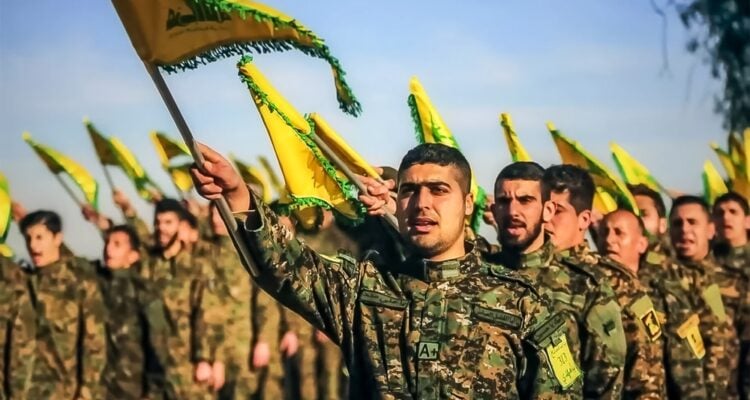
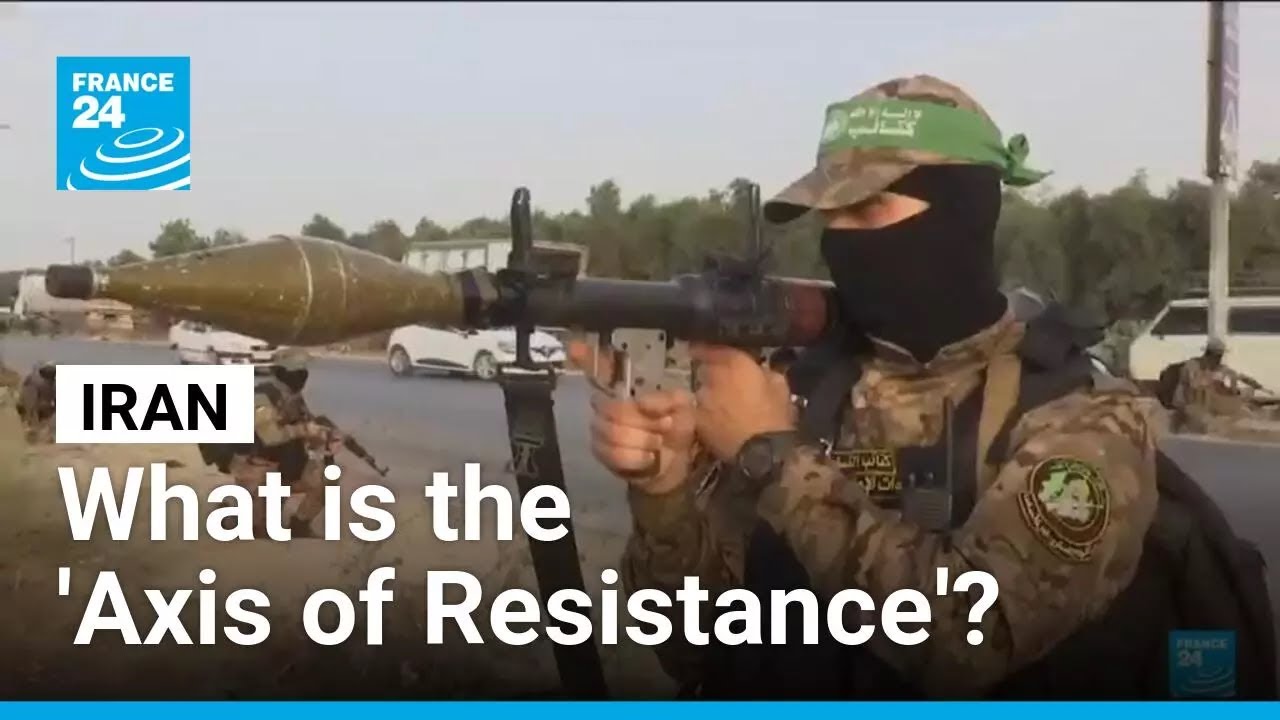
The development, first reported by the Arabic-language newspaper Asharq Al-Awsat and highlighted by The Algemeiner, signals a potentially consequential rupture in the communications architecture that has long undergirded Iran’s regional influence. For decades, Tehran has relied on a latticework of militant proxies—including Hamas, Palestinian Islamic Jihad, Hezbollah in Lebanon, and the Houthi movement in Yemen—to project power beyond its borders while maintaining plausible deniability. That system depends heavily on coordinated funding streams, encrypted communications, intelligence-sharing, and strategic direction from the IRGC, particularly its Quds Force.
Now, Palestinian factions both inside and outside the Gaza Strip—especially Hamas and Islamic Jihad—have been unable to establish contact with their Iranian handlers since the launch of the joint Israeli-American offensive this past weekend. Palestinian sources quoted by Asharq Al-Awsat described a near-total silence. “Normally, messages are transmitted in encrypted ways, either electronically or in other ways. Since the beginning of this war, no messages have been received,” one source said, according to The Algemeiner’s coverage.
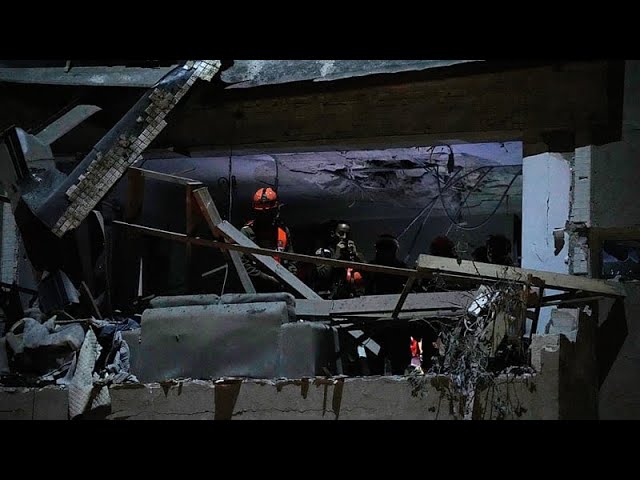
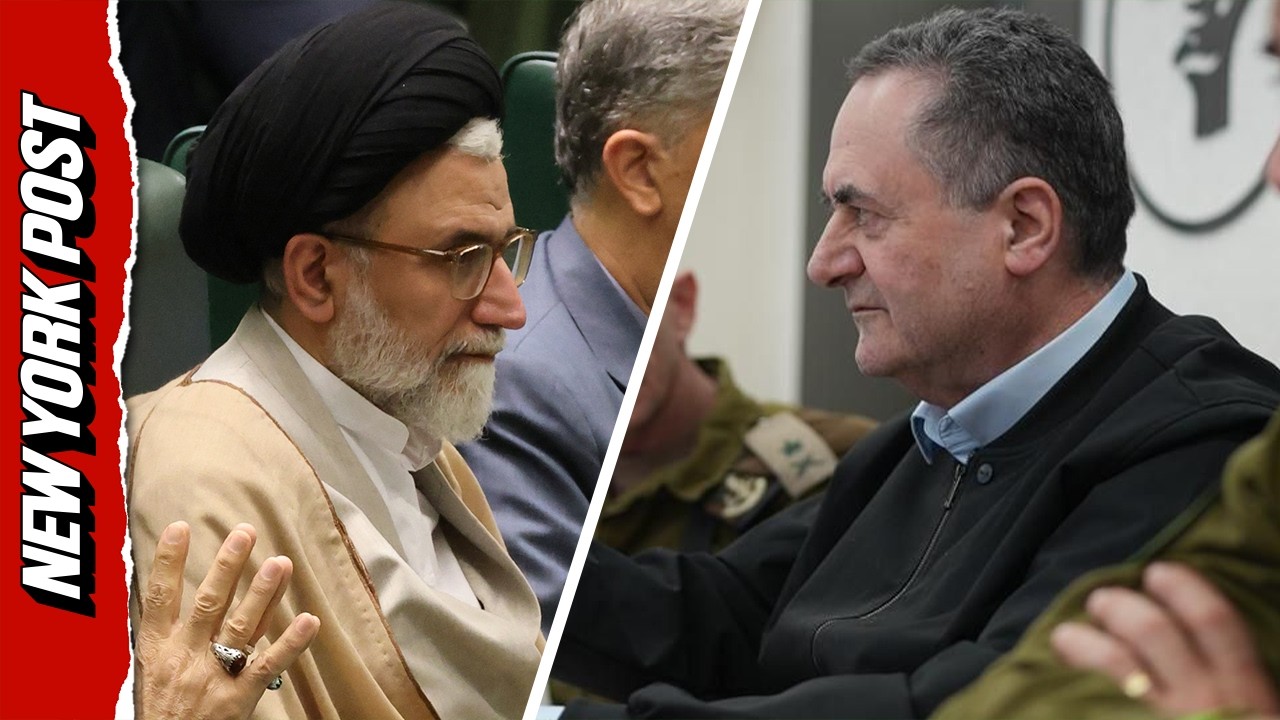
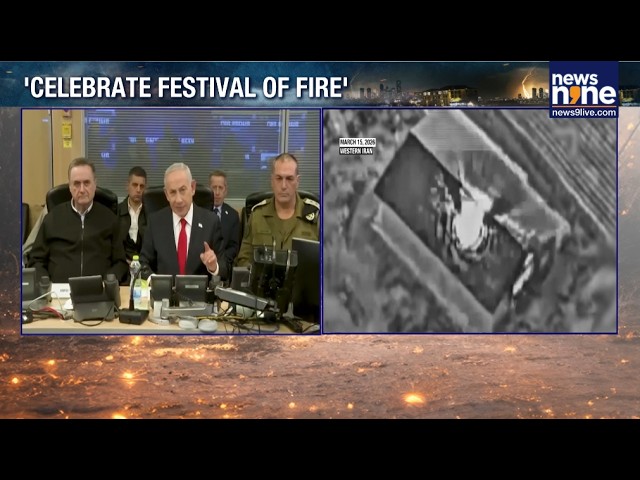
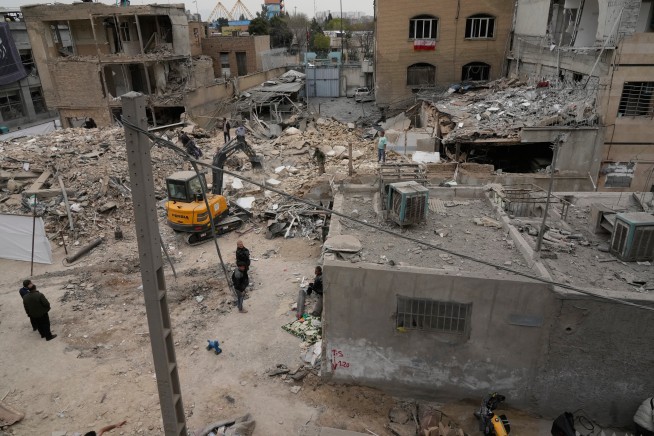
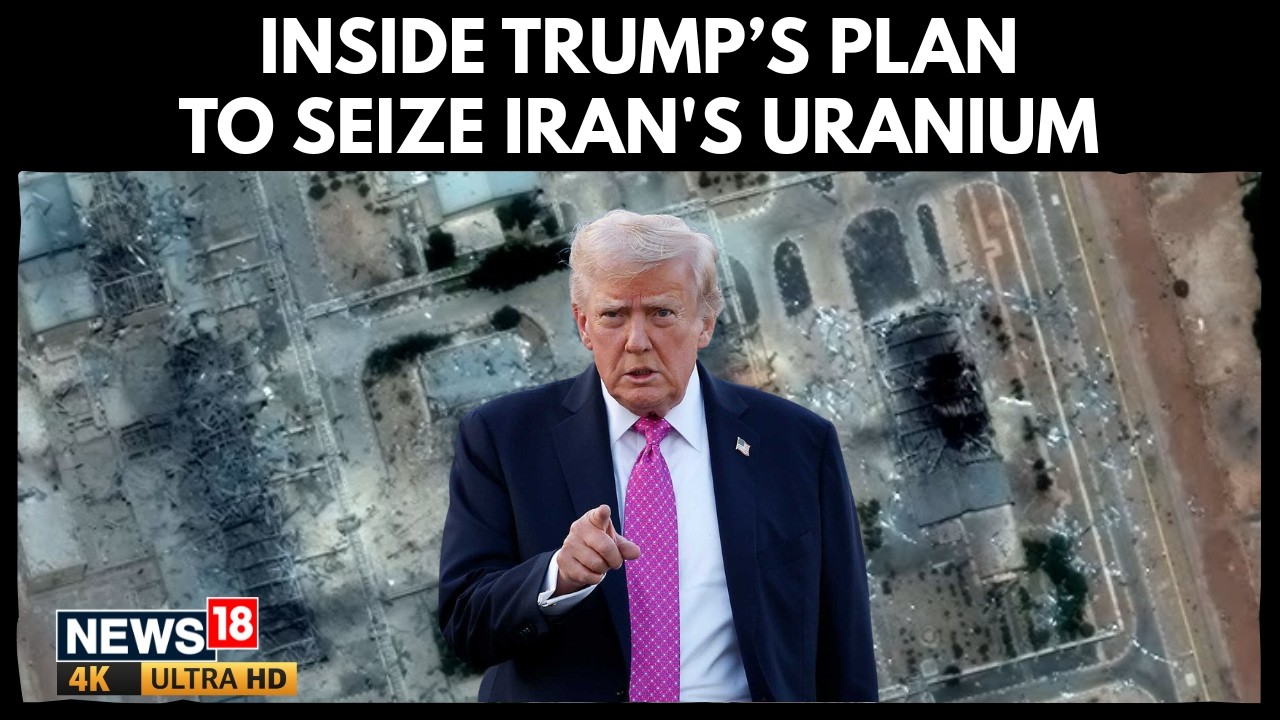
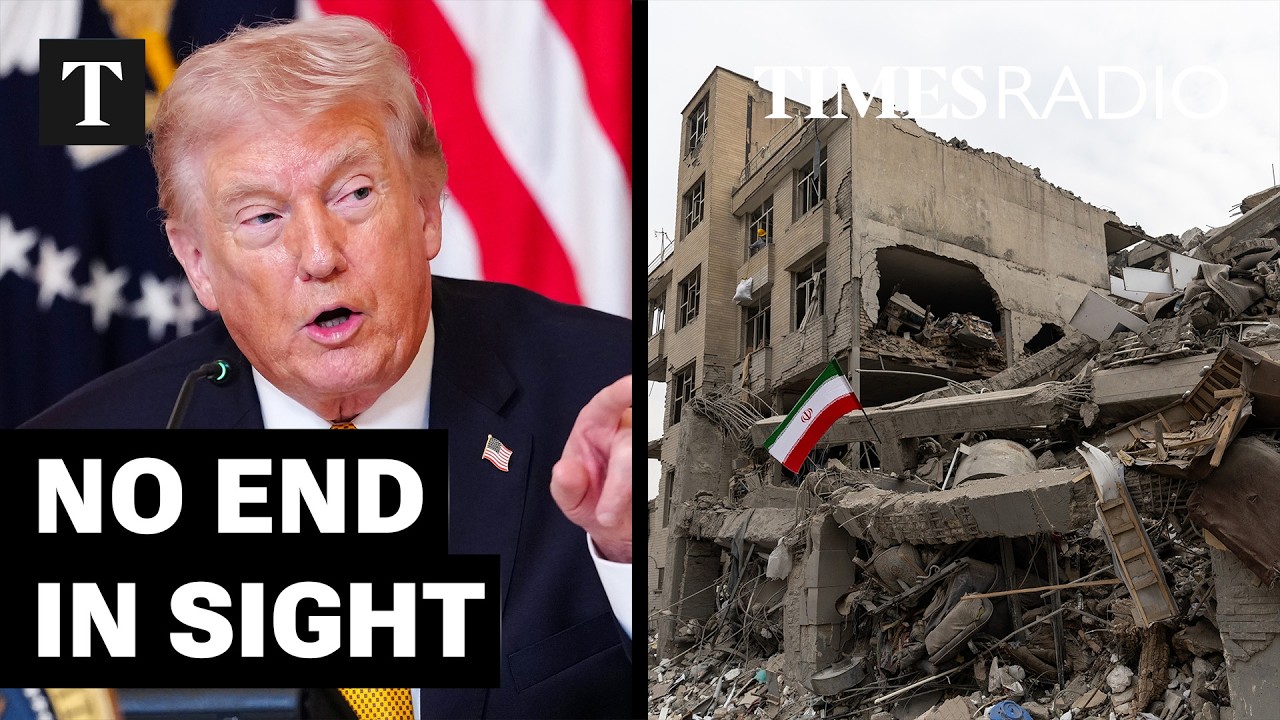
The implications of this communications blackout are profound. It remains unclear whether the IRGC officials responsible for liaising with Palestinian groups were killed in the strikes, incapacitated by the destruction of command-and-control infrastructure, or forced into protective isolation under heightened security protocols. The US and Israel have reportedly eliminated dozens of senior Iranian officials in recent days, targeting figures integral to Iran’s military planning and external operations.
If confirmed, the loss of real-time coordination between Tehran and its Palestinian proxies would represent a strategic setback for Iran’s long-cultivated doctrine of asymmetric warfare. The IRGC has historically functioned not only as a financier but as a central nervous system for Iran’s regional militias, synchronizing operations, providing training and materiel, and shaping the tempo of confrontation with Israel and other adversaries. The Algemeiner report indicated that even during last June’s 12-day war with Israel, Iranian commanders found alternative means to transmit directives to Palestinian groups, suggesting that the current communications void reflects an unusually severe disruption.
The broader context amplifies the significance of this development. Iran’s regional network has long been sustained through a combination of ideological alignment and material support. Hamas and Palestinian Islamic Jihad have received substantial funding, weapons, and tactical guidance from Tehran, often routed through Lebanon or Syria. Hezbollah, widely regarded as the crown jewel of Iran’s proxy strategy, has served as both an operational partner and logistical conduit. The Houthis in Yemen, meanwhile, have expanded their capabilities under Iranian tutelage, extending Tehran’s reach into the Red Sea and beyond.
The present communications breakdown comes at a moment when Palestinian factions were already experiencing acute financial strain. Palestinian Islamic Jihad and smaller militant groups have been grappling for months with dwindling Iranian support as Tehran confronts mounting international sanctions and deepening domestic crises. Economic pressures within Iran—exacerbated by inflation, currency devaluation, and internal unrest—have constrained its ability to sustain the robust patronage networks that once fueled proxy operations across multiple theaters.
Even prior to the latest strikes, Palestinian sources reportedly expressed apprehension about the potential collapse of the Iranian regime itself. According to The Algemeiner report, some feared that such a collapse would signal “the end of support without return.” The current loss of contact may not yet amount to regime implosion, but it heightens anxieties within Gaza and other proxy strongholds about the durability of Tehran’s backing.
The consequences of this rupture are likely to vary among factions. Hamas, which exercises de facto governance over Gaza, possesses a broader network of support and diversified funding channels. In recent months, it has intensified efforts to rebuild its military capabilities following earlier confrontations with Israel. At the same time, Hamas has reportedly implemented a harsh crackdown on internal dissent, consolidating control within the enclave. This combination of domestic authority and external fundraising may insulate it, to some degree, from short-term disruptions in Iranian communications.
By contrast, Palestinian Islamic Jihad and smaller terrorist organizations remain heavily dependent on direct Iranian assistance. Their operational budgets, weapons supplies, and training pipelines are closely tied to IRGC coordination. The killing, earlier this week, of Islamic Jihad’s commander in Lebanon—an operation described by the Israeli military as a major blow to the group’s capabilities—further compounds their vulnerability. As The Algemeiner reported, Israel launched strikes on multiple targets in Lebanon after Hezbollah fired rockets into Israeli territory in solidarity with Iran. The elimination of key field commanders, combined with severed communications from Tehran, could significantly degrade Islamic Jihad’s ability to mount coordinated attacks.
Strategically, the Israeli-American offensive appears to be targeting not only Iran’s military assets but also the connective tissue binding its proxy ecosystem. By striking senior officials, disrupting communications hubs, and degrading command infrastructure, the campaign seeks to fracture the coherence of what Israeli and US officials often describe as the “Axis of Resistance.” If Tehran cannot reliably transmit instructions or resources, its proxies may be forced into reactive, localized decision-making, potentially reducing the scale and sophistication of coordinated regional offensives.
However, such fragmentation carries its own risks. Proxy groups operating without clear direction may resort to opportunistic violence or symbolic escalations to demonstrate continued relevance. The absence of centralized guidance can sometimes lead to unpredictable actions, complicating efforts to manage escalation dynamics. Whether the current communications blackout results in diminished activity or erratic responses remains to be seen.
From a geopolitical perspective, the disruption of Iran’s proxy network reverberates beyond Gaza and Lebanon. Tehran’s influence in Iraq, Syria, and Yemen has similarly depended on IRGC coordination. Should communications disruptions persist, allied militias in those arenas may also experience operational disarray. The cumulative effect could weaken Iran’s regional posture, at least temporarily, reshaping the strategic landscape of the Middle East.
The Algemeiner report underscored the degree to which this moment marks a departure from previous conflicts. While Iran has weathered sanctions, covert operations, and limited strikes in the past, the scale and intensity of the current offensive appear unprecedented. The killing of high-ranking officials, combined with systemic communication breakdowns, signals a level of operational penetration that challenges Tehran’s assumption of strategic depth.
At the same time, Iran’s capacity for adaptation should not be underestimated. The IRGC has historically demonstrated resilience, reconstructing networks after setbacks and employing layered redundancy in its communications systems. Encrypted channels, couriers, and regional intermediaries have long supplemented digital communications. The coming days will reveal whether Tehran can restore contact with its Palestinian proxies or whether the current silence reflects deeper structural damage.
For now, Palestinian factions face a moment of uncertainty. Deprived of clear guidance and potentially facing diminished financial flows, they must navigate an evolving battlefield in which their principal patron is under sustained assault. The strategic ramifications of this rupture could extend far beyond immediate tactical considerations, influencing the trajectory of the broader conflict between Israel, the United States, and Iran’s regional allies.
If sustained, the loss of communications between Tehran and its proxies may mark a pivotal juncture in the long-running contest between state actors and militant networks in the Middle East. In the calculus of asymmetric warfare, coordination is currency. And for the moment, that currency appears to be in short supply.