














|
Getting your Trinity Audio player ready...
|
By: Fern Rosenblatt
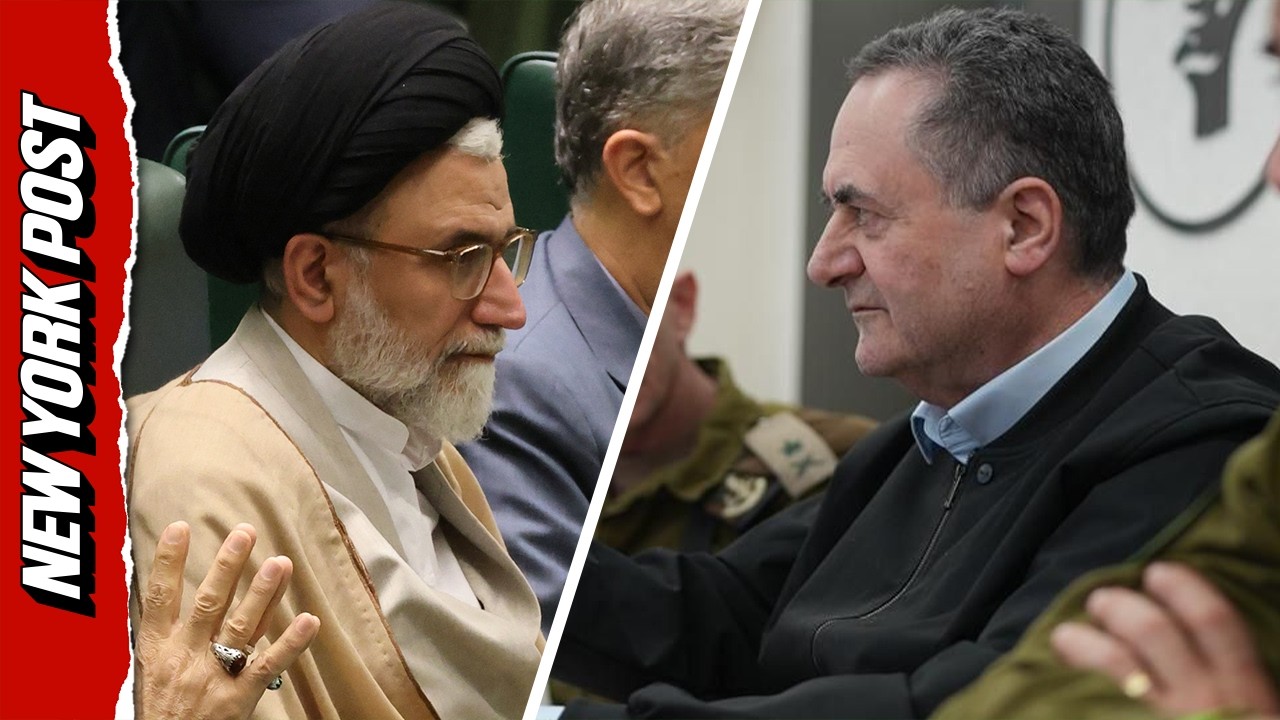
Israel’s Defense Minister Israel Katz issued one of the strongest warnings yet to the Lebanese government on Friday, declaring that Beirut would face escalating consequences for its failure to disarm Hezbollah and prevent attacks against Israeli territory. The warning came during a high-level security assessment at Israel Defense Forces headquarters in Tel Aviv, as Israeli military operations along the northern front intensify amid the broader regional conflict involving Iran.
According to a report on Friday at Israel National News, Katz’s remarks signal a significant shift in Israel’s posture toward Lebanon, with the Israeli government now explicitly stating that it will hold the Lebanese state itself responsible for Hezbollah’s actions. Israeli officials say the new policy reflects growing frustration with what they view as Lebanon’s inability—or unwillingness—to fulfill its international commitments to dismantle the Iran-backed militant organization.
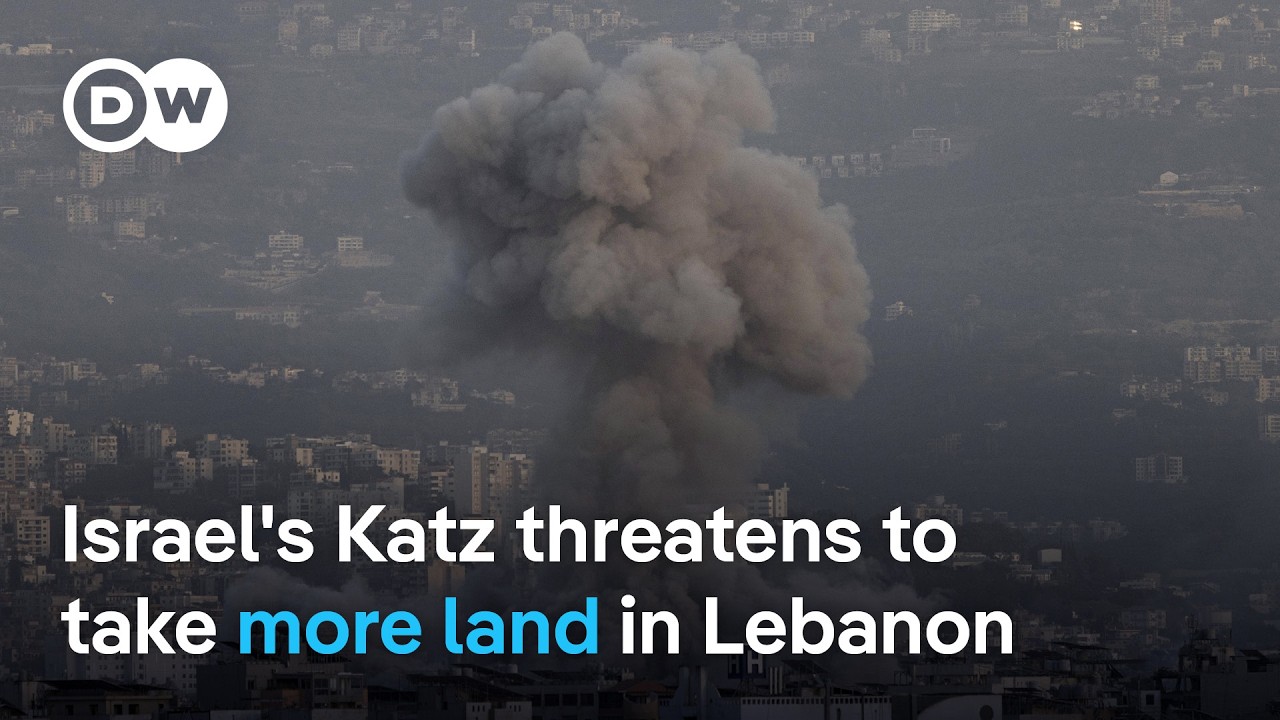
“This is just the beginning,” Katz said during the meeting. “The Lebanese government and the state of Lebanon will pay an increasing price in terms of lost territory and damage to national infrastructure used by Hezbollah militants.” The statement underscores the possibility that Israel’s military campaign could expand significantly if Hezbollah continues its attacks across the border.
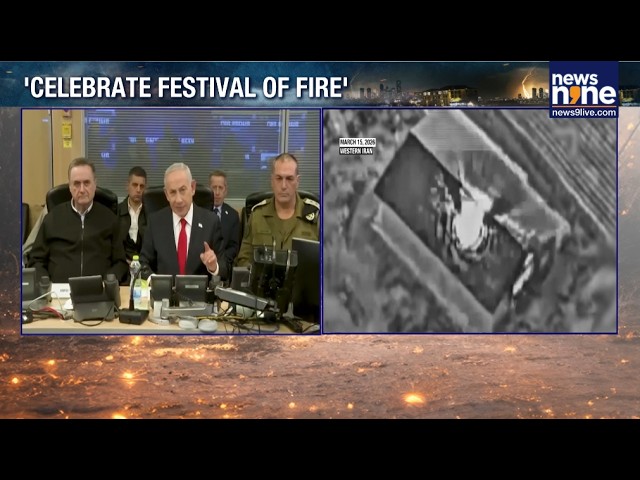
The warning was delivered during a special security assessment held inside the IDF’s underground command center—commonly referred to as the “pit”—located at Israel’s military headquarters in Tel Aviv. The meeting brought together some of Israel’s most senior defense officials, including IDF Chief of Staff Lt. Gen. Eyal Zamir and key commanders responsible for overseeing operations along the northern front.
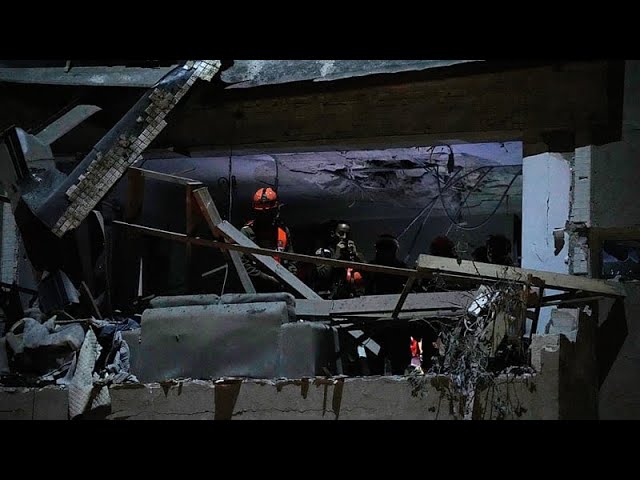
According to the information provided in the Israel National News report, the discussion focused on Israel’s strategy for confronting Hezbollah and preventing further rocket attacks against Israeli communities near the Lebanese border. The meeting took place only hours after a major Israeli airstrike destroyed a critical bridge over the Litani River, a strategic route that Israeli intelligence believes has been used by Hezbollah to transport weapons, fighters, and logistical supplies into southern Lebanon.
Military analysts say the destruction of the bridge represents a calculated attempt to disrupt Hezbollah’s ability to move personnel and equipment toward the border with Israel.
The Israeli Air Force operation targeting the bridge was one of the most significant strikes carried out in Lebanon in recent days.
According to the information contained in the Israel National News report, the structure served as a key logistical artery for Hezbollah’s military operations. Israeli intelligence had reportedly identified the crossing as a central route for transferring rockets, drones, and other weaponry from Hezbollah-controlled areas further north into positions near Israel.
By eliminating the bridge, Israeli officials hope to complicate Hezbollah’s ability to sustain attacks on Israeli territory. The strike also carries symbolic significance. The Litani River has long been viewed as a natural boundary in discussions about southern Lebanon’s demilitarization. Under various international agreements and United Nations resolutions, Hezbollah was supposed to withdraw its forces north of the river.
Israel argues that those commitments were never properly enforced.
During the security assessment, Katz emphasized that Israel would no longer accept the longstanding distinction between Hezbollah and the Lebanese state. “The Lebanese government has deceived the international community and failed to meet its commitment to disarm Hezbollah,” Katz said, according to statements cited by Israel National News.
For years, Israeli officials have argued that Lebanon’s government has allowed Hezbollah to operate as a powerful parallel military force within its borders, effectively controlling large portions of the country’s south.
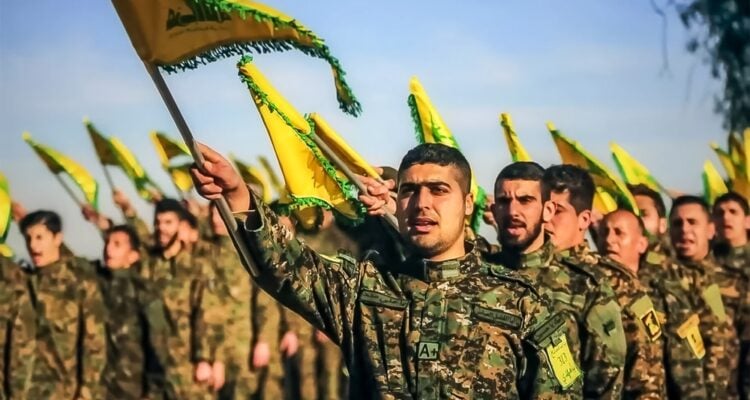
Hezbollah possesses an extensive arsenal of rockets, missiles, and drones, many of which have been supplied by Iran. According to Israeli intelligence estimates cited by Israel National News, the group maintains tens of thousands of rockets, including some capable of striking major Israeli cities. Israel’s new policy suggests that continued Hezbollah attacks could lead to direct consequences for Lebanese state infrastructure.
Katz made clear that Israeli strikes against Lebanese infrastructure were not accidental or incidental. Instead, he framed them as a deliberate strategy aimed at increasing pressure on Beirut. “The Lebanese government and the state of Lebanon will pay an increasing price in terms of lost territory and damage to national infrastructure used by Hezbollah militants,” Katz warned.
Israeli officials say that roads, bridges, and transportation networks that facilitate Hezbollah’s military activities may increasingly become targets. Defense analysts note that such a strategy represents a significant escalation in Israel’s approach to the northern conflict. In past confrontations, Israel often attempted to distinguish between Hezbollah military targets and broader Lebanese infrastructure.
The new rhetoric suggests that distinction may be narrowing.
Katz also stressed that Israel’s operations in Lebanon cannot be separated from the larger confrontation with Iran. Hezbollah is widely regarded as Iran’s most powerful regional proxy, and Tehran has invested heavily in building the group into a formidable military force.
According to the report at Israel National News, Katz told participants at the security assessment that Israel’s northern campaign forms part of a wider effort to counter Iranian influence throughout the Middle East. “The Prime Minister, the IDF, and I are committed to defending the citizens of the north and all Israelis,” Katz said. “We will do everything to fulfill this commitment both in Iran and in Lebanon.”
The statement reflects Israel’s view that Hezbollah’s actions are directly coordinated with Iranian strategic objectives.
The escalation along the Lebanese border has placed enormous pressure on Israeli communities in the north. Over the past several months, rocket and drone attacks launched by Hezbollah have forced many residents to evacuate towns near the frontier.
According to the report at Israel National News, Israeli officials have repeatedly promised that restoring security to these communities remains a top priority. Katz reiterated that commitment during Friday’s meeting. Defense officials say the military is prepared to expand operations if necessary to eliminate the threat posed by Hezbollah’s missile arsenal.
The developments have drawn close attention from international observers. Diplomats and analysts warn that further escalation between Israel and Hezbollah could trigger a wider regional conflict involving multiple actors.
Hezbollah’s extensive ties to Iran, along with its influence within Lebanon’s political system, make the situation particularly complex. Nevertheless, Israeli officials argue that continued restraint would only embolden the group.
As Israel National News has reported, Israel’s leadership believes that decisive action may be necessary to prevent Hezbollah from strengthening its military capabilities.
Katz’s warning may represent a turning point in Israel’s approach to the Lebanese government. By declaring that Lebanon itself will face consequences for Hezbollah’s actions, Israel is signaling a willingness to expand the scope of its response. Whether this strategy will deter further attacks—or provoke additional escalation—remains uncertain. What is clear, however, is that the northern front has become a central arena in the broader confrontation between Israel and Iran’s regional network of allies.
As the Israel National News report suggested, Israeli leaders appear determined to send a message: the era of tolerating Hezbollah’s military buildup in southern Lebanon may be coming to an end.


1 Comment
Neal
April 9, 2026Lebanon will never disarm Hezbollah – period. Time to expel the Lebanese from Southern Lebanon – the land of Naphtali and Asher – and make it part of Israel. Let Lebanon know that Israel will burn the country to the ground if that is the only way to have peace in the north. Do the “Chief Rabbis of Israel” and others like them have an opinion? Kamtza Bar-Kamtza all over again?