










|
Getting your Trinity Audio player ready...
|
Toward the Brink: U.S. Military Buildup Signals Expanding Stakes in Iran Conflict as Washington Weighs Next Move
By: Fern Sidman
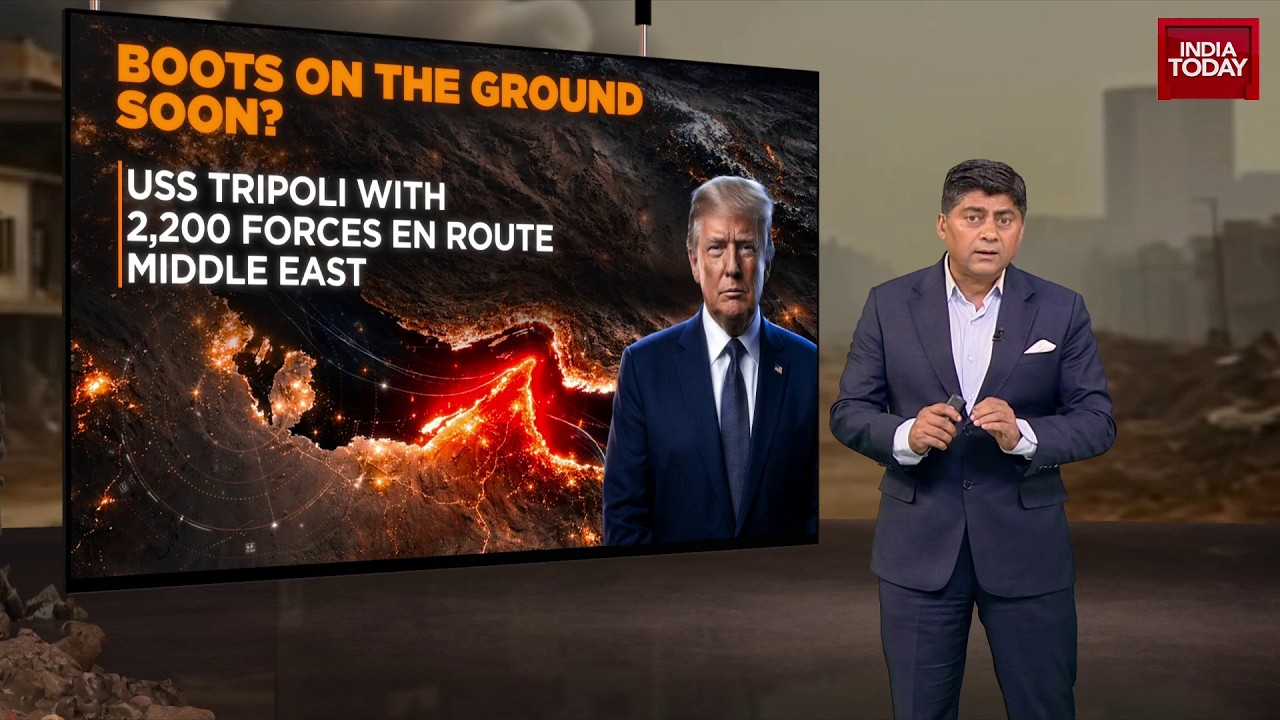
As the United States-Israel war with Iran enters its third week, a significant and potentially consequential shift is underway in the military posture of the United States across the Middle East. According to multiple officials who spoke with Reuters on Friday, thousands of additional Marines and sailors are now being deployed to the region, marking one of the most substantial reinforcements since the conflict began.
This development, though not yet accompanied by a formal decision to deploy ground forces into Iran itself, signals a strategic recalibration in Washington—one that may be laying the groundwork for broader operational options, even as the political and military risks continue to mount.
The deployment centers on the movement of the USS Boxer, an amphibious assault ship, accompanied by a Marine Expeditionary Unit and an additional warship. As Reuters reported, this formation is a highly flexible and potent military asset, capable of conducting air operations, amphibious assaults, and rapid-response missions across a range of scenarios.
Marine Expeditionary Units, typically composed of approximately 2,500 Marines, are designed for precisely such contingencies. Their presence in a theater of operations often serves as both a deterrent and a preparatory measure, signaling readiness without committing to a specific course of action.
In this case, the addition of a second such unit to the region—bringing the total U.S. troop presence to well over 50,000—suggests a deliberate effort to expand operational capacity. One official, speaking to Reuters, noted that the deployment is occurring nearly three weeks ahead of schedule, an indication of the urgency with which the Pentagon is responding to evolving conditions on the ground.
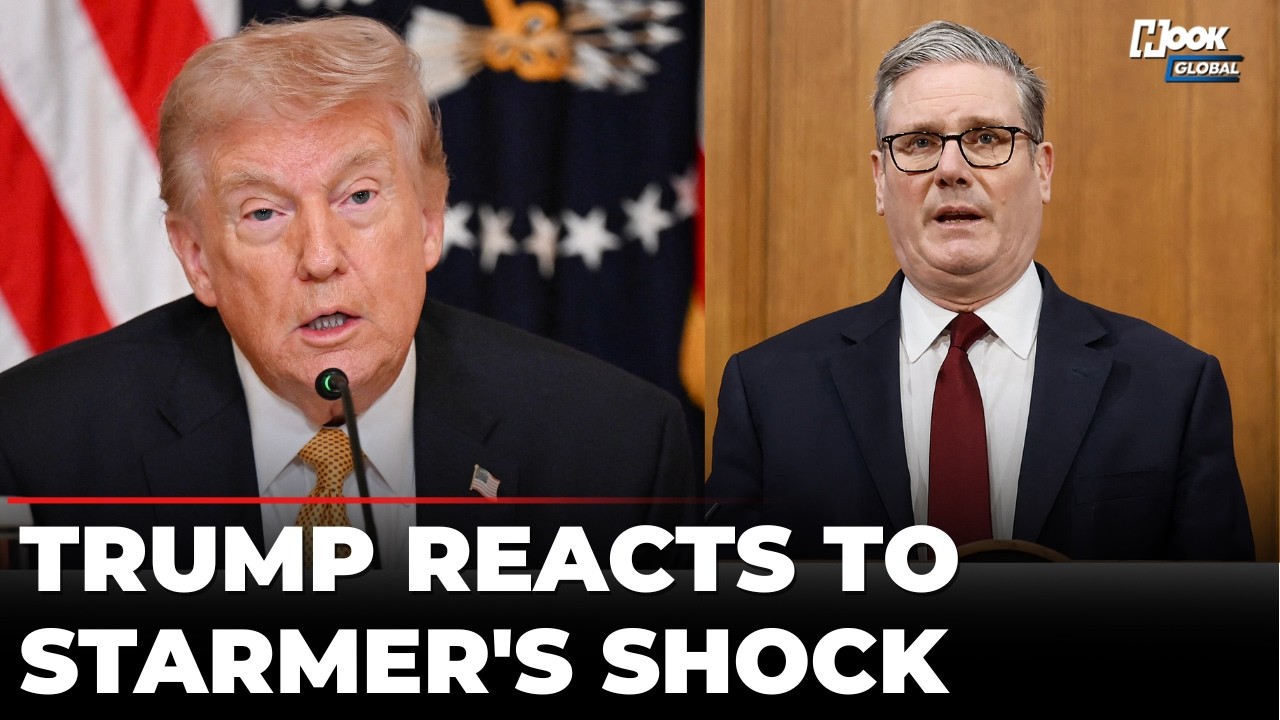
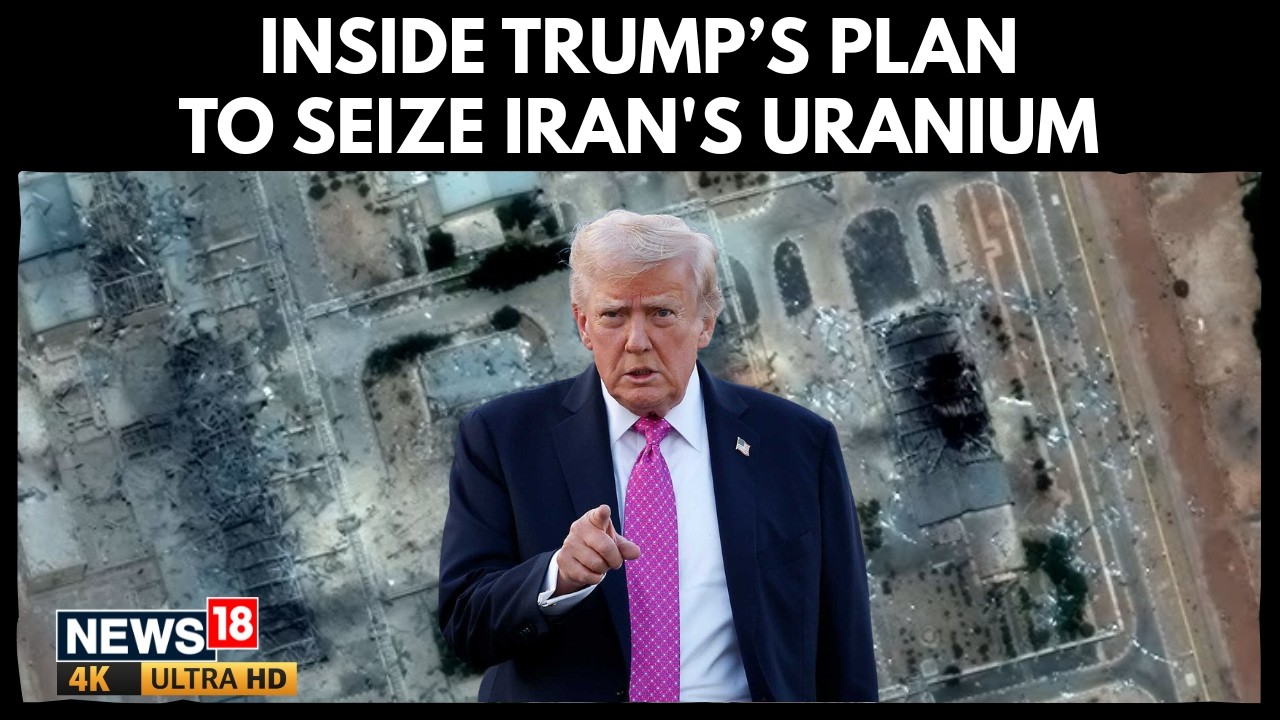
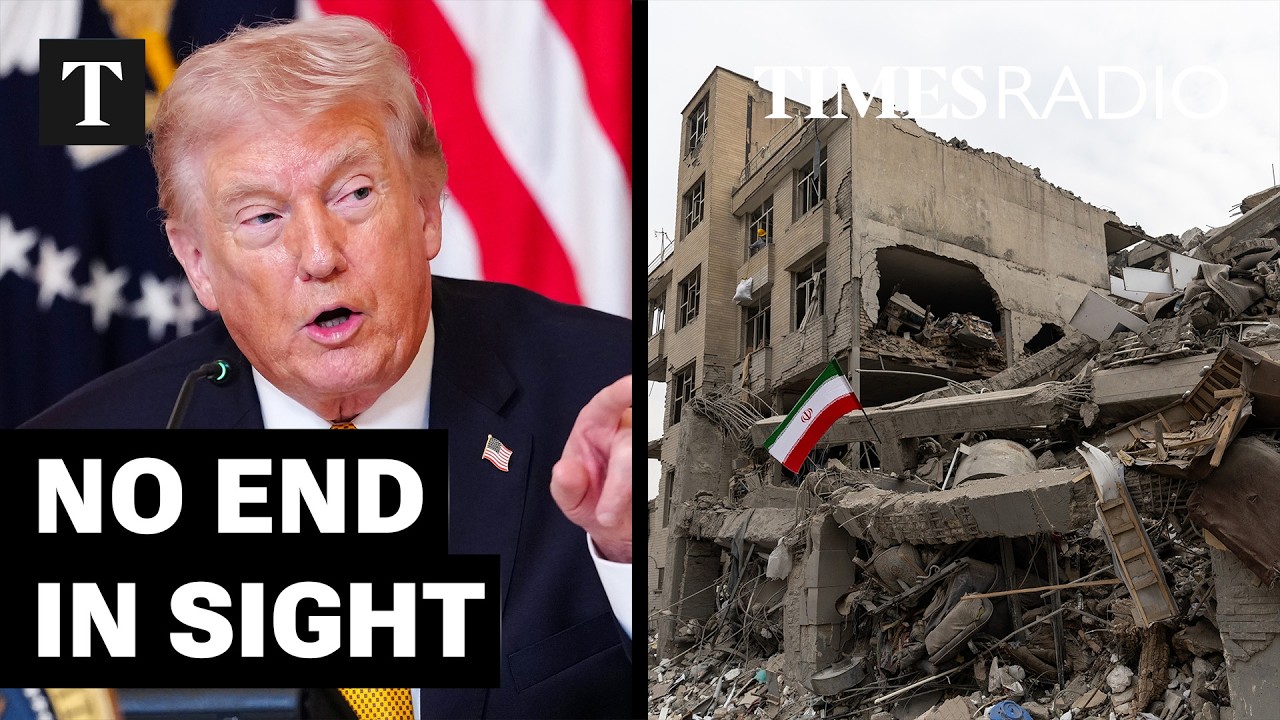
Despite the scale of the buildup, official statements from the administration have remained notably cautious. President Donald Trump, addressing reporters on Thursday, denied that any immediate plans were in place to deploy troops into Iran, stating that he was not putting forces “anywhere.” Yet he added a telling caveat: if such a decision were made, it would not be publicly disclosed in advance.
This posture of strategic ambiguity—acknowledging the possibility of escalation while withholding specifics—has become a defining feature of the administration’s approach. As The Algemeiner has observed in its broader analysis of the conflict, such ambiguity serves multiple purposes: deterring adversaries, preserving operational flexibility, and managing domestic political considerations.
The precise role of the newly deployed forces remains unclear. Officials who spoke with Reuters declined to specify their intended mission, emphasizing only that the buildup is designed to enhance readiness for a range of potential operations.
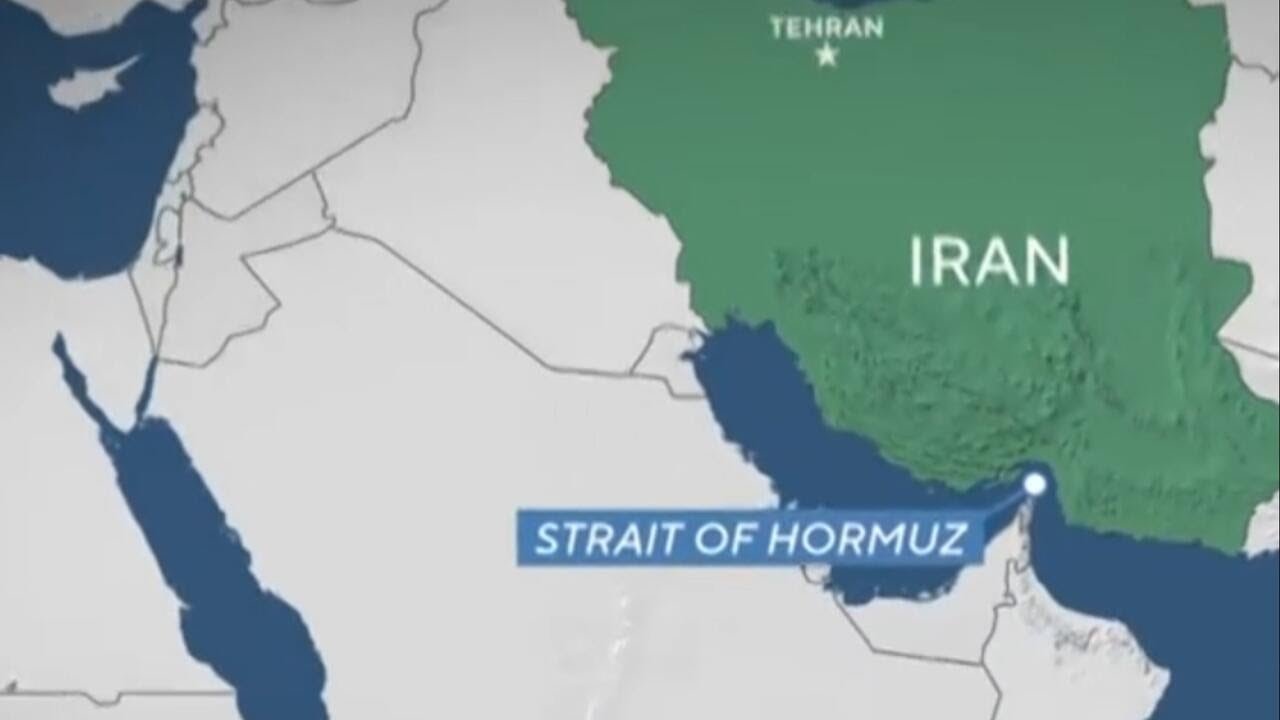
Among the scenarios under consideration are efforts to secure the Strait of Hormuz, one of the world’s most critical maritime chokepoints. Control of this narrow passage, through which a significant portion of global oil supplies transit, has long been a strategic objective in any confrontation involving Iran.
According to the Reuters report, one option being evaluated involves deploying U.S. forces to Iran’s shoreline to ensure the continued flow of commerce through the strait. Such a move would represent a major escalation, potentially drawing American forces into direct engagement on Iranian territory.
Another possibility under discussion is the deployment of ground forces to Kharg Island, a critical hub that handles approximately 90 percent of Iran’s oil exports. As highlighted in coverage by The Algemeiner, targeting or securing this facility could have profound economic implications, effectively constraining Iran’s primary source of revenue.
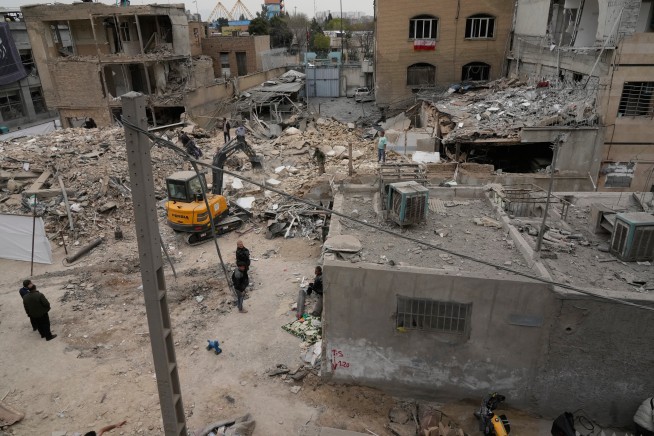
The current buildup must be understood within the broader context of a campaign that has already seen extensive air operations against Iranian targets. Since its commencement on February 28, the joint U.S.-Israeli effort has focused on degrading Iran’s military infrastructure, including missile systems, command centers, and energy facilities.
While these strikes have reportedly achieved significant tactical successes, they have not yet produced a decisive strategic outcome. Iran retains the capacity to launch drone and missile attacks, and its network of regional allies continues to pose a threat across multiple fronts.
In this environment, the deployment of additional forces serves both as a reinforcement of ongoing operations and as a hedge against unforeseen developments. As The Algemeiner report noted, the presence of Marine Expeditionary Units provides commanders with a versatile toolset, capable of adapting to rapidly changing circumstances though the risks of escalation remain ever-present.
The decision to expand the U.S. military footprint in the Middle East is not without significant domestic implications. Public support for the conflict remains limited, with many Americans expressing concern about the prospect of another prolonged engagement in the region.
This sentiment is particularly salient given President Trump’s previous commitments to avoid entangling the United States in new Middle Eastern conflicts. Any move toward deploying ground forces, even in a limited capacity, could therefore carry substantial political costs.
As Reuters reported, the administration is acutely aware of these risks. The cautious tone of official statements reflects an effort to balance the demands of military strategy with the realities of public opinion.
Beyond domestic considerations, the buildup also has significant implications for the broader international community. Allies and adversaries alike are closely monitoring developments, seeking to discern Washington’s intentions and adjust their own strategies accordingly.
For regional partners, the increased U.S. presence offers a measure of reassurance, signaling a continued commitment to their security. At the same time, it raises questions about the potential for further escalation and the stability of an already volatile region.
For Iran, the deployment represents both a challenge and an opportunity. While it underscores the military pressure being brought to bear, it also provides a basis for framing the conflict as one of resistance against external aggression—a narrative that may resonate domestically and among sympathetic audiences abroad.
As the war enters its third week, it is becoming increasingly clear that the conflict is at a critical juncture. The initial phase of airstrikes has given way to a more complex and uncertain stage, in which the choices made by policymakers will have far-reaching consequences.
The deployment of additional Marines and sailors is a tangible manifestation of this transition. It reflects a recognition that the current approach may need to be supplemented—or even transformed—depending on how events unfold.
As The Algemeiner report emphasized, the range of options under consideration—from securing maritime routes to targeting key economic assets—illustrates the breadth of strategic thinking now in play.
The arrival of thousands of additional U.S. troops in the Middle East marks a pivotal moment in the ongoing conflict with Iran. It is a development that speaks to both the gravity of the situation and the uncertainty that lies ahead.
While no final decision has been made regarding the use of ground forces, the groundwork is clearly being laid for a range of potential actions. The question is not whether the United States possesses the capability to escalate, but whether it will choose to do so—and at what cost.
As Reuters noted, the coming days and weeks will be critical in determining the trajectory of the conflict. In a region long defined by its volatility, the current moment stands out as one of particular consequence—a point at which decisions made in Washington may shape the future of the Middle East for years to come.