







|
Getting your Trinity Audio player ready...
|
Trump Leaks Intentions on Iran: “Just Watch What Happens to These Deranged Leaders Today”
By: Jason Ostedder
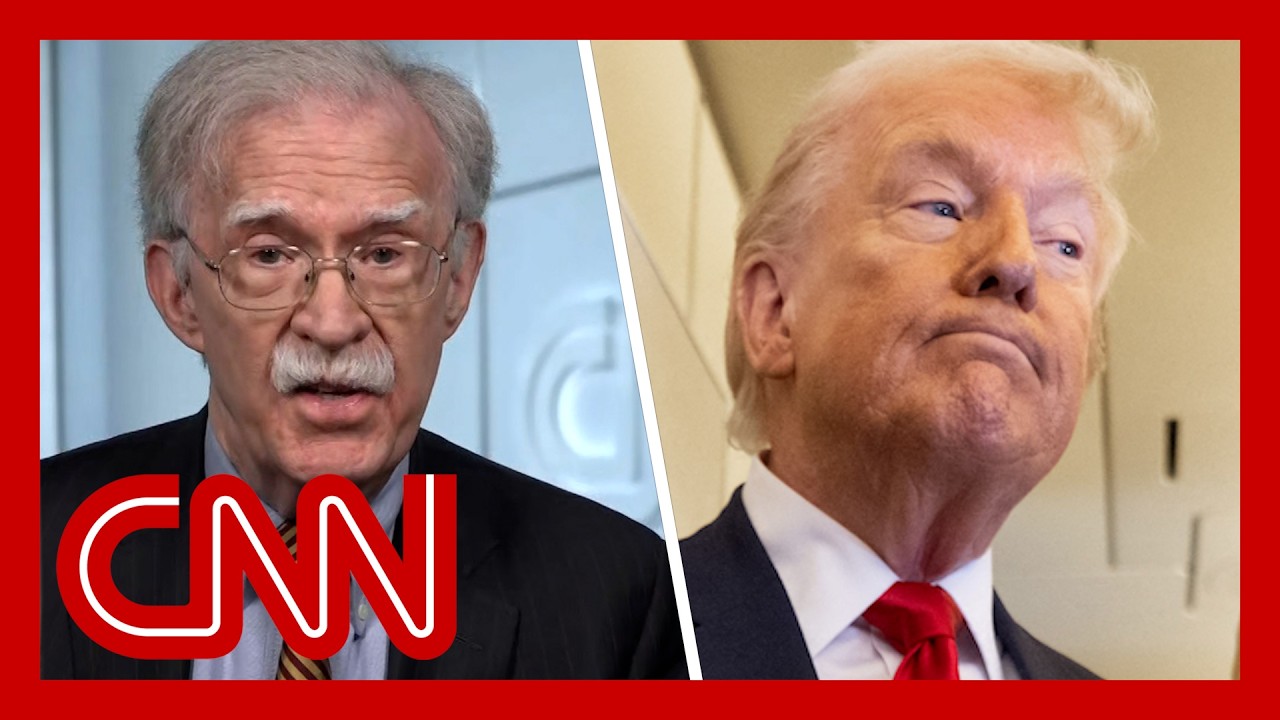
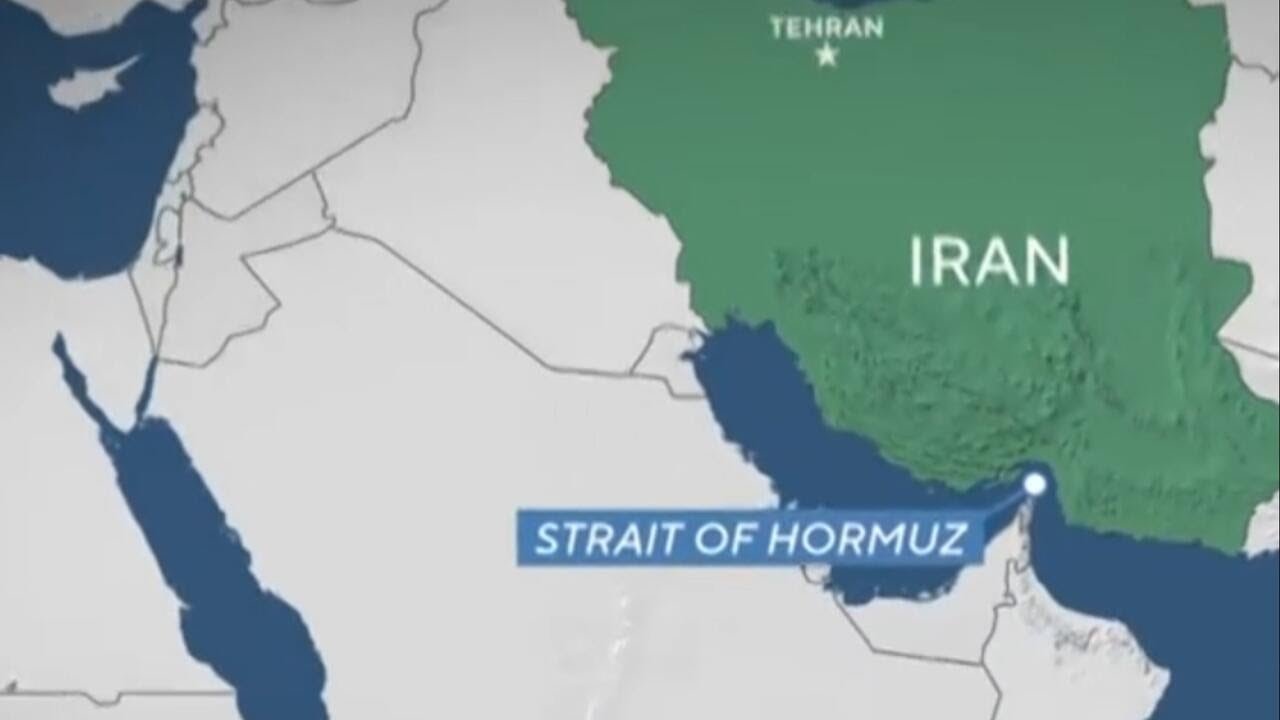
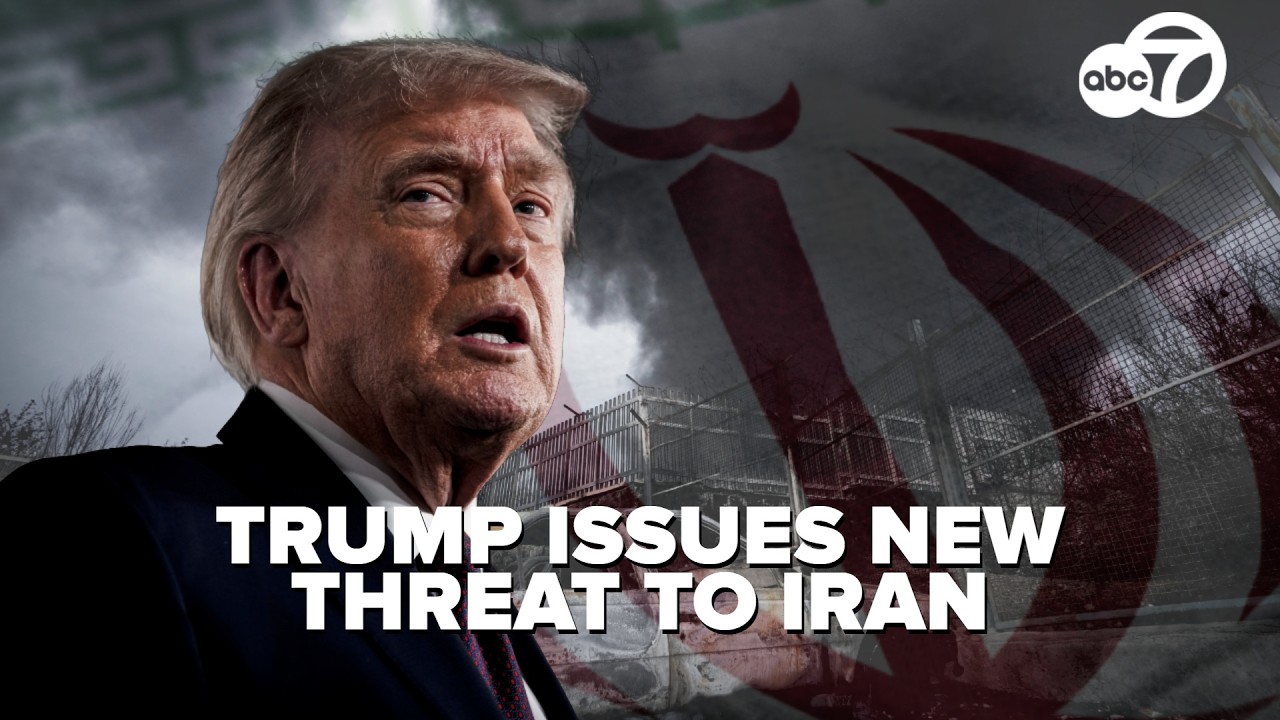
In a dramatic escalation of rhetoric amid an intensifying war with Iran, President Trump issued a fierce warning early Friday, declaring that the United States would unleash its “unparalleled firepower” against the leadership of the Iranian regime as the conflict entered a dangerous new phase. The president’s comments came hours after Iran’s newly installed supreme leader delivered his first public address and after two separate extremist attacks struck American soil, raising alarm among security agencies around the world.
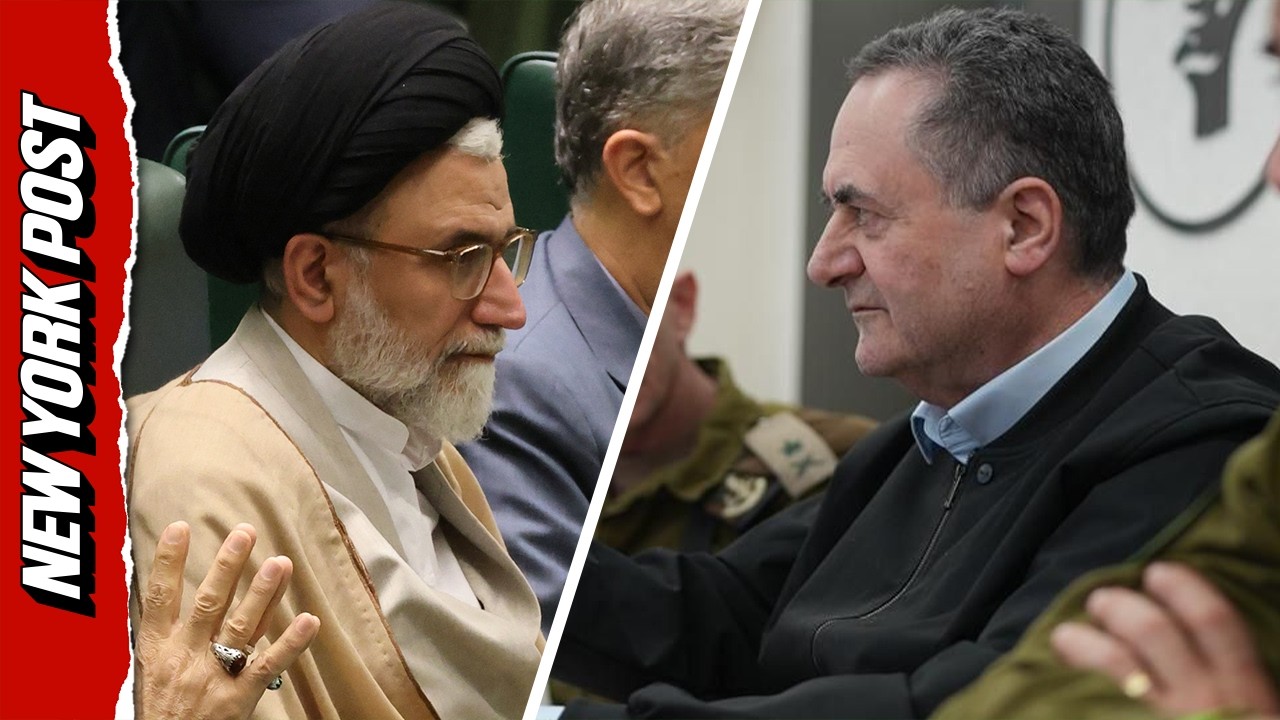
The message, delivered in a late-night post on Truth Social and reported on Friday morning by The New York Post, reflected both the administration’s determination to continue the military campaign against Iran and its concern that Tehran or its sympathizers may attempt retaliatory attacks beyond the Middle East.
“We are totally destroying the terrorist regime of Iran, militarily, economically, and otherwise,” Trump wrote, according to The New York Post. “Yet, if you read the Failing New York Times, you would incorrectly think that we are not winning.”
Trump’s remarks underscore the extraordinary geopolitical moment unfolding as the United States and Israel intensify a joint campaign aimed at dismantling Iran’s nuclear and missile infrastructure while Iranian leadership calls for retaliation.
The president’s statement was striking not only for its blunt language but also for its timing. According to The New York Post report, the message appeared shortly after midnight Friday, just hours after Iran’s supreme leader, Ayatollah Mojtaba Khamenei, issued his first public remarks since assuming power following the death of his father, Ali Khamenei.
Trump described the Iranian regime as responsible for decades of violence. “They’ve been killing innocent people all over the world for 47 years,” Trump wrote. “And now I, as the 47th President of the United States of America, am killing them.”
The president further asserted that the United States had already inflicted devastating damage on Iran’s military capabilities. “Iran’s Navy is gone, their Air Force is no longer, missiles, drones and everything else are being decimated,” Trump wrote, according to The New York Post.
He concluded the message with an ominous warning: “Watch what happens to these deranged scumbags today.”
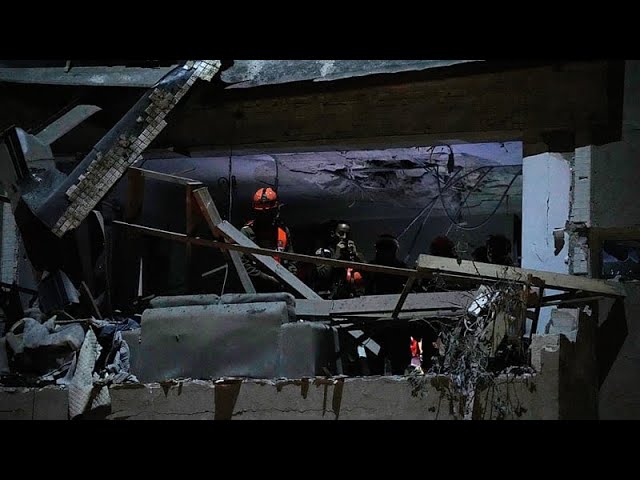
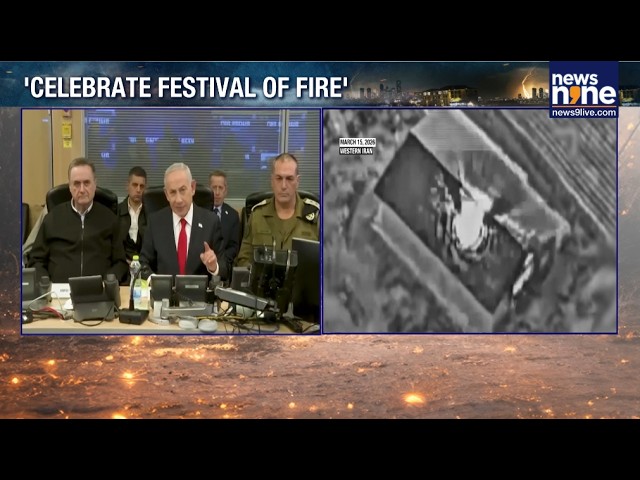
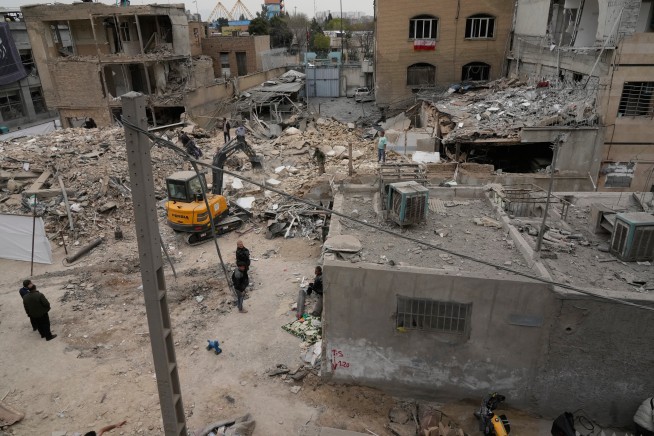
Even as Trump issued his statement, Israel’s military confirmed that it had launched a large-scale wave of airstrikes across Iranian territory, targeting key military installations. According to reporting cited by The New York Post, the Israeli Defense Forces announced that its aircraft struck multiple strategic targets including an underground ballistic missile facility, a major air-defense installation and several military command centers.
These strikes form part of the broader campaign launched on February 28, when the United States and Israel initiated coordinated military operations aimed at crippling Iran’s nuclear program and missile capabilities. Military analysts say the sustained air campaign has already severely degraded Iran’s ability to launch long-range attacks.
The escalation followed the first public remarks by Mojtaba Khamenei, the son of Iran’s late supreme leader and the cleric widely believed to have assumed control of the Islamic Republic following his father’s death.
Khamenei’s speech struck a defiant tone. “If it refuses, we will take from its assets to the extent we deem appropriate,” Khamenei declared, referring to Iran’s enemies. “And if that is not possible, we will destroy its assets to the same extent.”
According to information provided in The New York Post report, intelligence analysts believe the speech may have been intended as a signal to pro-Iranian networks around the world. Some experts suggest the remarks could serve as a coded call for Iranian sleeper cells or extremist sympathizers to conduct retaliatory attacks against American or Israeli targets.
Security agencies across multiple countries have already increased alert levels amid fears that Tehran’s supporters may attempt acts of violence abroad. “These are desperate measures by a collapsing regime that sees no other choice but to escalate,” Khosro Isfahani, research director at the Washington-based think tank National Union for Democracy in Iran, told The New York Post.
Authorities are particularly concerned about the possibility of lone-wolf attacks or coordinated terrorist acts inspired by the Iranian regime or extremist groups sympathetic to its cause.
The fears of retaliatory violence appeared to materialize Thursday when two separate attacks took place inside the United States.
In Norfolk, Virginia, a gunman identified as Mohamed Bailor Jalloh opened fire inside a classroom at Old Dominion University. According to The New York Post report, the attacker reportedly shouted “Allahu Akbar” before launching the assault. The gunman fatally shot Lt. Col. Brandon Shah, a decorated U.S. Army officer who served as chair of the university’s military science department and instructor for the ROTC program. Shah had served multiple tours during his military career, including deployments supporting Operation Iraqi Freedom, Operation Enduring Freedom, and Operation Atlantic Resolve.
Authorities are investigating the shooting as a potential act of terrorism.
On the same day, another violent incident unfolded in West Bloomfield, Michigan, where an explosives-laden vehicle was rammed into Temple Israel, one of the largest Reform synagogues in the United States.
According to the information contained in The New York Post report, the suspect, Ayman Mohamad Ghazali, a Lebanese-born naturalized U.S. citizen, drove a vehicle loaded with mortar shells into the synagogue’s entrance before security personnel opened fire. The suspect was found dead inside the vehicle after the crash. Remarkably, no students or staff were injured at the synagogue, which houses a preschool.
Investigators later revealed that several of Ghazali’s relatives had reportedly been killed in Israeli strikes against Hezbollah targets in Beirut just days earlier, potentially providing a motive for the attack.
Authorities have not yet determined whether either of the two attackers acted in response to Khamenei’s address or broader Iranian propaganda. However, intelligence officials are examining the possibility that the incidents were influenced by escalating rhetoric from Tehran.
As The New York Post reported, investigators are analyzing digital communications and online activity connected to the suspects to determine whether they had links to extremist networks.
Adding to the uncertainty surrounding the conflict are questions about the health and whereabouts of Mojtaba Khamenei. Early reports suggested that he may have been killed in the initial wave of U.S.-Israeli strikes that eliminated his father. However, those reports were later contradicted by intelligence assessments suggesting he survived the attacks.
President Trump himself acknowledged the uncertainty during an interview with Fox News Radio host Brian Kilmeade, according to the report in The New York Post. “I think he probably is alive,” Trump said. “I think he’s damaged, but I think he’s probably alive in some form.”
The ongoing confrontation between the United States, Israel, and Iran has rapidly evolved into one of the most consequential geopolitical crises in recent years. The conflict has already disrupted global energy markets, triggered security alerts worldwide and raised fears of a broader regional war. Analysts say the next phase of the conflict may depend heavily on whether Iran attempts to retaliate through its network of allied militias and sympathizers around the world.
As the war continues, both sides appear to be preparing for further escalation. Israel’s military has intensified its air campaign against Iranian targets, while the United States continues to provide logistical and strategic support. Meanwhile, intelligence agencies remain on high alert for additional attacks inspired by the conflict.
Trump’s message early Friday leaves little doubt about Washington’s stance. The president has framed the confrontation as a decisive battle against a regime he believes has spent decades supporting terrorism and destabilizing the Middle East. Whether the conflict will lead to the collapse of Iran’s leadership—or trigger a broader regional crisis—remains uncertain.
But as The New York Post has reported, one thing is clear: the war between Iran and the U.S.-Israeli alliance is entering a phase that could reshape the geopolitical landscape for years to come.