













|
Getting your Trinity Audio player ready...
|
By: Tzirel Rosenblatt
The northern frontier of Israel has once again become a crucible of conflict, as the country intensifies its military campaign against Hezbollah in southern Lebanon. What began as intermittent cross-border exchanges has rapidly evolved into a sustained and deeply entrenched military operation, characterized by expanded troop deployments, systematic ground maneuvers, and an unrelenting barrage of air and artillery strikes. The consequences are reverberating across the region, shaping not only the battlefield but also the lives of civilians caught in the widening range of violence.
According to comprehensive reporting from Reuters on Wednesday and detailed analysis by The Algemeiner, Israel has more than doubled its troop presence along the Lebanese border since March 1. This escalation signals a decisive shift from defensive containment to proactive engagement, aimed squarely at dismantling Hezbollah’s operational capabilities in southern Lebanon.
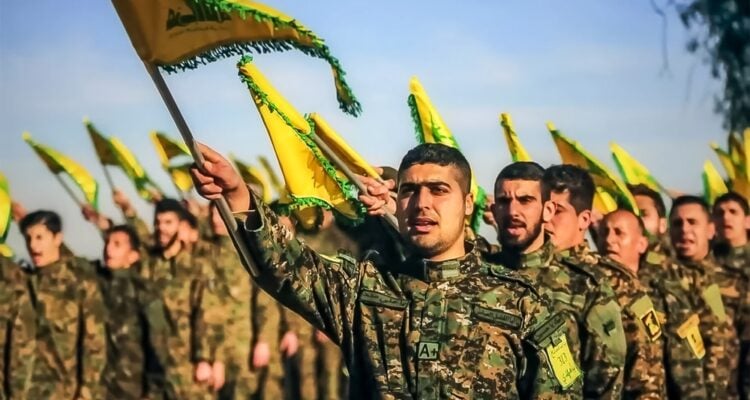
The dramatic increase in troop deployments reflects a strategic recalibration by Israeli defense planners, who appear convinced that a more assertive posture is required to neutralize the persistent threat posed by Hezbollah. The group, which is backed by Iran, entered the broader regional conflict earlier this month by launching rocket attacks into Israel, thereby opening a second front in what has become a multi-layered war.
In response, Israeli forces have mobilized along key points near the border and have begun pushing into Lebanese territory. The objective, as articulated by a senior Israeli commander in remarks to Reuters, is unequivocal: to ensure that Hezbollah is deprived of the infrastructure necessary to sustain its military operations.
“The plan is to make sure that Hezbollah does not have military infrastructure,” the commander stated, underscoring the methodical and comprehensive nature of the campaign.
A central component of Israel’s strategy involves the systematic search of villages that have been evacuated following military orders. These operations are designed to uncover hidden weapons, communications equipment, and logistical networks believed to be embedded within civilian areas.
According to both Reuters and The Algemeiner, Israeli troops have been entering homes and other structures to determine whether they have been repurposed for military use. This approach highlights the inherent difficulties of combating a group that operates within civilian environments.
“In some of the cases they hid their weapons in houses,” the commander explained. “We have no choice but to make sure that house is not a military installation.”
Such operations reflect the broader challenges of modern warfare, where the distinction between civilian and military spaces is often blurred, raising complex legal and ethical questions.
The expansion of military activity has had profound humanitarian consequences. Hundreds of thousands of residents have fled southern Lebanon following Israeli evacuation orders, particularly in areas south of the Litani River, which Israel considers a key stronghold of Hezbollah activity.
As highlighted by The Algemeiner, this mass displacement has placed immense strain on local resources and has created a growing humanitarian crisis. Families have been forced to abandon their homes, livelihoods, and communities, seeking safety in an increasingly uncertain environment.
Lebanese authorities report that at least 968 people have been killed since the start of Israel’s campaign, although the figures do not distinguish between civilians and combatants. Hezbollah has provided only limited updates regarding its own casualties, with one official telling Reuters that at least 46 fighters have been killed.
On the Israeli side, the military has confirmed the deaths of two soldiers since operations in southern Lebanon began.
At the center of Israel’s ground offensive lies the town of Khiyam, located approximately five kilometers inside Lebanese territory. According to sources cited by Reuters, Israeli forces are advancing gradually through the area, aiming to fully secure the town before potentially moving further north.
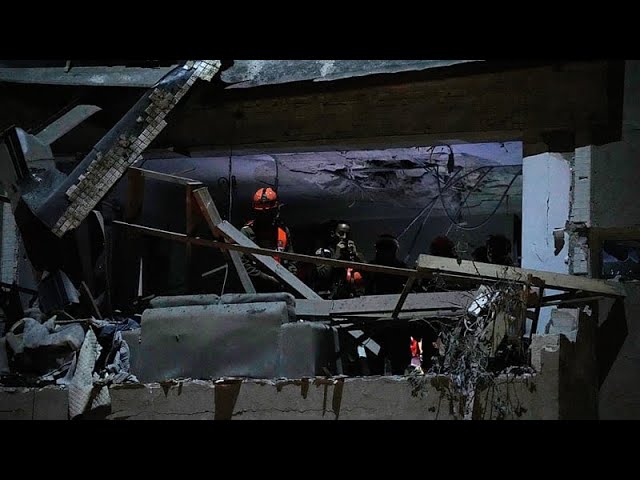
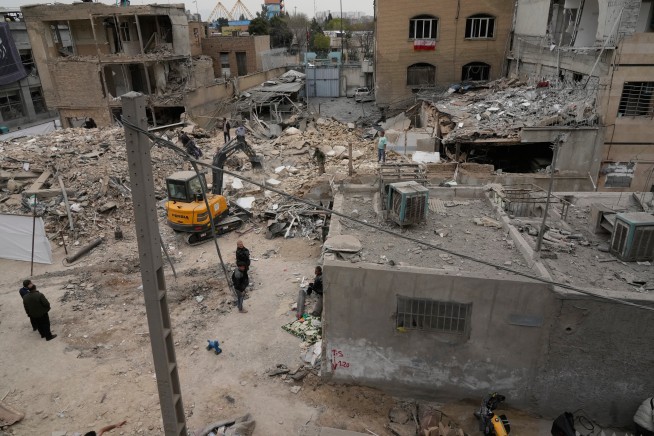
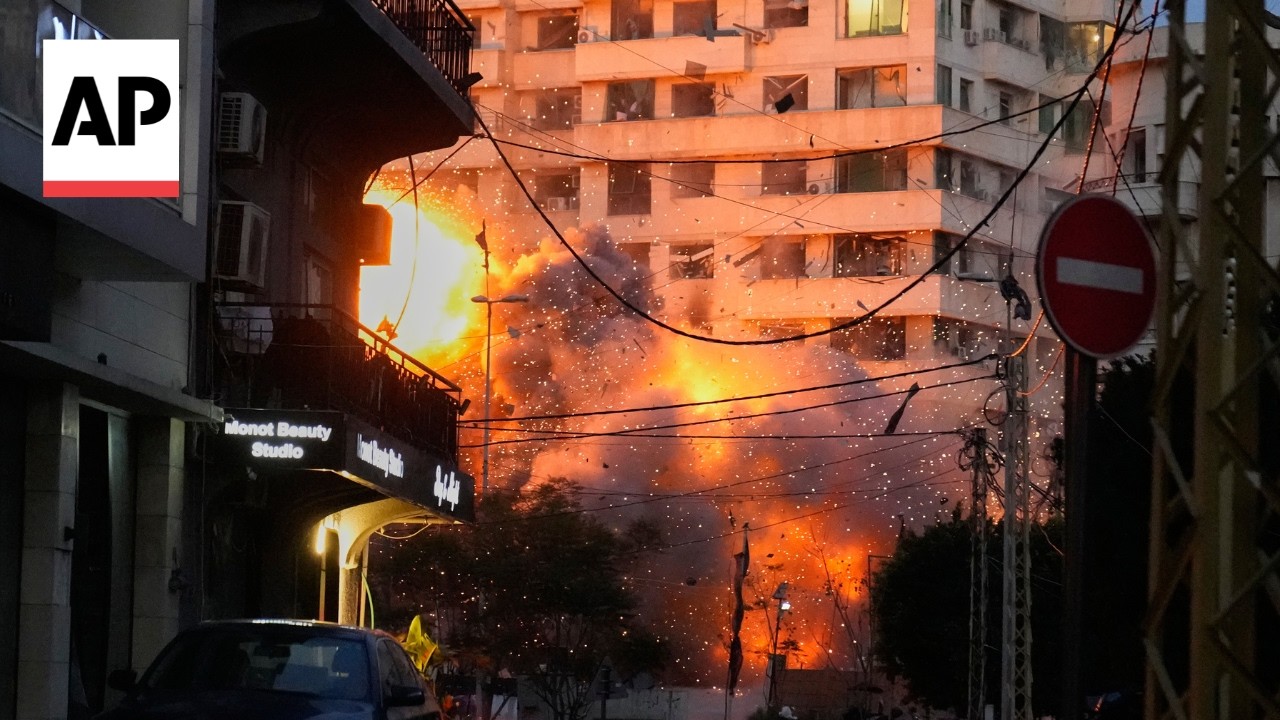
The town has been subjected to intense bombardment, with large sections reduced to rubble. Smoke has been seen rising continuously from the area, serving as a stark visual indicator of the scale of destruction.
A Lebanese security source and a foreign official monitoring developments suggested that the eventual objective could involve advancing toward the Litani River, though Israeli officials have not publicly confirmed such plans.
When asked about this possibility, the Israeli commander declined to provide specifics, stating only that troops are prepared to carry out any orders they receive.
Along the border near the Israeli town of Metula, the scale of military preparations is unmistakable. Reuters observed extensive fortifications carved into hillsides, housing tanks, armored personnel carriers, and heavy engineering equipment.
These fortified positions serve dual purposes: they provide defensive protection against incoming fire while also acting as staging grounds for offensive operations. Artillery units positioned in these areas continue to deliver sustained fire into southern Lebanon, supporting advancing ground forces.
The presence of bulldozers and other heavy machinery underscores the logistical complexity of the campaign, as forces work to reshape the terrain, construct defensive barriers, and maintain operational readiness.
For residents of northern Israel, particularly in the Upper Galilee, the conflict has become an inescapable reality. The region’s elevated terrain offers sweeping views into southern Lebanon, where villages now lie under constant bombardment.
According to the Reuters report, the sound of warfare is nearly continuous, with aircraft overhead, artillery fire, and occasional rocket launches from Lebanon punctuating daily life.
Ofer Moskovitz, a farmer living near the border, described the intensity of the situation. “Every five minutes you can hear the bombs,” he said, capturing the relentless nature of the conflict. Although rocket fire from Hezbollah has decreased compared to earlier phases of fighting, Israeli officials caution that the group still retains the capability to strike deeper into the country.
Israeli officials assert that their operations have significantly degraded Hezbollah’s military capabilities. However, the group’s continued ability to launch attacks indicates that it remains a resilient and adaptive adversary.
As noted in analysis by The Algemeiner, Hezbollah’s strength lies in its decentralized structure and its ability to operate within civilian environments, making it difficult to eliminate entirely.
The ongoing campaign reflects a broader strategic objective: to reduce Hezbollah’s operational capacity to a level where it no longer poses a significant threat to Israel’s security.
The conflict along the Israel-Lebanon border is part of a larger regional struggle involving Iran and its network of allied groups. The escalation in Lebanon represents one front in a broader confrontation that spans multiple countries and involves a complex web of alliances.
As The Algemeiner report emphasized, developments in one area can quickly influence the dynamics of the entire region, increasing the risk of further escalation.
The involvement of external powers, including the United States, adds another layer of complexity, as strategic decisions made in one arena can have far-reaching consequences.
The intensification of Israel’s military operations in southern Lebanon marks a critical phase in the ongoing conflict with Hezbollah. The expansion of troop deployments, the systematic search of evacuated villages, and the sustained bombardment of key areas all point to a campaign that is both extensive and deeply consequential.
For civilians on both sides of the border, the reality is one of constant uncertainty and disruption. For military and political leaders, the challenge lies in navigating a complex and evolving landscape where each decision carries significant risks.
As artillery continues to echo across the hills of the Upper Galilee and smoke rises from the towns of southern Lebanon, the path forward remains uncertain. What is clear, however, is that this is a conflict that is far from over—and one whose consequences will be felt for years to come.


1 Comment
Jeffrey Blankfort
April 9, 2026To judge from Israel’s previous experiences with Hezbollah on the ground in which the IDF was humiliated. being finally forced to withdraw in 2000 after 18 years of occupation and taking a thousand casualties and 2006 during which it was unable to penetrate Hezbollah lines on the ground, without use of its air power which Hezbollah lacks, the IDF is likely to be stymied on the ground once again.