















|
Getting your Trinity Audio player ready...
|
Jared Evan
(TJV NEWS) The rapidly escalating war involving the United States, Israel and Iran has entered a dangerous new phase centered on the Persian Gulf, where military strikes on Iran’s critical oil infrastructure and threats to close the Strait of Hormuz have raised fears of a broader regional and economic crisis.
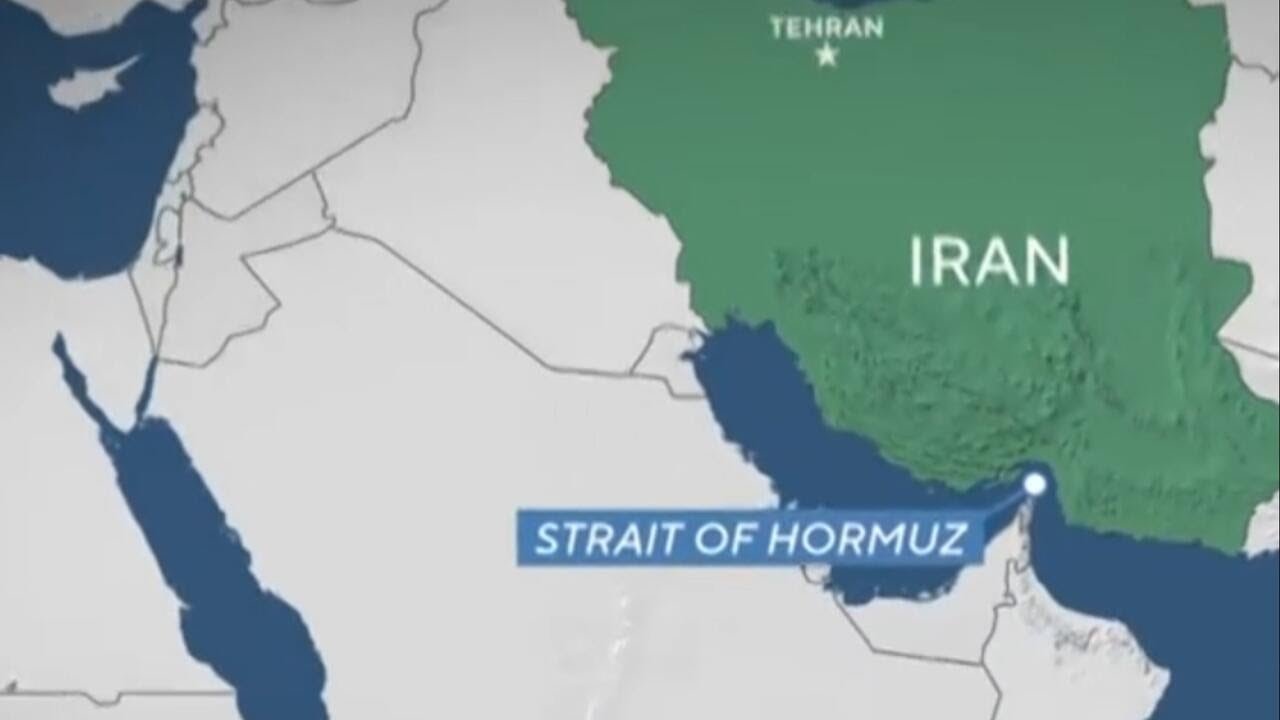
At the center of the confrontation is the narrow maritime corridor connecting the Persian Gulf to the Gulf of Oman — one of the most strategically important waterways in the global energy system.
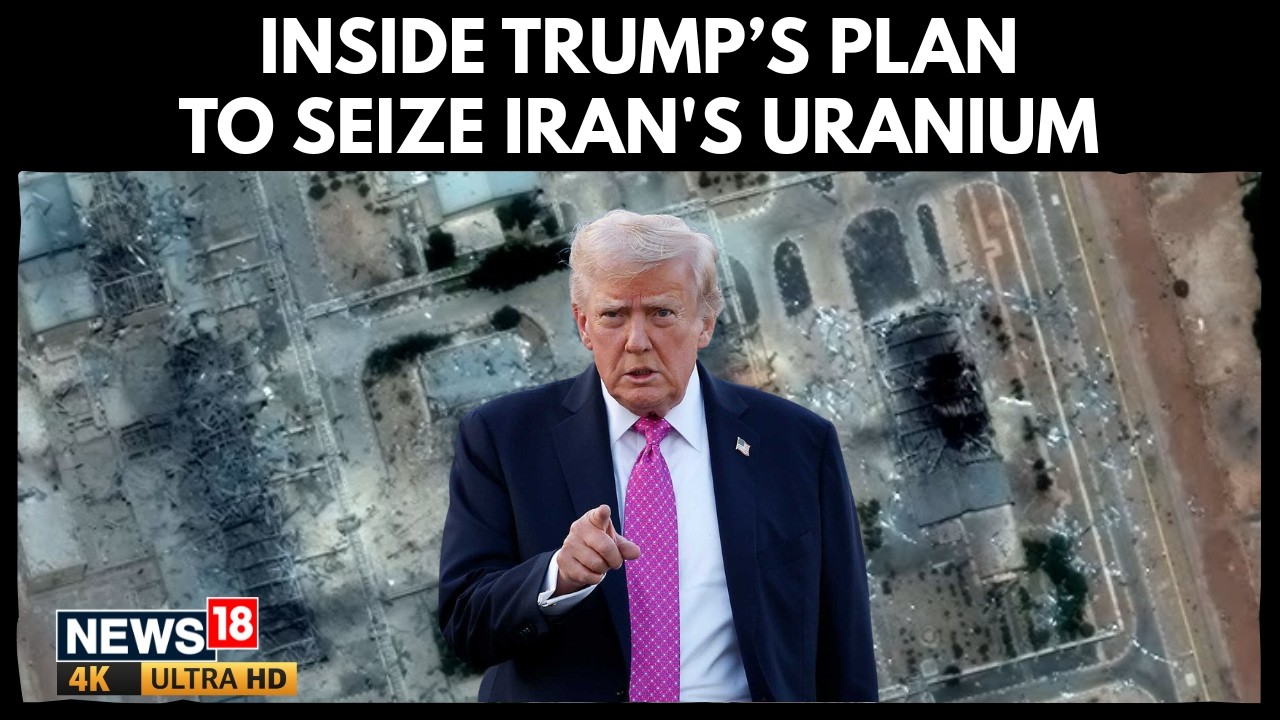
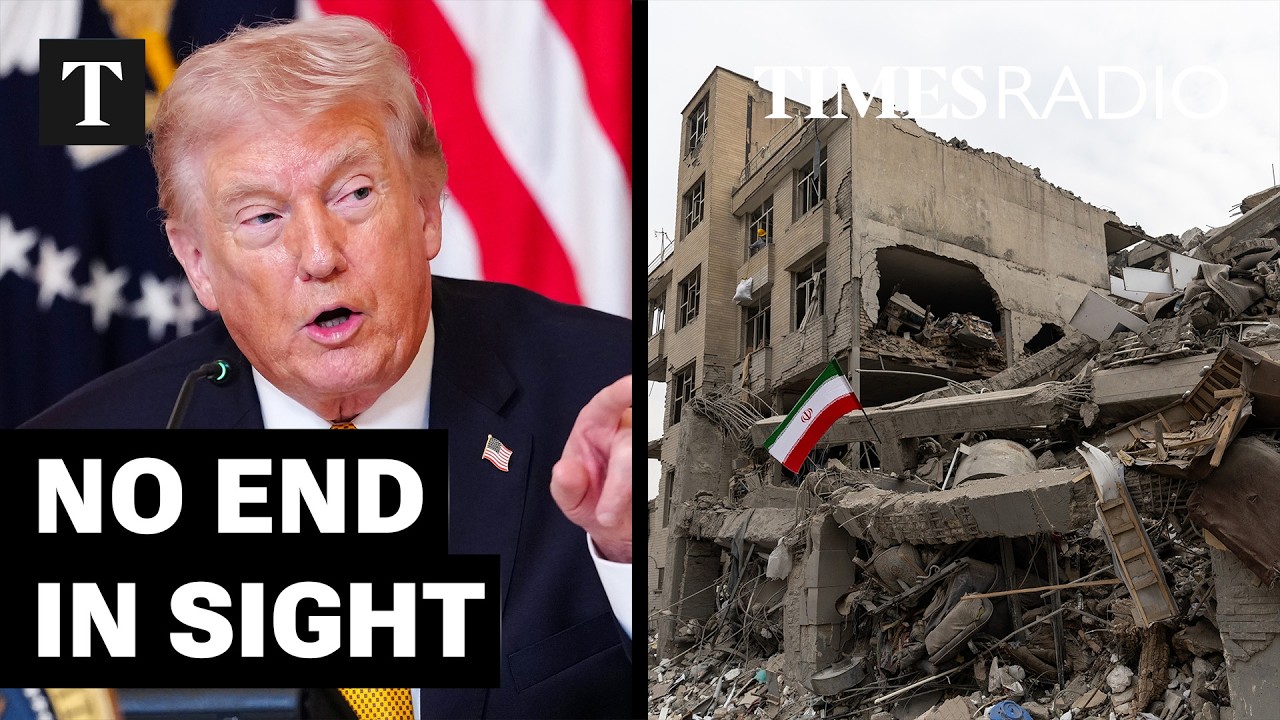
According to reporting by The Times of Israel, President Donald Trump has vowed the United States will reopen the Strait of Hormuz “one way or the other,” warning that American forces could escalate attacks against Iranian military assets if shipping lanes remain threatened.
Trump’s comments came after Iranian officials warned they may disrupt maritime traffic through the strait and potentially target ports connected to countries supporting U.S. or Israeli military operations, the Times of Israel reported.
A global energy chokepoint
The strait has long been considered one of the world’s most sensitive geopolitical flashpoints. Roughly one-fifth of global oil supplies move through the corridor each day, linking major oil producers in the Persian Gulf with markets in Europe and Asia.
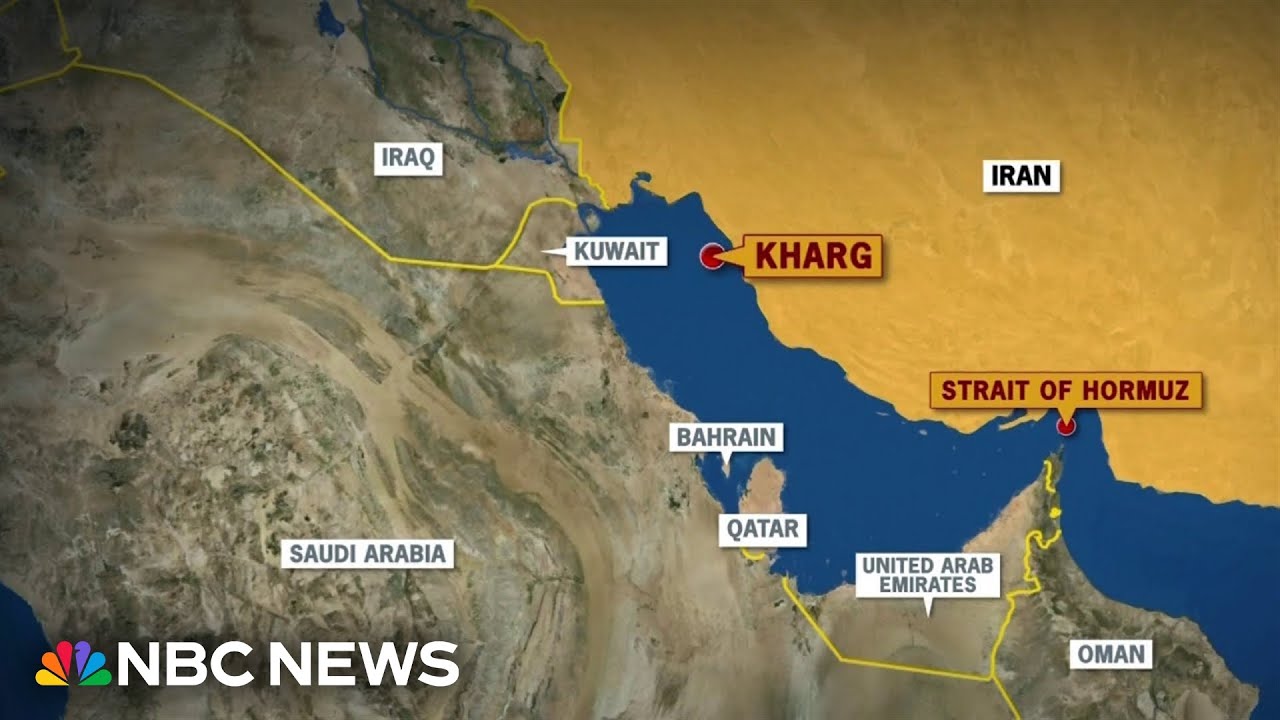
The waterway runs between Iran on one side and Oman and the United Arab Emirates on the other, making it highly vulnerable during military conflicts in the region.
If shipping through the corridor were halted for a prolonged period, analysts warn it could disrupt global energy markets and trigger sharp spikes in oil prices.
For that reason, the United States and its allies have historically maintained a heavy naval presence in the area to ensure freedom of navigation.
Strikes on Iran’s main oil export hub
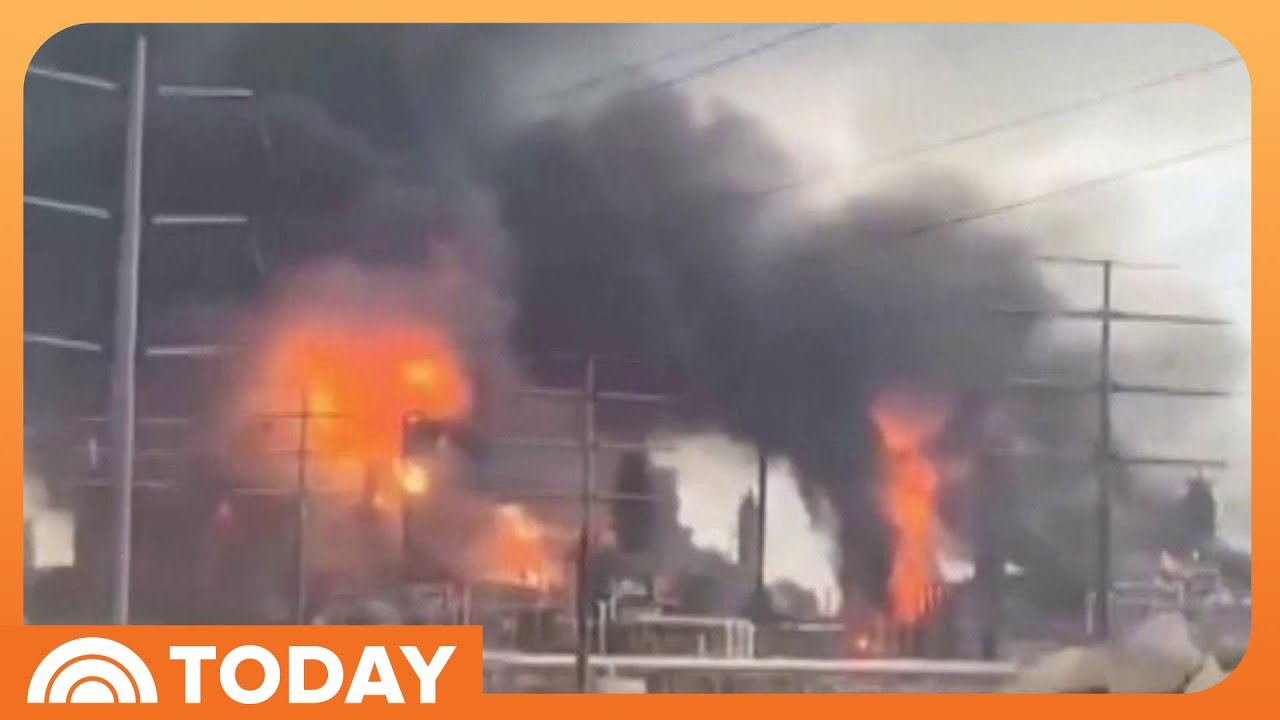
The confrontation escalated further after U.S. forces struck Iranian military facilities on Kharg Island, a strategic location in the northern Persian Gulf that serves as the backbone of Iran’s oil export network.
According to the geopolitical blog ZeroHedge, the operation targeted defensive and military infrastructure on the island while avoiding the oil loading terminals themselves.
Kharg Island handles the overwhelming majority of Iran’s crude exports, making it one of the most economically important assets under Tehran’s control, the ZeroHedge analysis noted.
The blog described the strike as crossing what many analysts view as a critical “red line” for Tehran because of the island’s importance to the Iranian economy and its ability to fund military operations.
Iranian officials have long warned that attacks on the country’s energy infrastructure would provoke retaliation across the region.
Iran threatens retaliation and shipping disruption
Iran has responded to the expanding military campaign with threats to disrupt shipping in the Strait of Hormuz, raising concerns that the conflict could spill into a wider maritime confrontation.
Footage has now been published by President Donald J. Trump showing today’s strikes against Iranian military targets on Kharg Island in the Northern Persian Gulf, which acts as a port hub for the export of up to 90% of oil products leaving Iran. In the footage, strikes can be… pic.twitter.com/WH3iWw74sE
— OSINTdefender (@sentdefender) March 14, 2026
According to the Times of Israel report, Iranian officials suggested the country could impose restrictions on vessels linked to the United States or Israel while allowing ships from other nations to pass through.
Such a move would be an attempt to isolate Washington and its allies while avoiding a total shutdown of the global oil corridor.
Iran has also warned it could target regional ports and logistics hubs supporting the U.S. and Israeli war effort.
A conflict with global implications
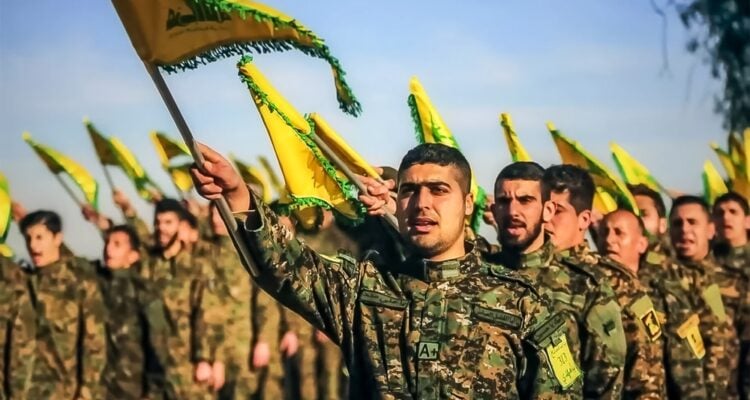
The escalating war comes amid already heightened tensions across the Middle East, where Iran maintains influence through allied militias and proxy forces in several countries.
Groups aligned with Tehran operate in Iraq, Syria, Lebanon and Yemen, giving Iran the ability to pressure U.S. allies across a wide geographic area.
Regional analysts have warned that those networks could become active fronts in the conflict if the war continues to intensify.
Israel, meanwhile, has carried out a series of strikes against Iranian military assets and command facilities as part of a broader campaign aimed at degrading Tehran’s military capabilities.
The conflict marks one of the most direct confrontations between Iran and the United States in decades.
Global powers watching closely
The war has also drawn the attention of major global powers with strategic interests in the region.
Russia and China have both maintained diplomatic and economic ties with Iran and have criticized Western military actions against the country in past crises.
Both nations rely heavily on energy flows from the Persian Gulf and could face economic consequences if the conflict disrupts shipping routes or damages oil infrastructure.
European governments have also urged restraint, warning that an expanded war could destabilize energy markets and threaten already fragile global supply chains.
Energy markets on edge
Energy analysts say the targeting of infrastructure such as Kharg Island highlights how the war could increasingly affect global oil supplies.
ZeroHedge’s analysis emphasized that Kharg Island is arguably the most important oil export terminal in Iran and a critical node in the global petroleum system.
If the island’s facilities were destroyed or seized, it could effectively shut down most Iranian oil exports.
At the same time, analysts warn that escalating attacks on energy infrastructure across the Gulf could trigger retaliation against oil facilities belonging to other regional producers.
Such a scenario could push oil prices dramatically higher and create economic shocks far beyond the Middle East.
Strait of Hormuz now the war’s focal point
For now, the Strait of Hormuz has emerged as the central battleground in the escalating standoff between Washington and Tehran.
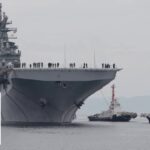
U.S. naval forces and allied ships continue to patrol the region, while Iran’s military remains positioned along the coastline overlooking the narrow shipping channel.
As the conflict deepens, the fate of the strait — and the massive energy flows that pass through it — may ultimately determine whether the war remains contained or expands into a much larger geopolitical crisis.